



Ornate Silvered Mirror
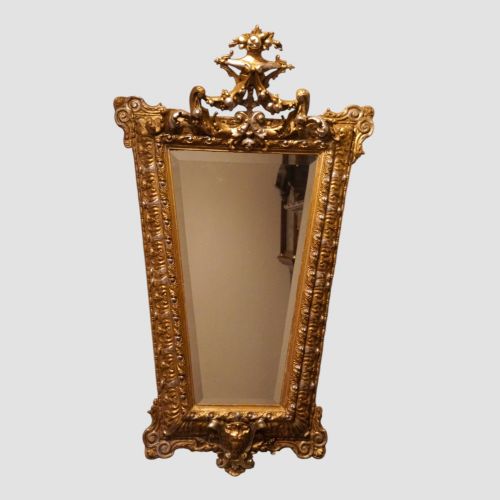
An ornate silvered mirror brings immediate light and theatrical depth to a room through heavy metallic leaf and complex carved woodwork.
Ornate Silvered Mirror
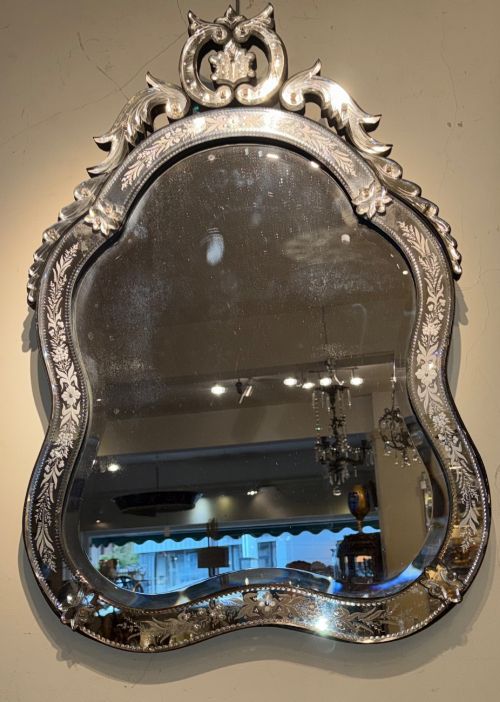
An ornate silvered mirror encompasses grand wall hung plates, smaller easel table pieces, and tall Venetian examples shaped from carved wood and metal. These objects span periods from the eighteenth century through the Victorian and Edwardian eras, extending into early twentieth century twentieth designs.
The sixteenth and seventeenth century revivals sit alongside continental forms including French chateau styles and Dutch patterns. Wall mirrors dominate the selection, frequently carrying silver leaf, gesso, or brass frames.
Venetian and French influences appear repeatedly across the listings, showing floral mouldings, carved crests, and mirrored borders. Buyers encounter everything from small brass framed toilet mirrors to large scale eighteenth century silver gilt wall pieces.
How they were made
Makers built these frames using timber cores overlaid with gesso before applying thin sheets of silver leaf or gold leaf by hand. Carved wooden elements provided high relief scrolls and floral motifs, often finished with burnishing to catch the light.
Glass plates were silvered using chemical processes or traditional mercury techniques, then bevelled at the edges to create prismatic light refractions. Brass frames utilised cast or stamped metal components joined securely to backboards.
Object forms span wall mirrors, table mirrors, and easel mirrors influenced by Venetian, French chateau, and Dutch design traditions.
What varies in quality
Quality rests in the depth and precision of the hand carving within the gesso and wood, where crisp undercut foliage distinguishes finer workshops from simpler production. The integrity of the silver leaf surface and the clarity or natural foxing of the original glass plate establish the piece's visual weight.
Subtlety of proportions in the crests and the retention of original backboards and fixings separate standard domestic examples from exceptional decorative statements.
The Ornate Silvered Mirror Glossary
- Silver leaf
- Extremely thin sheets of beaten silver applied to a prepared gesso and bole ground. This technique gives frames a bright, reflective metallic finish that ages with a dark patina.
- Gesso
- A mixture of gypsum and glue binder applied to wood frames to create a smooth surface for carving and gilding. It allows for crisp relief details and deep mouldings.
- Foxing
- Small dark spots and patches that develop within the silvering of antique glass over decades. This natural oxidation process creates a mottled, atmospheric reflection.
- Bevelled plate
- A mirror glass plate with edges ground and polished at an oblique angle. This treatment creates a decorative framed effect within the glass itself and refracts incoming light.
- Easel mirror
- A portable table mirror supported by a hinged stand at the back. These pieces were designed for dressing tables and vanity desks during the Victorian period.
Ornate Silvered Mirror: Frequently Asked Questions
How do I hang a heavy ornate mirror?
Large wall mirrors require secure fixings screwed directly into structural wall studs or masonry using heavy duty brackets. The substantial weight of carved wood and gesso frames demands professional installation to ensure stability.
Position the mirror at a height that balances the surrounding furniture and safely distributes the load across the hanging wire or D rings attached to the original wooden frame.
How should I clean a silver leaf frame?
Dust the carved wooden surfaces gently with a soft dry brush to prevent abrasive particles from scratching the delicate metallic leaf. Avoid liquid cleaners, as moisture penetrates aged gesso and causes the silver layer to flake.
Keep the mirror plate clear of dust using a cloth slightly dampened with water, taking care not to let cleaning solutions seep behind the bevelled edges where the silvering is vulnerable.
What causes dark spots on antique mirrors?
Age related oxidation occurs when moisture seeps behind the glass and reacts with the silver backing over many years. This natural breakdown creates speckled patterns known as foxing.
Collectors often prize this characteristic because it confirms the age of the glass plate and adds distinct visual texture to the reflection.
Are these mirrors original throughout?
Many surviving pieces retain their original glass plates, frames, and backboards, though heavily distressed plates were sometimes replaced during their working life. The presence of original fixings and undisturbed gesso layers indicates a high degree of survival.
Minor repairs to the carved wooden ornament are common in pieces of this age and do not detract from their historical character.