

Beaded Wall Mirror
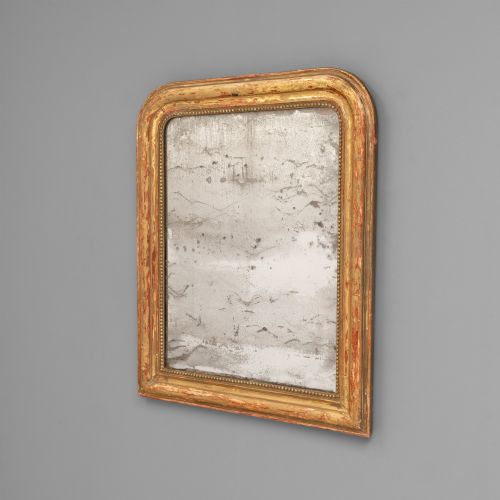
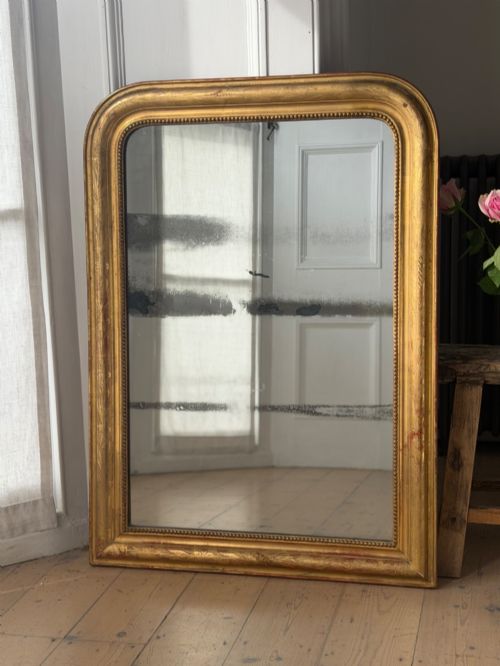
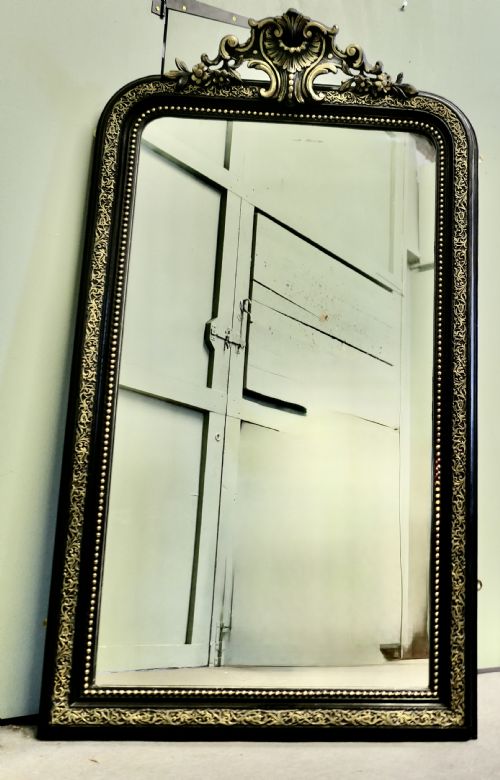
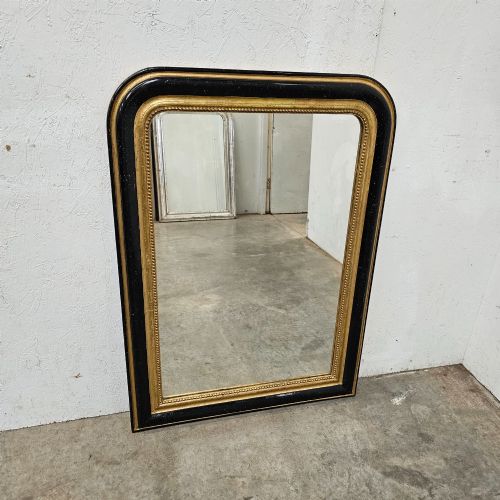
These beaded antique wall mirror examples bring light and proportion to a room, ranging from grand French overmantels to carved oak designs.
Beaded Wall Mirror
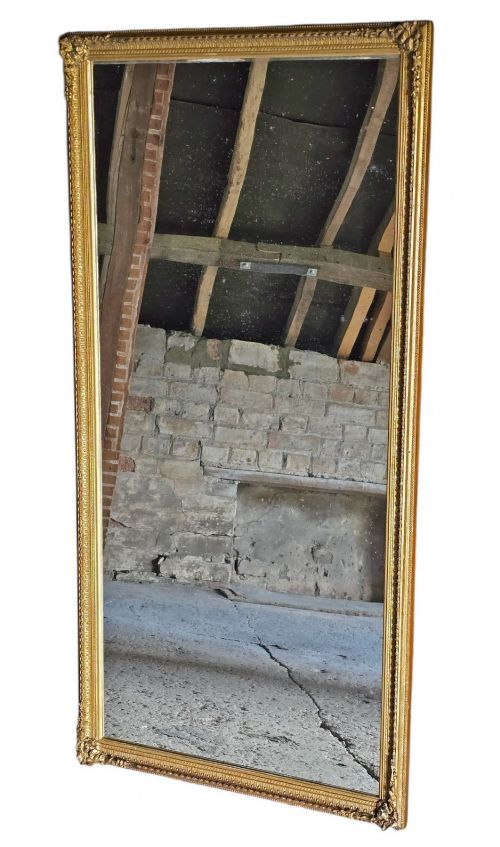
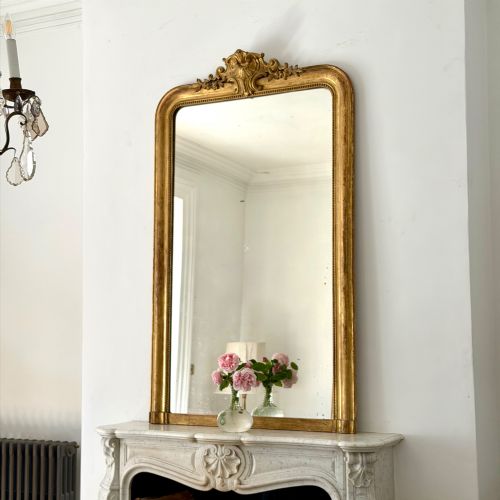
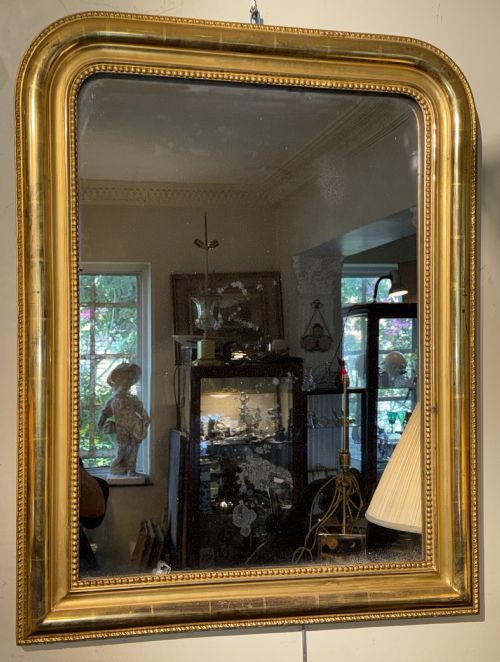
When someone searches for a beaded antique wall mirror, they encounter pieces originating largely from the nineteenth and early twentieth centuries, spanning Victorian, Edwardian, and Louis Philippe styles. These items function primarily as wall mirrors, overmantel mirrors, and hall mirrors designed to reflect light and expand interior spaces.
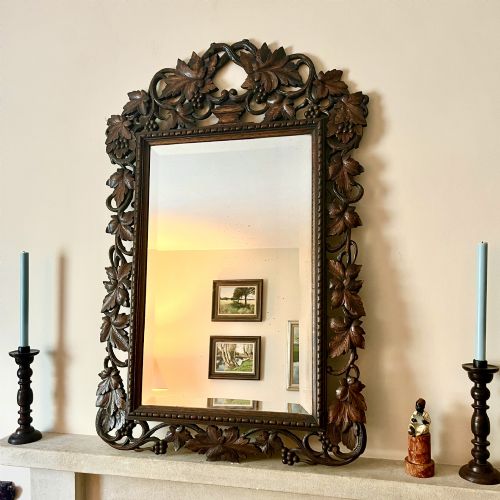
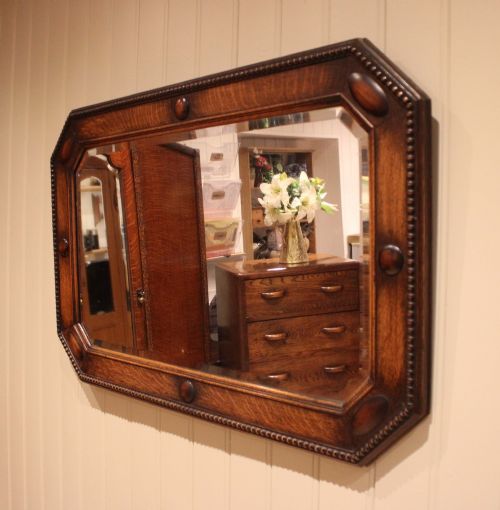
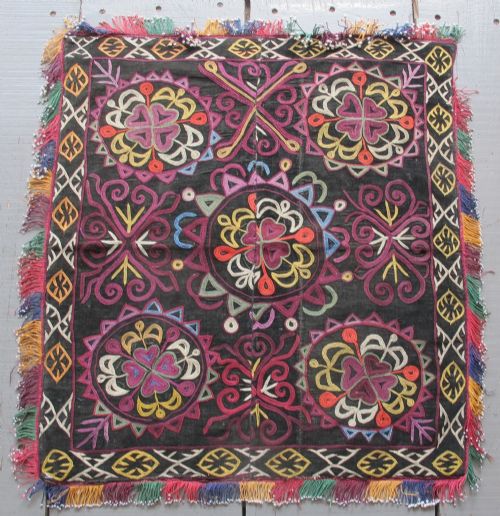
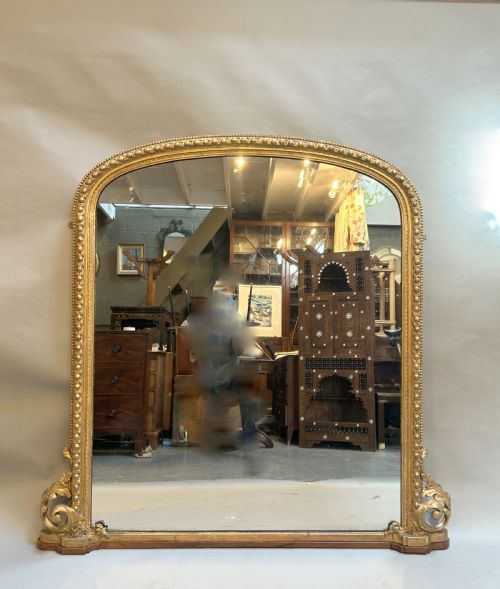
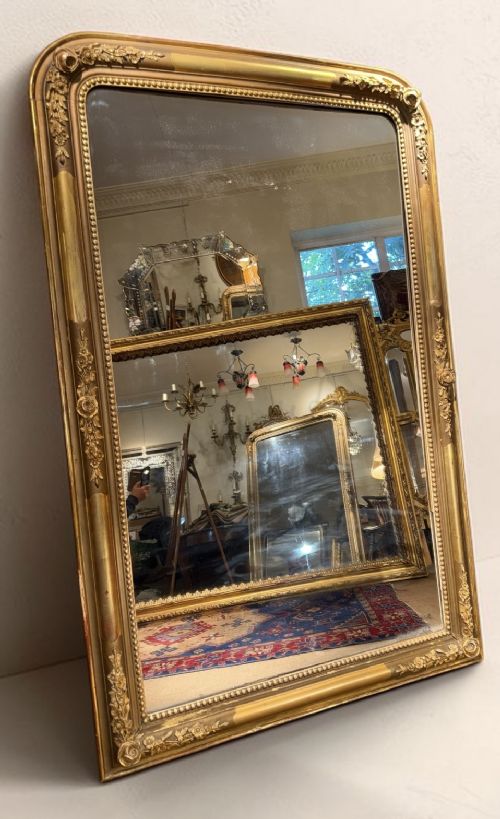
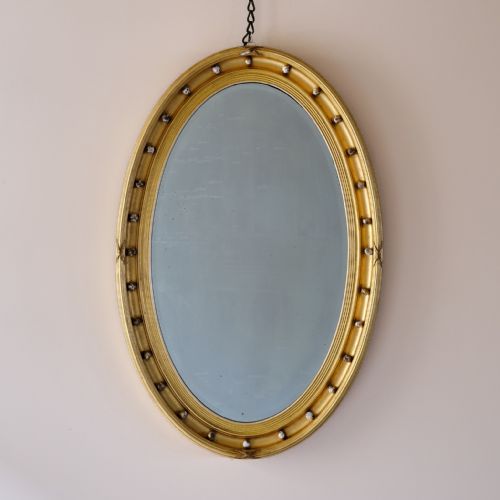
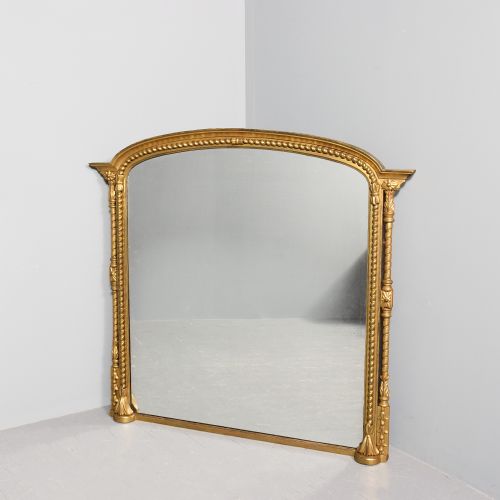
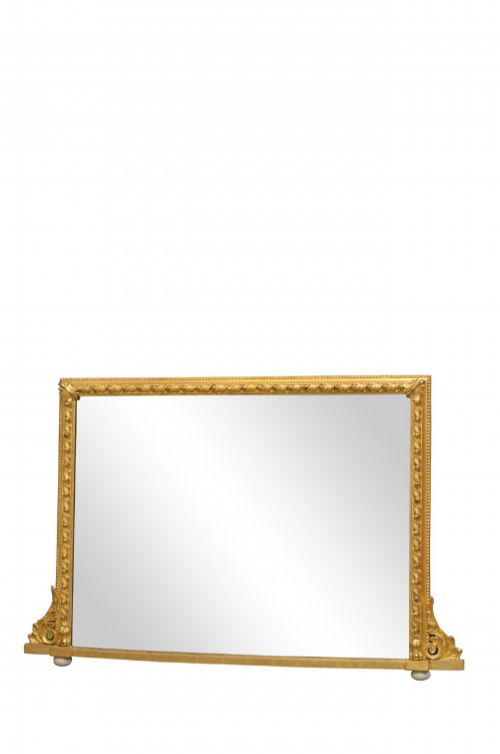
The most common versions met on this page are giltwood and gesso frames shaped in rectangular or oval formats, often bearing French or English provenance. Alongside traditional glass mirrors, related items such as carved oak frames and embroidered mirror covers also appear within the selection.
Makers and craftsmen from periods including the Regency and Georgian eras produced these items utilising local woods and applied ornamentation. The forms vary from intimate oval wall pieces to vast overmantels intended to dominate a principal hearth.
How they were made
Makers constructed the primary framework using timber such as oak and carved wood, providing a stable foundation for the decorative elements. Artisans then applied gesso and composition layers to shape intricate surface details, flowers, and acanthus leaf decoration before finishing the surface.
Guilders applied gold leaf or silver gilt onto the prepared grounds to achieve a reflective, metallic sheen that characterises the giltwood frames. Many surviving examples retain original mercury glass plates, which exhibit natural foxing and ageing over time.
Object forms span large overmantels, pier mirrors, oval wall frames, and delicate silk embroidered mirror covers from Central Asia.
What varies in quality
The degree of crispness in the carved wood and gesso ornamentation dictates much of the visual distinction between examples. Finer pieces demonstrate deeply undercut foliage and precise moulding, whereas lesser versions rely on simplified, heavy composition ornament.
The preservation of the original mirror plate and gilding surface governs the integrity of the piece. Surviving mercury glass and untouched gold leaf elevate an example above those that have undergone extensive regilding or replacement glass insertion.
The Beaded Wall Mirror Glossary
- Gesso
- A plaster-like mixture applied to wood frames to create a smooth surface for gilding or carving. This material takes fine detail well before the application of gold leaf.
- Louis Philippe
- A French nineteenth-century style characterised by restrained classical proportions and rounded upper corners. These frames offer a sober alternative to more ornate rococo designs.
- Overmantel mirror
- A wide mirror designed specifically to hang above a fireplace mantelpiece. Such pieces frequently span considerable horizontal dimensions to balance the hearth below.
- Mercury glass
- A silvered glass type produced by pouring a mercury amalgam between double-walled glass or backing single plates. It produces a distinctive mottled reflection known as foxing.
- Trumeau
- A decorative wall mirror incorporating a painted panel or oil painting above the glass plate. These architectural pieces originated in French domestic interiors.
- Giltwood
- Timber that has been coated with a thin layer of gold leaf. This finish creates a luminous metallic effect across the carved frame.
Beaded Wall Mirror: Frequently Asked Questions
Where should I hang an overmantel mirror?
These large mirrors sit naturally above a fireplace mantelpiece, where they anchor the room and reflect natural light from adjacent windows.
Ensure secure wall fixings support the substantial weight of the timber and gesso frame before installation.
How do I clean an antique mirror glass?
Wipe the surface gently with a soft, dry microfibre cloth to remove dust without disturbing the aged glass.
Avoid commercial chemical sprays, as moisture can seep behind the silvering and accelerate foxing or corrosion.
What is foxing on antique glass?
Foxing refers to the small dark spots and mottled patches that develop on older mirror plates as the backing degrades over decades.
Collectors prize original foxed mercury glass for the authentic sense of age and character it brings to a piece.
Can I date a mirror by its frame style?
Frame decoration often reflects the prevailing taste of its period, from ornate Victorian acanthus leaves to restrained Louis Philippe curves.
Examining the construction methods at the back of the wooden frame provides further clues to the exact era of manufacture.