


Baroque Wooden Sculpture
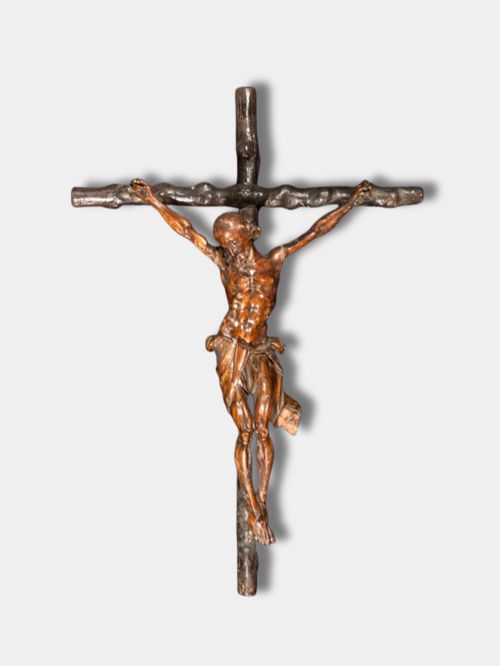
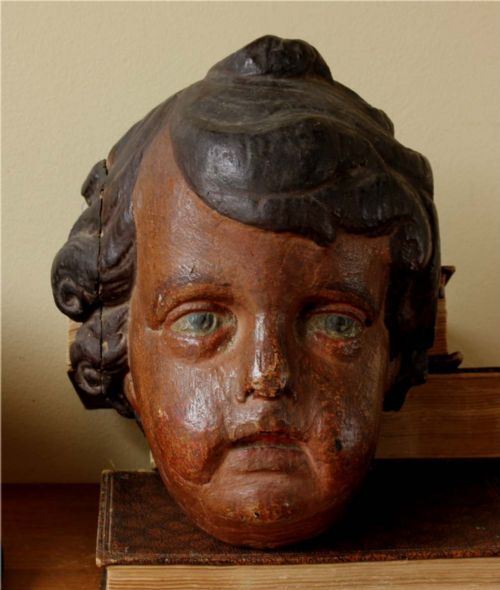
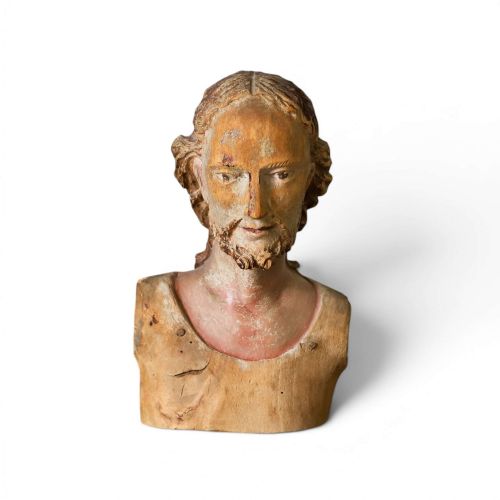
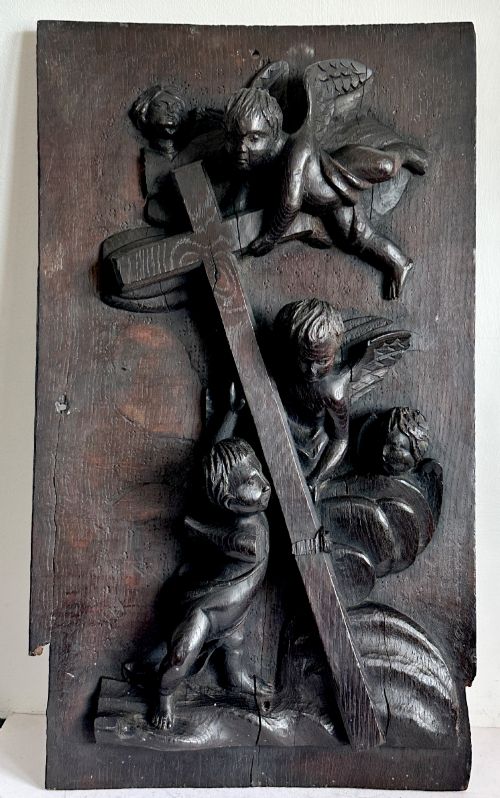
These pieces of baroque wooden sculpture bring dramatic seventeenth and eighteenth-century carving into interiors through figures, panels, and ecclesiastical fragments.
Baroque Wooden Sculpture
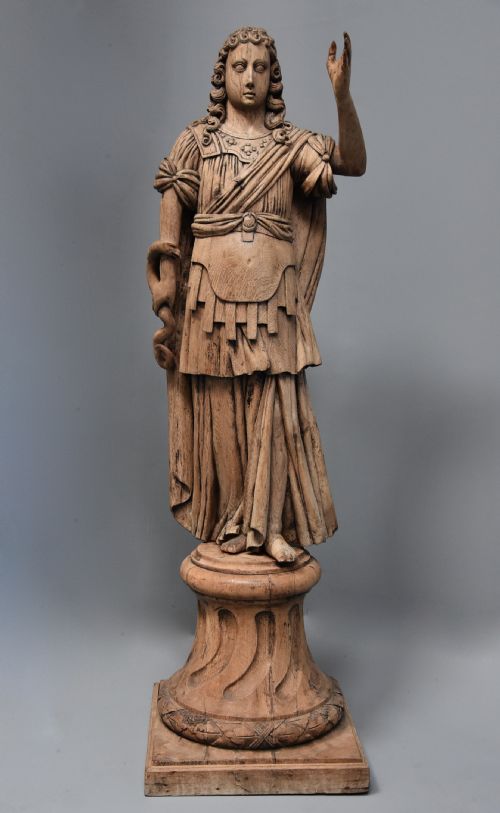
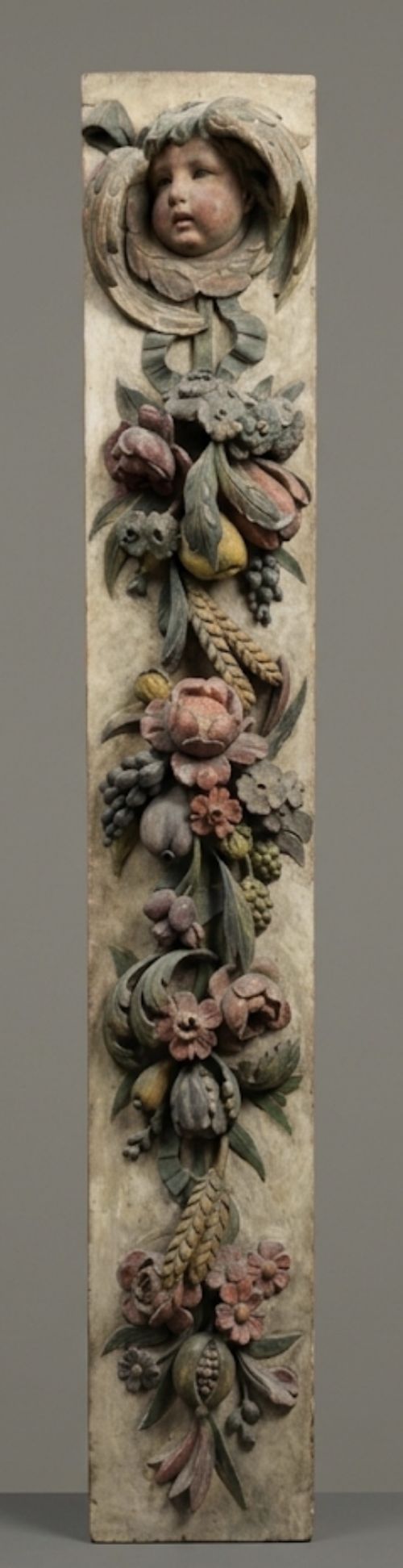
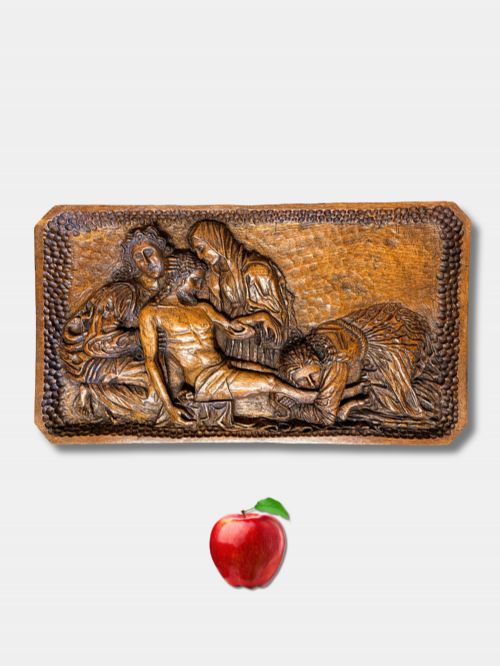
When you search for baroque wooden sculpture, you encounter carved religious figures, architectural panels, and furnishings originating from seventeenth and eighteenth-century workshops across Europe. The selection spans distinct regional expressions, from Italian saints and Spanish Pieta figures to Flemish panels and German limewood carvings.
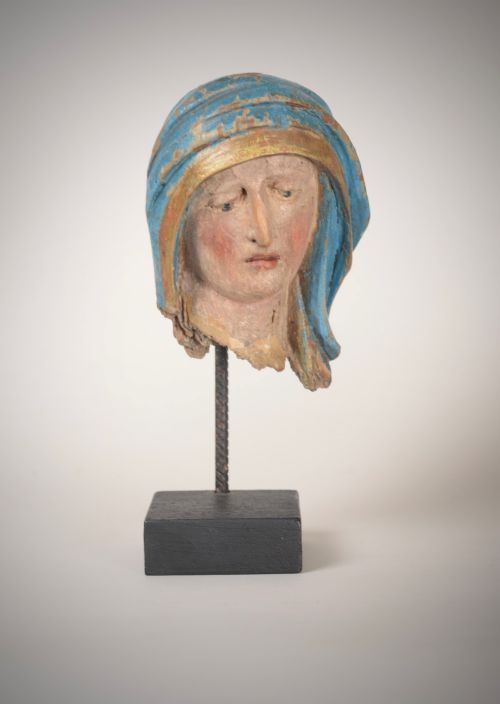
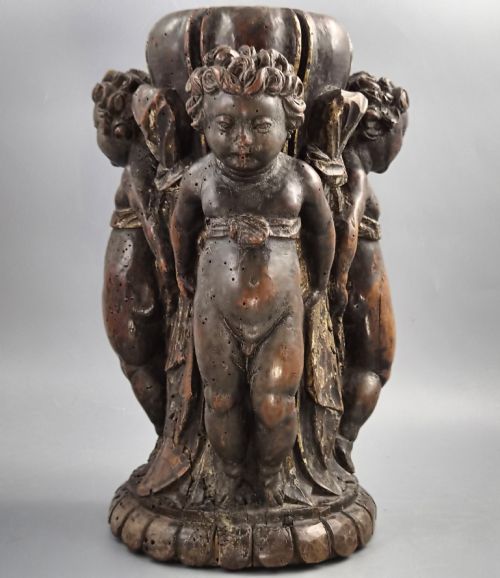
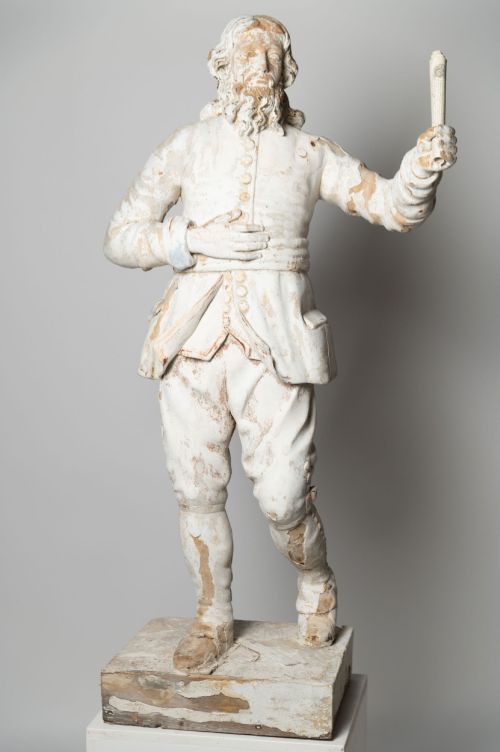
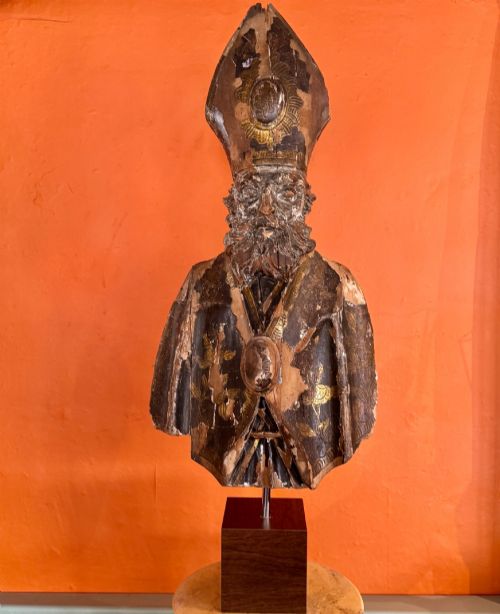
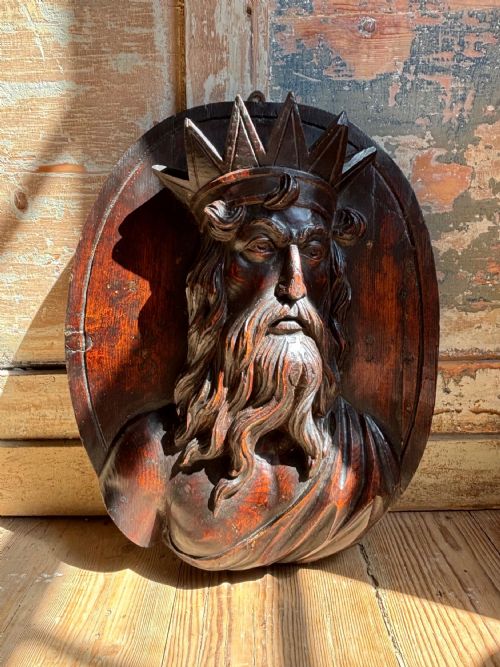
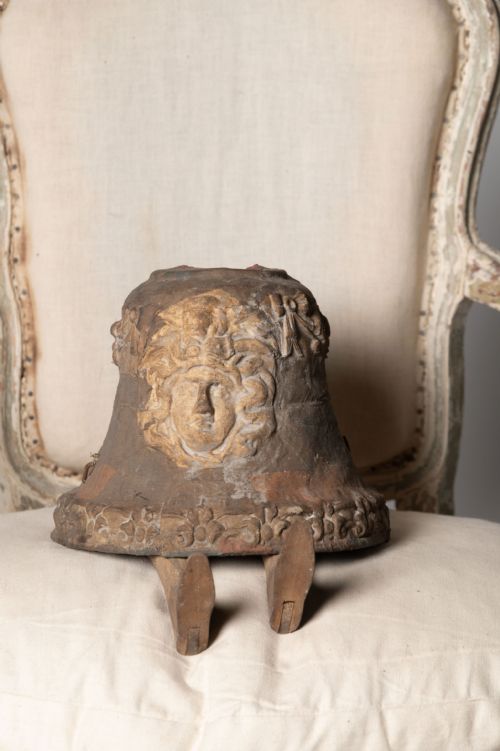
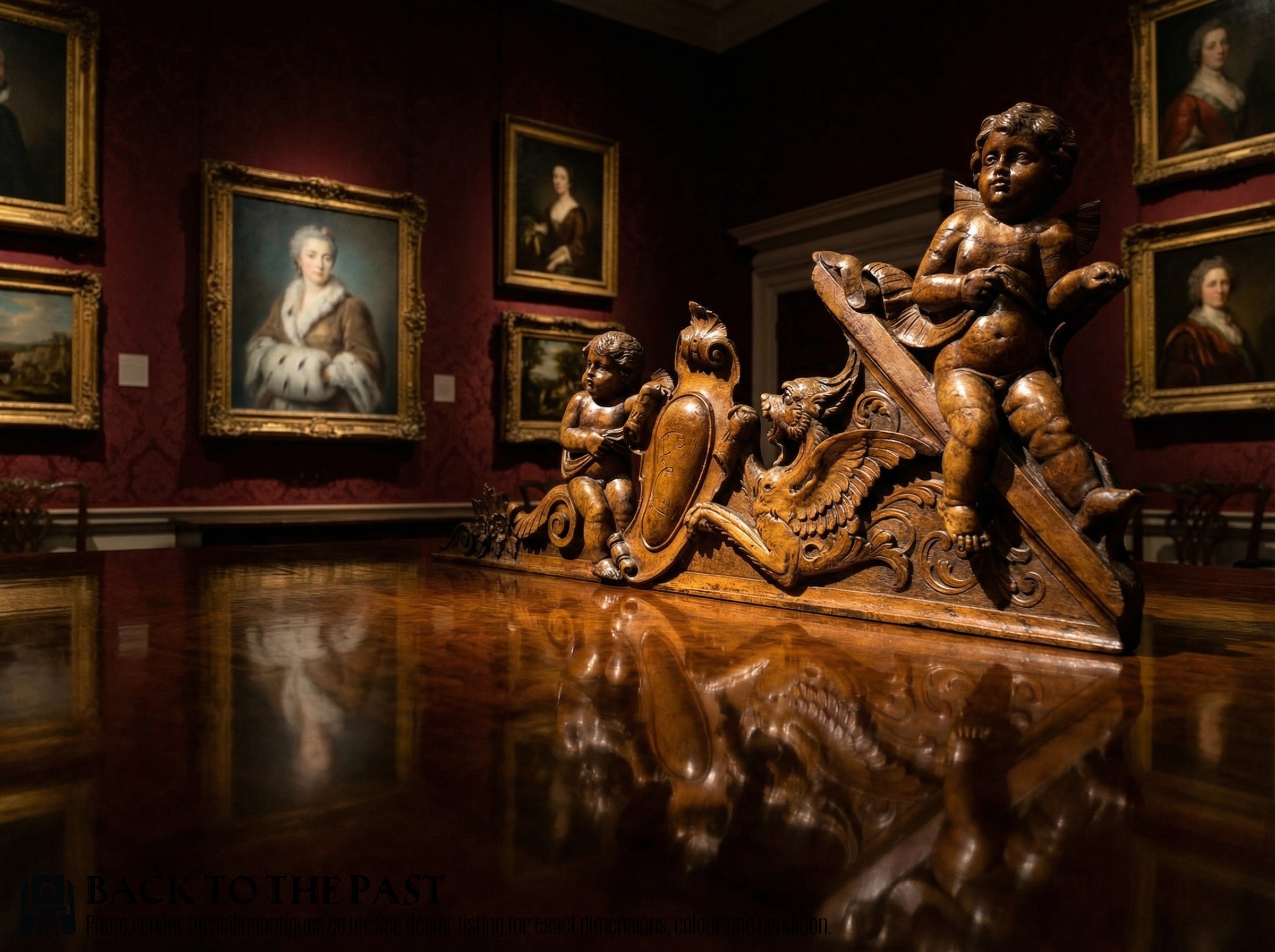
You are most likely to meet figures of saints, putti, and architectural fragments fashioned from oak, walnut, limewood, or chestnut. Many retain traces of their original polychrome paint or gold leaf application, showing how these objects functioned in churches, theatres, and noble houses.
How they were made
Carvers shaped these works using dense timbers such as oak, walnut, chestnut, and limewood, which accepted fine chisel work and sustained deep undercut details. Regional woods reflect local availability, with limewood favoured in Germany for intricate figures and oak utilised across northern Europe for architectural panels and structural elements.
Surfaces were frequently finished with gesso before receiving layers of polychrome paint, oil colours, or gold leaf gilding. This preparation provided a smooth ground for delicate pigment work on faces, drapery, and decorative mouldings.
Listings feature woods such as oak, walnut, chestnut, boxwood, and limewood across the seventeenth and eighteenth centuries.
What varies in quality
The survival rate of original surface finishes, including polychromy and gilt-wood layers, heavily influences the integrity of each piece. Objects retaining uncleaned, authentic paint or gold leaf hold greater historical coherence than those stripped down or heavily repainted over subsequent centuries.
Simon Troger·Edward Pearce
The Baroque Wooden Sculpture Glossary
- Polychrome
- Painted in several colours. This finish was commonly applied over gesso to wooden religious sculptures.
- Gesso
- A plaster mixture used as a base for paint or gold leaf. It created a smooth surface on carved wood.
- Torchiere
- A tall ornamental stand for a candle or light. These often took the form of carved figures holding supports.
- Corbel
- A structural piece of stone or wood projecting from a wall. These supported weights or decorated architectural joints.
- Solomonic
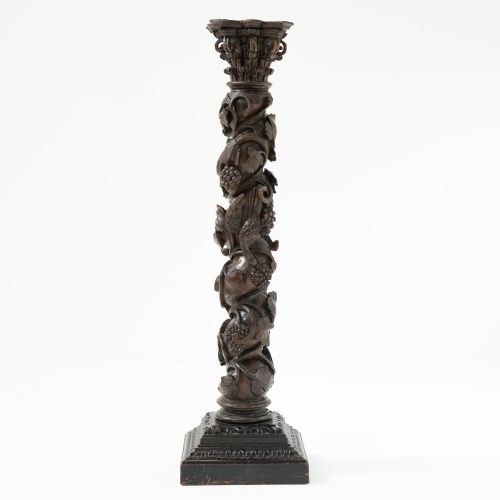
- Having a twisted, spiral shaft. This column form appears frequently in baroque furniture and framing.
Baroque Wooden Sculpture: Frequently Asked Questions
What are baroque wooden sculptures?
These works comprise carved figures, panels, and architectural fragments produced during the seventeenth and eighteenth centuries. They capture the dynamic movement and theatrical emotion characteristic of the period.
Artisans carved them from woods like oak, walnut, and limewood to serve ecclesiastical, domestic, and decorative roles across Europe.
How were these carvings used originally?
Many objects functioned within churches as altarpieces, saint figures, and ecclesiastical busts for devotional worship. Others served as architectural panels, console table supports, or theatre props in grand residences.
Their dramatic forms were intended to engage viewers visually and emotionally within architectural settings.
How do I live with antique wood carving?
Place carvings away from direct heat sources and strong sunlight to protect the aged timber and any surviving polychrome paint. Wall-mounted panels and figures require secure fixings suited to their substantial weight.
Minimal dusting with a dry cloth helps preserve the patina without disturbing delicate gesso or gilt surfaces.
How can I tell regions apart?
Regional styles often reveal themselves through the choice of timber and the character of the carving. German workshops frequently utilised limewood for expressive figures, whilst Italian and Spanish makers often worked in walnut or chestnut with rich polychromy.
Architectural details and drapery styles further distinguish Flemish and continental pieces from one another.