


Baroque Walnut Chairs
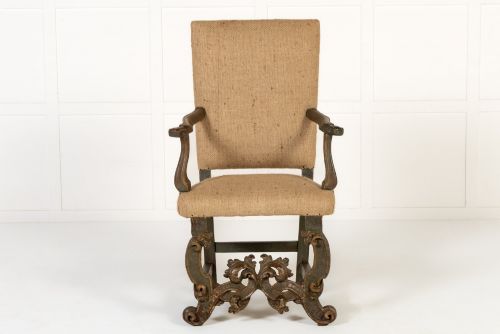
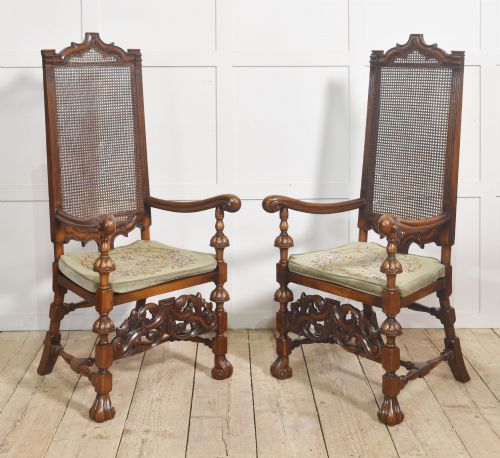
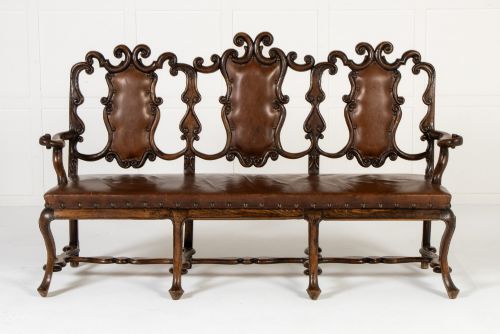
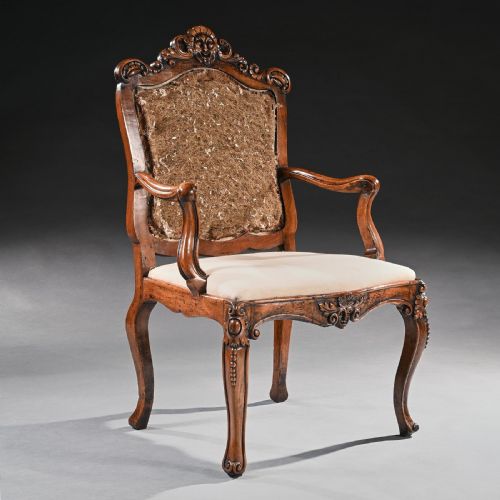
Baroque walnut chairs bring substantial presence and rich texture to a room, offering deep carvings and warm timber tones.
Baroque Walnut Chairs
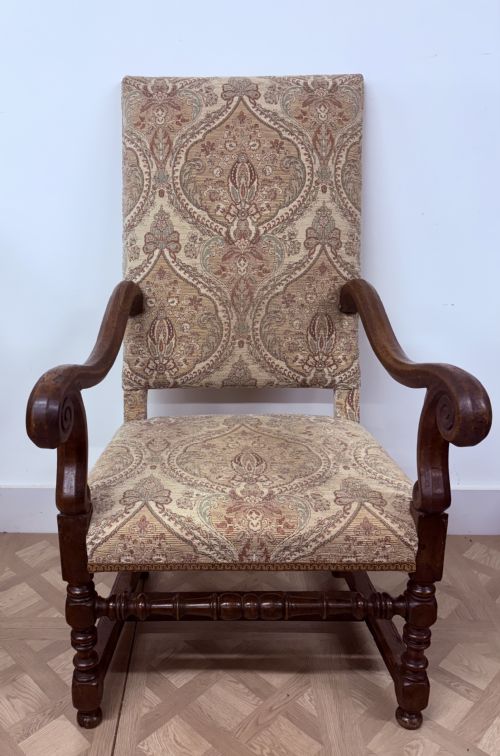
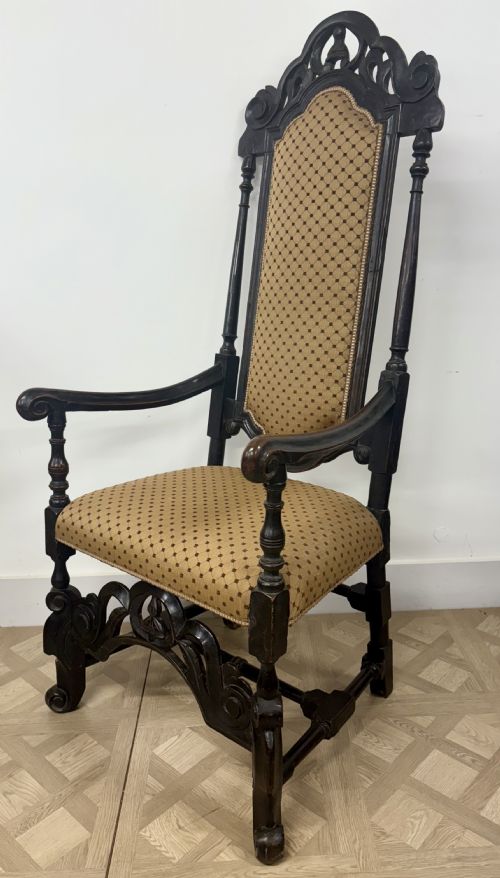
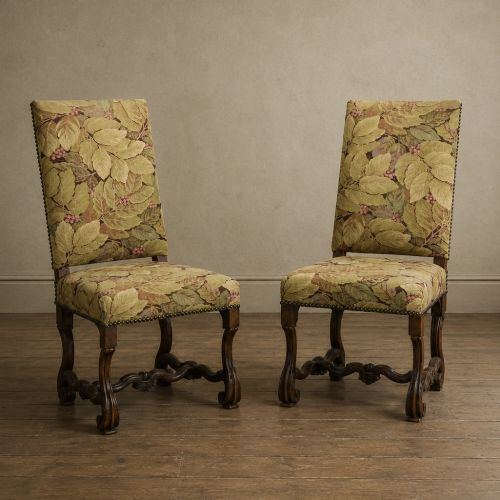
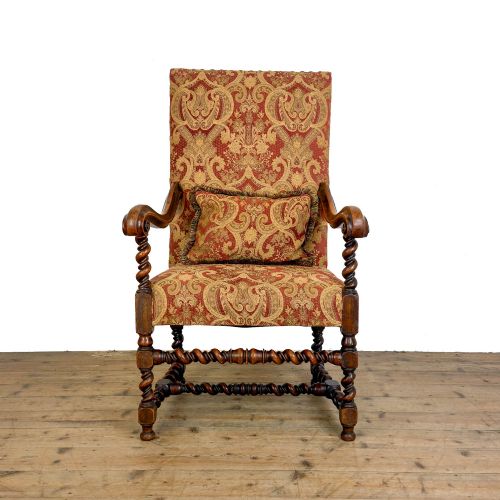
Baroque walnut chairs encompass robust seating forms spanning the seventeenth and eighteenth centuries, alongside later nineteenth-century revivals. When searching for baroque walnut chairs, buyers encounter armchairs, side chairs, and dining sets originating from English, Italian, French, Dutch, and Spanish workshops.
How they were made
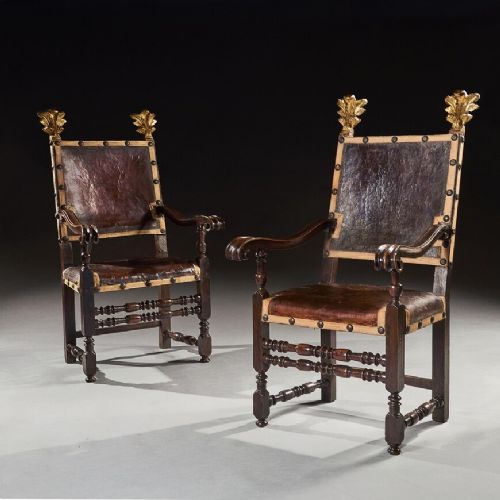
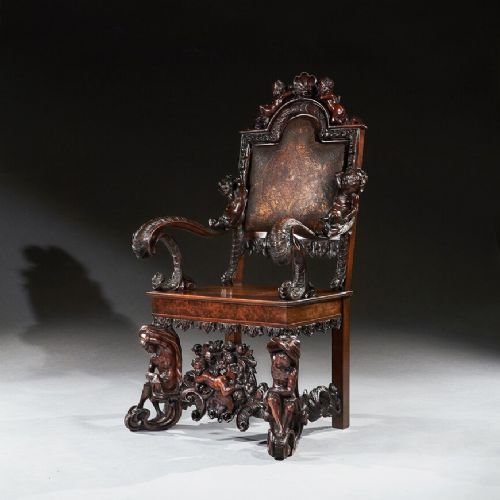
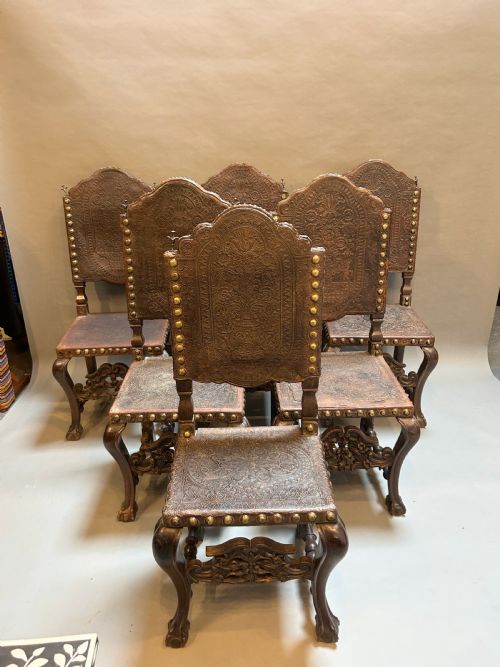
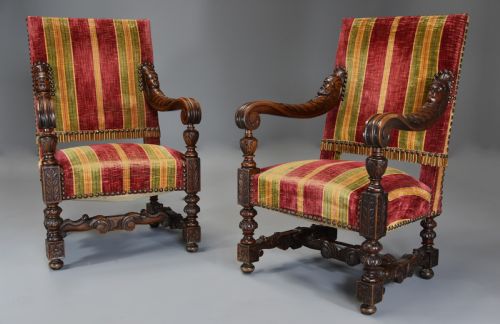
The construction relies fundamentally on solid walnut timber, chosen for its strength and capacity to hold deep, sculptural carving. Artisans shaped frames with elaborate scrollwork and turned supports, occasionally incorporating parcel-gilt highlights or bone inlay.
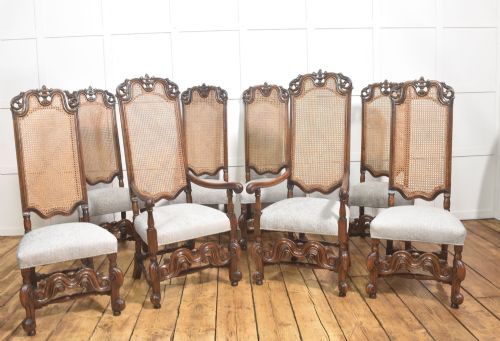
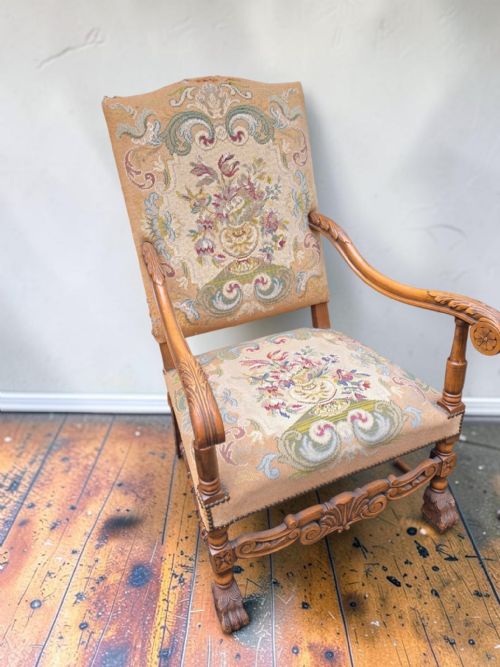
Upholstery materials such as leather, needlepoint tapestry, and woven cane completed the seating surfaces, secured with brass tacks. Frames were frequently assembled using traditional joinery methods suited to heavy daily use.
Listings feature walnut, cane, velvet, leather, and gold leaf across English, Italian, French, and Dutch origins.
What varies in quality
Quality rests in the crispness and depth of the carved ornamentation on the walnut frame, distinguishing fluid hand-carved motifs from softer, repetitive machinery output. The proportion of the chair and the integrity of its original structure dictate its standing.
The preservation of original elements, including early cane work, patinated leather, or period needlework, elevates a piece significantly. Finer examples display meticulous attention to joint construction and balanced architectural proportions across arms, legs, and high back rails.
Andrea Brustolon
The Baroque Walnut Chairs Glossary
- Parcel-gilt
- Partially gilded with gold leaf to highlight specific carved details on the walnut frame. This technique adds subtle contrast against the dark timber.
- Cane
- Woven plant material used for seats and tall backs on seventeenth-century and revival chairs. It offers a lightweight, patterned support surface.
- Carolean
- The English style associated with the reign of Charles II, characterised by richly carved walnut and crown motifs. Pieces from this period display vigorous scrolling legs.
- Fauteuil
- An open-arm armchair with upholstered seat and backrest, typically originating from French workshops. The wooden arm supports are left exposed.
- Marquetry
- The art of applying decorative veneer pieces to a wooden surface to form intricate patterns. Dutch examples frequently employ this technique on chair backs.
Baroque Walnut Chairs: Frequently Asked Questions
How do I identify a 17th-century piece?
Seventeenth-century examples display authentic signs of age in the walnut timber, including deep patination and hand-cut joinery marks. The carving tends to be vigorous and integral to the structural frame rather than applied.
Revival pieces from the nineteenth century often mimic these forms but reveal different tool marks and more uniform timber ageing. Examining the underside and interior joints helps confirm the period of construction.
Can I use these chairs for dining?
Dining sets and sturdy side chairs function well for daily meals provided the frames remain stable and secure. High-back designs offer generous support, though antique upholstery requires careful handling.
Evaluating the joint strength and seat height ensures comfort for modern table use. Many buyers mix single antique armchairs with simpler seating to create a balanced dining arrangement.
How should I care for the walnut frame?
Maintaining walnut frames involves dusting regularly with a soft, dry cloth to prevent grit accumulation on the carved surfaces. Avoid placing the timber near direct heat sources or strong sunlight which causes drying and splitting.
Occasional application of appropriate wax preserves the natural sheen of the wood without building up heavy residues. Professional consultation is advisable for any structural or surface restoration.
What is the difference between baroque and rococo?
Baroque designs feature heavy, symmetrical carvings, robust scrolling supports, and an imposing architectural presence. The emphasis lies on grandeur, rich textures, and dramatic silhouettes.
Rococo seating introduces asymmetrical curves, lighter proportions, and playful organic motifs like shell and C-scroll carvings. This later style appears with more fluid lines and less rigid geometry.