

Baroque Style Oil Canvas
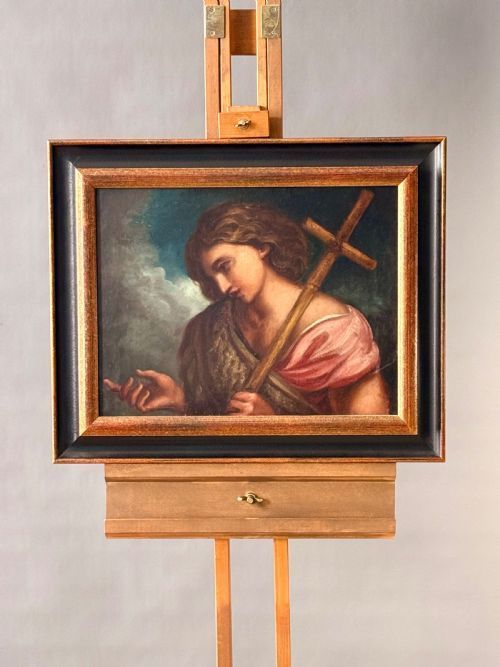
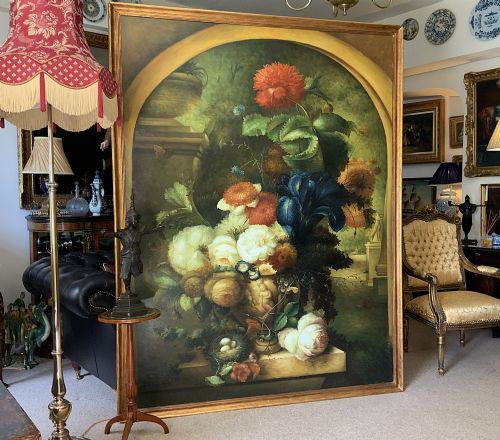
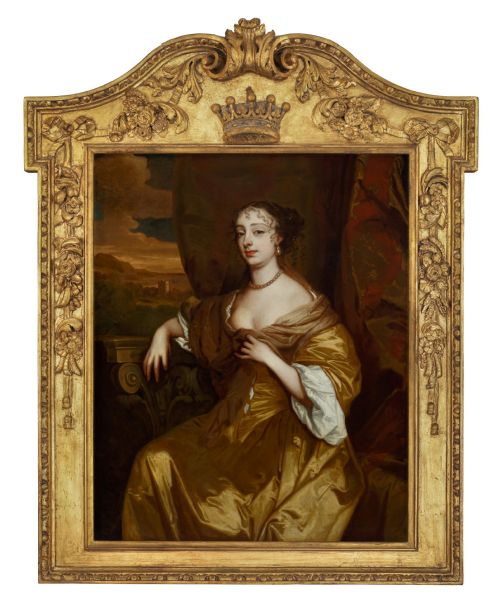
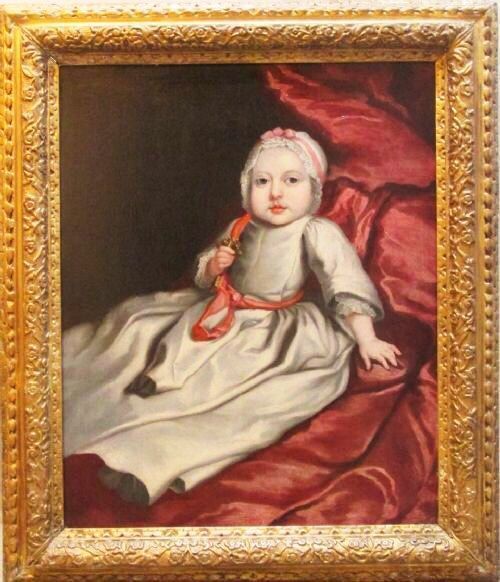
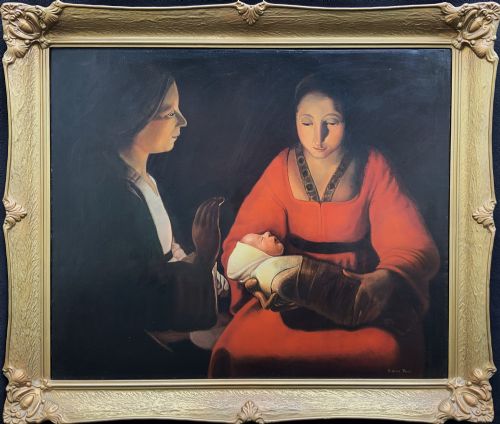
When you search for baroque style oil canvas, you encounter dramatic portraits and classical narratives rendered with rich chiaroscuro and elaborate frames.
Baroque Style Oil Canvas
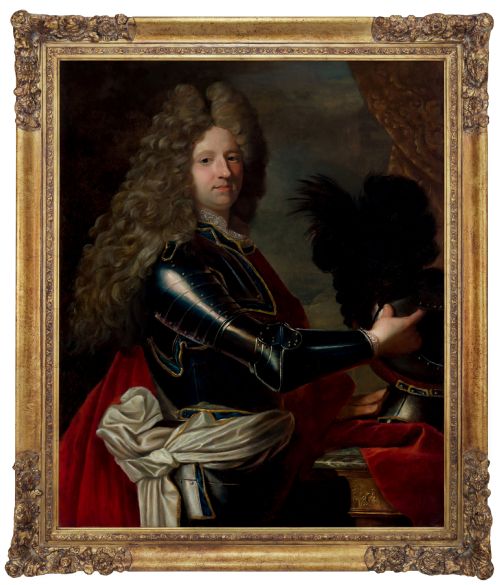
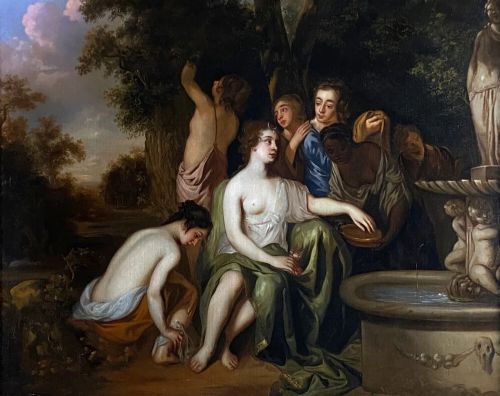
Baroque style oil canvas works encompass grand portraiture, mythological scenes, and still life compositions originating predominantly from the seventeenth and eighteenth centuries, alongside later nineteenth-century interpretations. These paintings capture deep emotional intensity, theatrical lighting, and opulent subjects ranging from royalty in armour to intricate floral arrangements.
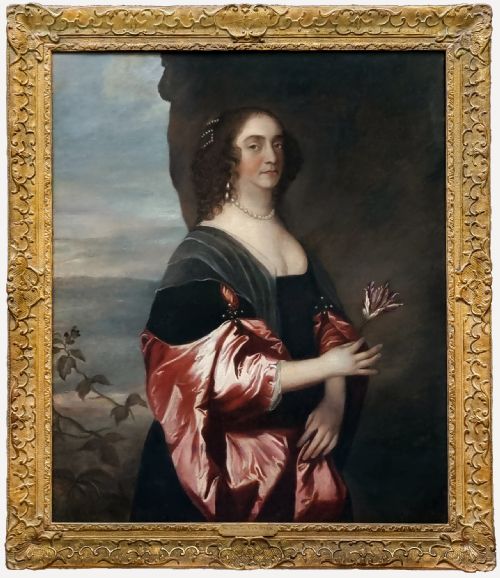
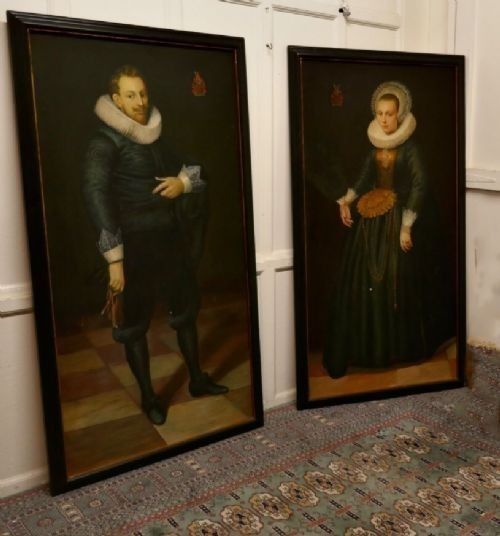
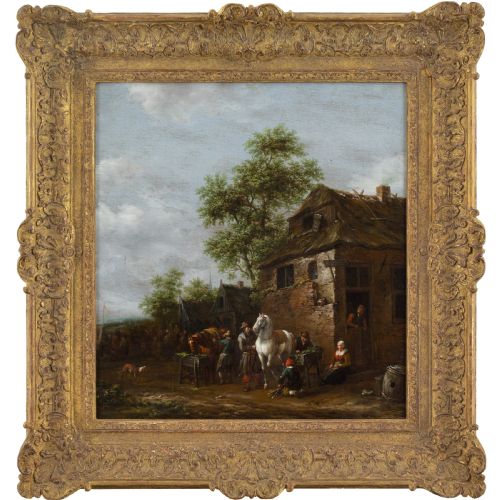
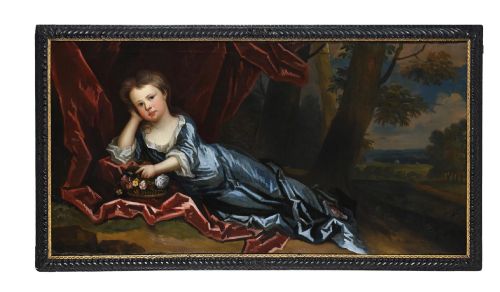
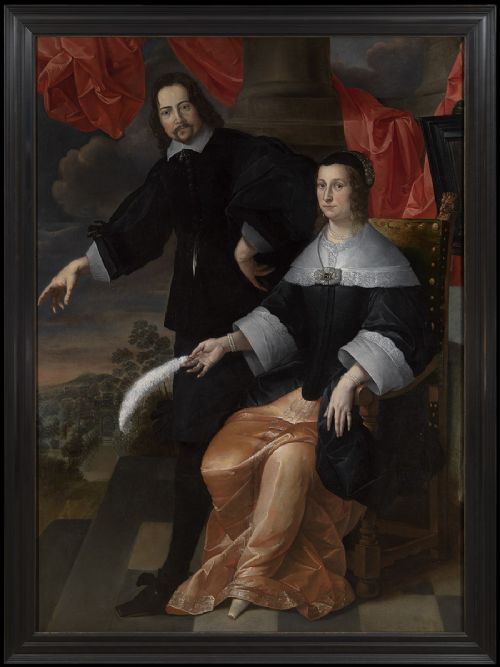
You will frequently encounter period pieces and later studies associated with the Dutch Golden Age, Flemish schools, and Italian workshops. The selection on this page includes large-scale portrayals of noble figures set in carved giltwood frames, as well as pastoral and genre subjects.
The category bridges authentic historical artefacts from continental schools with subsequent revivals from the nineteenth and twentieth centuries. Each canvas reflects the monumental scale and dramatic presence characteristic of the movement.
How They Were Made
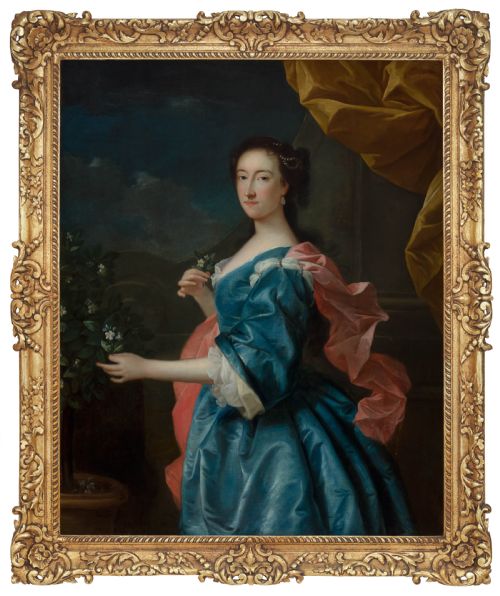
Painters utilised oil paint applied to woven canvas supports, building rich layers of pigment to achieve deep shadows and luminous highlights. This technique allowed artists to manipulate light across fabrics like satin and velvet, and render complex facial expressions with striking realism.
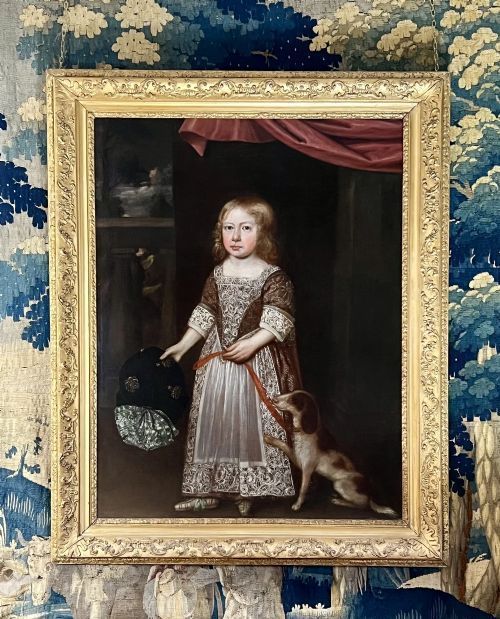
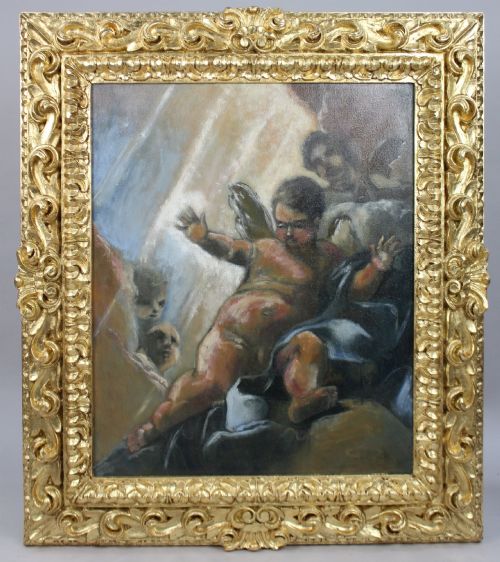
Many works are housed within their original or period-appropriate wood and giltwood frames, often heavily carved to complement the grandeur of the canvas within. The synergy between the painted surface and the gilded surround defines the physical presence of these pieces.
Several portraits capture noble subjects posing alongside unexpected companions, including watchful hounds, exotic birds, and even orange trees.
What Varies in Quality
The standard of a baroque style oil canvas depends upon the sureness of the brushwork and the psychological depth captured in the subject's expression. Master works demonstrate confident handling of drapery and anatomy, whereas secondary studio pieces can display stiffness in pose or formulaic rendering of background details.
The preservation of the pigment layer and the structural integrity of the canvas and stretcher frame heavily influence the integrity of the piece. Furthermore, the craftsmanship of the accompanying carved wood and gilt frame contributes significantly to the overall stature of the artwork.
Georges de La Tour·Sir Peter Lely·John Hayls·Jeremiah Davison·Charles D’Agar·Bartholomeus van der Helst·Trajan Hughes·Pieter Borseler·Joseph Vivienne·Sir Anthony van Dyck·Frans Hals·Godfried Schalcken·Nicolaes Maes·David Teniers·Simon Pietersz Verelst·Francesco Solimena·Nicolas Fouché·Sir Godfrey Kneller·Claude Lorrain·Domenico Zampieri·Marmaduke Cradock·Jacob Bogdani·Nicolas De Largillière·Rembrandt van Rijn
The Baroque Style Oil Canvas Glossary
- Baroque
- A European artistic style originating around sixteen hundred, characterised by drama, deep shadow, and rich detail. It prioritises movement and tension over classical stillness.
- Chiaroscuro
- An Italian artistic term describing the strong contrast between light and dark across a canvas. This technique creates a three-dimensional volume in figures and dramatic focal points.
- Giltwood
- Timber that has been coated with a thin layer of gold leaf or gold paint. It is commonly found on the ornate frames enclosing seventeenth and eighteenth-century paintings.
- Old Master
- A term used to describe a skilled European artist working before eighteen hundred, or a painting created by such a hand. It denotes traditional academic training and historical pedigree.
- Provenance
- The documented history of ownership of an artwork from its creation to the present day. Clear records help establish authenticity and past exhibitions.
Baroque Style Oil Canvas: Frequently Asked Questions
How do I identify a seventeenth-century portrait?
Seventeenth-century portraits are typically distinguished by the subject's attire, such as lace ruffs, elaborate armour, or velvet robes, alongside specific painting techniques like dark, moody backgrounds with concentrated lighting on the face.
Examining the construction of the canvas support and any historical inscriptions on the stretcher bars can also provide vital clues regarding the age and origin of the artwork.
What is the difference between an original and an after piece?
An original painting is a primary work executed by the master artist or their direct workshop during the period. An 'after' piece is a subsequent study or copy created by another artist referencing a well-known composition.
Both hold historical interest, but originals generally carry greater significance for collectors due to their direct connection to the creator.
How should I care for an oil painting on canvas?
Oil paintings require stable environmental conditions away from direct sunlight, excessive heat, and rapid humidity fluctuations to prevent the canvas from sagging and the paint from cracking. Dusting should be undertaken very gently using a soft, dry brush without applying pressure to the pigment.
Professional conservation should be sought if cleaning or canvas tightening becomes necessary.
Why do these paintings feature elaborate gilt frames?
Elaborate giltwood frames were designed to complement the theatricality and grandeur of baroque artwork, serving as an architectural threshold between the painting and the room. The reflective gold surface enhances the warm tones and dramatic lighting within the canvas.
Many period frames are artworks in their own right, featuring intricate hand-carved motifs.