

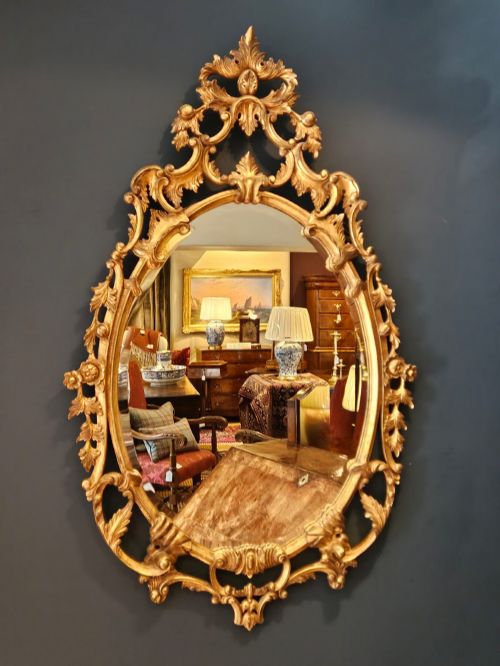


Baroque Style Gold Mirror
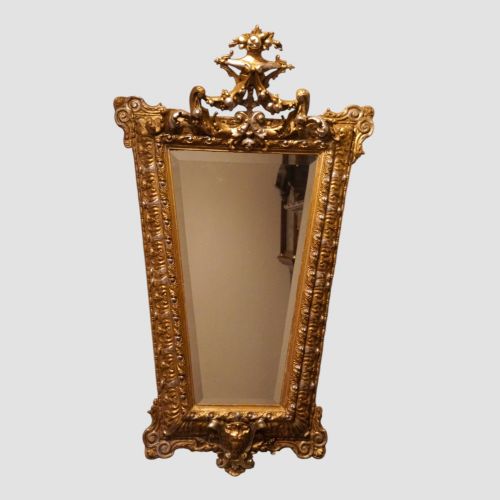
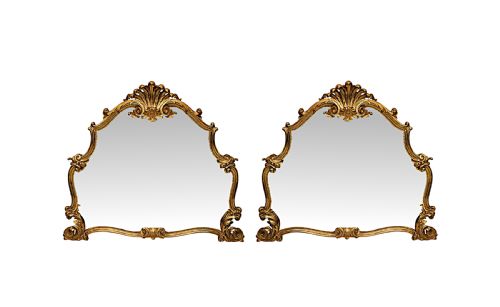
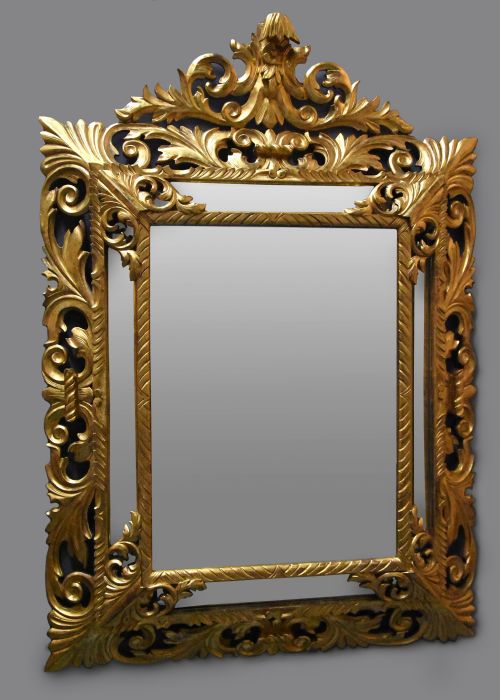
A baroque style gold mirror brings dramatic architectural presence to a room, using ornate gilded frames to catch and reflect the light.
Baroque Style Gold Mirror
A baroque style gold mirror typically draws on heavy ornamentation, scrolling leaf motifs and deep relief carving developed across European workshops from the seventeenth century onwards. Buyers searching this phrase will find a strong representation of Italian and French influences, alongside later revival pieces produced in the Victorian and Edwardian eras.
The physical forms span large overmantel and pier mirrors designed for grand reception rooms, down to smaller cushion frames and dressing mirrors intended for hallways or bedrooms. Italian workshops dominate the selection, often utilising Florentine carving traditions alongside distinct baroque revival frameworks.
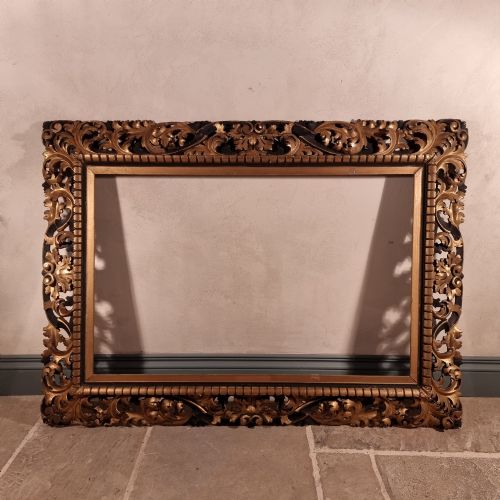
Many items combine architectural depth with reflective mirror glass, though several pieces originate as picture frames repurposed to house modern mirror plates. Dating stretches from authentic seventeenth-century examples through to twentieth-century revivals that retain traditional construction methods.
Materials and construction methods
Makers shaped the structural foundations from solid wood, frequently employing carved timber or layered gesso to build up high-relief scrolls, crestings and floral details. Artisans applied thin sheets of gold leaf or silver leaf over a prepared bole base, burnishing the metallic surface to achieve a warm lustre.
Surface decoration often incorporated hand-carved motifs, ranging from lions' heads to elaborate strapwork, which required considerable manual skill from the woodcarver. Giltwood and gesso layers were applied by hand, creating subtle variations in texture across the frame structure.
Indicators of finer execution
The depth and crispness of the hand carving distinguish higher quality frames from simpler moulded versions, as skilled carvers undercut the wood to create true three-dimensional projection. Superior pieces display smooth transitions across scrolling acanthus leaves and retain the original gold leaf surface rather than later repaint applications.
The integrity of the underlying wooden frame and the quality of the gesso application dictate how well the piece survives centuries of environmental change. Heavier architectural mirrors require robust corner joinery to support the weight of the frame and the heavy glass plates.
The Baroque Style Gold Mirror Glossary
- Giltwood
- Wood that has been coated with thin sheets of gold leaf over a prepared gesso and bole ground. This technique creates a durable, luminous metallic finish traditional to antique frames.
- Gesso
- A plaster-like mixture applied to wood frames to provide a smooth surface for gilding and deep relief moulding. It allows carvers to crisp up intricate decorative details.
- Cushion mirror
- A mirror featuring a convex frame profile that slopes outwards towards the edges, often associated with seventeenth-century and later revival designs.
- Pier glass
- A tall mirror specifically designed to hang on the narrow section of wall between two windows. These pieces frequently match console tables placed directly beneath them.
- Overmantel mirror
- A large horizontal mirror proportioned to hang on the wall directly above a fireplace mantelpiece. They often incorporate elaborate crestings to draw the eye upward.
Baroque Style Gold Mirror: Frequently Asked Questions
Where should I hang a large gilt mirror?
These mirrors suit principal living spaces, dining rooms, and generous hallways where their reflective qualities can bounce natural light deeper into the room. Placing them above a fireplace mantel or a console table creates a balanced architectural focal point.
Ensure the wall construction can support the substantial weight of carved wooden frames. Heavy fixings anchored directly into masonry or solid studs are essential for safe installation.
How do I distinguish an older frame from a revival piece?
Examine the construction of the wooden backing, the joinery at the corners, and the wear patterns on the gold leaf surface. Older pieces often show hand-cut joins and natural shrinkage cracks within the gesso layers.
Revival pieces produced during the Victorian or Edwardian periods mimic earlier seventeenth- and eighteenth-century aesthetics using period-appropriate woodworking techniques, making material analysis crucial for accurate dating.
Are these mirrors suitable for bathrooms?
High humidity and moisture can damage traditional gesso and gold leaf surfaces, causing the metallic finish to lift or flake over time. It is best to avoid placing antique gilded frames in unventilated bathrooms.
Dry hallways, bedrooms, and reception rooms provide a stable environment that preserves the delicate preparation layers beneath the gold leaf.
What is the difference between a picture frame and a mirror?
Picture frames were originally constructed to enclose canvas artworks, whereas mirrors incorporate internal rebate depths designed to hold heavy reflective glass plates. Many items listed as mirrors started life as decorative frames adapted with new glass.
Both forms share identical carving styles and gilding techniques, particularly within Florentine and baroque revival traditions where frame profiles remained interchangeable.