



Baroque Religious Oil Painting
A baroque religious oil painting brings centuries of devotional devotion and dramatic chiaroscuro into a room through layered pigments on canvas or wood.
Baroque Religious Oil Painting
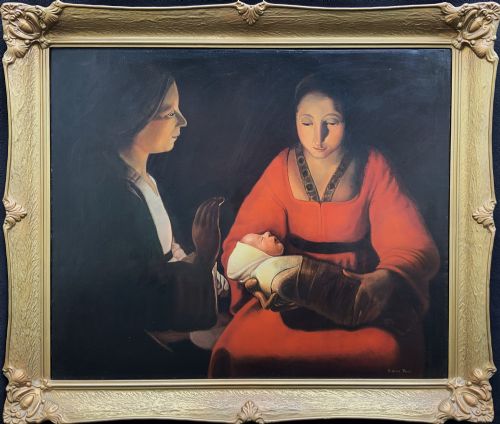
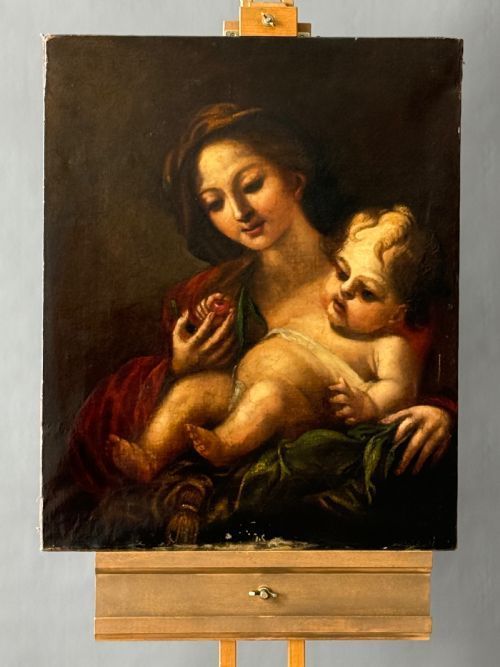
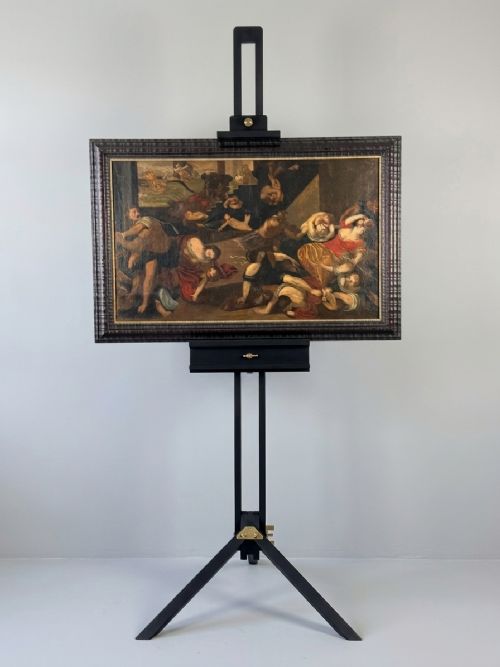
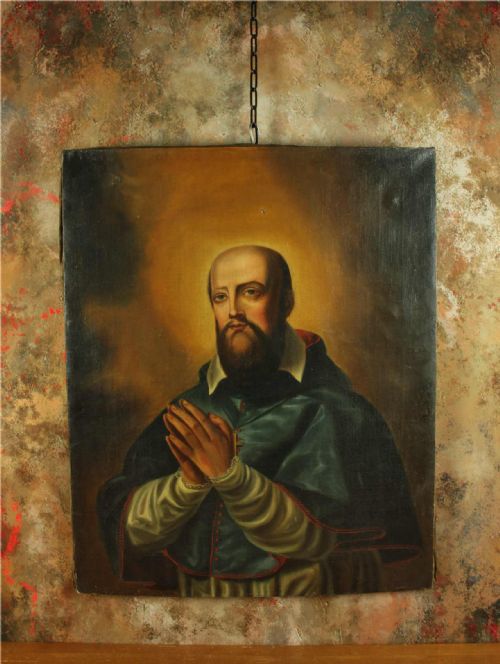
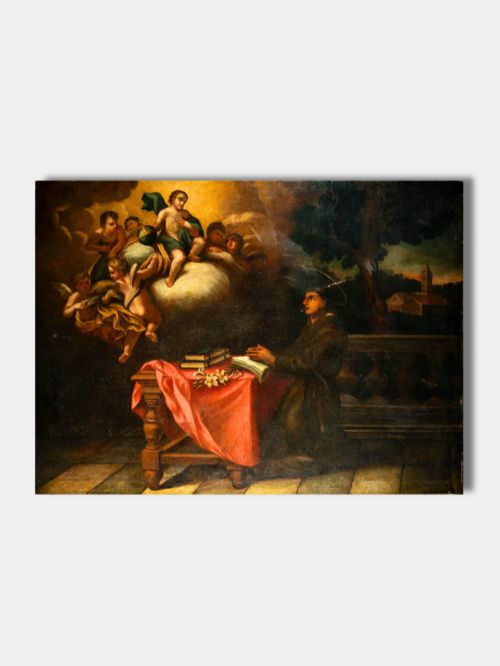
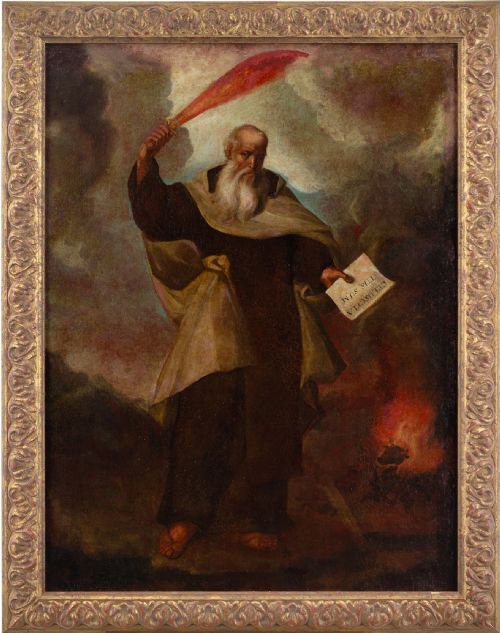
A baroque religious oil painting captures sacred figures, saints, and biblical narratives through intense theatrical lighting and emotive compositions. The selection centres heavily on seventeenth-century and eighteenth-century works originating from Italian, Spanish, French, and Hessian schools.
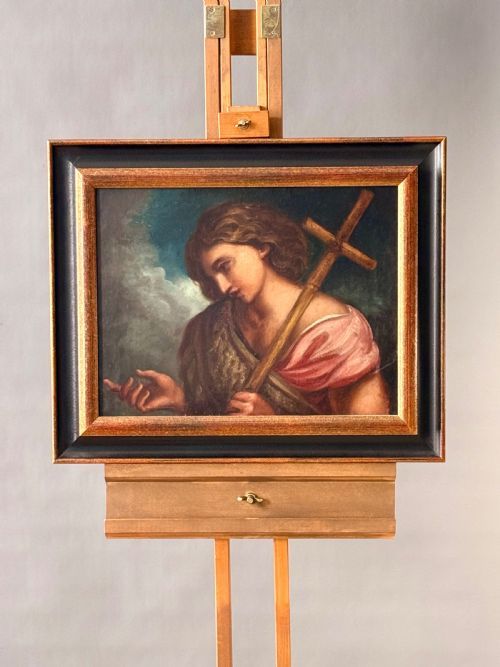
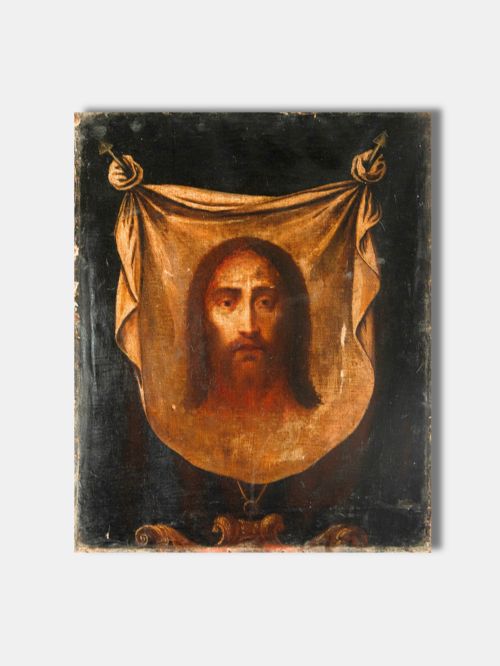
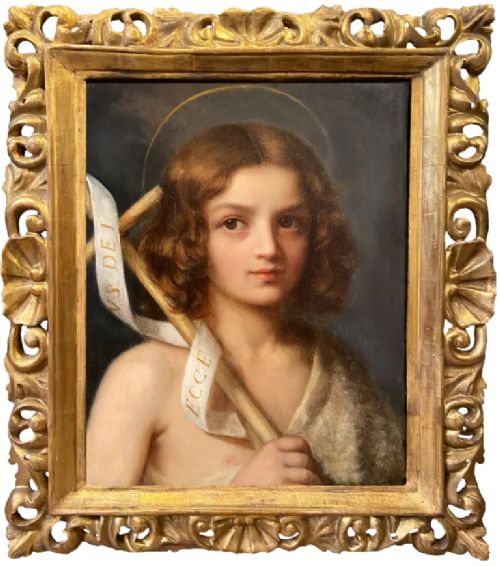
Buyers encounter devotional portraits, monumental altarpieces, and intimate panels depicting subjects such as the Virgin and Child, Saint John the Baptist, and various penitent saints. Alongside authentic period works, the selection includes later revivals and copies after masters like Murillo or Georges de La Tour.
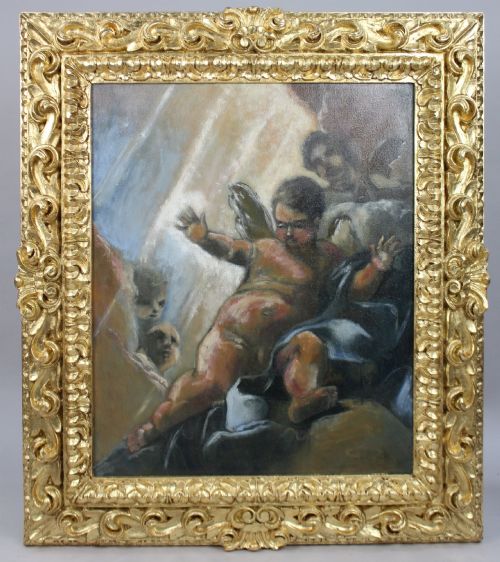
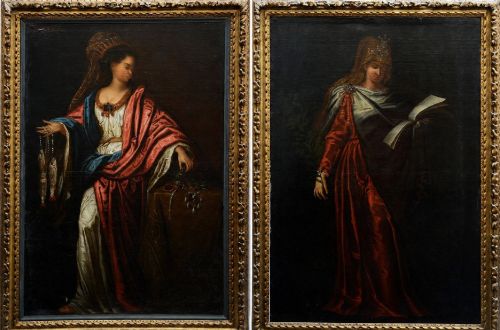
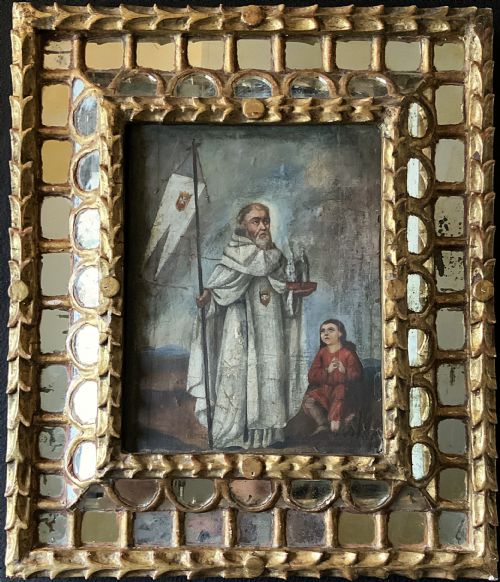
These canvases and panels frequently sit within their original or period-appropriate carved gilded wood frames, completing the historical presentation of the artwork.
Materials and construction
The primary support for these works is woven canvas, though fruitwood panels appear in specific regional examples from the period. Pigments bound in oil paint were applied in layered glazes to build up deep shadows and luminous highlights characteristic of the style.
Surviving pieces are frequently housed in ornate giltwood or gilded wood frames, which were carved to complement the religious subject matter and architectural settings of the era.
Baroque Religious Oil Painting Retail Price Guide 2026
Typical asking prices for baroque religious oil painting among the pieces listed under this phrase on Sellingantiques today, from the lower quarter to the upper quarter. They describe what is for sale here now, not the wider market.
Listings feature oil paintings on both canvas and fruitwood panels, spanning the seventeenth and eighteenth centuries.
Assessing quality and execution
The distinction between ordinary workshop production and master execution lies in the handling of facial expression, anatomical proportion, and the mastery of light. Superior paintings demonstrate confident brushwork that defines drapery and flesh with psychological depth.
Condition and originality play a significant part in the standing of a piece, particularly the stability of the oil paint layer and the preservation of the underlying canvas or wood panel against historical interventions.
Francesco Solimena Workshop·Juan Ruiz Soriano·Gaspar de Figueroa·Gian Lorenzo Bertolotto·Pompeo Batoni Studio
The Baroque Religious Oil Painting Glossary
- Chiaroscuro
- The strong contrast between light and dark used to give three-dimensional volume to figures. This technique defines the dramatic intensity found across seventeenth-century devotional art.
- Old Master
- A term applied to European painters of skill working before the nineteenth century. These artists formed the traditions reflected in Italian, Spanish, and French school paintings.
- Giltwood
- Wood that has been coated with gold leaf or a gold-coloured metallic finish. Frames of this material frequently accompany antique religious canvases.
- Emilian School
- Regional grouping of artists active in the Emilia-Romagna region of Italy. Painters from this tradition contributed significantly to religious iconography.
- Ex-Voto
- A votive offering presented to a saint or divinity in fulfilment of a vow. These portraits often record gratitude for miraculous deliverance or divine intervention.
Baroque Religious Oil Painting: Frequently Asked Questions
How do I identify a seventeenth-century canvas?
Examinations focus on the tightness of the weave, the composition of the ground layers beneath the oil paint, and the natural ageing of the pigments.
Historical stretching methods and hand-carved wooden stretcher bars also provide reliable indicators of seventeenth-century origin.
What is the difference between an Italian school and a Spanish school painting?
Italian school works tend to emphasise classical balance, luminous colour palettes, and graceful poses derived from Renaissance traditions.
Spanish school paintings frequently display a starker, more austere realism combined with intense emotional gravity and profound shadows.
Are these paintings suitable for modern interior lighting?
These works adapt well to domestic environments when protected from direct, harsh sunlight and excessive humidity fluctuations.
Directional picture lights set at low intensities highlight the rich oil glazes without risking long-term damage to the pigment.
Why do many listings attribute works to a circle or follower?
Attributions reflect studio practices where apprentices and followers produced compositions under the direct supervision of a master.
Such designations acknowledge the shared style and technique of a workshop without assigning an unverified signature.