

Baroque Portrait on Canvas
Selecting a baroque portrait on canvas brings historic dignity and sweeping drama into a room through oil paint and woven fabric.
Baroque Portrait on Canvas
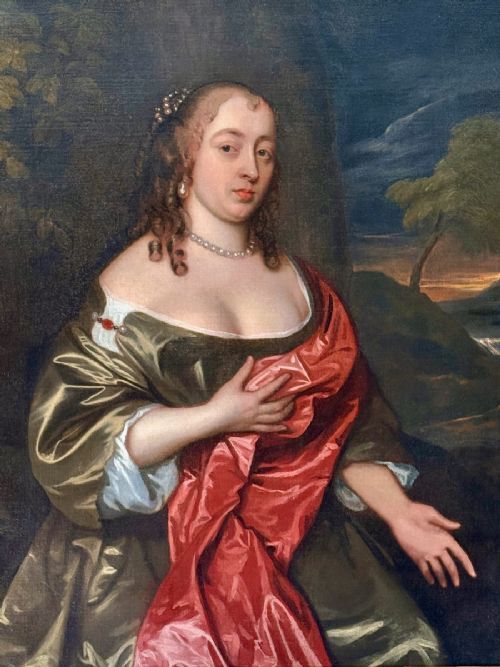
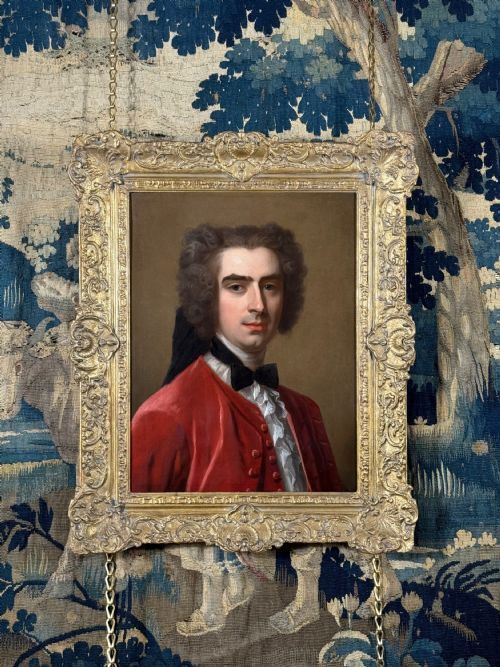
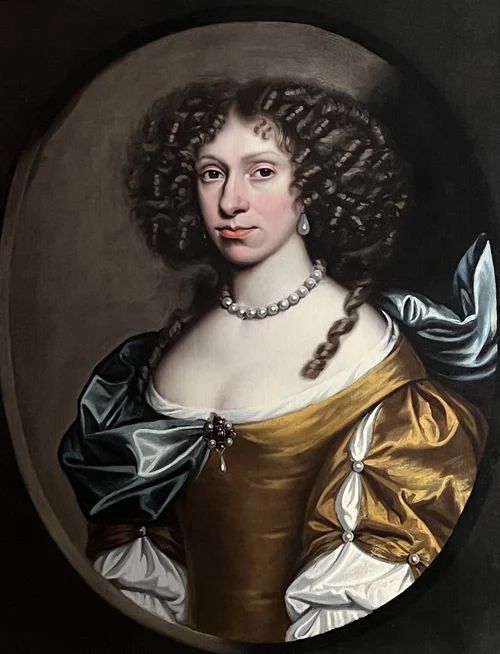
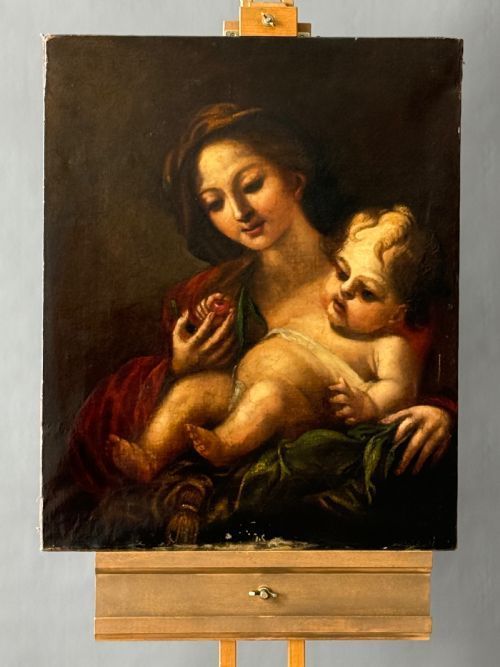
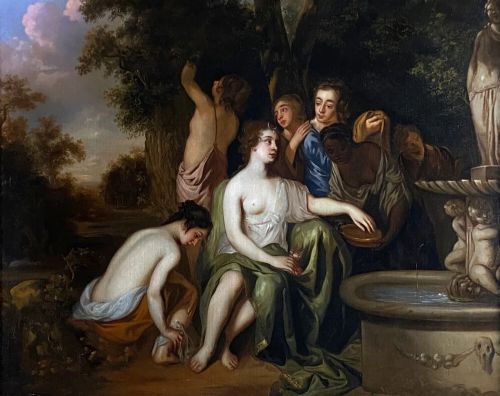
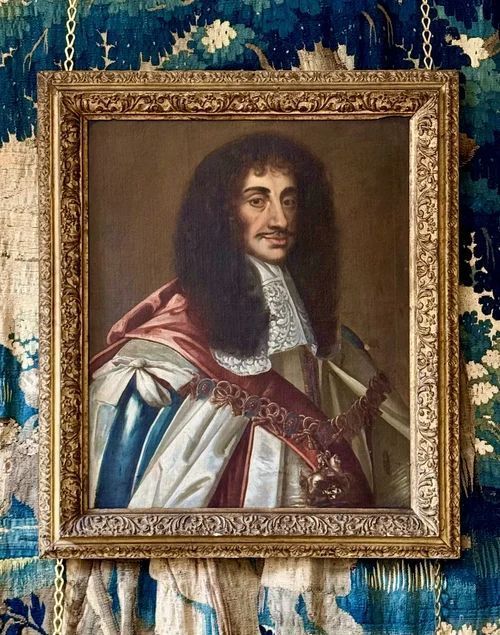
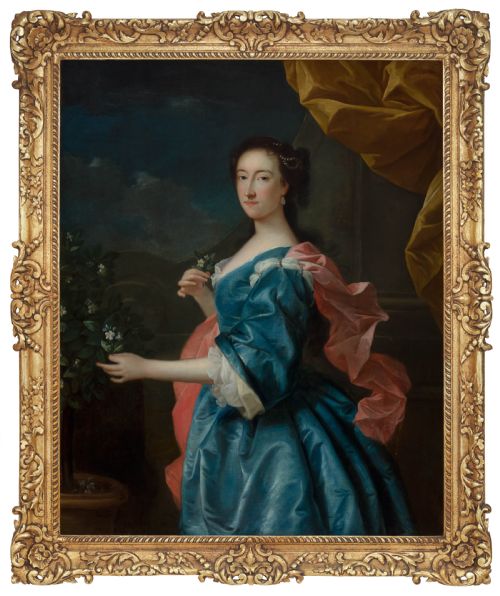
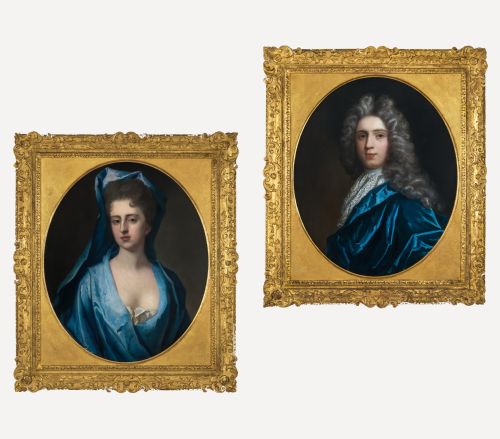
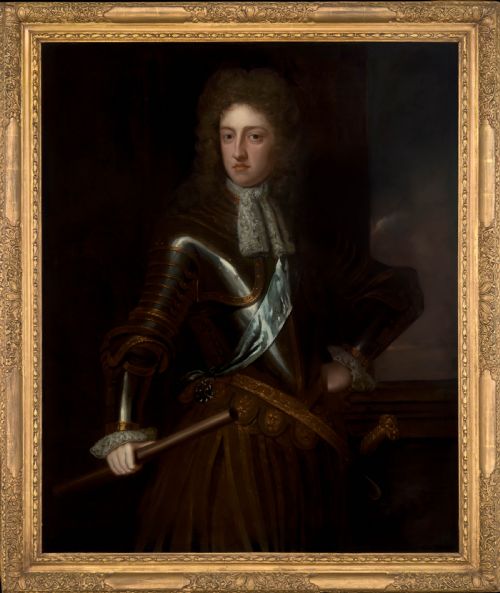
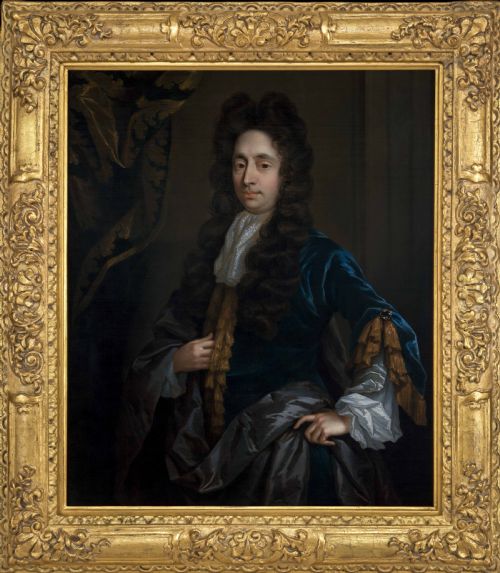
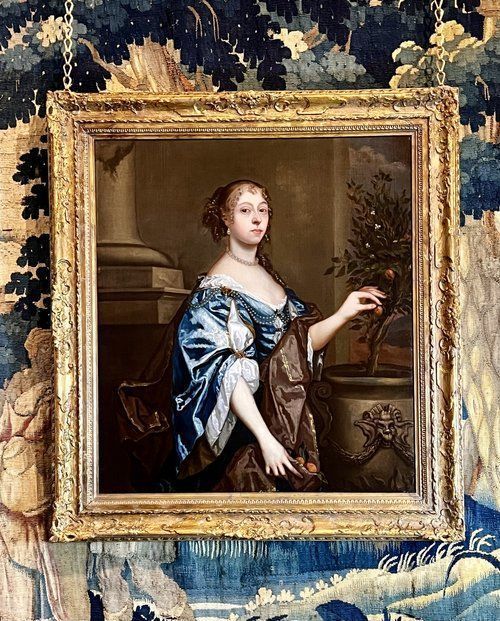
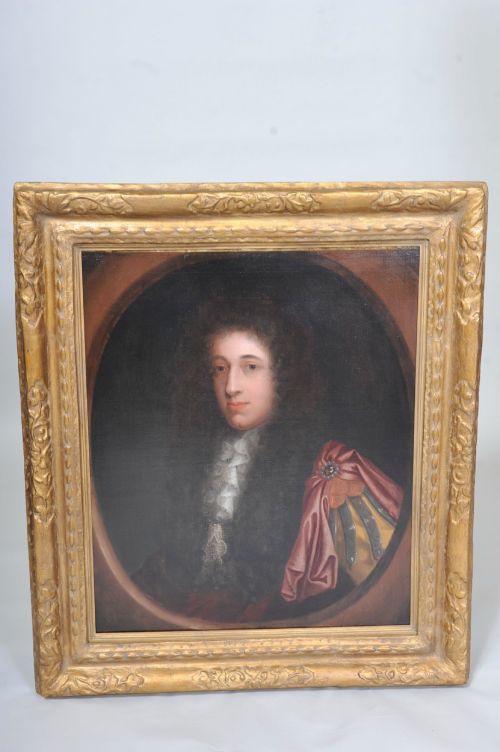
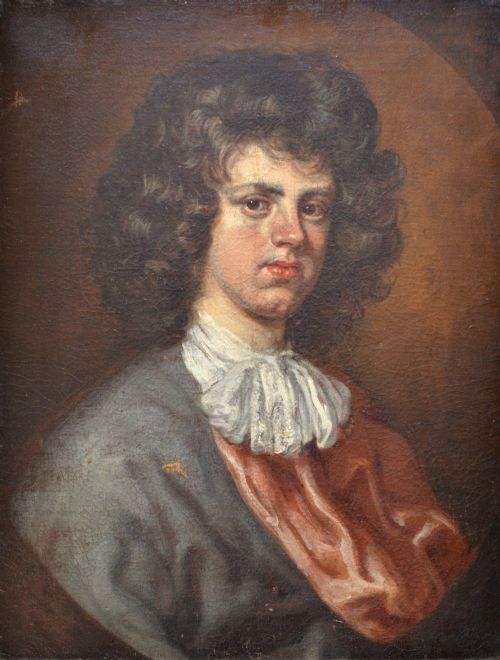
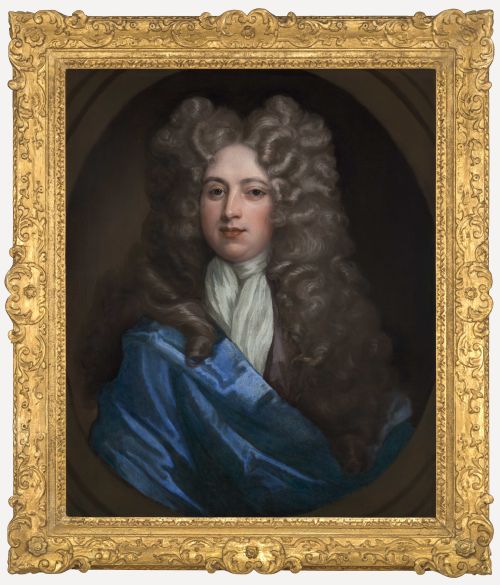
A baroque portrait on canvas represents a significant artistic movement spanning the seventeenth and eighteenth centuries, capturing sitters with dramatic lighting and psychological depth. These works range from formal depictions of nobility and military officers to intimate portrayals of ladies and gentlemen accompanied by symbolic elements like orange trees.
Buyers browsing this category encounter pieces originating from British, Dutch, French, German, and Italian schools. The selection spans authentic seventeenth and eighteenth-century creations alongside later interpretations, all sharing the foundational oil on canvas medium.
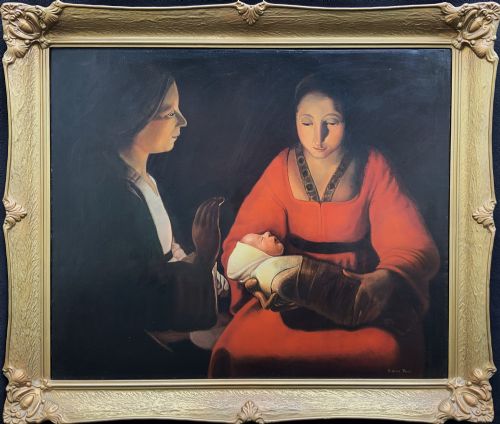
The subjects extend beyond individual sitters to include classical mythological scenes, religious figures, and pairs of paintings depicting sibyls. Such artworks establish an authoritative focal point within an interior, reflecting the grand aesthetic sensibilities of the period.
Markers of distinction
Quality in these portraits rests upon the subtlety of brushwork and the psychological presence conveyed by the artist. Master works from established studios or named hands exhibit superior handling of drapery, lace, and facial expression compared to routine workshop productions.
The survival state of the canvas and the integrity of the underlying paint layer dictate much of the enduring value. Original stretches of canvas paired with period carved giltwood frames elevate the overall cohesion of the piece.
Listings feature works from the seventeenth and eighteenth centuries alongside later nineteenth-century interpretations and mid-twentieth-century revivals.
Jean Baptiste Van Loo·Sir Peter Lely·Sir Godfrey Kneller·John Michael Wright·Constantyn Netscher
The Baroque Portrait on Canvas Glossary
- Baroque
- A European artistic style originating around sixteen hundred, noted for drama, exuberant detail, and deep shadow. It dominated visual arts through the seventeenth century.
- Oil on Canvas
- A traditional painting medium where pigments suspended in drying oils are applied to stretched fabric. This technique allowed for rich blending and textured surfaces.
- Giltwood
- Wood that has been decorated with gold leaf or gold paint. This material was standard for framing significant paintings of the period.
- Old Master
- A term for a European painter of skill who worked before about eighteen hundred. These artists formed the backbone of classical portraiture.
- Periwig
- A voluminous artificial hair wig popular among men during the late seventeenth and early eighteenth centuries. Its presence helps date portraits accurately.
Baroque Portrait on Canvas: Frequently Asked Questions
How do I date a portrait?
Dating relies heavily on the clothing styles, hairstyles such as periwigs, and framing techniques visible in the artwork. Comparing these elements with documented portraiture traditions helps narrow down the decade of creation.
Artists working within specific regional schools also adopted distinct conventions that changed predictably across the seventeenth and eighteenth centuries.
Were these painted from life?
Many formal portraits were painted from live sittings, though prominent workshops often produced multiple versions or copies of important subjects. Studio assistants frequently painted the drapery and background elements while the master focused on the likeness.
Commissioned pieces for nobility recorded specific individuals, whereas generic or mythological scenes served decorative purposes within grand homes.
How should I hang an oil painting?
Oil paintings on canvas require stable environmental conditions away from direct sunlight, dampness, and rapid temperature fluctuations. Proper picture hooks secured into masonry or studs are essential to support the weight of heavy giltwood frames.
Maintaining consistent indoor humidity prevents the canvas from slackening and protects the delicate oil layers from cracking.
What does circle of an artist mean?
This attribution indicates that the work was produced by an unidentified painter closely associated with a master's studio. These artists absorbed the exact techniques and stylistic traits of the named painter without being the master himself.
Such works offer high artistic quality reflective of a major master's immediate working environment.