



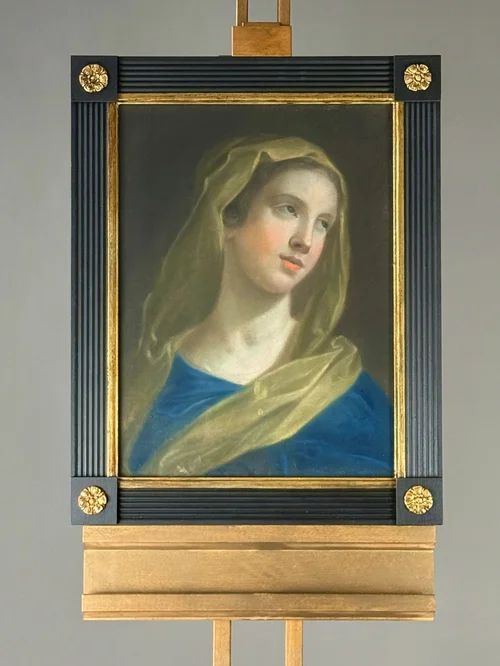
Baroque Portrait in Gilt Frame
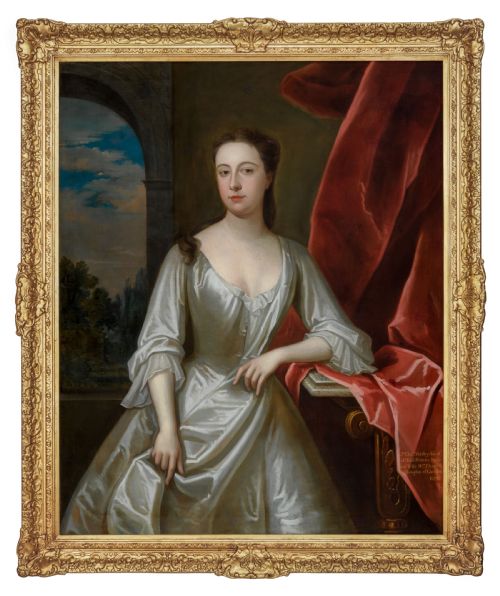
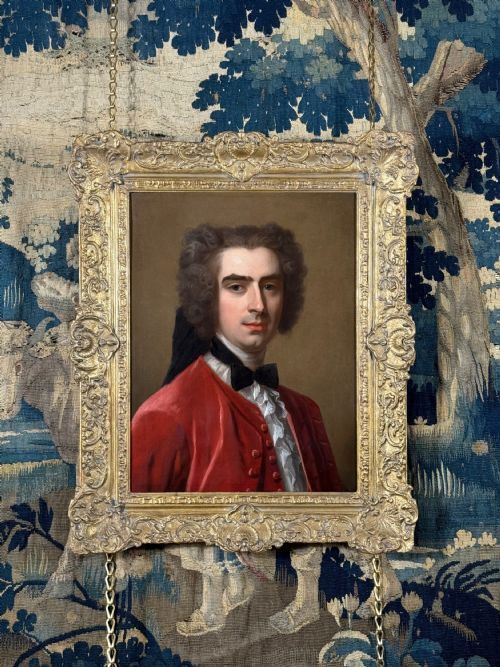
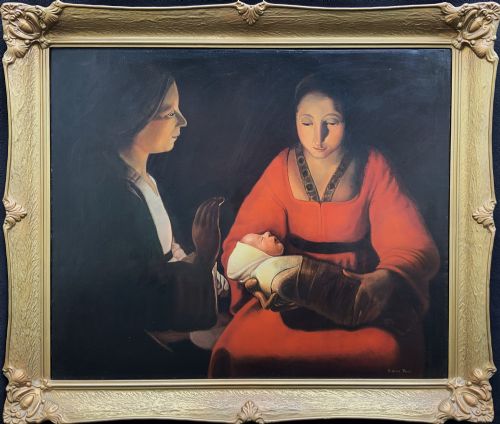
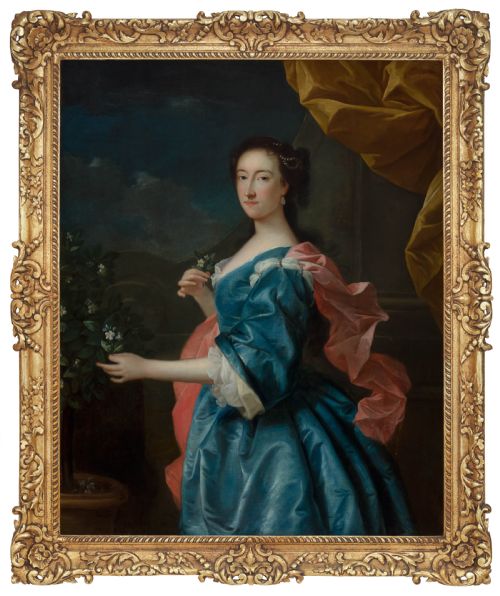
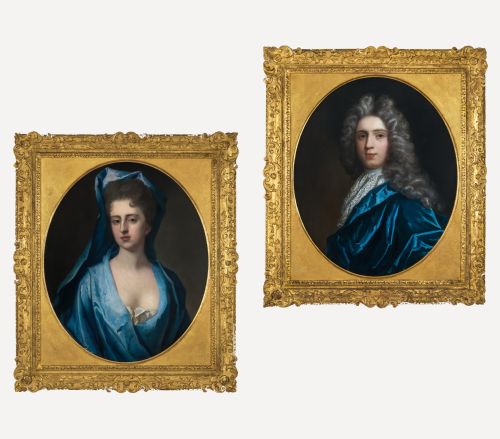
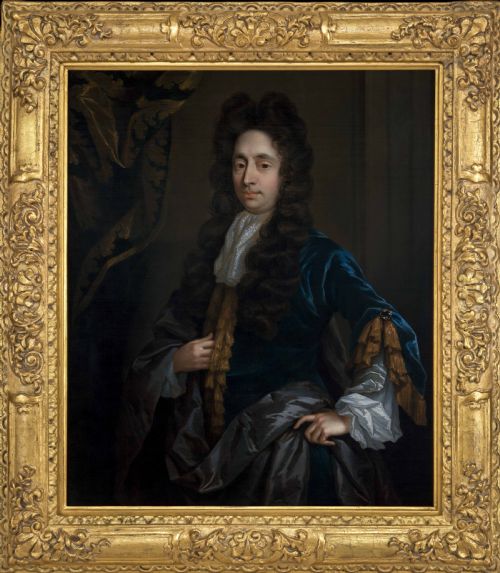
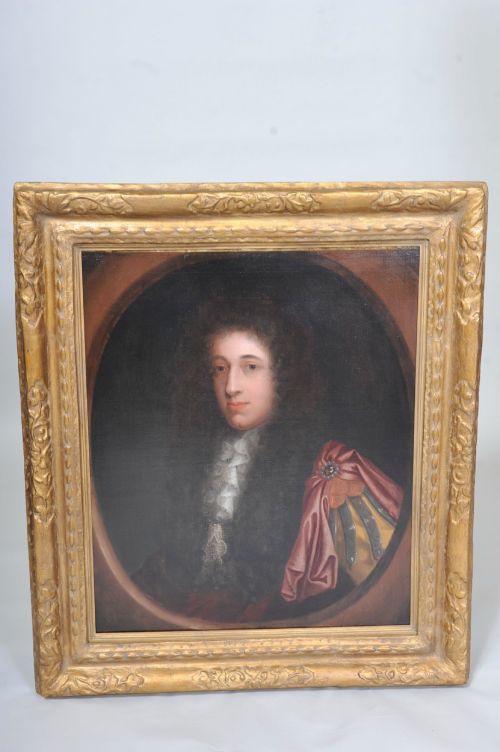
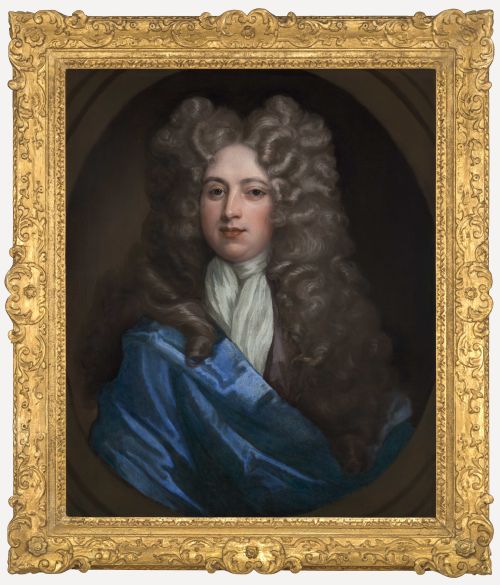
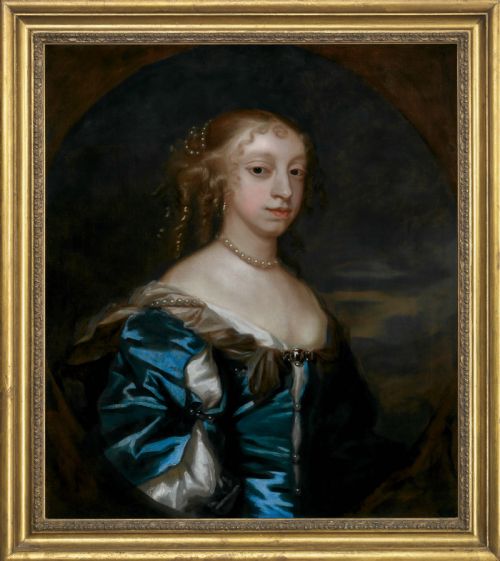
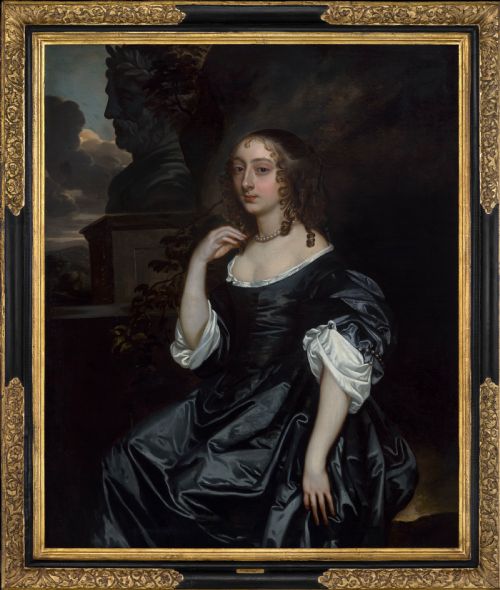
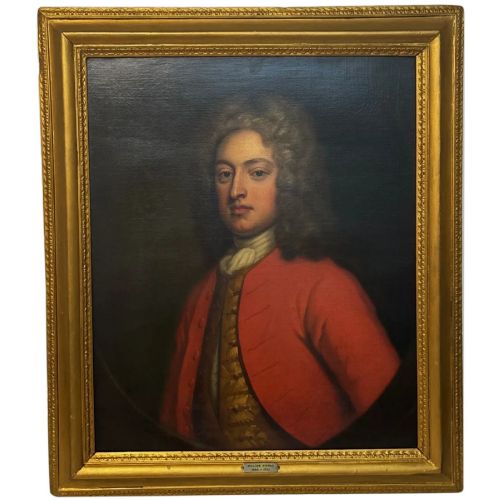
A baroque portrait in gilt frame captures courtly gravity through dramatic oil paint and opulent carved wood.
Baroque Portrait in Gilt Frame
A baroque portrait in gilt frame represents the grand likenesses of nobility, officers, and scholars executed during the seventeenth and eighteenth centuries across English, French, Dutch, and Italian schools. These works typically depict sitters in rich garments, armour, or academic robes, often accompanied by classical drapery, gardens, or architectural columns.
How They Were Made
Artists built these compositions using oil paint on stretched canvas, layering pigments to achieve deep shadows and luminous highlights typical of the period. Canvases were prepared with gesso grounds before painters applied rich tones for velvet coats, lace collars, and flesh surfaces.
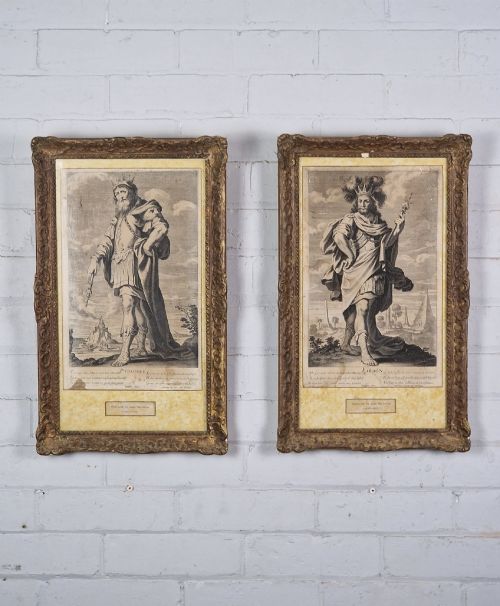
The accompanying surrounds utilise carved giltwood and applied gold leaf, creating ornate mouldings designed to catch ambient light. Joiners constructed these heavy wooden frames with mitred corners, sometimes incorporating intricate scrolling foliage or beaded sight edges.
Several noble sitters gaze past the viewer while clutching oranges, a botanical flex of extreme seventeenth-century wealth.
What Varies In Quality
The hierarchy of these works rests upon the mastery of anatomical drawing, the expressive rendering of the sitter's hands and face, and the handling of fabric textures. Superior examples reveal confident brushwork in the lace and drapery executed by named masters or accomplished studio hands, whereas lesser pieces display rigid proportions and formulaic background details.
Frame construction also dictates overall value, separating original carved giltwood housing from later replacement mouldings. High-grade pieces retain their contemporaneous frames with crisp relief work and undisturbed gilding that complement the depth of the canvas within.
Sir Godfrey Kneller·Sir Peter Lely·Michael Dahl·Sir Anthony van Dyck·Thomas Murray
The Baroque Portrait in Gilt Frame Glossary
- Baroque
- A European artistic style spanning the seventeenth and early eighteenth centuries characterised by drama, deep shadow, and rich ornamentation. This aesthetic emphasised dynamic movement and grandeur in portraiture.
- Giltwood
- Timber, typically carved pine or oak, coated with gold leaf or metallic powder over a prepared gesso base. This material provided opulent surrounds for elite paintings.
- Periwig
- A voluminous artificial hairpiece worn by fashionable men during the late seventeenth and early eighteenth centuries. Its cascading curls signify high social status in formal likenesses.
- Mezzotint
- A printmaking process of the tonal engraving category that allows rich dark areas and subtle gradations of light. Artists utilised this technique to replicate painted canvases for wider circulation.
Baroque Portrait in Gilt Frame: Frequently Asked Questions
How do I date a baroque portrait?
Examination of the sitter's clothing, periwig style, and armour provides the most reliable chronological markers. Hairstyles and neckwear evolved rapidly across the seventeenth and eighteenth centuries.
Canvas preparation and stretcher frame construction offer further clues to the age of the work. Dendrochronology of the wood panels or frame timbers can also narrow down the creation period.
What is a studio circle piece?
Paintings attributed to a circle or school denote works produced in close association with a master painter. These pieces reflect the distinctive techniques and workshop practices of the primary artist.
Such portraits frequently emerge from busy ateliers where assistants contributed to drapery and backgrounds. They offer high artistic merit comparable to fully signed masterworks.
How should I hang a gilt frame?
Heavy giltwood frames require secure wall fixings anchored directly into masonry or substantial studwork. Professional mirror and picture hangers utilise two-point hanging systems to distribute weight evenly.
Placement away from direct sunlight and stable environmental conditions protect both canvas and gold leaf. Fluctuating humidity causes wood movement that stresses the gesso and gilt surface.