





Scholar Oil Portrait
A scholar oil portrait captures learned men, divines, and thinkers in paint, offering a direct link to centuries of intellectual history.
Scholar Oil Portrait
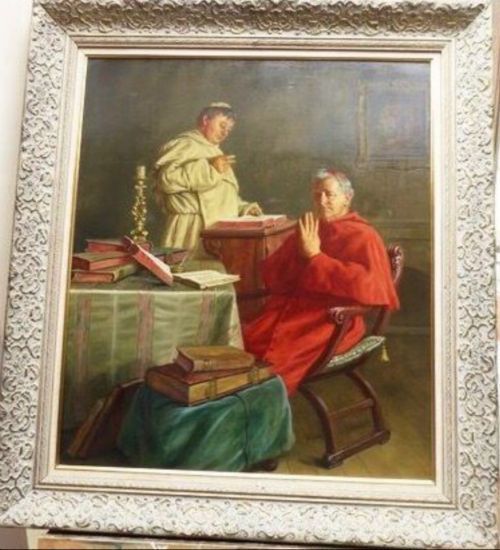
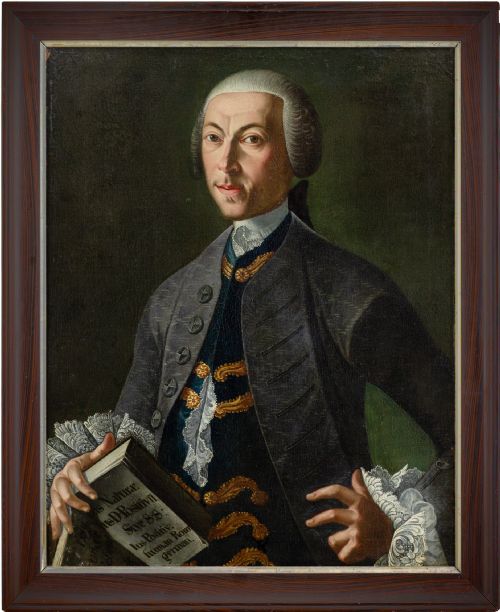
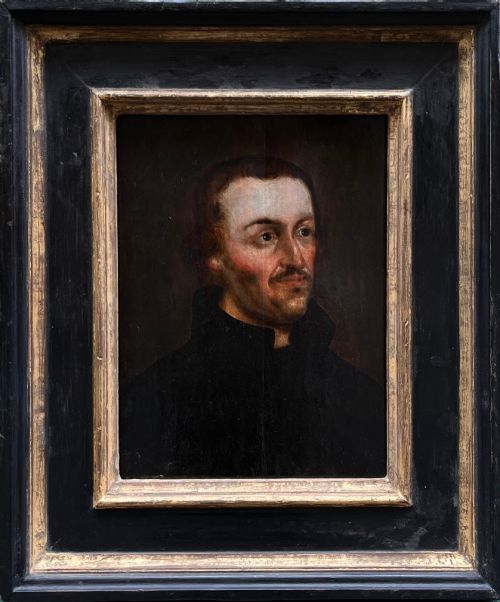
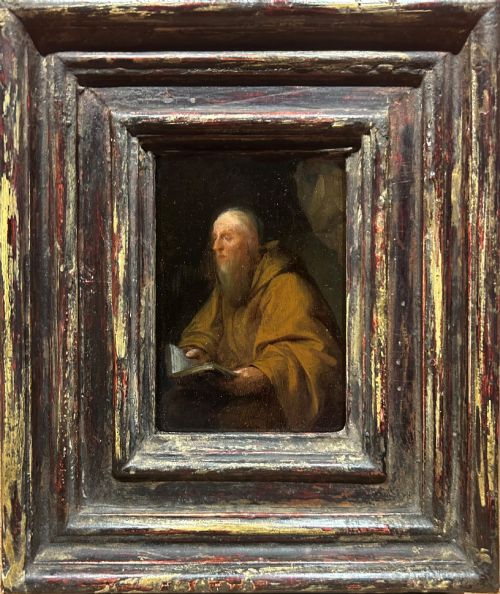
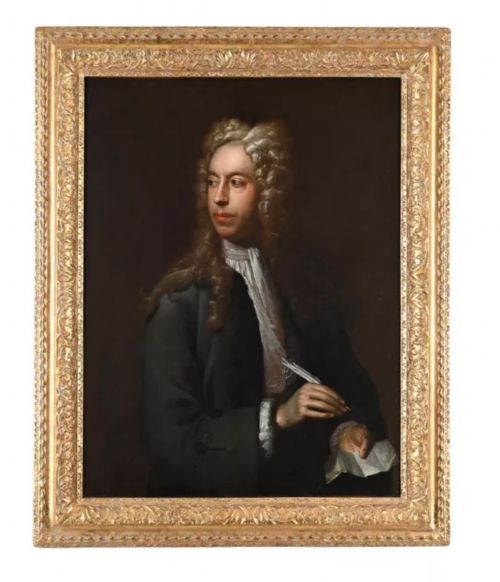
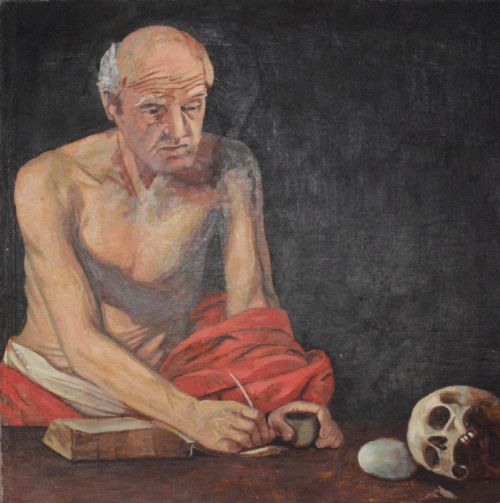
A scholar oil portrait presents figures engaged in study, theology, medicine, or letters, often depicted with books, scrolls, and curtained libraries. These works emerge from diverse regional schools spanning the seventeenth, eighteenth, and nineteenth centuries, including British, Dutch, German, French, Italian, and Spanish examples. A buyer typically encounters depictions of theologians, mathematicians, physicians, and poets whose likenesses were preserved to honour their intellect.
The subjects frequently appear seated beside bookshelves or holding instruments of their craft, reflecting the dignity of learning. Works range from intimate panels to larger canvas studies of saints and historical thinkers. Regional hands reveal distinct approaches to characterisation, from the sober restraint of seventeenth-century English religious portraiture to the ornate drama of continental Baroque schools.
What Varies in Quality
Quality rests upon the handling of facial expression, hand anatomy, and the convincing depiction of textiles and leather-bound books. Superior works capture psychological depth and individual character, whereas weaker studio pieces rely on formulaic repetition of standard scholarly props.
The integrity of the original paint surface and the subtlety of chiaroscuro lighting also divide accomplished portraits from routine iterations. Masterful control over pigment and tone elevates a record of a sitter into a compelling study of intellect.
The selection includes British, Dutch, German, French, Italian, and Spanish regional schools.
Michael Dahl·John Watkins Chapman·John Scougall·John Hoskins·James Ward·Frans Pourbus the Elder·Edward Penny·Gerrit Dou·Joseph Thraves
The Scholar Oil Portrait Glossary
- Oil on canvas
- A painting medium where pigments suspended in drying oils are applied to stretched fabric. This combination provides flexibility and allows for rich colour blending.
- Giltwood
- Wood carved and covered with a thin layer of gold leaf or gold paint. Frames of this material frequently encase formal historical portraits.
- Wood panel
- A flat piece of timber utilised as a rigid painting support before canvas became dominant. Artists often worked on oak or similar hardwoods.
- Baroque
- An artistic style prevalent from the early seventeenth to mid-eighteenth century characterised by dramatic contrast, deep shadows, and emotional intensity. Portraits in this manner emphasise dynamic lighting on the subject.
- School
- A group of artists working in a particular region, period, or under the influence of a master. Attributions often assign anonymous works to a specific national school.
Scholar Oil Portrait: Frequently Asked Questions
What is a scholar oil portrait?
A scholar oil portrait is a historical painting depicting a learned figure, such as a doctor, theologian, poet, or mathematician. These works often include attributes like books, scrolls, or studies to signify the sitter's profession.
Such portraits served to commemorate intellectual achievement, recording the likenesses of notable thinkers across European schools from the sixteenth century onwards.
Who are the typical subjects?
Subjects range from specific historical figures like Martin Luther, John Milton, and Philip Melanchthon to anonymous gentlemen scholars, physicians, and clergymen. Saints and biblical translators also appear in these compositions.
Many sitters were painted with objects denoting their specific field of study, from mathematical instruments to theological texts.
How should I hang one?
These portraits require stable wall environments away from direct sunlight and drastic humidity fluctuations to protect the oil paint and canvas. Proper wall placement ensures the darkened varnishes and deep tones remain visible.
Pairing the work with traditional lighting enhances the chiaroscuro effects intended by the artist.
How do I date these portraits?
Dating relies upon the costume of the sitter, the style of the wig or facial hair, and the framing conventions of the period. Inscribed names, dates, or documentation on the reverse also provide chronological anchors.
Comparative analysis with known regional schools helps narrow the execution window when signatures are absent.