



Baroque Military Portrait
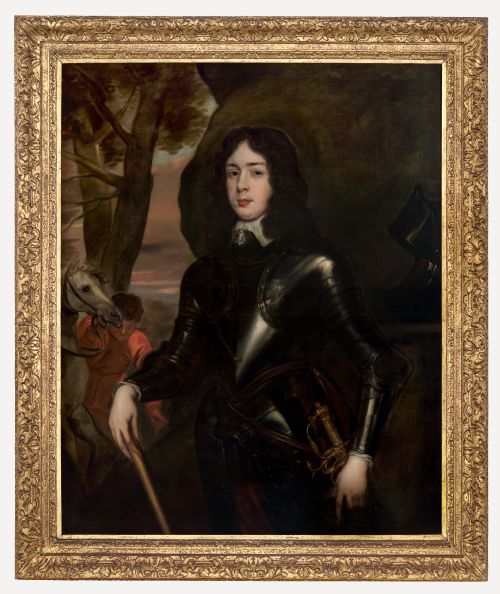
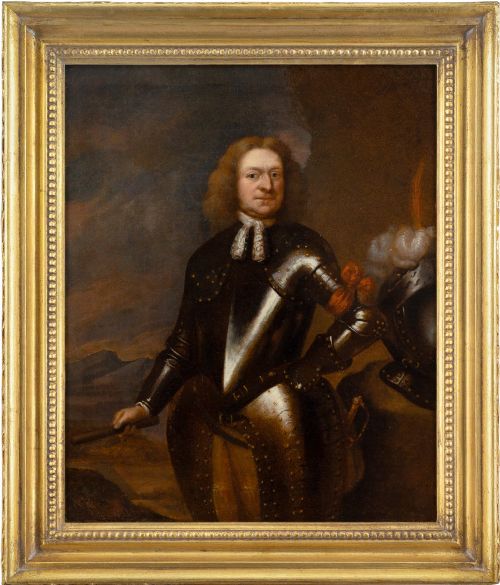
A baroque military portrait captures officers and aristocrats in armour, offering a commanding presence for any wall.
Baroque Military Portrait
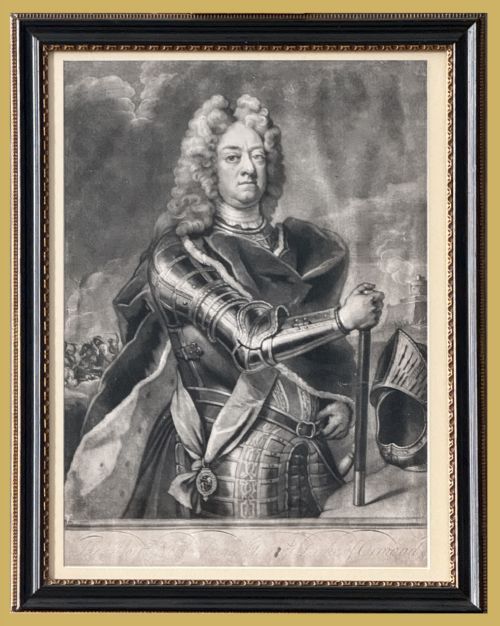
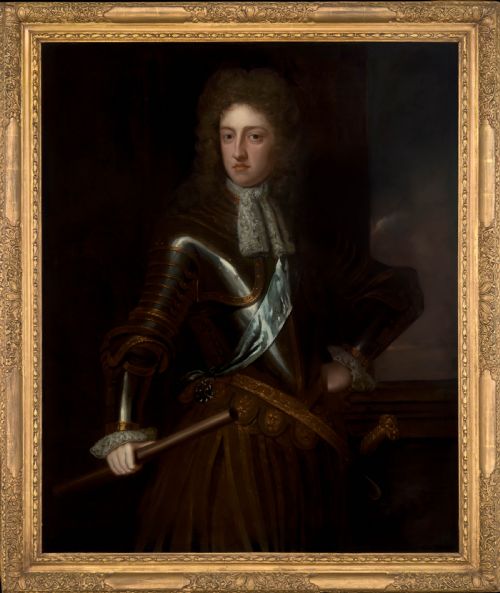
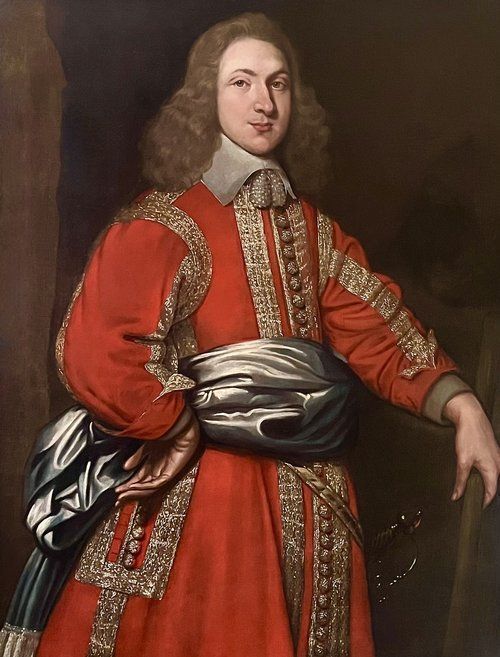
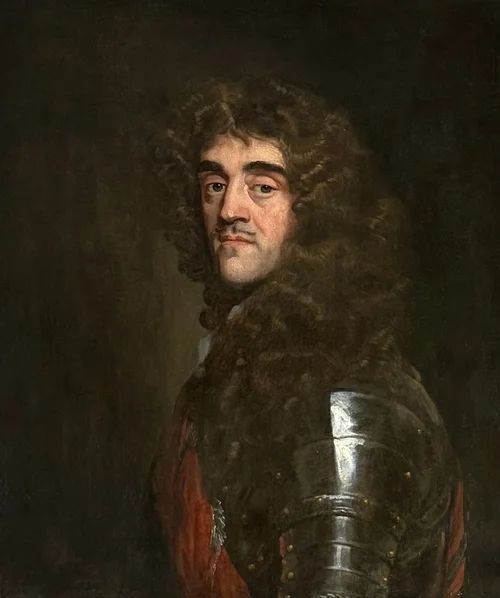
A baroque military portrait presents officers, noblemen, and commanders in armour, sashes, and military dress. These works emerge primarily from the seventeenth and eighteenth centuries, reflecting a period of intense martial and political portraiture.
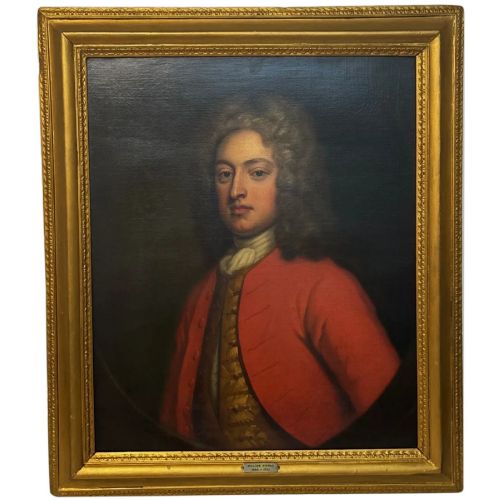
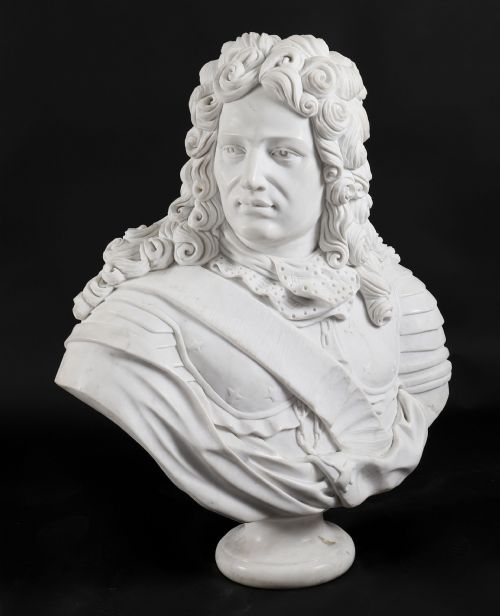
Buyers encounter oil paintings on canvas alongside mezzotint prints and marble busts. The figures depicted often wear heavy steel breastplates, red coats, or dynastic orders such as the Lesser George.
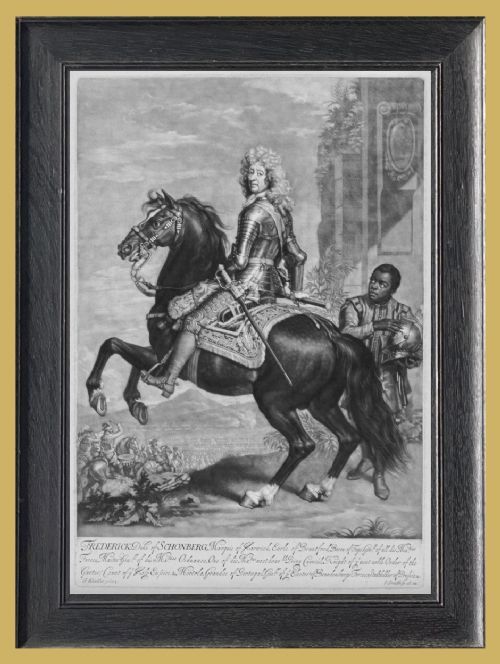
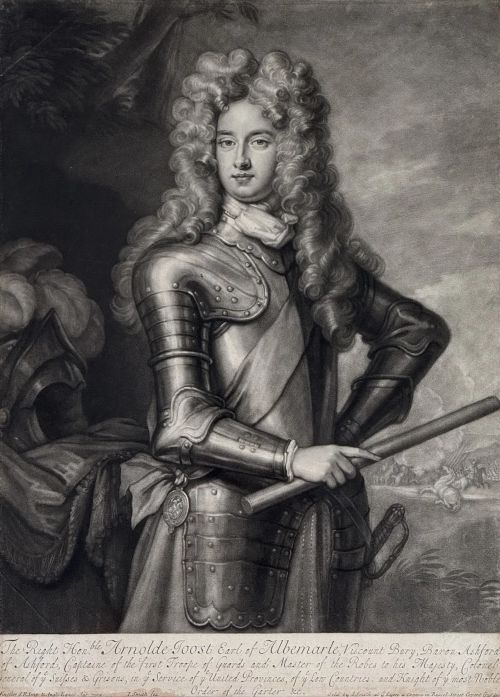
Examples range from seventeenth-century Anglo-Dutch and Flemish school paintings to eighteenth-century mezzotints by printmakers after court painters. Later nineteenth-century revivals and mid-twentieth-century marble sculptures also appear.
Materials and technique
Artists painted primarily with oil on canvas, building deep shadows and rich highlights suited to the theatricality of the style. Mezzotint printmakers worked on metal plates using rocker tools to achieve tonal gradations and velvety dark backgrounds.
Sculptors carved marble into portrait busts of noblemen in armour, while draughtsmen worked with ink and paper for preparatory drawings and works on paper.
Frames of giltwood frequently house these canvases and prints, adding ornate carved borders that complement the grandeur of the subjects.
Styles represented across the inventory include seventeenth-century Baroque, Dutch Golden Age, French Baroque, Rococo, Georgian, and later revival movements.
What separates the tiers
The distinction between tiers rests upon the directness of the hand, ranging from primary studio output by established painters to later interpretations by followers or copyists. Primary works display confident handling of facial expression, steel reflections, and textile folds.
Print quality in mezzotints depends on the early state of the copper plate before wear softens the burr and diminishes the rich contrasts. Sculpted marble pieces vary according to the crispness of the armour detailing and the depth of the carving.
John Simon·Michael Dahl·John Smith·J Sommer·Sir Godfrey Kneller·Sir Anthony van Dyck·Nicolas De Largilliere·David Scougall·Wybrand de Geest·John Closterman·Jean Baptiste Santerre·Samuel van Hoogstraten
The Baroque Military Portrait Glossary
- Mezzotint
- A printmaking process where the copper plate is roughened uniformly to hold ink, then scraped and burnished to create light and shade. This technique produces rich, dark tones well suited to dramatic portraiture.
- Armour
- Protective steel plates worn by officers and noblemen as both practical military gear and a symbol of high status. In these paintings, polished breastplates and pauldrons reflect light to create strong visual contrast.
- Mezzotint portrait
- A printed likeness created via the mezzotint method, often translating large painted canvases into smaller, circulating editions. Many eighteenth-century examples record notable military commanders.
- Giltwood
- Wood carved and covered with a thin layer of gold leaf. This material is standard for ornate period frames designed to enhance oil paintings.
- Mezzotint
- A printmaking method involving a roughened copper plate scraped to produce subtle tonal gradations. It allows for deep shadows and luminous highlights.
Baroque Military Portrait: Frequently Asked Questions
What is a baroque military portrait?
A baroque military portrait is a painting, print, or bust depicting an officer, nobleman, or royal figure in armour and military attire. These works date mainly from the seventeenth and eighteenth centuries.
The style emphasises dramatic lighting, rich textiles, and the tangible weight of steel breastplates, conveying authority and social standing.
Who painted these portraits?
Court painters and portraitists of the seventeenth and eighteenth centuries created these works, often working within prominent European workshops. Notable names include Sir Godfrey Kneller, Sir Anthony van Dyck, and John Closterman.
Printmakers such as John Smith and John Simon also reproduced these images as mezzotints for wider distribution.
How were mezzotint portraits made?
A mezzotint is created by roughening a copper plate with a tool called a rocker so it holds ink across the entire surface. The printmaker then scrapes and burnishes areas to create lighter tones and highlights.
This method allows for smooth gradations of shadow, making it popular for translating grand oil paintings into detailed prints.
How should I hang a large oil painting?
Large oil paintings require sturdy picture hooks rated for the specific weight of the canvas and its heavy giltwood frame. Secure the hanging wire or D-rings directly into wall studs where possible.
Keep the artwork away from direct sunlight, radiators, and damp walls to protect the canvas and paint layers over time.