

French School Portrait Art
French school portrait art encompasses centuries of painted likenesses, capturing nobility, elegant ladies, and gentlemen in oil on canvas, panel, and copper.
French School Portrait Art
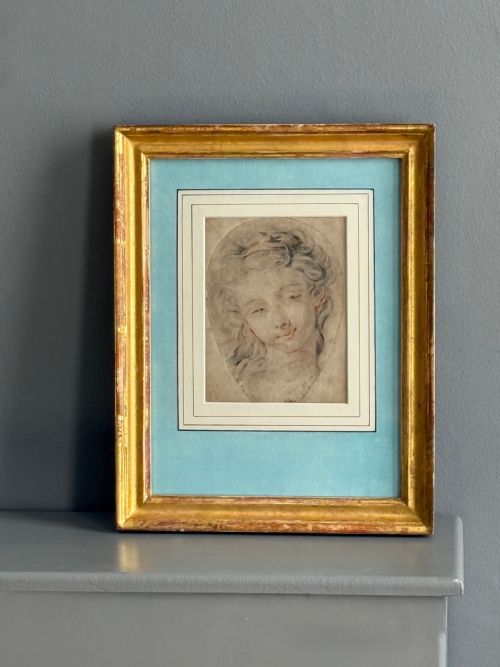
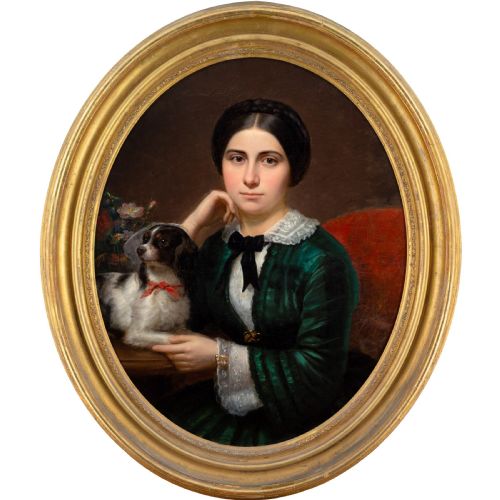
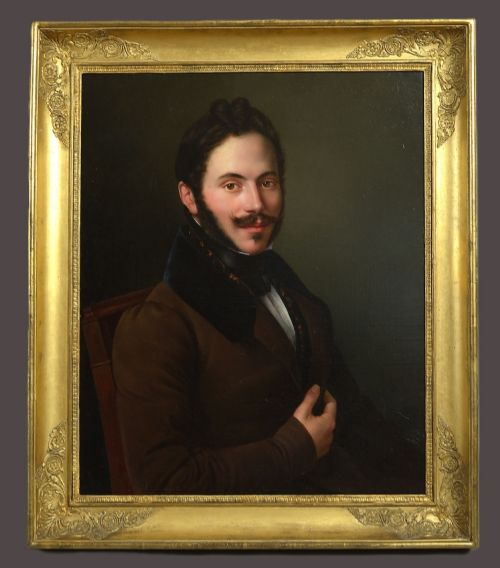
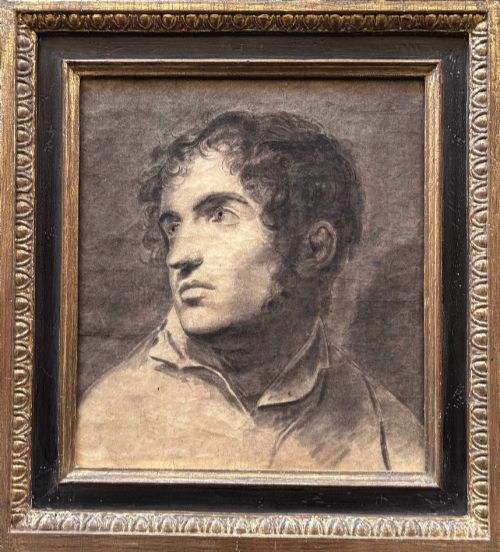
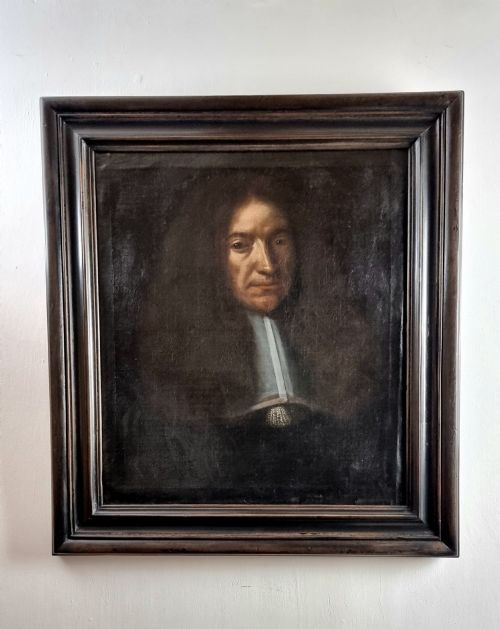
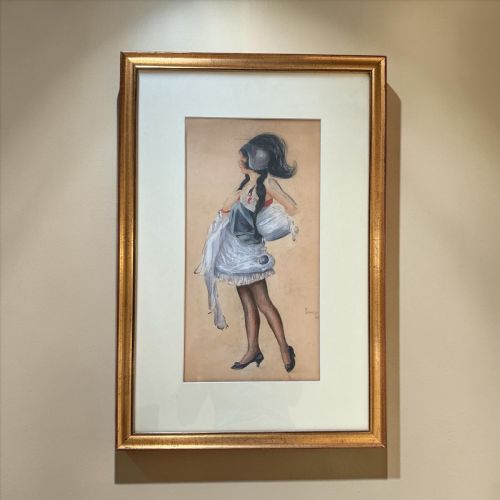
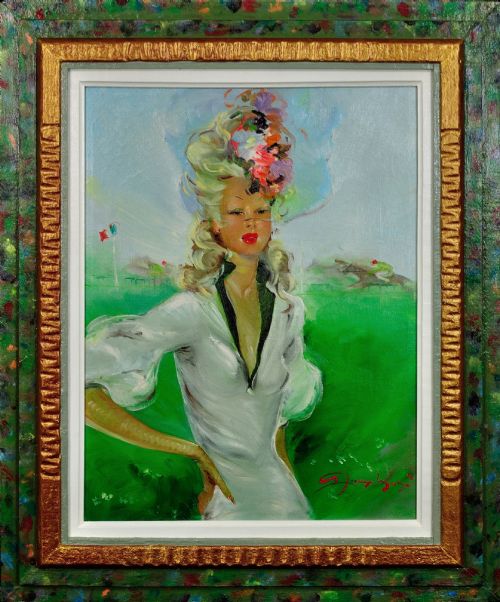
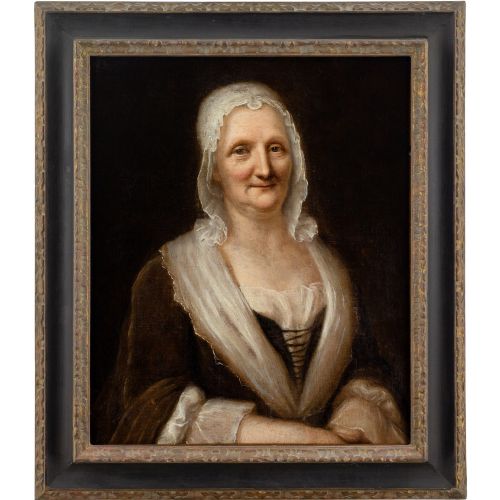
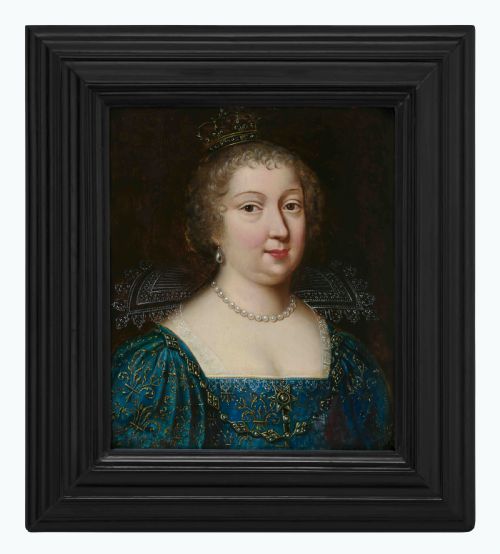
French school portrait art captures figures from the seventeenth century through the mid-twentieth century, including aristocrats, judges, and fashionable ladies. The works take the form of oil paintings on canvas or panel, pastel drawings, and delicate portrait miniatures set in giltwood frames.
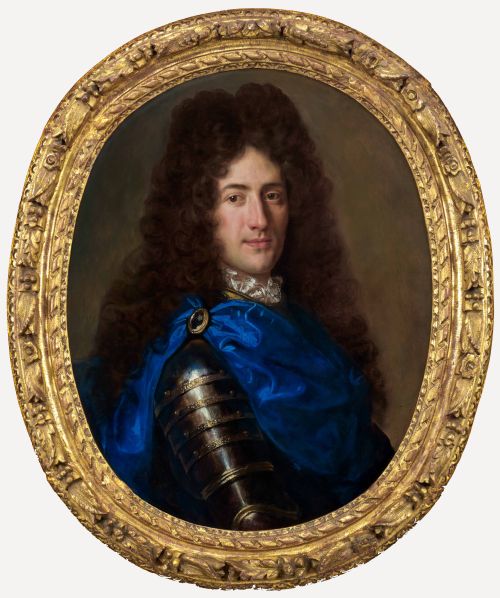
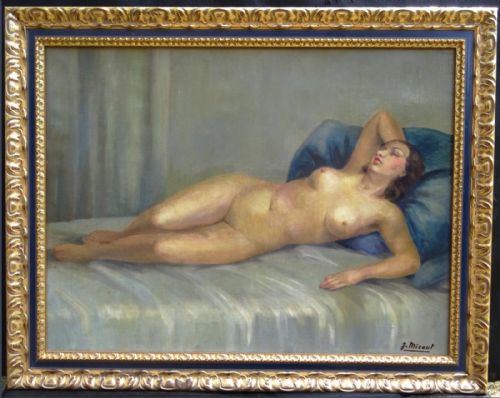
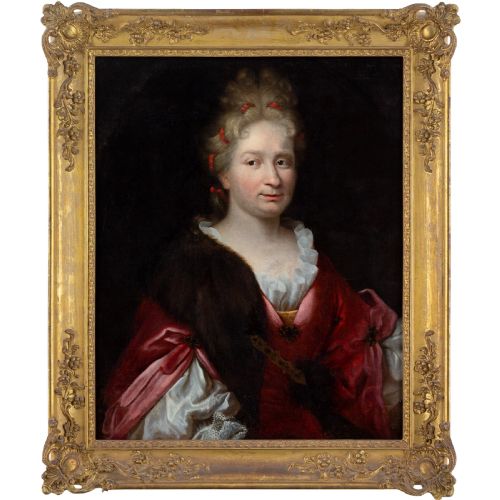
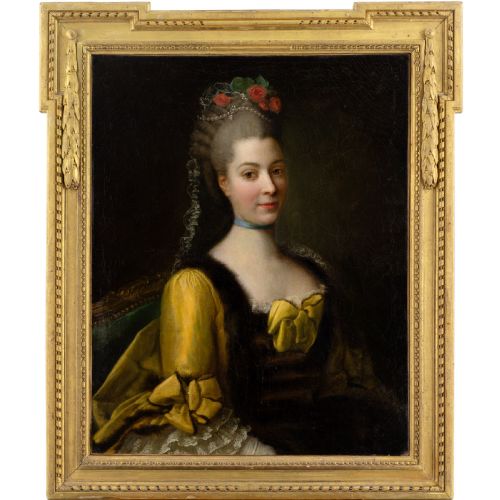
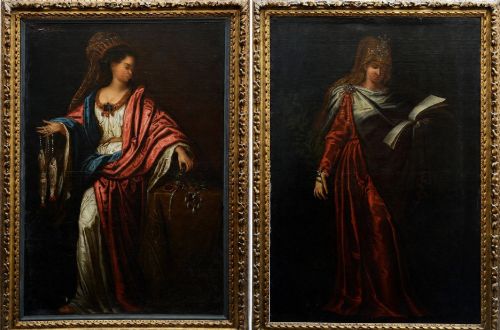
The pieces on this page span several distinct periods, with eighteenth-century canvases depicting subjects in lace jabots and yellow dresses alongside nineteenth-century salon works and early twentieth-century Art Deco nudes. A buyer encounters everything from grand seventeenth-century depictions of gentlemen in armour to intimate pastel portraits of young women.
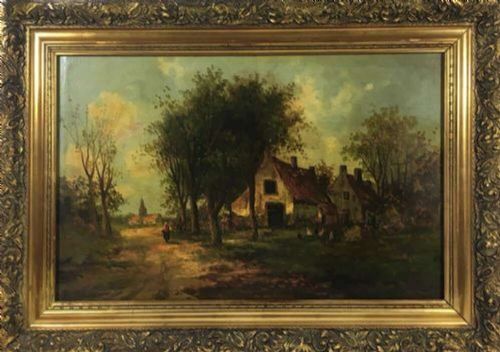
Stylistic influences range from French Baroque and Rococo to French Realism and the Barbizon School. While many canvases focus strictly on human subjects, related examples branch into figurative interior scenes and depictions of animals within courtyards.
How They Were Made
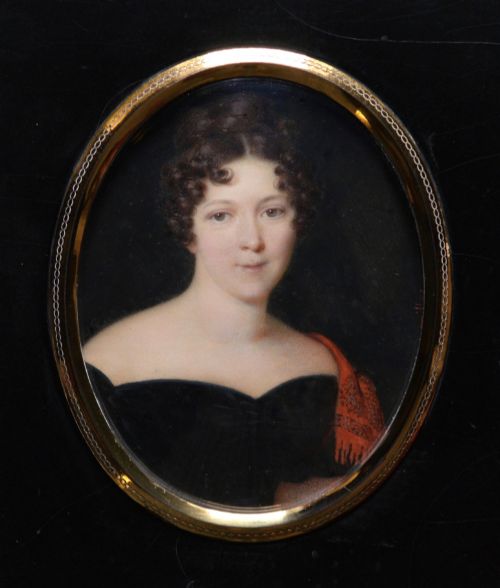
Painters applied oil paint to stretched canvas, wooden panels, or copper plates, building rich textures for garments such as azure cloaks and lace collars. Pastel and watercolour on paper appear in drawings and miniatures, often paired with glass and intricate giltwood or seed pearl frames.
Support materials varied according to the century, with seventeenth-century works utilising robust wood panels alongside traditional canvases, while later nineteenth-century pieces favoured standard canvas stretching techniques and heavy framing.
French School Portrait Art Retail Price Guide 2026
Typical asking prices for french school portrait art among the pieces listed under this phrase on Sellingantiques today, from the lower quarter to the upper quarter. They describe what is for sale here now, not the wider market.
Several portraits capture subjects accompanied by faithful dogs and horses, proving that French sitters loved including their pets in posterity.
What Varies in Quality
Quality in these portraits rests upon the subtlety of brushwork in facial expressions and the careful rendering of textiles like silk dresses and metal armour. Finer pieces demonstrate precise control over light and shadow, capturing the personality and social standing of the sitter.
The craftsmanship of the surrounding frame, particularly period giltwood or specialised seed pearl settings on miniatures, distinguishes higher-grade works. Attribution to recognised circles, schools, or documented artists further elevates the standing of a piece within the genre.
Joseph Vivienne·Francois Boucher·Edouard Pingret·Jean-Gabriel Domergue·Gaetan Dumas·Henri and Charles Beaubrun·Hyacinthe Rigaud·Louis De Silvestre·Pinchus Kremegne
The French School Portrait Art Glossary
- French School
- A term denoting artists trained or working within the French artistic tradition, regardless of whether they resided in France or abroad.
- Giltwood
- Wood that has been covered with a thin layer of gold leaf, frequently utilised for ornate antique picture frames.
- Portrait Miniature
- A small, highly detailed painting, often executed in watercolour or oils on ivory, vellum, or paper.
- Oil on Canvas
- Pigment mixed with drying oil applied to a woven fabric support, which became the standard medium for major European portraits.
- Jabot
- A decorative ruffle or lace frill attached to the front of a shirt or cravat, commonly seen in seventeenth and eighteenth-century portraits.
French School Portrait Art: Frequently Asked Questions
How do I identify an 18th-century French portrait?
Eighteenth-century works typically display subjects in elaborate period attire such as lace jabots, powdered wigs, and silk gowns. The painting techniques reflect Baroque or Rococo sensibilities with dramatic lighting and soft colour palettes.
Examining the canvas preparation, stretcher bars, and the style of the accompanying giltwood frame often helps confirm the age of the piece.
What is a portrait miniature?
A portrait miniature is a small-scale painting designed for private viewing or wearing, created with meticulous brushwork. These pieces frequently feature watercolours on paper or oils on panel.
They are commonly housed behind glass within decorative frames adorned with materials like seed pearls.
How should I care for an antique oil painting?
Antique oil paintings require stable indoor humidity and temperature levels to prevent the canvas from slackening and the paint from cracking. Keep them away from direct sunlight to preserve the original pigments.
Dust the surface gently with a soft, dry brush and avoid using chemical cleaners on either the canvas or the frame.
What does attribution to a circle or school mean?
Attribution to a specific school indicates that an anonymous artist worked in the style, region, and era of a recognised master. Being in the circle of an artist suggests a close professional association or direct influence.
These designations help contextualize the artistic lineage and quality of unsigned works.