

Baroque Male Oil Painting
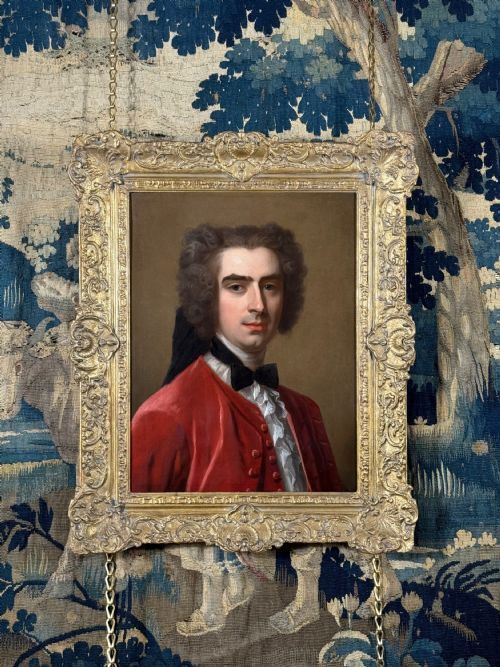
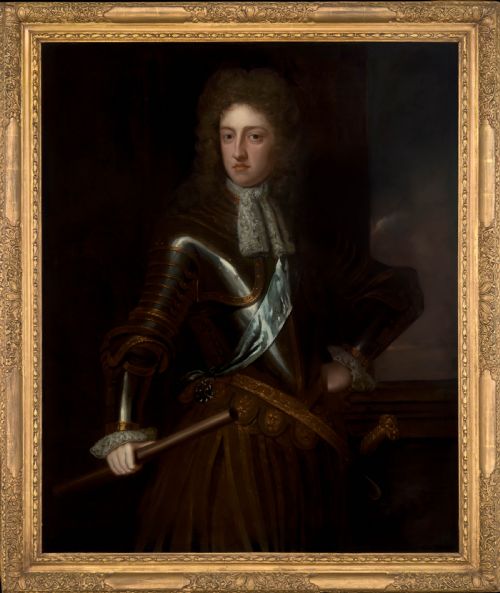
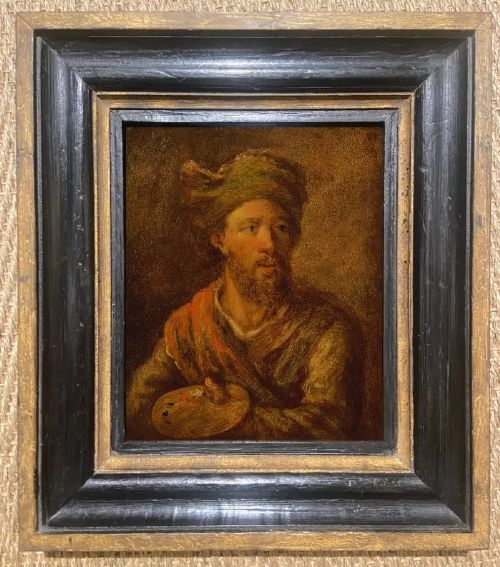
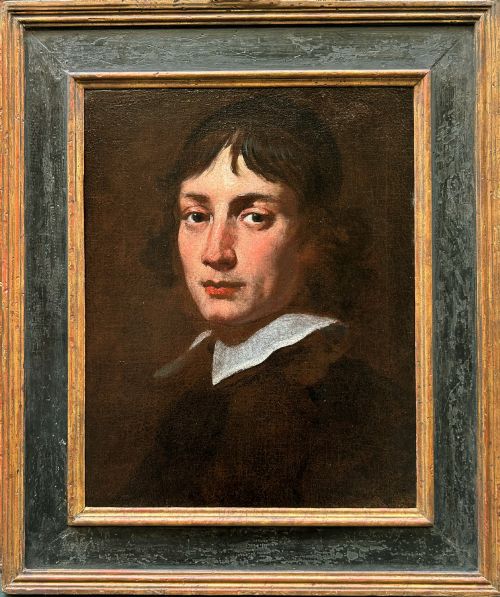
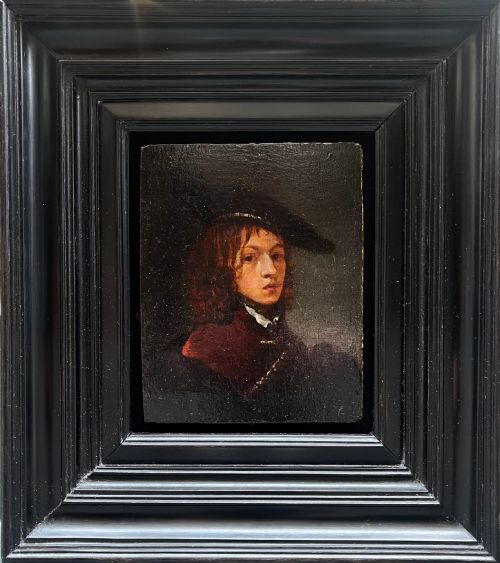
A baroque male oil painting captures the grand stature and elaborate dress of seventeenth and eighteenth century gentlemen through dramatic lighting and deep pigment.
Baroque Male Oil Painting
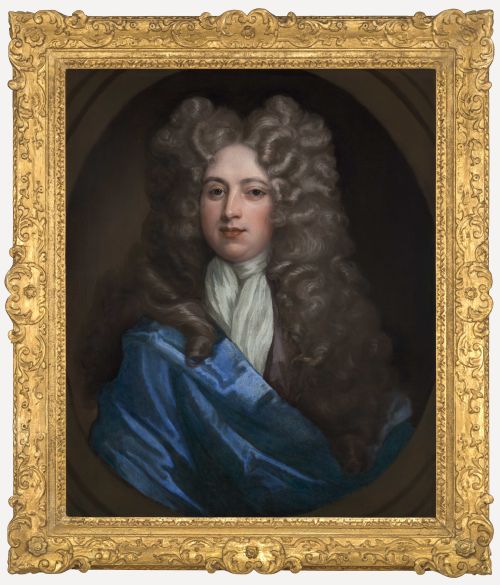
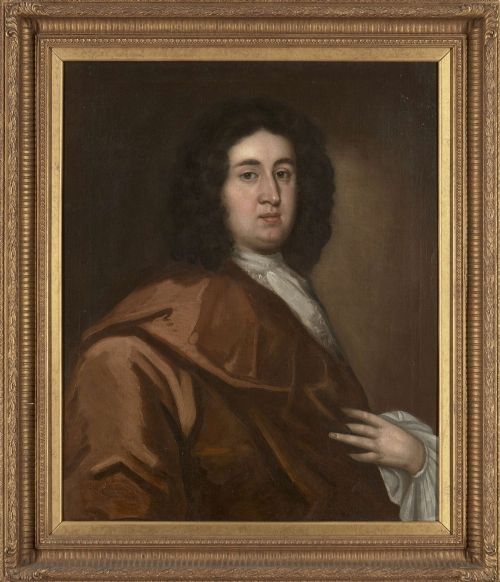
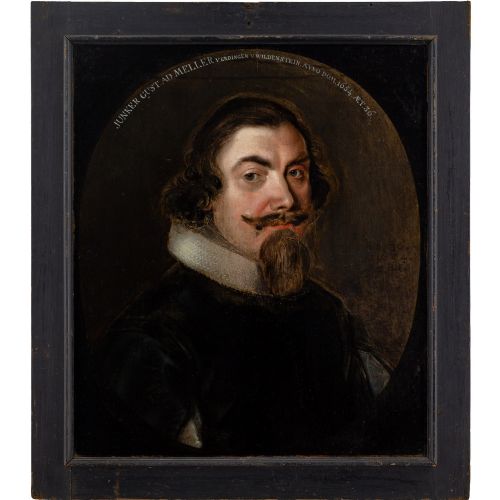
A baroque male oil painting typically portrays noblemen, scholars, military officers, and royals from the seventeenth and eighteenth centuries, rendered with intense psychological presence. These artworks emerge from various regional schools, including British, Flemish, Dutch, German, French, Italian, and Spanish traditions.
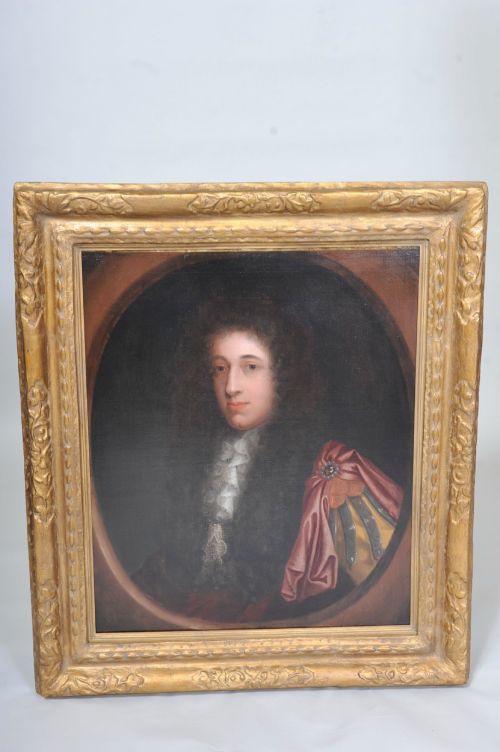
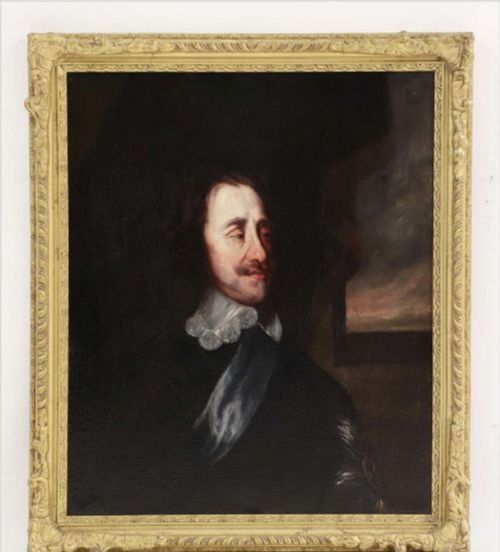
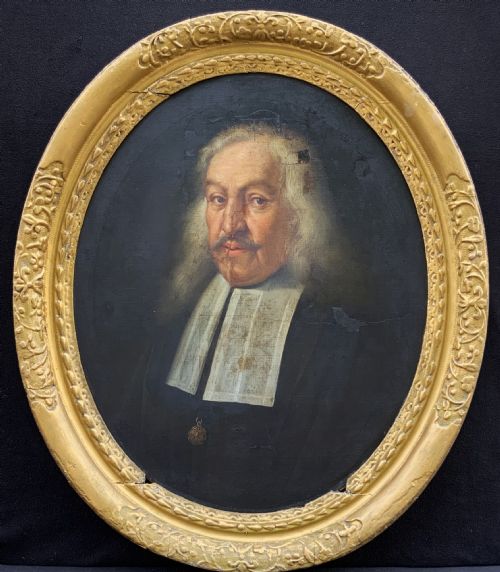
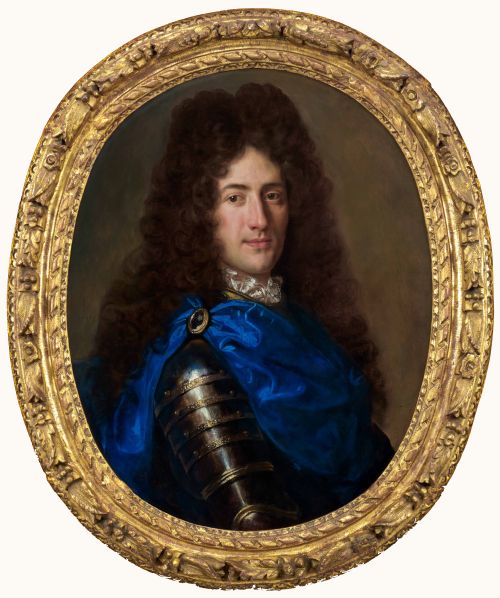
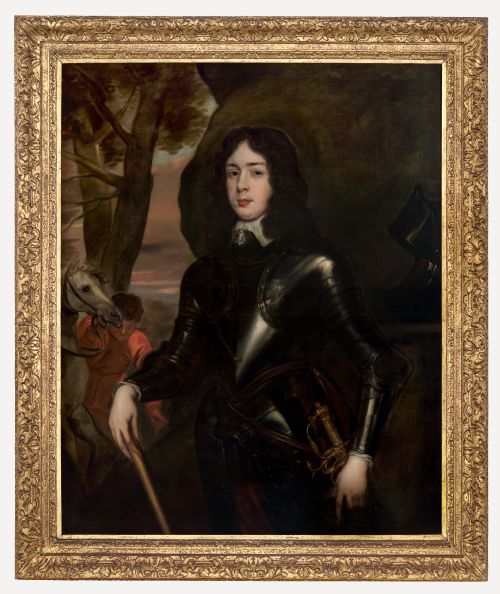
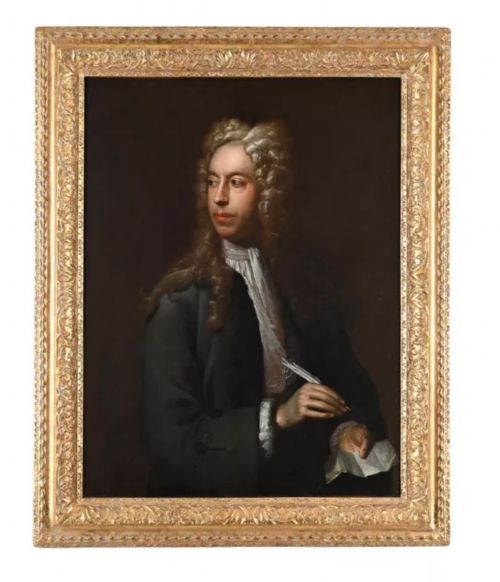
Buyers encounter numerous depictions of gentlemen wearing periwigs, armour, velvet cloaks, or scarlet jackets, often framed within original gilded wooden surrounds. The selection ranges from works by known masters and their studios to pieces originating from wider European school circles.
Materials and technique
Painters applied oil pigments directly onto stretched canvas substrates, building depth through layered glazes and heavy chiaroscuro lighting effects. This technique emphasised the rich textures of fabrics such as satin, lace, and velvet alongside polished steel armour.
Many surviving pieces retain their period frames constructed from wood and finished with gold leaf or giltwood mouldings. These frames often reflect baroque, French baroque, or eighteenth-century rococo decorative styles that complement the canvas.
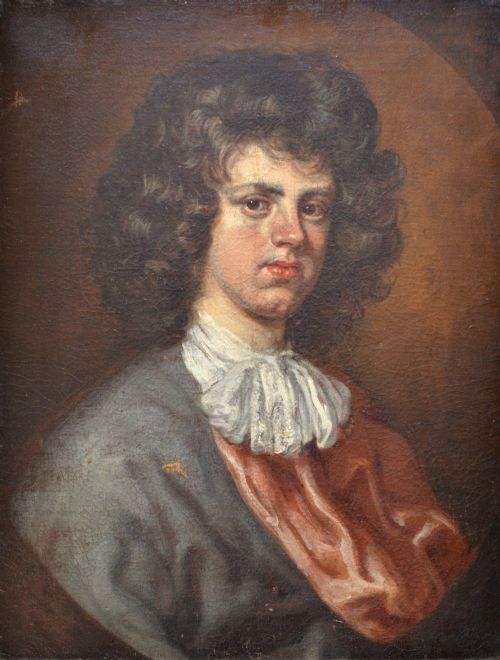
Several gentlemen in these portraits wear remarkably large periwigs that threaten to overwhelm their wearers entirely.
Distinctions in quality
Quality rests upon the subtlety of brushwork in facial modelling, particularly the rendering of hands, eyes, and intricate lace collars. Superior works capture individual likeness and personality rather than relying entirely on formulaic studio production.
The preservation of the original oil paint layer and canvas tension dictates the visual impact of the piece. Additionally, the craftsmanship and original gilding of the surrounding wood frame contribute significantly to the overall integrity of the artwork.
Jean Baptiste Van Loo·Sir Godfrey Kneller·Mary Beale·Thomas Murray·John Closterman·Sir Peter Lely·Guillaume Courtois·Trajan Hughes·Pieter Borseler·Joseph Vivienne·Sir Anthony van Dyck·Michael Dahl·Hyacinthe Rigaud·Nicolas De Largilliere·David Scougall·F Flor·John Michael Wright·John Riley·Willem Wissing
The Baroque Male Oil Painting Glossary
- Chiaroscuro
- Strong contrasts between light and dark used to give three-dimensional volume to figures. This technique defines much of seventeenth-century portraiture.
- Giltwood
- Wood carved and covered with a thin layer of gold leaf. These frames surround many period canvases.
- Periwig
- A voluminous artificial hair wig popular among elite men during the late seventeenth and early eighteenth centuries. Sitters frequently wore them in formal portraits.
- Studio work
- A painting produced in the workshop of a master, often with assistance from pupils or assistants. These pieces follow the compositional style of the primary artist.
- Glaze
- A thin, transparent layer of oil paint placed over a lighter underpainting. This method imparts deep luminous colour to garments and shadows.
Baroque Male Oil Painting: Frequently Asked Questions
How do I identify a seventeenth century portrait?
Look for specific clothing markers such as lace falling bands, heavy steel armour, or full periwigs framing the sitter's face. The handling of oil paint and darker backgrounds also points toward this specific historical period.
Examining the construction of the wooden stretcher bars and the canvas weave can offer further clues regarding age. Secondary documentation or historical attribution notes often accompany works from recognised European schools.
What is a studio of a master painting?
A studio painting is an artwork created within the workshop of a prominent artist, often under their direct supervision or following their established compositions. Pupils and assistants contributed to these pieces while maintaining the artistic standards of the primary master.
These works provide an authentic period representation of the master's style. They frequently date to the same lifetime as the principal artist named in the attribution.
How should I hang a framed oil painting?
Select an interior wall that avoids direct sunlight and dramatic fluctuations in temperature or humidity. Proper hardware secured to wall studs supports the combined weight of the heavy canvas and the gilded wood frame.
Keep the artwork away from direct heat sources such as radiators to prevent the canvas and wooden frame from warping. Gentle, indirect lighting helps illuminate the dark oil pigments without causing surface glare.
Why do many sitters wear armour?
Armour served as a traditional symbol of status, martial authority, and aristocratic lineage for male sitters in formal portraits. Even individuals without active military careers chose this attire to project strength and social standing.
The polished metal also allowed portraitists to demonstrate their skill in rendering reflective surfaces and highlights. This visual convention remained popular across British, Flemish, and German schools throughout the baroque era.