



Baroque Landscape Painting
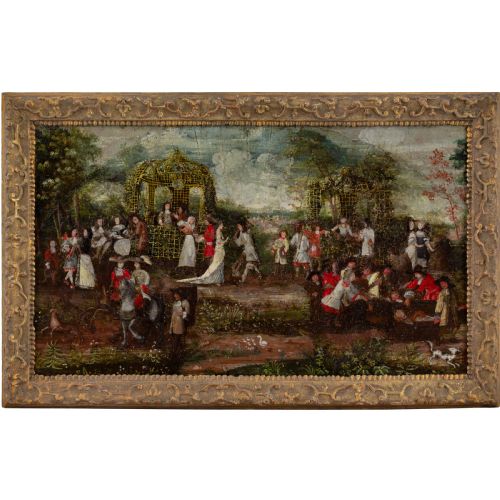
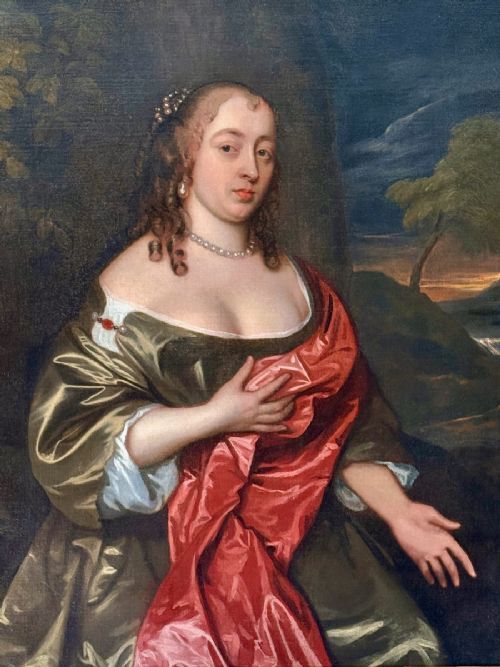
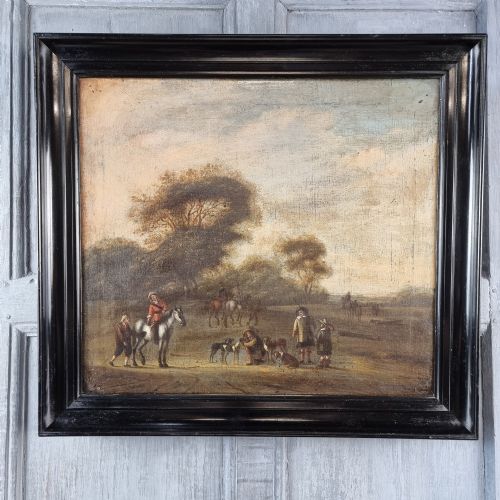
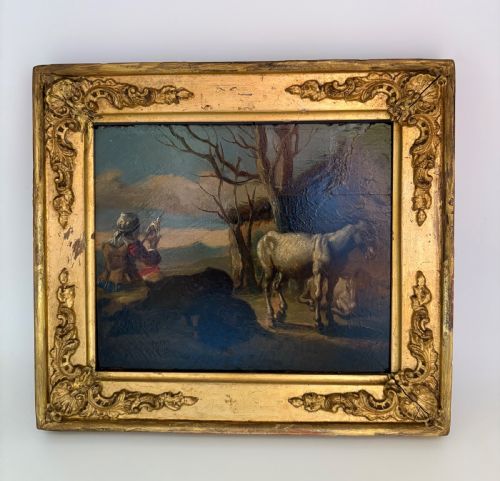
These baroque landscape painting works capture dramatic natural vistas and classical ruins, offering rich depth and theatrical scale for serious collectors.
Baroque Landscape Painting
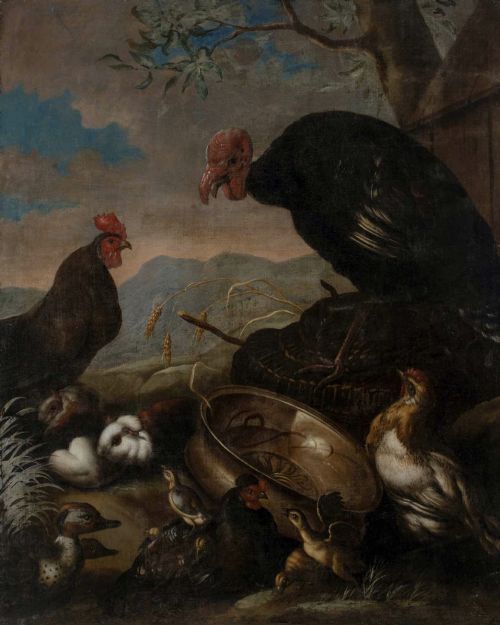
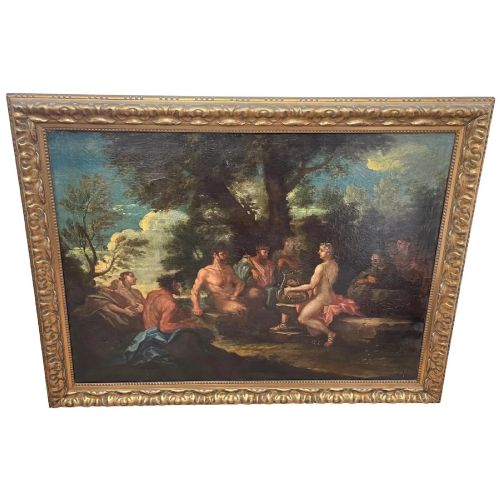
A baroque landscape painting presents sweeping natural scenery infused with classical figures, architectural ruins, or pastoral animals. These works span the seventeenth and eighteenth centuries, drawing on Flemish, Italian, Dutch, and French regional traditions.
Buyers most frequently encounter oil paintings executed on canvas or wood panel, often housed within elaborate giltwood frames. The compositions frequently incorporate rivers, mountains, and coastal views populated by mythological figures, sportsmen, or daily village scenes.
Materials and Techniques
Painters utilised oil paint applied to canvas or wood panels, building up rich layers to create atmospheric depth in sky and foliage. Gold leaf and carved wood were subsequently employed to construct ornate gilt frames that enhanced the theatrical impact of the artwork.
Artists relied on precise brushwork and tonal contrast, hallmarks of the period, to render intricate details of architecture, figures, and wildlife. The physical support typically consists of stretched canvas or sturdy oak panels.
Regional styles represented include Flemish Baroque, Italian Baroque, Dutch Golden Age, and French Baroque traditions.
Assessing Quality and Execution
Quality rests in the finesse of the brushwork, the anatomical accuracy of figures and animals, and the preservation of the original pigment. Superior examples demonstrate confident handling of light and shadow, creating a harmonious and immersive spatial depth.
The integrity of the canvas or panel and the survival of the original giltwood frame heavily influence the standing of a piece. Finer works maintain their original compositional balance without heavy, obscuring overpaint.
Angelo Maria Crivelli·Cornelis Van Poelenburgh·David Teniers II·Claude Lorrain·Jacob Bogdani·Pieter Bout·Francesco Zuccarelli·Francesco Albani·Giacomo Nani·Hendrik Frans Van Lint
The Baroque Landscape Painting Glossary
- Baroque
- An artistic style originating in the seventeenth century characterised by dramatic movement, deep shadow, and grand scale. This aesthetic prioritises emotional intensity and theatrical composition.
- Giltwood
- Wood carved and covered with a thin layer of gold leaf or metallic powder. Frames made in this manner are frequently contemporaneous with the paintings they enclose.
- Oil on Canvas
- A traditional painting technique utilising pigments suspended in drying oil applied to a woven fabric support. This combination allows for rich blending and luminous colour.
- Old Master
- A term for a European artist of high skill working before the nineteenth century. These painters established foundational stylistic schools across Italy, Flanders, and France.
- Wood Panel
- A rigid wooden support used by artists before canvas became universal. Oak panels were especially common in Northern European traditions.
Baroque Landscape Painting: Frequently Asked Questions
What defines a baroque landscape painting?
These works combine expansive natural scenery with theatrical lighting, classical architecture, and figurative elements. They reflect the stylistic developments of seventeenth and eighteenth century European art.
Artists from Dutch, Flemish, Italian, and French schools utilised oil on canvas or wood to build atmospheric depth and narrative complexity.
How should I display an antique oil painting?
Position the artwork away from direct sunlight and dramatic humidity fluctuations to protect the oil paint and canvas. Proper environmental control preserves both the pigment and the structural integrity of the piece.
Ensure the painting is securely hung using hardware appropriate for the weight of the canvas and its original giltwood frame.
Are these paintings on canvas or panel?
The works utilise both stretched canvas and rigid wood panels as supports for the oil paint. Northern European pieces occasionally employ oak panels, while larger compositions typically rely on canvas.
Examining the reverse of the artwork reveals the construction of the stretcher or the grain of the wooden support.
How do I identify seventeenth century styles?
Seventeenth century pieces often display dramatic contrasts of light and shadow alongside intricate pastoral or mythological narratives. Artists such as those from the Dutch Golden Age focused on atmospheric realism and detailed foliage.
Comparative study of regional schools helps distinguish Flemish compositions from Italian or French counterparts of the same era.