


Baroque Floral Wall Art
Baroque floral wall art brings centuries of botanical oil paintings and textile works into your room.
Baroque Floral Wall Art
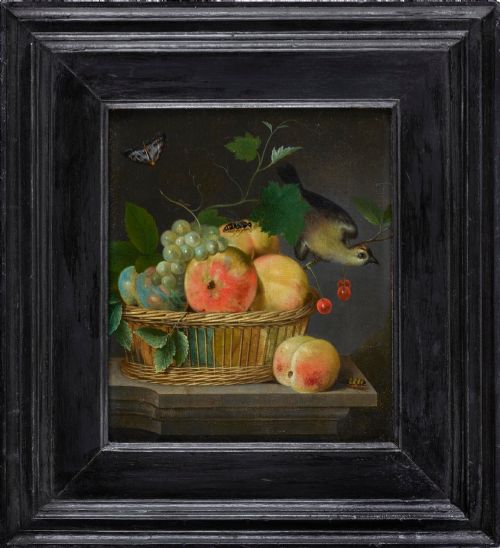
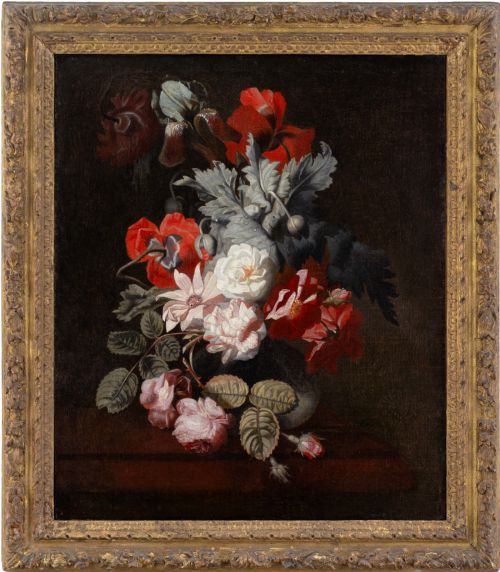
Baroque floral wall art encompasses oil paintings and textile pieces originating from periods such as the seventeenth century, eighteenth century, and later interpretations from the twentieth century. These works frequently depict elaborate arrangements of flowers and fruit, drawing on Dutch Golden Age, Flemish baroque, and Italian school traditions.
The most common pieces you will encounter on this page are oil on canvas paintings and needlework or tapestry panels. They often feature classical compositions of blooms, tulips, and baskets executed in rich, historical palettes.
How they were made
Makers utilised traditional canvas, wood panels, and paper boards as the foundation for oil paint applications in these historical compositions. Artisans also employed wool and silk threads to construct detailed needlework panels and tapestry cushion covers.
Techniques relied on the meticulous layering of oil paint to achieve botanical depth in floral subjects, alongside careful hand-stitching for textile pieces. Frames and structural elements often incorporated giltwood and gilded wood.
Materials across these listings include oil paint, canvas, wood, wool, silk, and giltwood.
What varies in quality
Quality in these works rests upon the precision of the brushwork or textile stitching and the preservation of the original materials over centuries. Pieces demonstrating refined handling of floral subjects and naturalistic colour blending stand apart from simpler interpretations.
The sophistication of the composition and the integrity of the canvas, wood, or textile support dictate the overall calibre of each piece. Surviving elements such as original frames in giltwood further distinguish the finer examples.
Gaspar Peeter Verbruggen·Simon Pietersz Verelst·Calzolari
The Baroque Floral Wall Art Glossary
- Baroque
- A European style of art from the seventeenth and eighteenth centuries characterised by drama, exuberant detail, and rich ornamentation. It defined much of the painting and decorative arts of the period.
- Still life
- A work of art depicting mostly inanimate subject matter, typically commonplace objects which may be either natural or man-made. In this context, it centres on flowers, fruit, and baskets.
- Giltwood
- Wood that has been covered with a thin layer of gold leaf or powder. It frequently appears on historical frames associated with oil paintings.
- Tapestry
- A form of textile art woven on a vertical loom, often used for wall hangings or cushion covers. Historical examples utilise wool and silk materials.
- Oil on canvas
- A painting technique where pigments suspended in drying oils are applied to a stretched fabric canvas. This method dominated classical European painting traditions.
Baroque Floral Wall Art: Frequently Asked Questions
What periods do these pieces date from?
The selections span the seventeenth and eighteenth centuries, alongside twentieth-century works created in older classical styles. These dates reflect the original creation periods or stylistic revivals recorded in the listings.
Buyers will find both authentic historical works and later interpretations inspired by Dutch and Flemish masters.
How do I care for antique oil paintings?
Oil paintings on canvas or wood require stable indoor humidity and protection from direct sunlight to preserve the pigments. Regular, gentle dusting with a soft, dry cloth helps maintain the surface without disturbing the paint layers.
Avoid using liquid cleaners or abrasive materials on historical surfaces to prevent accidental damage.
What is the difference between a painting and a needlework panel?
Paintings utilise oil pigments applied to canvas, board, or wood to render floral and fruit subjects. Needlework panels and tapestries are created by stitching wool and silk threads into a textile foundation.
Both forms served as decorative wall art in historical interiors but employed entirely distinct craft techniques.
How were these artworks displayed historically?
Historical floral art was typically hung in reception rooms and parlours to demonstrate taste and appreciation for botanical subjects. Textile panels and tapestry cushion covers were also integrated into domestic furnishings or mounted directly onto walls.
Their rich compositions added colour and formal structure to period interiors.