
Botanical Floral Painting
Botanical floral painting brings natural specimens and garden blooms onto canvas, paper, porcelain, and wood across multiple periods.
Botanical Floral Painting
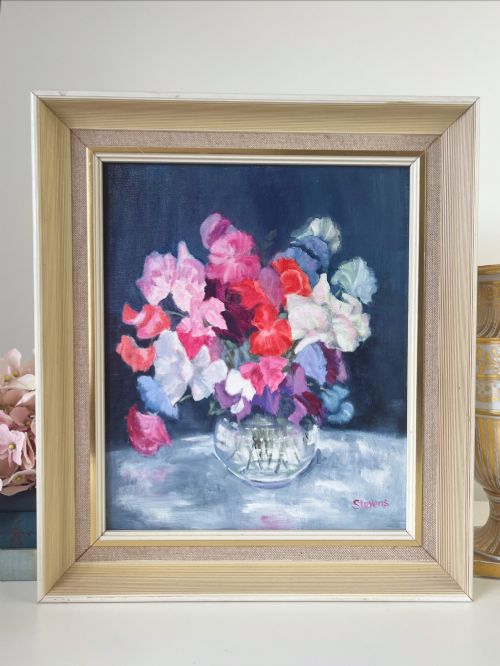
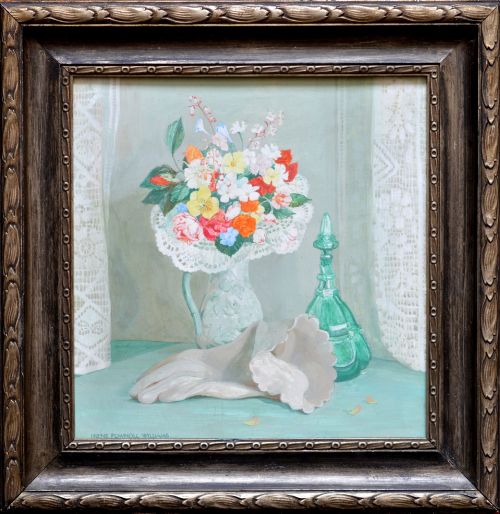
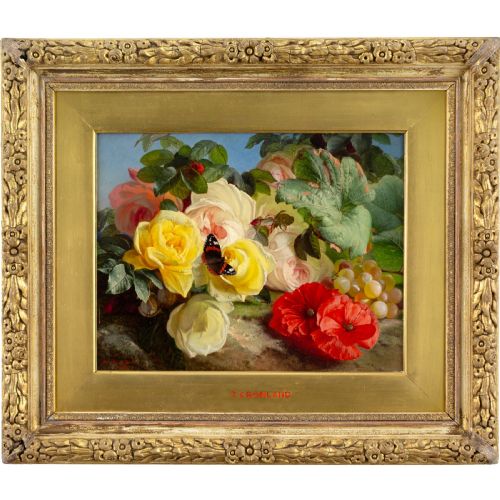
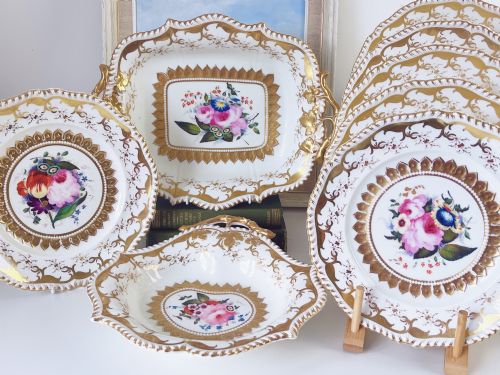
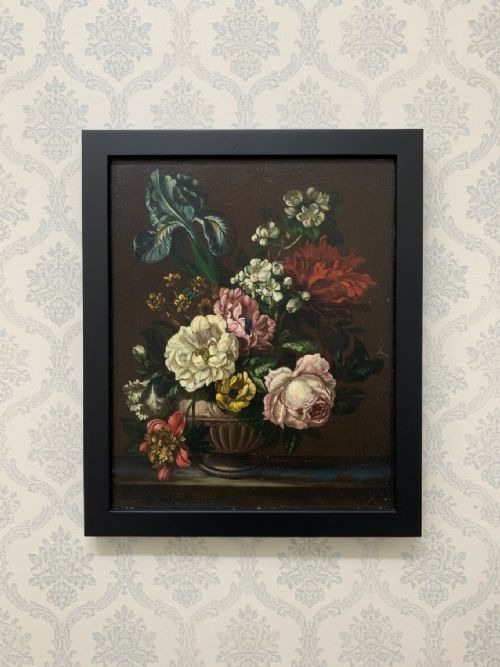
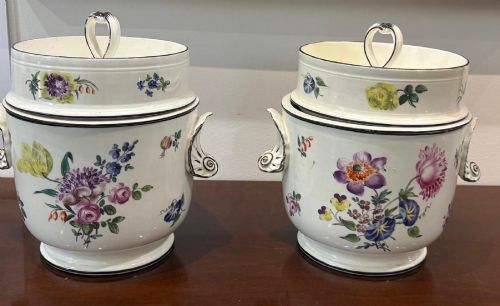
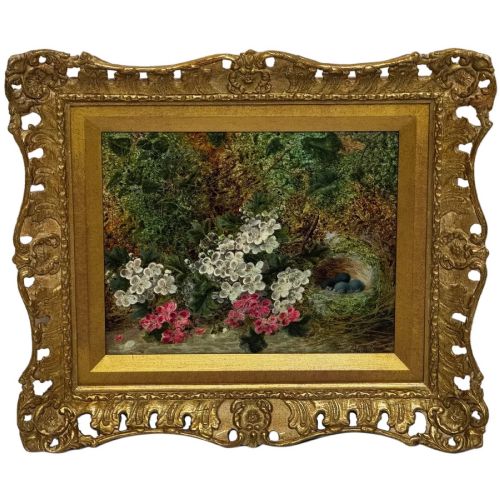
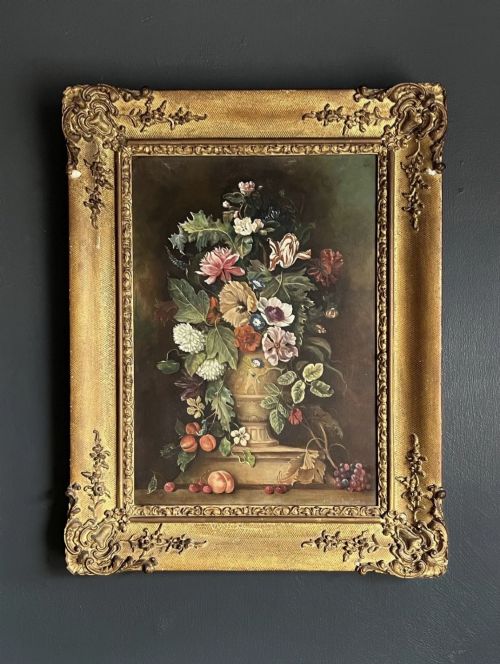
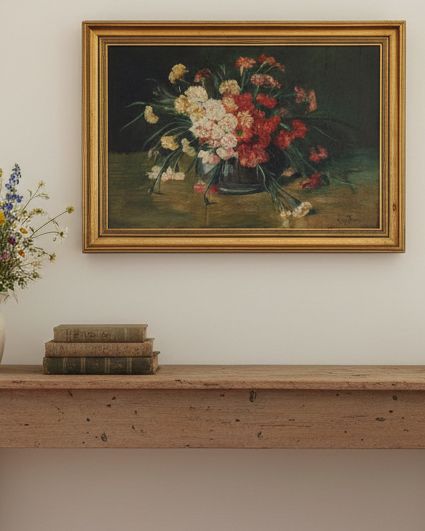
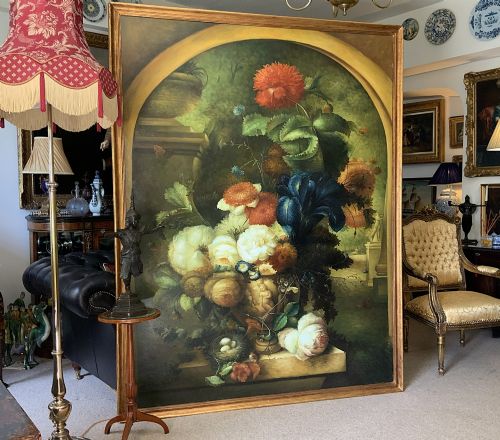
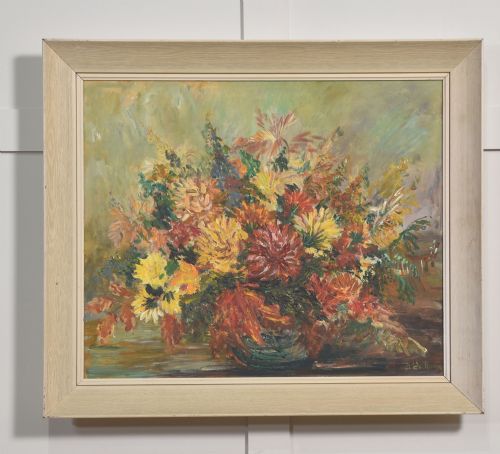
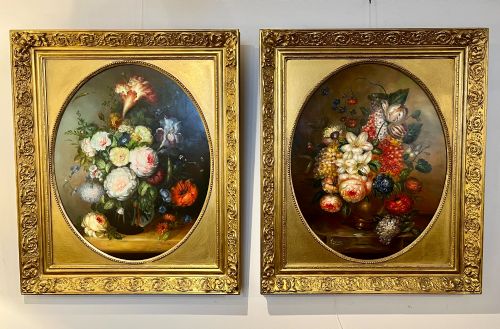
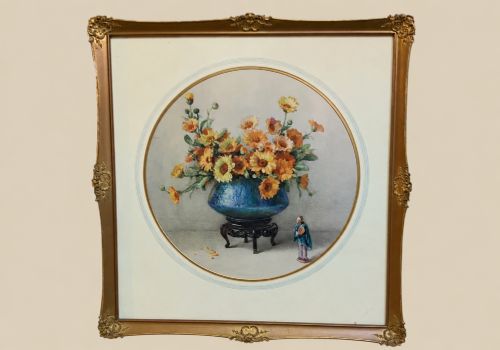
A botanical floral painting encompasses depictions of flowers, foliage, and natural arrangements rendered across canvas, wood panels, paper, and porcelain forms. When searching for this phrase, buyers encounter everything from precise watercolour studies and pastels to grand oil paintings on canvas and board.
The selection ranges from Georgian and Regency porcelain services to Victorian oils, Dutch Golden Age style compositions, and mid-century modern interpretations. Works span from intimate cabinet watercolours to monumental framed canvases created across the nineteenth and twentieth centuries.
Materials and techniques
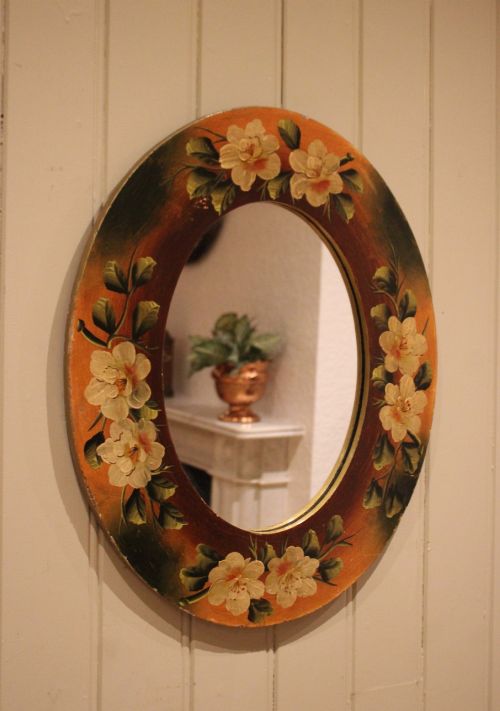
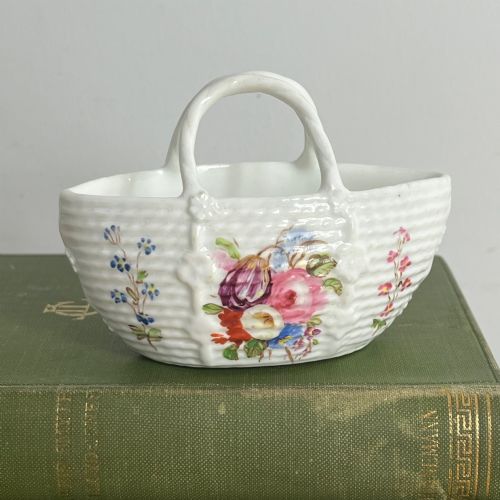
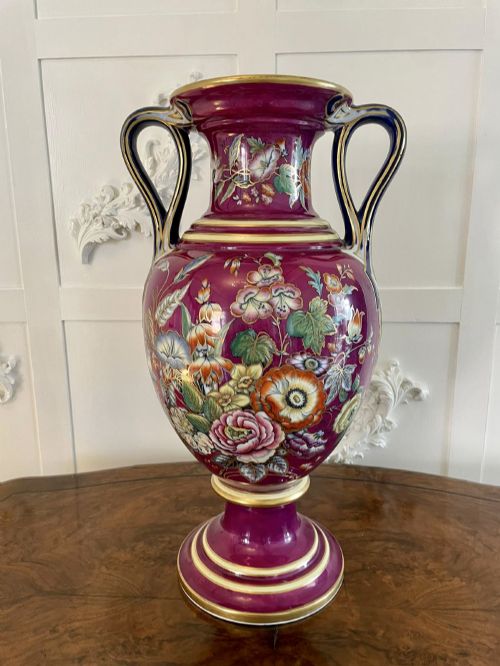
Artists applied oil paint, watercolour, gouache, and enamel onto prepared canvas, wood panels, paper, and ceramic bodies. Many pieces utilise gold leaf within decorative frames or incorporate detailed handpainted motifs on porcelain surfaces.
Support structures vary from stretched canvas and panel boards to creamware, bone china, and porcelain vessels, often complemented by gilt gesso frames or specialised textile application.
Listings feature works spanning the 17th century to the mid-20th century across oil paint, porcelain, watercolour, and wood.
Distinctions in quality
Execution and precision separate works, evident in the careful rendering of petals, botanical accuracy, and light play on surfaces. Handpainted ceramic services and original oils display individual brushwork and depth compared to transfer prints or secondary student pieces.
The integration of the artwork with its housing matters greatly, as period gilt frames and original porcelain glazing preserve the integrity and visual impact of the piece.
Grainger Lee And Co·Flight Barr And Barr·Oliver Clare·Edward Ladell·Emma Fordyce MacRae
The Botanical Floral Painting Glossary
- Creamware
- A refined earthenware developed in England during the eighteenth century featuring a pale yellowish cream glaze. It provided a smooth surface for botanical painting.
- Gesso
- A plaster-like mixture applied to wood or canvas as a base for painting or gilding. It allowed makers to carve intricate frame decorations.
- Porcelaneous
- A ceramic body sharing qualities between stoneware and true porcelain, offering high durability and a fine white surface.
- Gouache
- An opaque watercolour medium containing pigment and a binding agent. It provides dense, flat areas of colour suitable for detailed studies.
Botanical Floral Painting: Frequently Asked Questions
How do I display these paintings?
These artworks suit traditional living spaces and modern interiors alike, hung securely away from direct sunlight to protect pigments.
Porcelain and ceramic pieces benefit from secure cabinet placement or dedicated display stands.
What periods do these pieces date from?
Items span from the eighteenth century through the Regency and Victorian eras into the mid-twentieth century.
Each period brings distinct stylistic approaches, from precise scientific watercolors to expressive modernist oils.
How do I care for antique watercolours?
Watercolour works on paper require conservation-grade framing with UV-protective glass to prevent fading from light exposure.
Keep them in rooms with stable humidity levels to protect both the paper support and the pigments.
What is the difference between oil and watercolour botanical art?
Oil paintings typically feature textured brushwork on canvas or wood panels, offering rich depth and vibrant colour retention over time.
Watercolour and gouache works provide delicate detail and transparency, usually executed on paper for intimate study.