
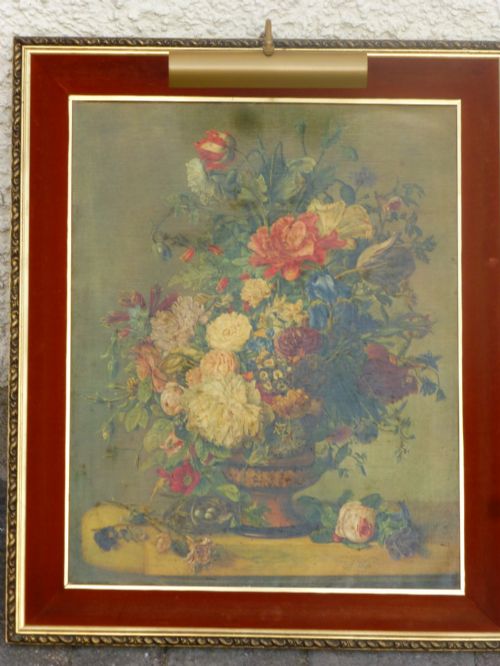
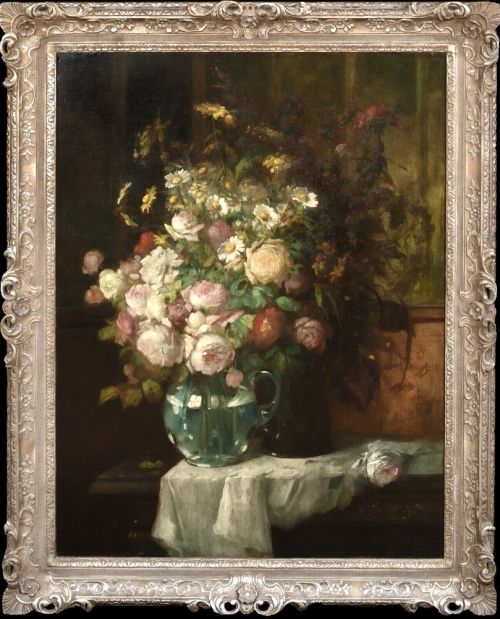
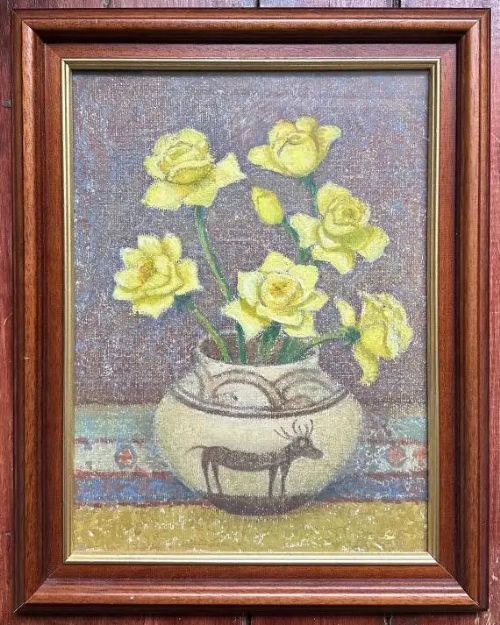
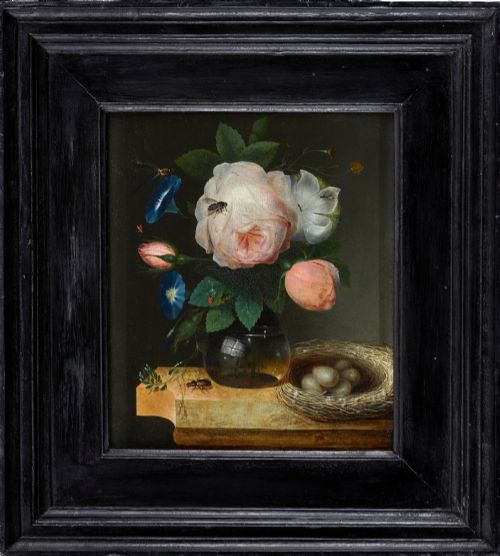


Still Life Flower Vase
A still life flower vase brings centuries of careful observation, botanical study and intimate interior domesticity directly onto your wall.
Still Life Flower Vase
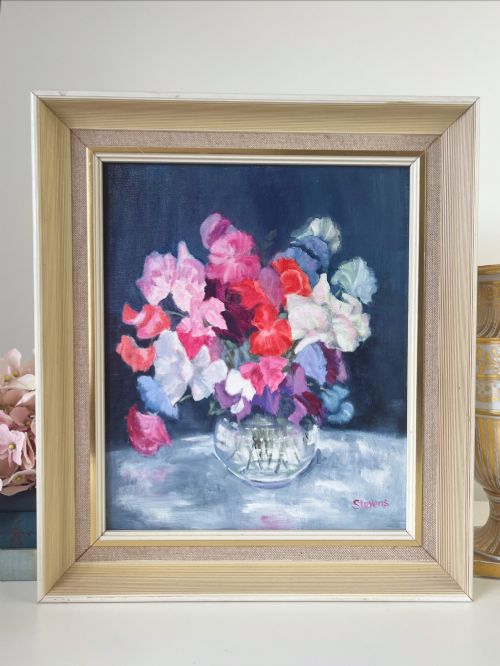
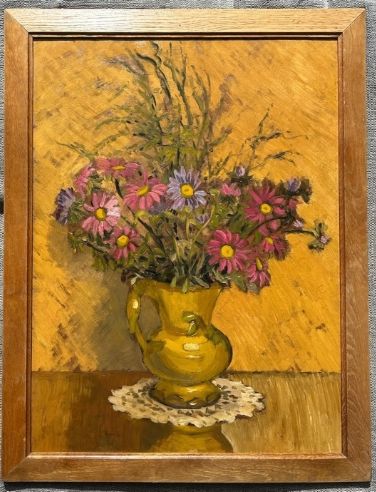
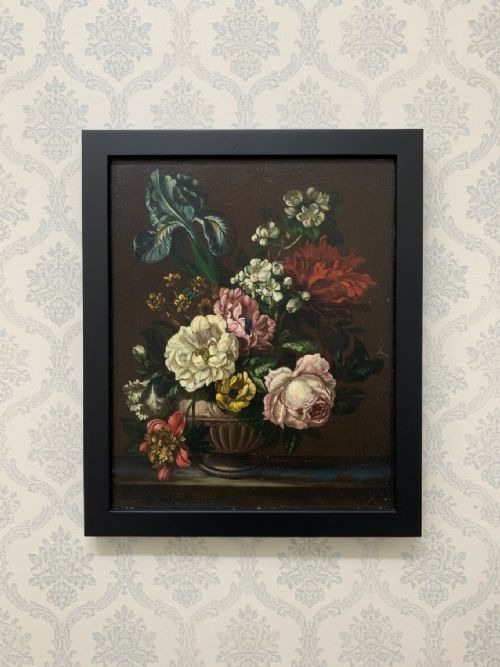
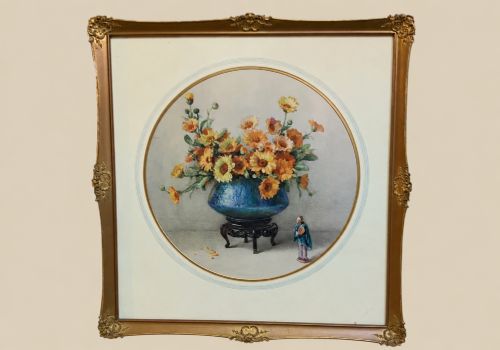
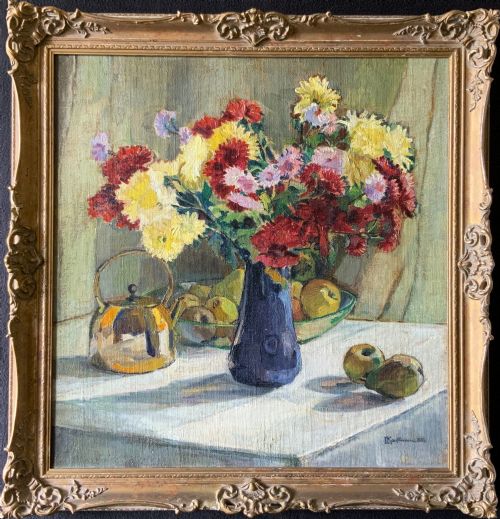
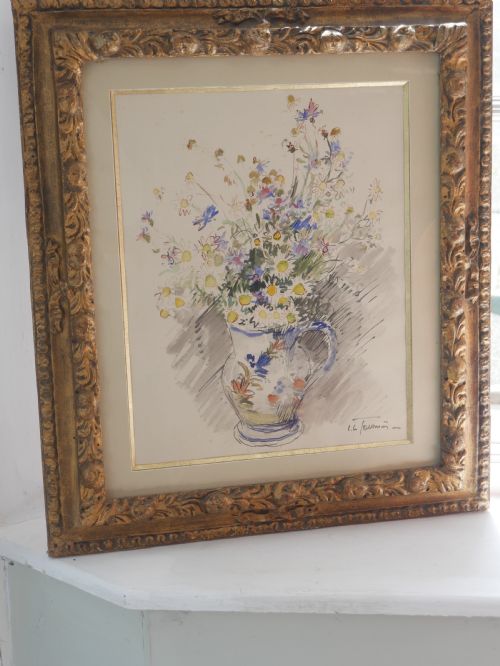
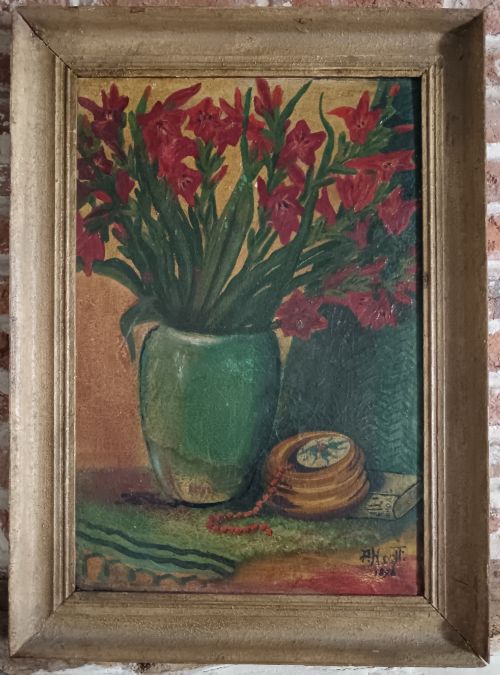
When you search for a still life flower vase, you encounter framed oil paintings, delicate watercolours and gouache studies capturing arranged blooms in vessels ranging from simple glass to decorative porcelain. The selection spans centuries of artistic tradition, recording domestic floral arrangements through diverse regional lenses.
The pieces on this page lean heavily towards British and European works from the nineteenth and twentieth centuries, alongside Dutch Golden Age interpretations. You will find academic watercolours alongside freer post-impressionist and mid-century oil paintings on canvas and board.
Mediums and Supports
Artists record these botanical studies primarily using oil paint or watercolour applied to stretched canvas, wooden panels, heavy paper or illustration board. Oil paints allow for rich layering and thick impasto texture, particularly visible in mid-century and post-impressionist works.
Watercolour and gouache paintings utilise fluid washes on paper to capture translucent petals and natural light. Supports vary from traditional oak panels in earlier Dutch school pieces to modern canvas boards.
Several floral studies quietly record visiting garden wildlife, incorporating tiny painted snails and dragonflies resting among the petals.
Assessing Composition and Execution
Quality rests upon the artist's command of light, tonal balance and spatial depth within a confined domestic setting. Superior examples demonstrate confident brushwork and deliberate colour harmony rather than rigid botanical illustration.
The handling of the vessel and background surroundings distinguishes finer works from routine decorative pieces, integrating the vase into its environment through thoughtful shadow and reflection.
Kenneth Cozens·Emma Fordyce MacRae·Gaspar Peeter Verbruggen·Owen Bowen·Henrietta Creswell·William Edward Fox·Florence Hess·Lester Sutcliffe·Stuart Armfield·Phyllis I Hibbert·Jabez Bligh·Henry Schouten·Jennifer Toombs·Emily Selinger·William Thomas Wood·Harold Edward Conway·Giuseppe Pesci·Maria Harrison·William Greaves·Olive Higginbottom·John Burns Robertson·Tom Whitehead·Albert Henrich·Florence R Walker
The Still Life Flower Vase Glossary
- Impasto
- Paint applied thickly to a canvas or panel, standing out in relief from the surface. This technique adds tactile dimension to petals and leaves.
- Oleograph
- A mechanical colour print on canvas mimicking an oil painting. These reproductions imitate the texture of genuine brushwork.
- Panel
- A rigid wooden support used by artists instead of stretched canvas. Oak and mahogany were common choices for earlier works.
- Gouache
- An opaque water-based medium producing flat fields of dense colour. Artists combine it with watercolour for added opacity in floral studies.
- Provenance
- The documented history of ownership tracing a piece from its creation to the present day. This record establishes authenticity.
Still Life Flower Vase: Frequently Asked Questions
What periods do these paintings represent?
The available works span from late eighteenth-century Dutch panels to mid-century modern interpretations. Nineteenth-century Victorian watercolours and early twentieth-century British impressions form a substantial portion of the selection.
Later mid-century pieces from the nineteen-fifties and sixties offer bolder palettes and modernist perspectives on traditional floral subjects.
How should I frame a watercolour?
Watercolour paintings require protective glass and acid-free window mounts to prevent paper degradation over time. Keeping the paper distanced from the glazing prevents humidity damage.
Traditional wooden or gilt frames complement the palette of the flowers while maintaining historical context for nineteenth-century works.
Are these works signed by the artists?
Many pieces feature visible signatures, monograms or contemporary inscriptions left by the painter upon completion. Documentation on the reverse often provides additional clues regarding the date and subject.
Unsigned works typically attribute to a specific regional school or period based on style, technique and materials.
How do oil on canvas and watercolour differ?
Oil paintings utilise slow-drying binders that allow artists to blend tones directly on the canvas and build rich surface textures. They are generally sturdier and less sensitive to light than works on paper.
Watercolour paintings rely on the bright white of the underlying paper shining through translucent washes, creating a lighter, more immediate botanical study.