


Baroque Figure Oil Painting
A baroque figure oil painting brings dramatic light, narrative intensity and historical depth directly to an interior.
Baroque Figure Oil Painting
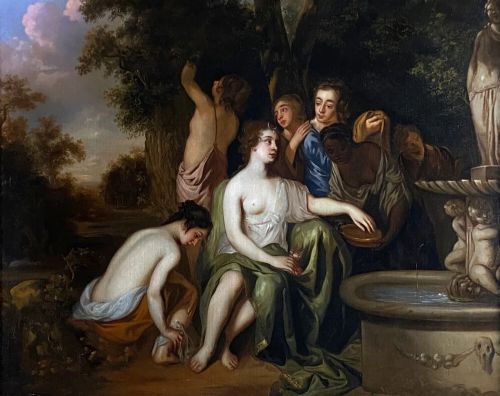
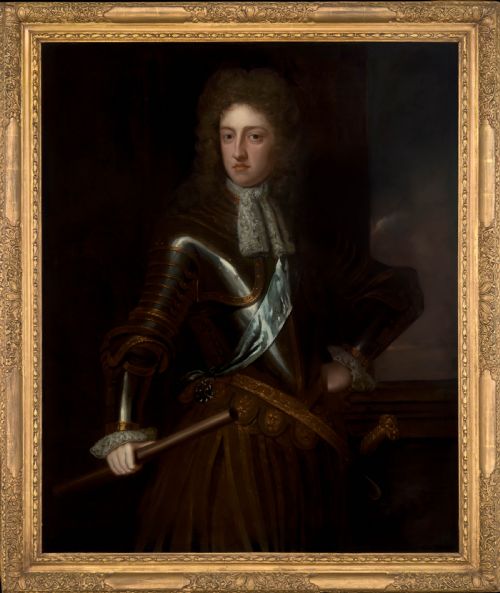
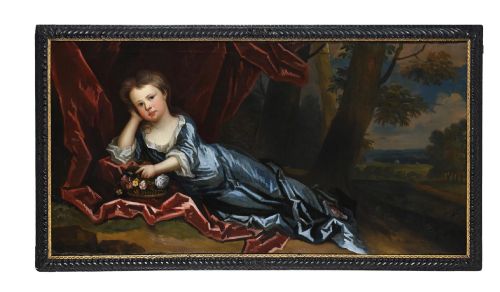
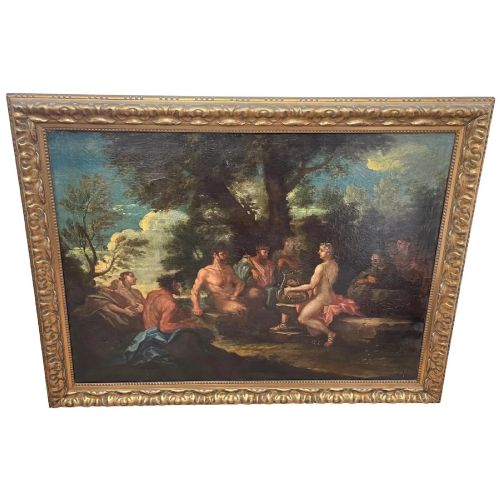
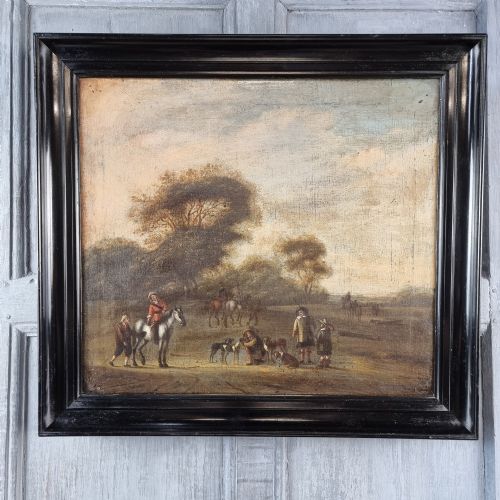
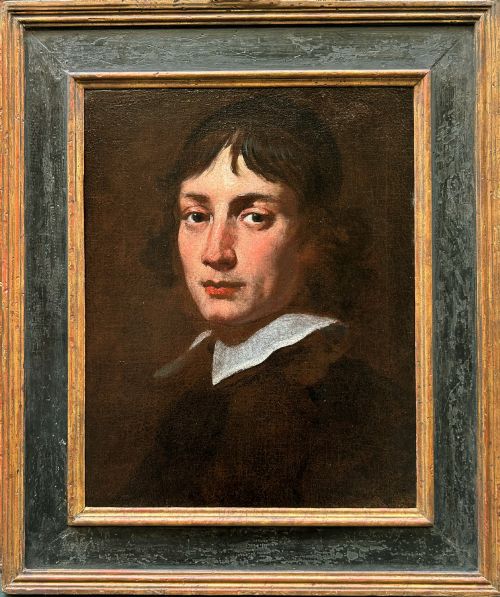
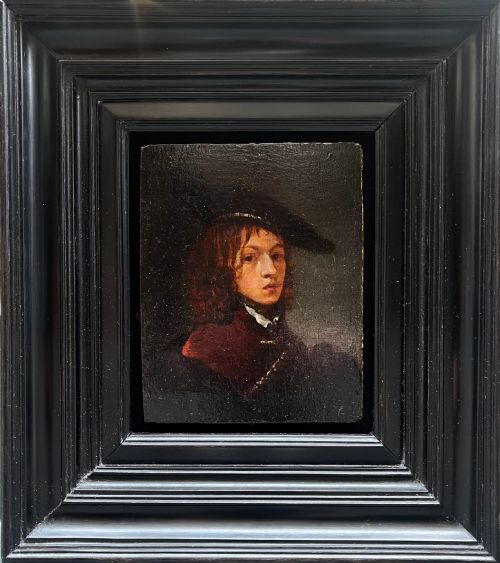
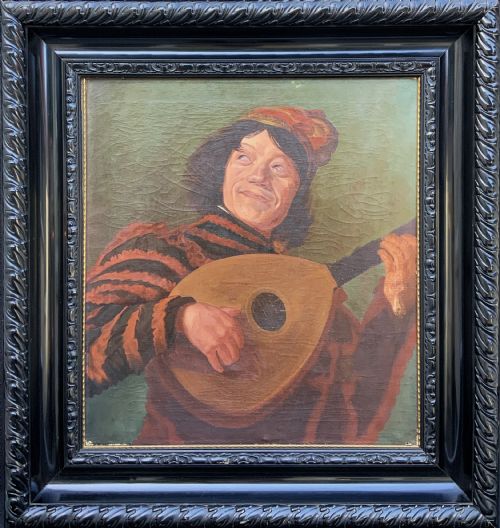
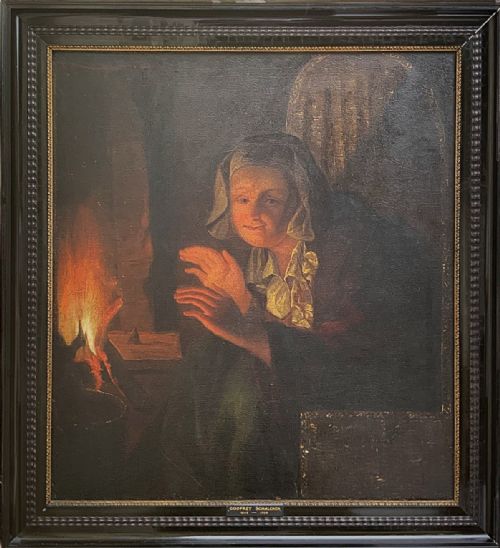
A baroque figure oil painting presents dramatic human forms, classical mythology, biblical narratives and historic portraits rendered through rich pigment and chiaroscuro. You will frequently encounter Dutch Golden Age, Flemish, French and Italian school works originating from the seventeenth and eighteenth centuries, alongside later nineteenth-century interpretations.
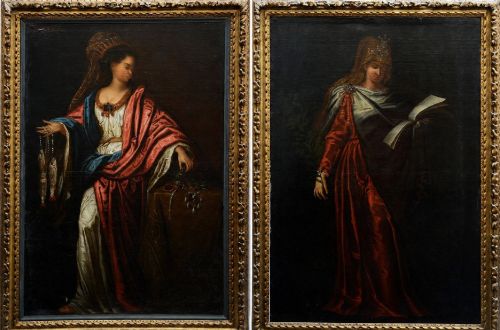
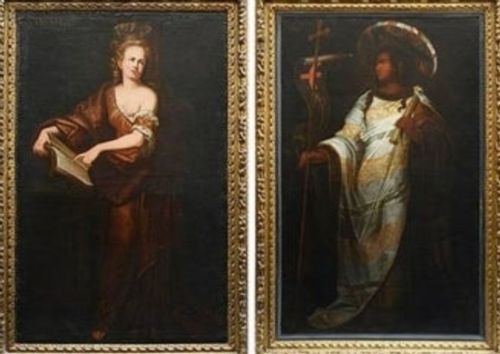
The subjects range from mythological scenes involving deities and sibyls to half-length portraits of cavaliers and noble figures set within carved giltwood frames. Canvas remains the primary support, though wood panels occasionally appear among the listings.
Regional schools shape the compositions, shifting from the meticulous detail of Dutch portraiture to the theatrical movement found in Venetian and French mythological works.
Materials and technique
These works are executed in oil on canvas or wood, utilising layered pigments to build deep shadows and luminous highlights characteristic of the period. Artists applied paint with confident brushwork to capture the texture of fabrics, flesh and landscape elements.
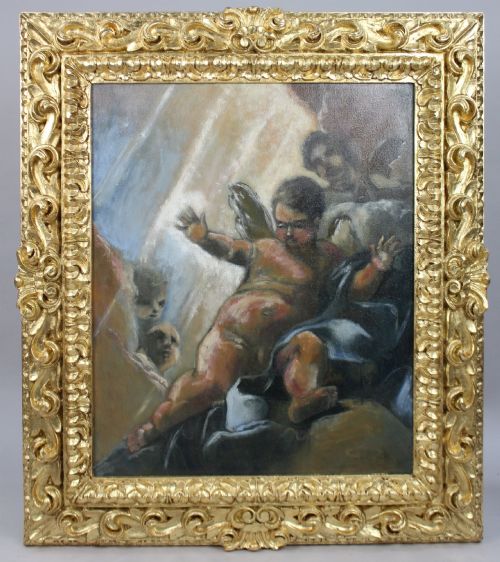
Many canvases are housed in period or revival carved giltwood frames featuring floral motifs and ornate ornamentation that complement the dramatic depth of the paintings.
Listings feature oil on canvas and wood supports spanning the seventeenth, eighteenth and nineteenth centuries, alongside mid-twentieth-century Renaissance style works.
Evaluating quality
Quality rests upon the strength of the composition, the handling of anatomy and drapery, and the subtlety of the tonal contrasts within the figures. Works by direct pupils, circles of recognised masters or period studio hands demonstrate superior draughtsmanship compared to later interpretations.
The integrity of the canvas surface, the preservation of the original pigment layers and the quality of the carved giltwood frame significantly influence the standing of an individual piece.
Sir Peter Lely·Sir Godfrey Kneller·Charles D’Agar·Guillaume Courtois·Godfried Schalcken·Cornelis Van Poelenburgh·Bartolomeo Schedoni·Peter Paul Rubens·Pietro D’asaro·Andrea Celesti
The Baroque Figure Oil Painting Glossary
- Chiaroscuro
- The strong contrast between light and dark used to give three-dimensional volume to figures in these compositions. This technique defines the theatrical atmosphere typical of seventeenth-century canvases.
- Sibyl
- A prophetic woman from classical mythology frequently depicted in historical and religious art. They appear in pairs or single studies within seventeenth and eighteenth-century Italian and French school paintings.
- Giltwood
- Wood that has been covered with a thin layer of gold leaf. Carved frames in this material frequently accompany seventeenth and eighteenth-century oils.
- Provenance
- The chronological record of ownership tracing a work through history. Documentation helps attribute works to specific European schools or named followers of master painters.
- Dutch Golden Age
- A period in Dutch history spanning the seventeenth century noted for exceptional output in painting. Works from this tradition focus on realistic portraiture and domestic or historical narratives.
Baroque Figure Oil Painting: Frequently Asked Questions
How do I identify a seventeenth-century canvas?
Look to the handling of the pigment, the preparation of the canvas ground, and the stylistic conventions of the period's regional schools.
Examining the reverse of the stretcher and the joinery of the frame often provides additional clues regarding the age of the object.
What is the difference between Dutch and Italian styles?
Dutch works tend to emphasise intimate lighting, psychological depth and precise realism in portraiture and landscape settings.
Italian compositions lean toward theatrical mythology, grand narratives and dramatic physical gestures inspired by classical sources.
Are these paintings cleaned or restored?
Many antique canvases have undergone conservation work over the centuries to stabilize the paint layer and remove darkened varnish.
Professional intervention preserves the structural integrity of the linen and the clarity of the original pigments.
How should I hang a framed oil painting?
Select a wall with stable humidity away from direct sunlight and heat sources to protect the canvas and the giltwood frame.
Ensure the hanging hardware is rated to support the substantial weight of the timber stretcher and carved moulding.