



Baroque Carved Wooden Angel
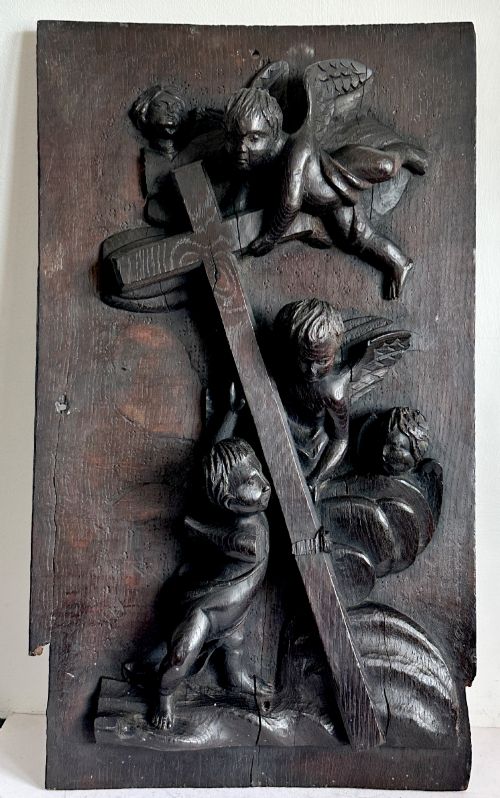
A baroque carved wooden angel brings dramatic ecclesiastical presence to an interior, offering centuries of historic craftsmanship in solid carved timber.
Baroque Carved Wooden Angel
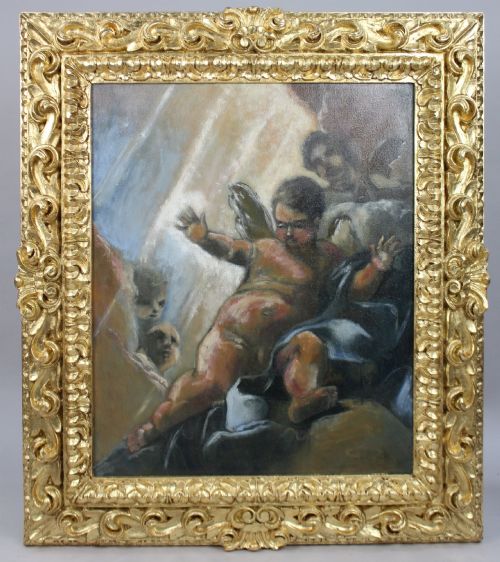
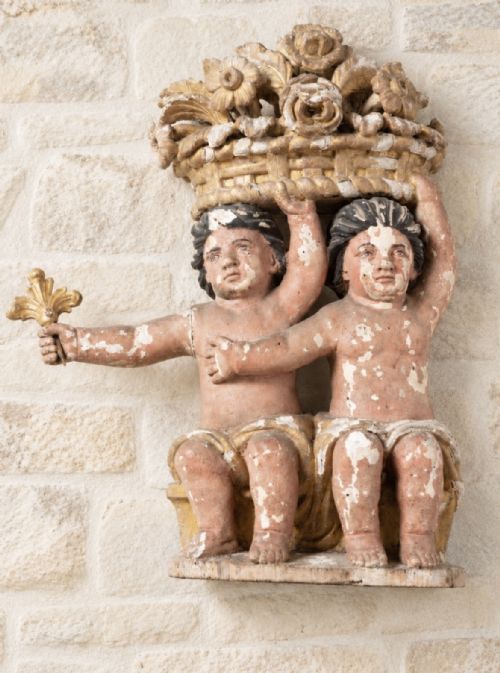
When searching for a baroque carved wooden angel, a buyer encounters a range of historic sculptures, architectural fragments, and wall brackets spanning multiple centuries. These pieces originate from ecclesiastical settings, taking the form of kneeling figures, cherub heads, and putti mounted on clouds.
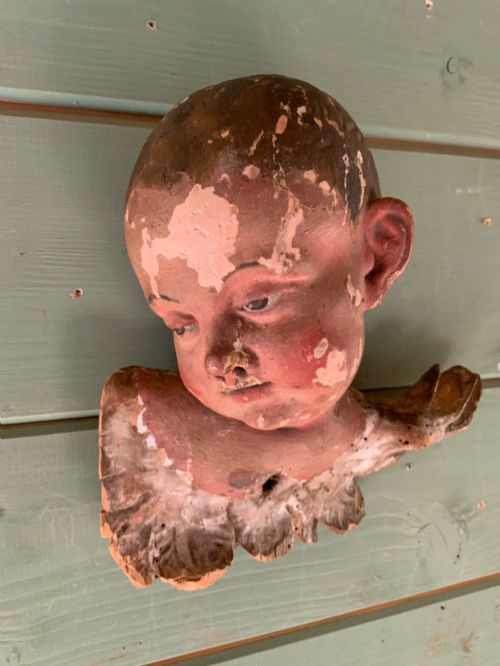
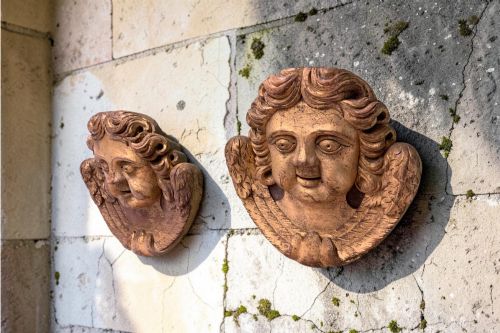
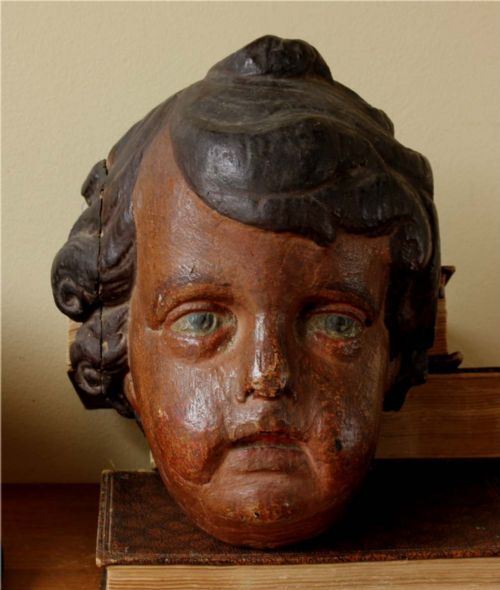
The most common version met on this page is the individual cherub head or putti figure, often carved in oak, pine, or fruitwood. Many retain traces of their original surface decoration, including gesso, gold leaf, and polychrome paint.
Objects range from austere seventeenth-century oak panels to exuberant nineteenth-century revival pieces with giltwood finishes. They function primarily as wall reliefs, architectural salvage, or decorative carvings rather than freestanding statues.
How they were made
Carvers shaped these figures from solid blocks of timber such as oak, utilising traditional hand gouges and chisels to achieve deep, theatrical folds in drapery and soft facial expressions. The underlying wood was often prepared with a layer of gesso to provide a smooth ground for subsequent decoration.
Surfaces were frequently finished with gold leaf applied over bole, or painted with polychrome pigments and silvered layers to catch candlelight in dimly lit churches. These combined techniques created the characteristic rich texture associated with ecclesiastical art of the period.
Current listings feature timber specimens spanning from the seventeenth century through to mid-twentieth-century Italian interpretations.
What varies in quality
The distinction between average and exceptional work lies in the anatomical confidence and depth of the carving. Master carvers rendered wings, curls, and flesh with dynamic movement and convincing volume, whereas lesser pieces appear stiff and shallow.
Survival of original surface treatments defines the upper tier of examples. Pieces retaining undisturbed historic polychrome paint, silvering, or gold leaf command greater interest than those stripped to bare wood or heavily repainted.
The Baroque Carved Wooden Angel Glossary
- Putto
- A representation of a human infant, usually winged, common in religious and secular art. They often appear as attendants in larger architectural compositions.
- Polychrome
- Decoration consisting of several colours applied to wood or gesso surfaces. This finish was standard for church figures to enhance realism.
- Giltwood
- Timber covered with a thin layer of gold leaf or powder. It catches the ambient light effectively in ecclesiastical interiors.
- Gesso
- A plaster mixture used as a smooth base for painting or gilding on wood. It allows fine detail work to be incised directly onto the prepared surface.
- Wall Bracket
- A projecting support fixed to a wall, frequently carved with figural motifs. These often served as structural or decorative ledges in religious buildings.
Baroque Carved Wooden Angel: Frequently Asked Questions
Where were these figures originally placed?
These carved figures typically adorned church altars, choir stalls, and architectural woodwork. They were designed to elevate the spiritual atmosphere of sacred spaces.
Over time, many were removed during ecclesiastical renovations, entering private collections as decorative wall panels or architectural salvage.
How do I clean a historic wooden angel?
Dust these delicate carvings gently with a dry, soft brush to remove surface debris. Avoid water, modern cleaning sprays, or abrasive cloths.
Moisture can damage fragile gesso, gold leaf, and aged polychrome paint layers, causing the historic finishes to flake or lift.
How can I tell an older carving from a revival piece?
Seventeenth and eighteenth-century carvings generally display tool marks consistent with hand tools of the period, alongside dry, dense timber. The wear patterns on the wood show genuine age.
Revival pieces from the nineteenth century often exhibit different finishing techniques, machine-sawn backing timbers, or styling that borrows heavily from earlier eras.
Can these sculptures be mounted on a wall?
Many of these pieces are specifically formed as wall reliefs, panels, or brackets designed for suspension. They often feature integrated hanging points or flat backs for this purpose.
Careful assessment of the weight and mounting structure is necessary to ensure the historic timber remains secure.