
Barley Twist Lamp
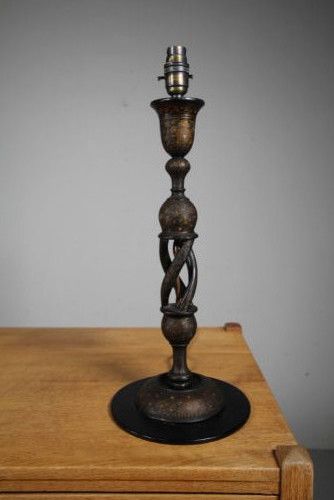
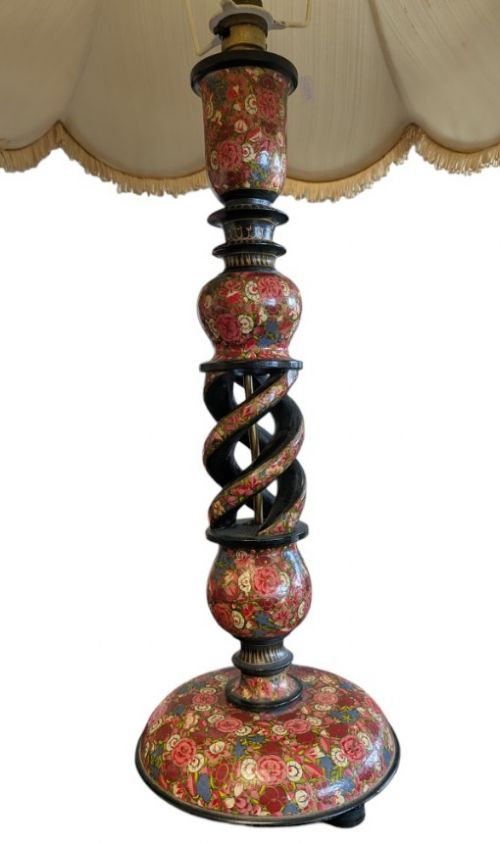
You are looking at a barley twist lamp, a sculptural turned lighting fixture designed to catch the eye.
Barley Twist Lamp
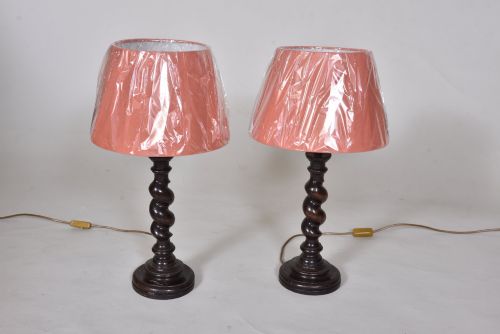
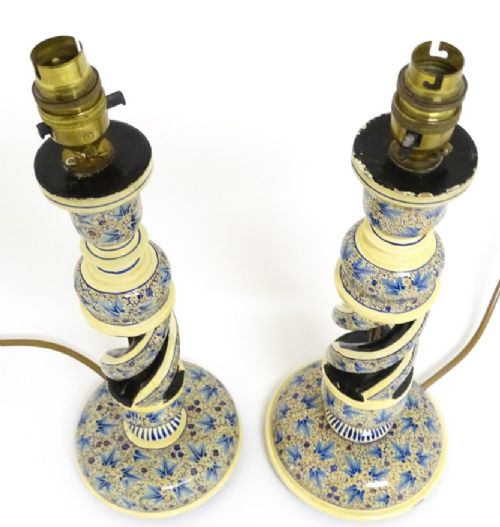
A barley twist lamp takes the form of a spiralling, rope-like column turned from timber or cast in metal to hold a bulb and shade. When you search for a barley twist lamp, you meet floor-standing standards and smaller table versions shaped during the Victorian and Edwardian periods.
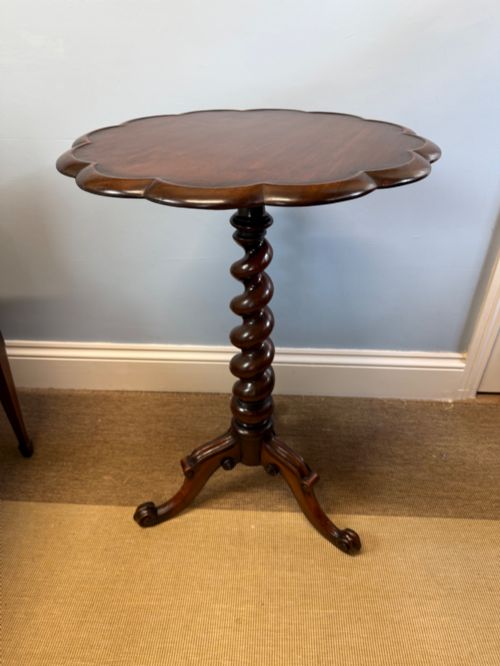
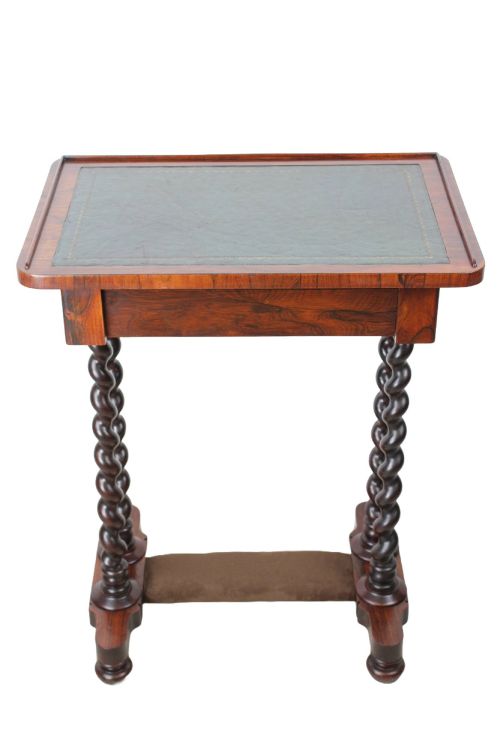
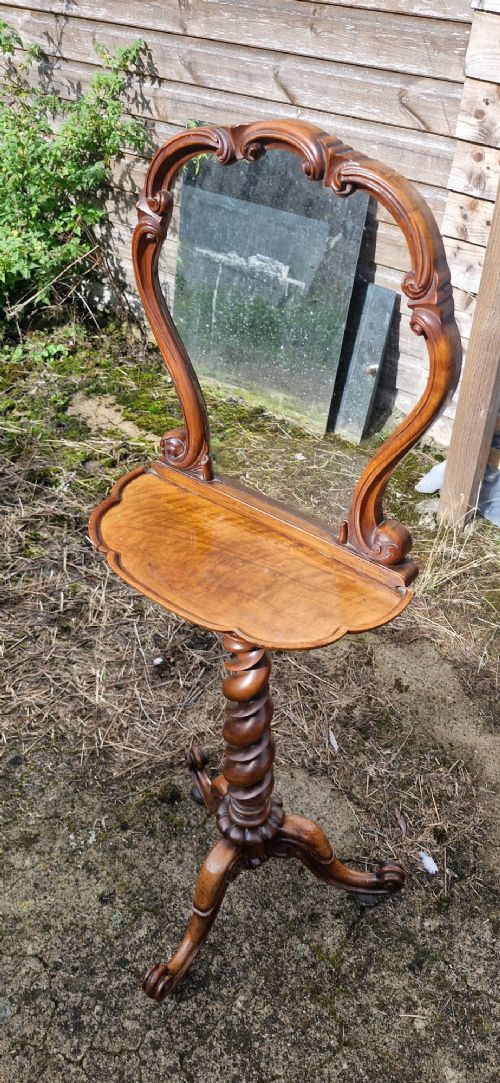
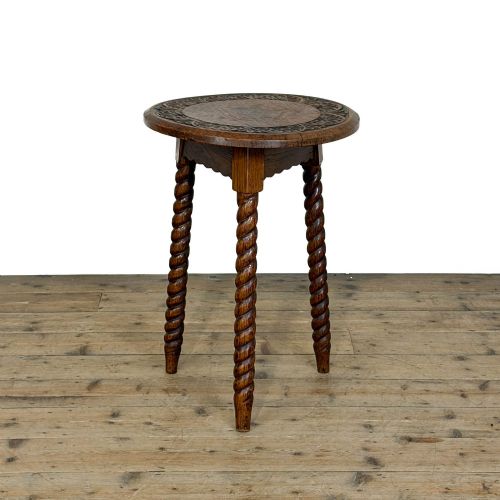
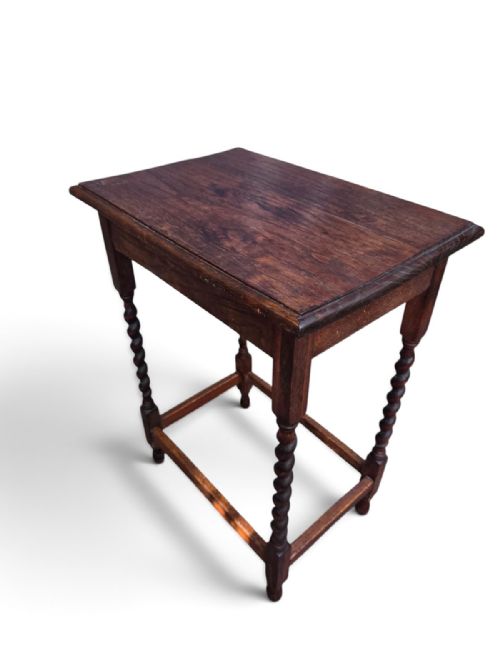
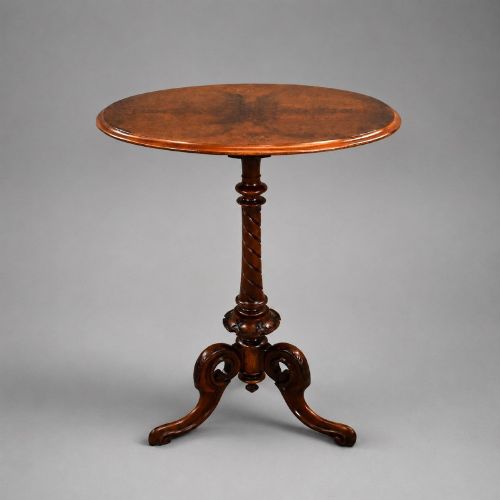
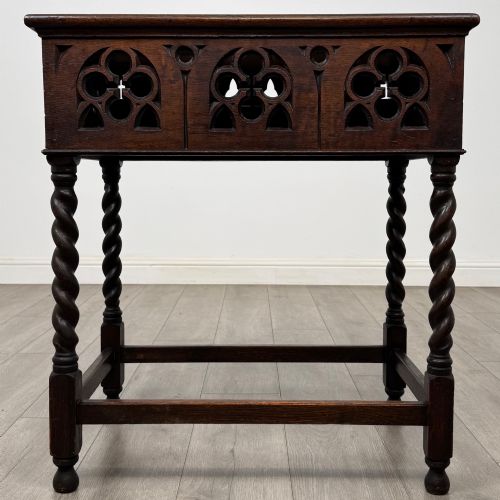
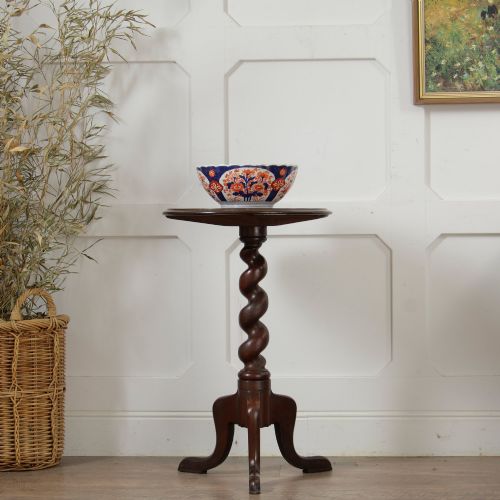
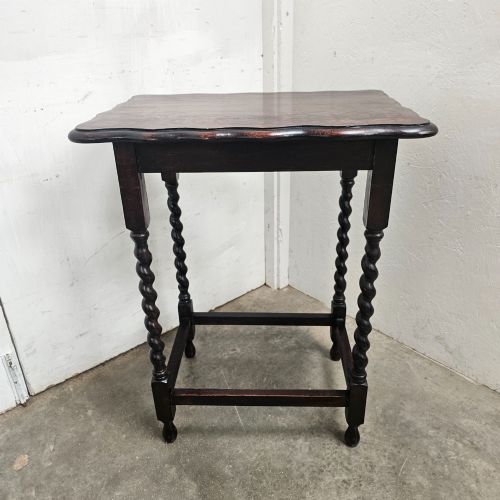
The oak and walnut examples show the grain wrapping tightly around the central axis, often standing beside matching occasional tables or standard lamps. These lighting pieces bring vertical texture into a room, utilising the helical turn to create movement across solid wood or polished brass.
Most pieces seen here date from the late nineteenth century through to the 1930s, reflecting a sustained demand for traditional woodwork. You will find them in dark English oak, richer burr walnut, and occasionally cast brass, maintaining a familiar domestic footprint.
How they were made
Turners shaped these columns on a lathe, cutting the diagonal helix into solid timber such as oak, mahogany, or walnut, and occasionally forming them in brass. The crispness of the spiral depended on the density of the wood and the precision of the hand-cutting.
Makers finished the timber surfaces with polish or wax to accentuate the grain winding down the stem, while metal versions utilised cast columns mounted on weighted bases. Electrical wiring was added later to older standards, converting oil or candle supports for modern domestic use.
Several standard lamps carry the exact scars of having their original oil fittings converted to electricity by optimistic twentieth-century electricians.
What varies in quality
The distinction between ordinary and exceptional columns lies in the depth and uniformity of the hand-cut spiral. A sharper, more pronounced twist reveals greater cabinet-making skill than a shallow, machine-smoothed profile.
Proportion and material choice dictate the presence of the piece, with dense burr walnut and heavy brass carrying more visual weight than lighter stained woods. The stability of the base and the integrity of the turned joints determine how well the structure holds its height over time.
The Barley Twist Lamp Glossary
- Barley twist
- A spiralling column turned in wood or metal resembling the stalk of barley. This profile became popular in seventeenth-century furniture and returned during the Victorian and Edwardian revivals.
- Standard lamp
- A tall floor-standing lighting fixture designed to illuminate a room from a corner or beside seating. These tall columns often repeat the spiral turning seen on smaller table pieces.
- Occasional table
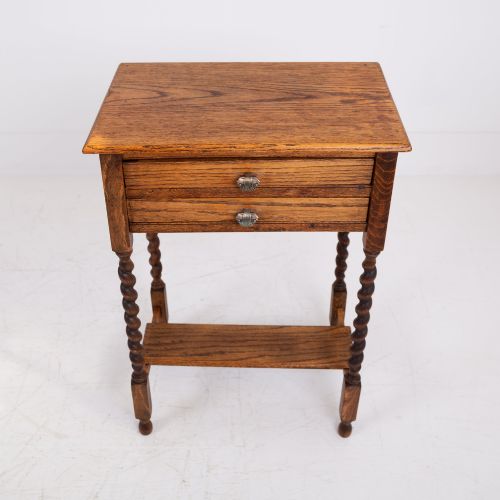
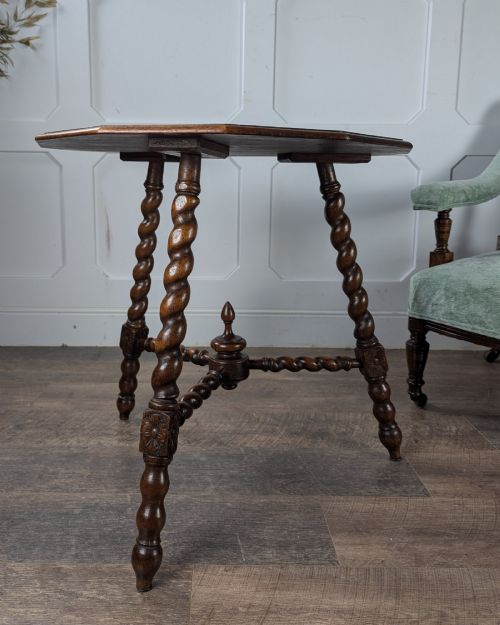
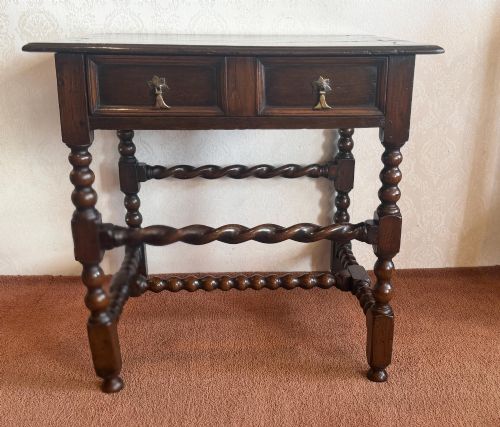
- A small, movable side table frequently paired with lamps in nineteenth-century interiors. They share the turned legs characteristic of the period.
- Bobbin turned
- A style of turning that creates a series of rounded wooden spheres along a shaft. It appears alongside helical cuts on earlier seventeenth-century furniture.
- Pedestal
- The supporting base or column of a table or lamp. In standard lamps, this central pillar bears the weight of the fitting and shade.
Barley Twist Lamp: Frequently Asked Questions
What periods do these lamps come from?
The listings on this page span the Victorian and Edwardian eras, with many examples originating in the 1920s and 1930s. Makers frequently revived seventeenth-century turning styles during these later decades.
You will also find nineteenth-century timber and brass standards that reflect earlier stylistic revivals, particularly the Jacobean and Gothic tastes.
Are floor lamps and table lamps different?
Floor lamps, often called standard lamps, stand tall enough to cast light downward from a higher vantage point in a room. Table lamps are smaller versions designed to sit on side tables or desks.
Both forms share the characteristic spiralling wooden or metal column, but their scale determines whether they sit on the floor or furniture.
Which woods were used for the columns?
Oak is the timber most commonly encountered in these twisted columns, offering a robust grain that holds a sharp spiral. Walnut and mahogany also appear frequently, providing a smoother, darker finish.
Finer pieces sometimes utilise burr walnut or rosewood, displaying richer figuring that catches the light along the turned ridges.
How do I live with a wooden standard lamp?
A tall standard lamp works well in the corner of a sitting room, where its vertical helix adds texture without crowding the floor space. Pair it with traditional side tables or place it near period seating to anchor the room.
Ensure the base remains stable on your floor surface, and match the scale of the shade to the height of the turned column.