




Barbedienne Bronze Figure
A barbedienne bronze figure brings nineteenth-century French foundry mastery into a room, offering classical and animalier sculpture cast to the highest standard.
Barbedienne Bronze Figure
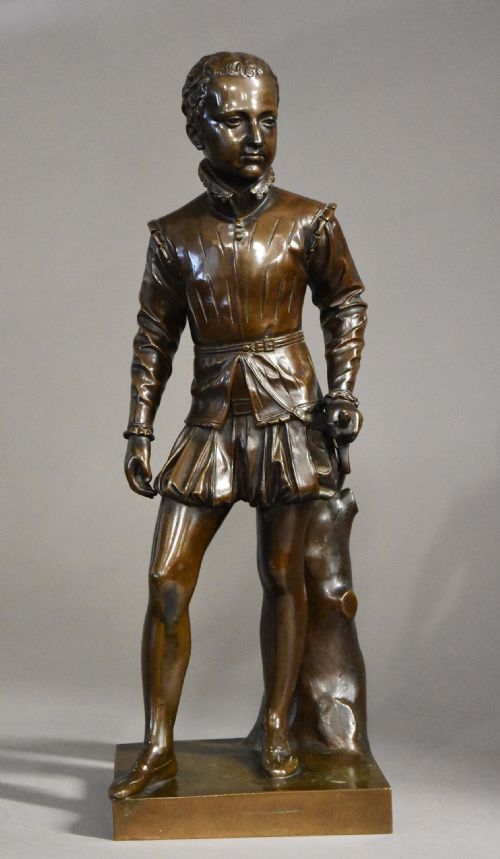
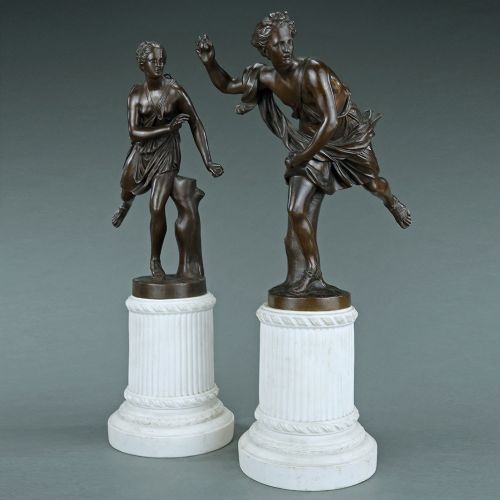
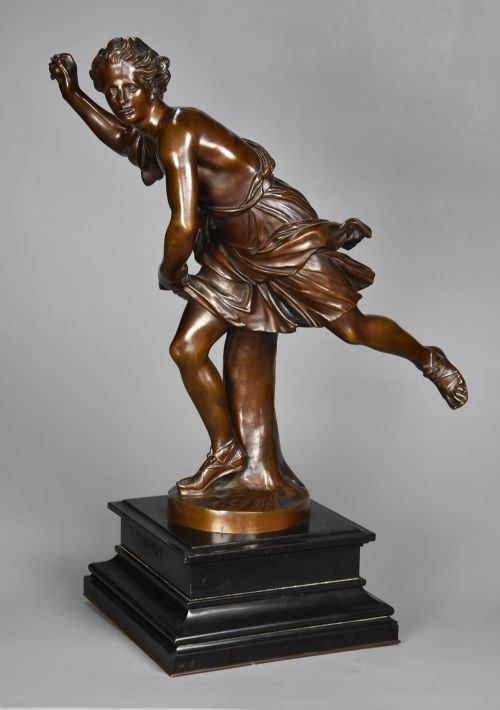
When you search for a barbedienne bronze figure, you look at nineteenth-century French metalwork produced by the renowned foundry of Ferdinand Barbedienne. These pieces range from mythological subjects and classical figures to animalier studies modelled by prominent sculptors.
The versions most common on this page date from the latter half of the nineteenth century. They incorporate patinated, gilt, and parcel-gilt bronze, frequently mounted on marble or ebonised wood plinths.
Subjects draw heavily on antique precedents, Grand Tour themes, and works by masters such as Antoine-Louis Barye and Coustou. Each sculpture reflects the rigorous academic standards of French nineteenth-century casting.
What varies in quality
The depth and consistency of the original patina affect the overall visual impact. Rich, multi-toned patination applied with sensitivity elevates a piece far above a flat, uniform chemical wash.
Barbedienne Bronze Figure Retail Price Guide 2026
Typical asking prices for barbedienne bronze figure among the pieces listed under this phrase on Sellingantiques today, from the lower quarter to the upper quarter. They describe what is for sale here now, not the wider market.
A gilt stork balancing persistently on top of a stone turtle demonstrates the whimsical side of nineteenth-century animalier casting.
Ferdinand Barbedienne·Antoine Louis Barye·Louis Ernest Barrias
The Barbedienne Bronze Figure Glossary
- Patinated bronze
- Bronze treated with chemical solutions to produce a coloured surface layer, typically ranging from rich brown to near black. This finish protects the metal and defines the sculptural contours.
- Animalier
- A nineteenth-century French artistic movement focused on the realistic depiction of animals, particularly wild beasts and domestic hounds. Sculptors in this genre worked closely with foundries to capture kinetic energy.
- Grand Tour
- A traditional trip through Europe undertaken by upper-class scholars to view classical antiquities. Bronzes produced in this style replicated famous ancient statues for collectors to take home.
- Parcel-gilt bronze
- Metalwork finished with selective application of gold leaf or gilding to specific areas, contrasting with dark patinated sections. This technique emphasises particular elements of costume or ornament.
- Chasing
- The process of refining a raw metal cast using small punches and hammers to sharpen details. Skilled chasers removed casting flaws and restored texture before final patination.
Barbedienne Bronze Figure: Frequently Asked Questions
How do I identify a genuine casting?
Authentic pieces usually bear foundry stamps, signatures, or medallions embedded directly into the metal base during production. These marks correspond to the operational periods of the Parisian workshops.
Examination of the underside and interior reveals the construction methods and colour of the ageing bronze alloy typical of the nineteenth century.
Where should I display these sculptures?
Place figures on sturdy consoles, pedestals, or mantelpieces where adequate lighting highlights the patination and depth of the metal. Avoid direct sunlight or damp environments that might destabilise marble bases or alter the surface.
Ensure the piece sits at an appropriate viewing height so the details of the modelling remain visible from a seated or standing position.
What subjects are most common?
Mythological figures, classical antiquities after famous marble statues, and naturalistic animal studies dominate the output of this period. Subjects often reflect French academic taste and nineteenth-century interpretations of antiquity.
Human figures range from allegorical representations to historical portraits of French monarchs and literary characters.