
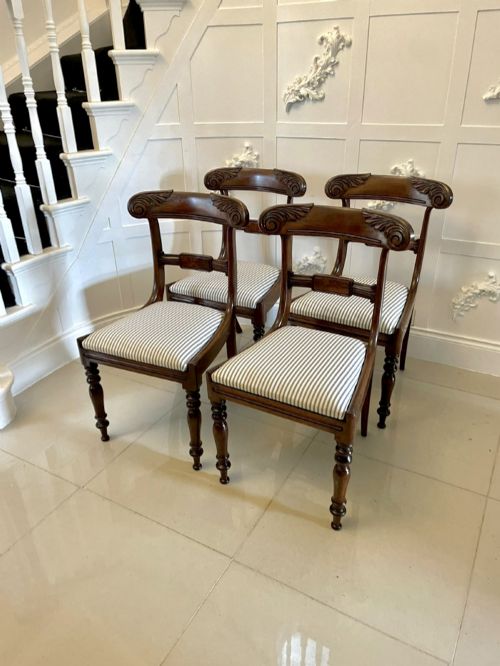


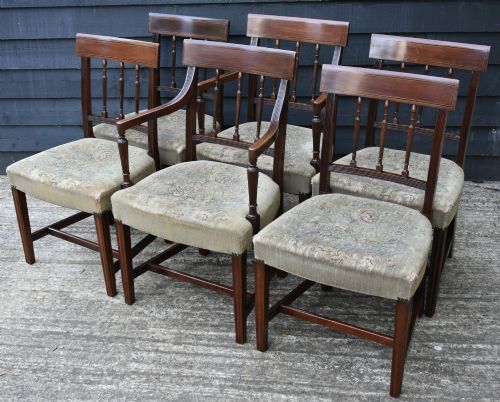
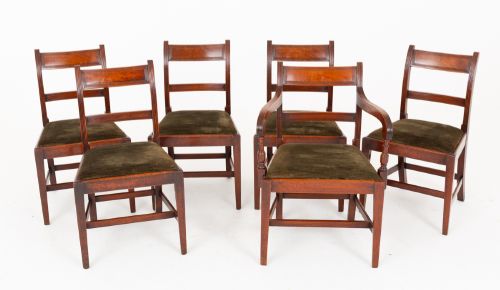
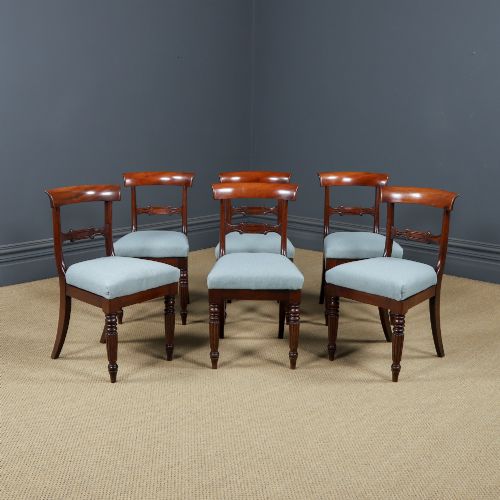
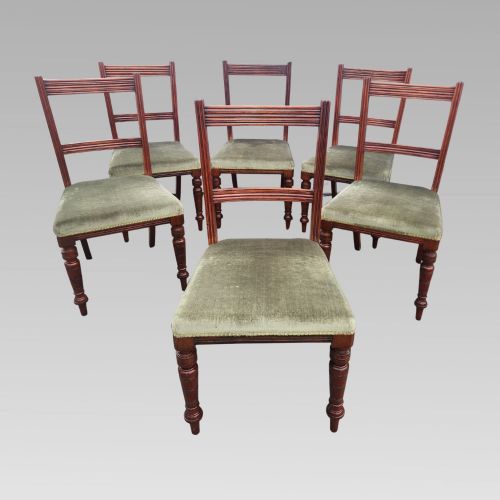
Bar Back Dining Chairs
Bar back dining chairs offer defined slat support and sturdy timber frames that anchor period dining rooms with classic proportion.
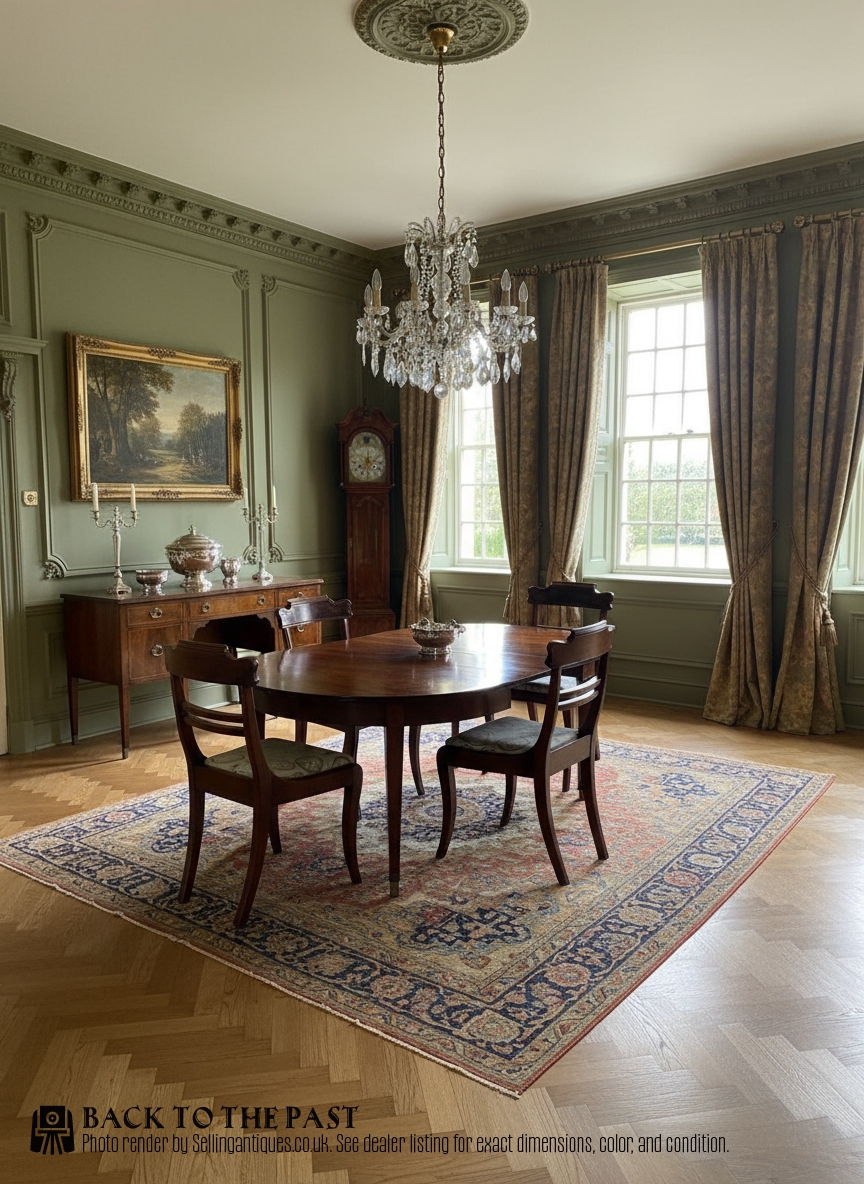
Bar Back Dining Chairs
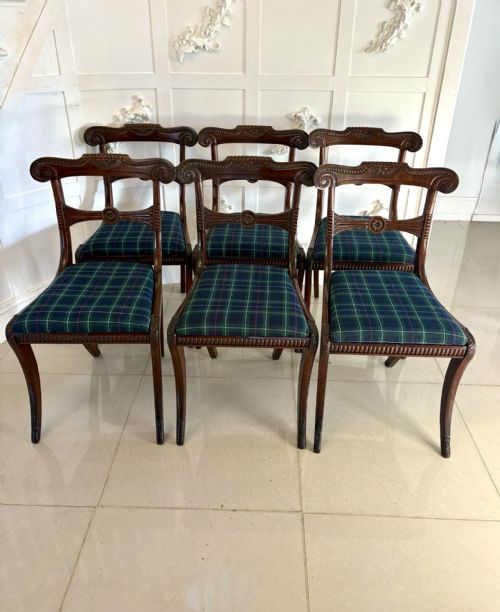
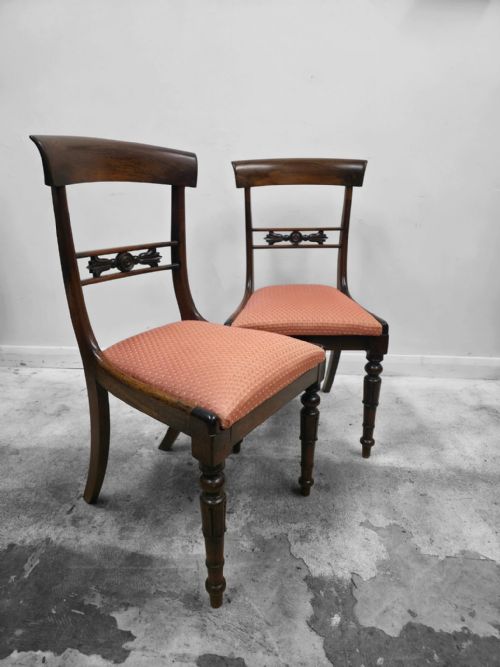
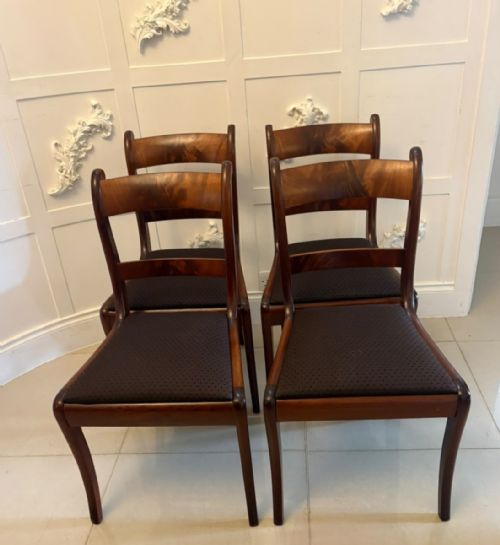
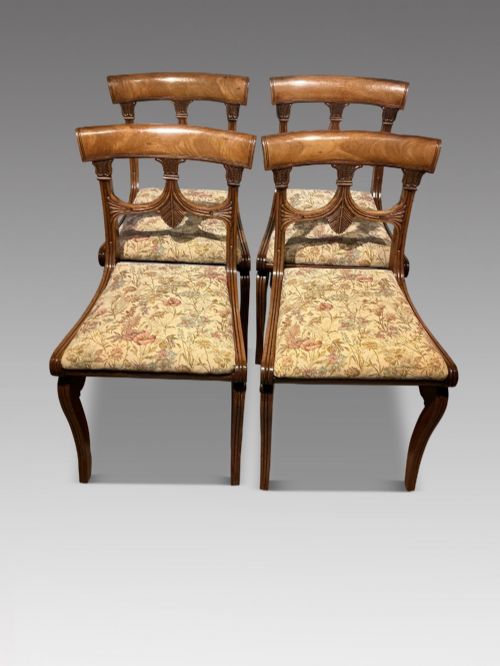
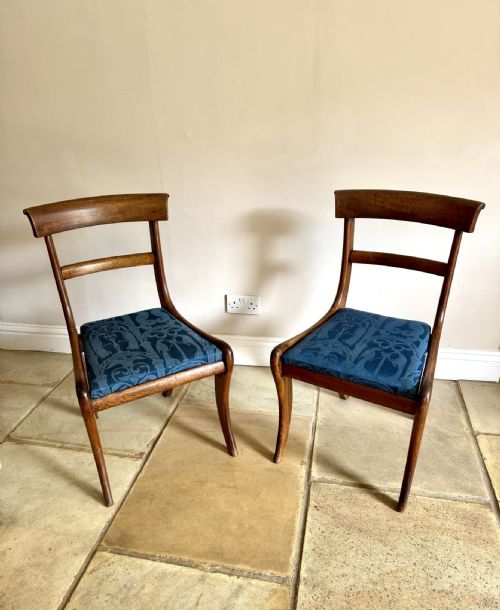
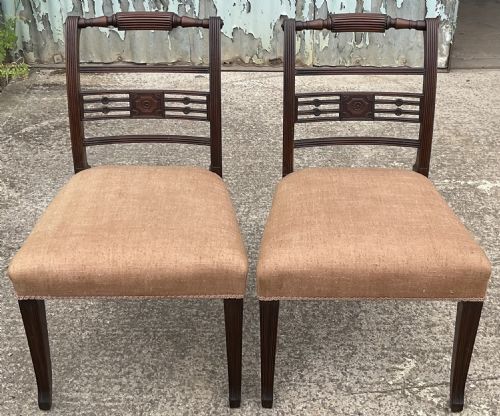
Bar back dining chairs are seating options characterised by a horizontal transverse rail across the upper section, designed to support the back during formal meals. When searching for bar back dining chairs, buyers encounter pieces originating predominantly from the Georgian, Regency, William IV, and Victorian eras.
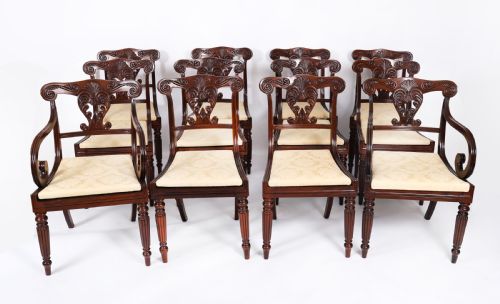
The most common configurations found in these listings include matched sets of four, six, or eight pieces, alongside occasional carvers and armchairs. Timber selection typically leans towards mahogany, complemented by rosewood and elm variants from regional workshops.
Stylistic influences span from early nineteenth-century Regency curves to later Victorian revivals, demonstrating how domestic seating evolved across distinct design periods.
Materials and Construction
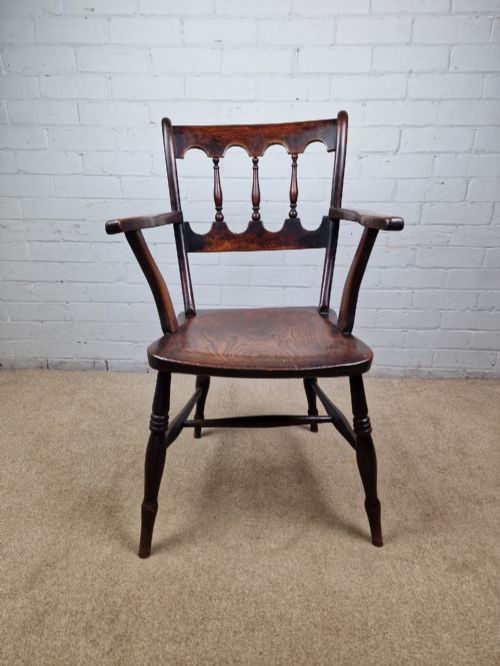
Makers relied heavily on dense tropical hardwoods like mahogany and rosewood, alongside domestic timbers such as elm and beech for country and Windsor variations. These woods were chosen for their tensile strength, allowing slender crossbars and curved stiles to bear weight without snapping.
Joinery methods involved traditional mortise and tenon joints to secure the seat frames and back rails. Upholstered drop-in or stuffed seats were subsequently finished in leather, fabric, velvet, or damask.
Decorative detailing on these frames often incorporated brass inlays, ebony stringing, or hand-carved bar rails that matched the sabre or turned legs below.
Bar Back Dining Chairs Retail Price Guide 2026
Typical asking prices for bar back dining chairs among the pieces listed under this phrase on Sellingantiques today, from the lower quarter to the upper quarter. They describe what is for sale here now, not the wider market.
Listings feature mahogany predominantly, alongside rosewood and elm across Georgian, Regency, and Victorian periods.
Quality and Craftsmanship
The distinction between ordinary and superior pieces rests on the crispness of the carving and the selection of timber grain. High-end examples display meticulously matched veneers and deeply figured mahogany, whereas lesser pieces utilise plain, uniform boards.
Structural integrity also separates the tier levels, visible in the tightness of the joinery and the original thickness of the rear stiles. Chairs that retain their matching set integrity without extensive timber replacement command greater attention from collectors.
The Bar Back Dining Chairs Glossary
- Bar Back
- A chair design featuring a solid horizontal wooden splat or rail across the upper backrest, often curved for comfort. This layout is typical of nineteenth-century dining seats.
- Carver
- An armchair designed to match a set of smaller side chairs, traditionally placed at the heads of a dining table. These often feature scrolled armrests.
- Sabre Leg
- A convexly curved chair leg that tapers towards the foot, reminiscent of a cavalry sword. This form appears frequently on Regency examples.
- Reeded Leg
- A cylindrical furniture leg carved with parallel convex mouldings that resemble bundled reeds. It provides vertical visual texture to the underframe.
Bar Back Dining Chairs: Frequently Asked Questions
What is a bar back chair?
A bar back chair incorporates a solid, horizontal wooden rail across the top of the backrest rather than vertical splats. This design provides robust lower back support.
Such chairs became standard for formal dining rooms throughout the Regency and Victorian periods.
How do I identify Regency chairs?
Regency pieces often display classical influences, including sabre legs, reeded framing, and brass inlay. The timber used is predominantly dark mahogany.
They date from the early nineteenth century and prioritise clean structural lines.
Can I mix different wood tones?
Mahogany and rosewood pieces from the nineteenth century share deep, warm undertones that coordinate naturally. Variations in grain pattern add visual depth to a dining space.
Matching the overall chair height and leg style remains more important than exact timber uniformity.