



Baluster Temple Jar
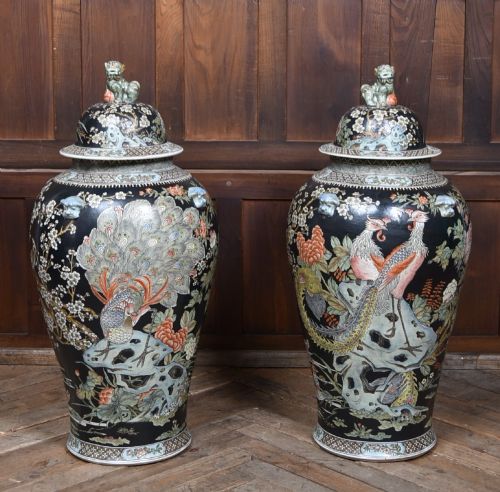
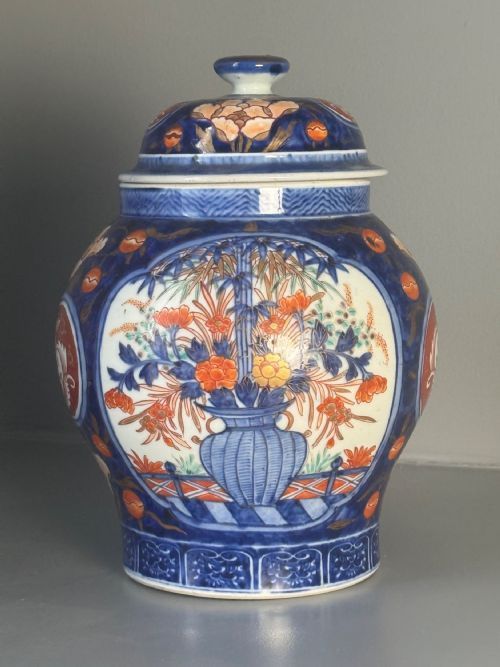
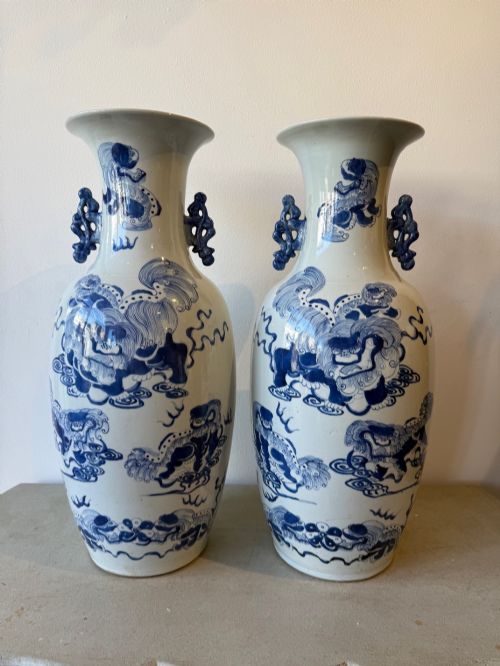
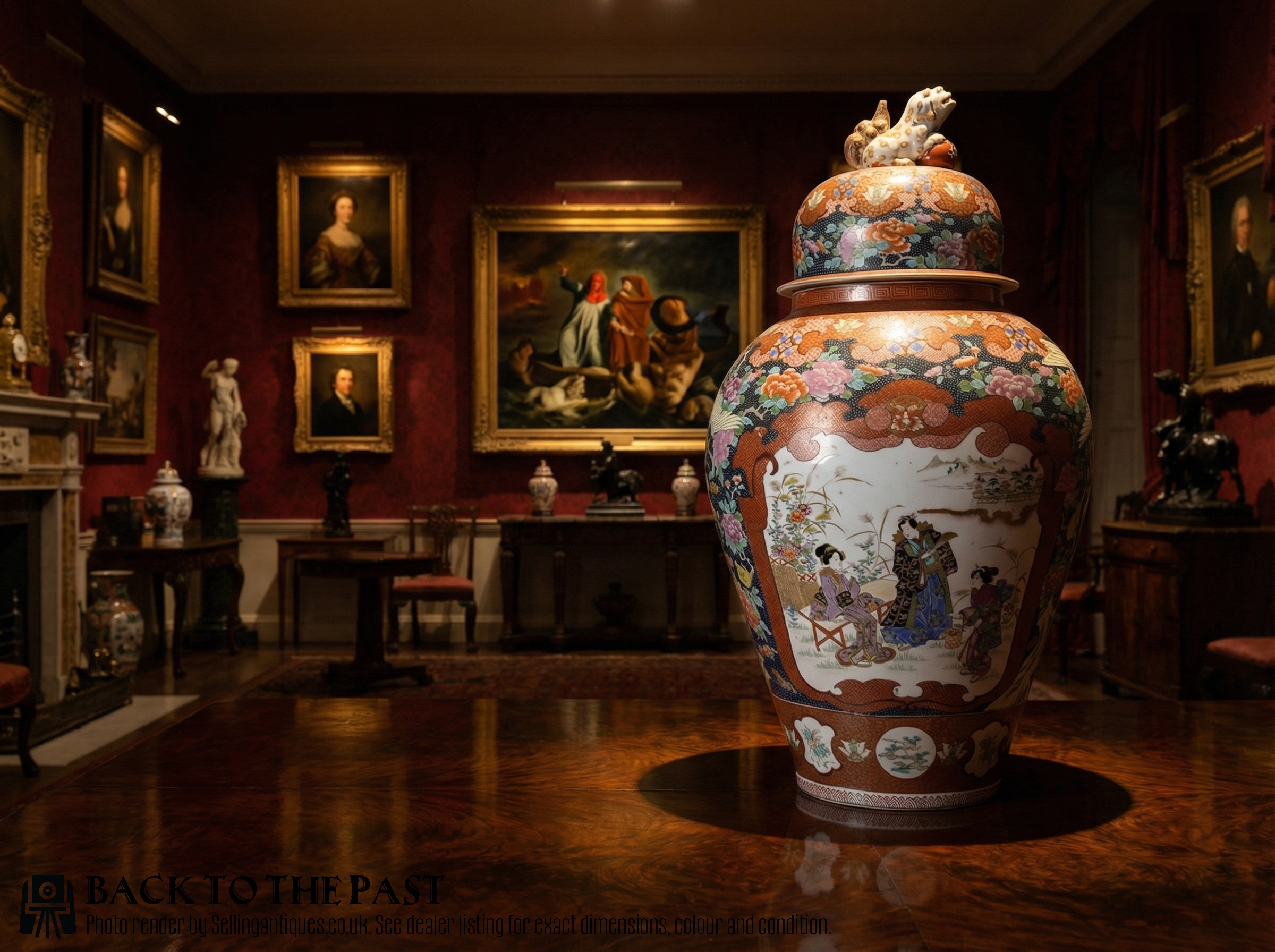
These baluster temple jar examples are substantial ceramic vessels originating from Chinese and Japanese kilns, offering serious decorative presence to any room.
Baluster Temple Jar
When searching for a baluster temple jar, a buyer encounters substantial ceramic vessels shaped with a wide body tapering towards the base and foot, often topped with a fitted cover. These pieces span centuries of production, appearing in porcelain decorated with styles from the Qing Dynasty and Edo Period.
The versions most likely to meet a buyer on this page include Chinese palace floor jars, large Japanese Imari lidded vases, and Cantonese Rose Mandarin vessels. Many of these date from the nineteenth century, alongside examples drawing on earlier seventeenth and eighteenth century designs.
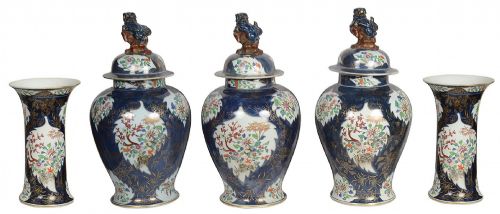
Makers and workshops across Britain and continental Europe also produced interpretations, including French vases and Mason's ironstone pieces. Buyers also find garnitures of matching vases designed for formal mantel or cabinet display.
How they were made
Potters formed these substantial vessels from porcelain, shaping the characteristic curved silhouette before applying intricate surface decoration. Artisans utilised overglaze enamel, blue and white pigments, and rich gilding to create complex pictorial and floral schemes.
Many of the finest examples incorporate metal mounts, particularly ormolu, which frame the porcelain body and secure fitted covers. Glaze application varied from delicate powder blue to vibrant Famille Rose and Imari palettes, fired at high temperatures to achieve a lasting vitrified finish.
Several heavy porcelain jars wear French ormolu hats like Sunday best.
What varies in quality
The distinction between ordinary and exceptional pieces rests upon the precision of the hand-painted brushwork and the depth of the glaze palette. Superior jars display crisp detail in the polychrome enamels and gold leaf work, executed by skilled artisans rather than hurried workshops.
Proportion and scale also dictate quality, particularly in monumental floor jars and garnitures where symmetry across matching pairs remains essential. The inclusion of original matched covers and high-grade ormolu mounts elevates the standing of a piece within the range.
The Baluster Temple Jar Glossary
- Baluster
- A architectural form characterised by a curved contour that swells near the base and tapers upward, lending these jars their distinctive silhouette. This profile provides a stable and visually balanced body for extensive surface painting.
- Imari
- A style of Japanese export porcelain featuring a distinctive palette of underglaze blue, iron red, and gilt overglaze highlights. The style originated during the Edo period and proved widely influential across European ceramics.
- Garniture
- A set of three or more matching vases and jars designed to be displayed together on a mantelpiece or sideboard. These matched groups often alternate in size while sharing identical decorative motifs.
- Famille Rose
- A major palette of Chinese ceramic overglaze enamels dominated by opaque pink or rose colours introduced during the Qing dynasty. The palette allowed for nuanced shading in floral and figural scenes.
- Ormolu
- Finely chased and gilt-bronze mounts applied to decorative porcelain vessels during the eighteenth and nineteenth centuries. These metal additions enhanced the structural presence and luxury appeal of imported jars.
Baluster Temple Jar: Frequently Asked Questions
What is a baluster temple jar?
A baluster temple jar is a large ceramic vessel featuring a curved, bulbous lower body and a fitted lid, historically produced in China and Japan for decorative and ritual interiors.
Over centuries, European makers also adopted the form, creating substantial porcelain and ironstone examples for grand domestic display.
How were these jars used?
These vessels served primarily as grand decorative elements within elite interiors, often arranged in matching sets known as garnitures on mantelpieces or large tables.
Some monumental floor jars stood directly in hallways or reception rooms to demonstrate wealth and refined taste to visitors.
How do I date a temple jar?
Dating relies on examining the specific glaze colours, potting techniques, and stylistic markers associated with periods such as the Qing Dynasty, Edo Period, or Victorian era.
Inscriptions, factory marks, and accompanying metal mounts such as ormolu also provide reliable clues to a jar's period of origin.
Are these jars waterproof?
While manufactured from fired porcelain or ironstone, antique jars with delicate overglaze enamels and gold leaf are rarely suited for holding water or fresh flowers.
Collectors generally display them dry to preserve the fragile hand-painted surfaces from moisture damage and mineral staining.