




Authentic Persian Wool Carpet
An authentic persian wool carpet brings centuries of textile artistry into a room through dense hand-knotted pile and enduring regional patterns.
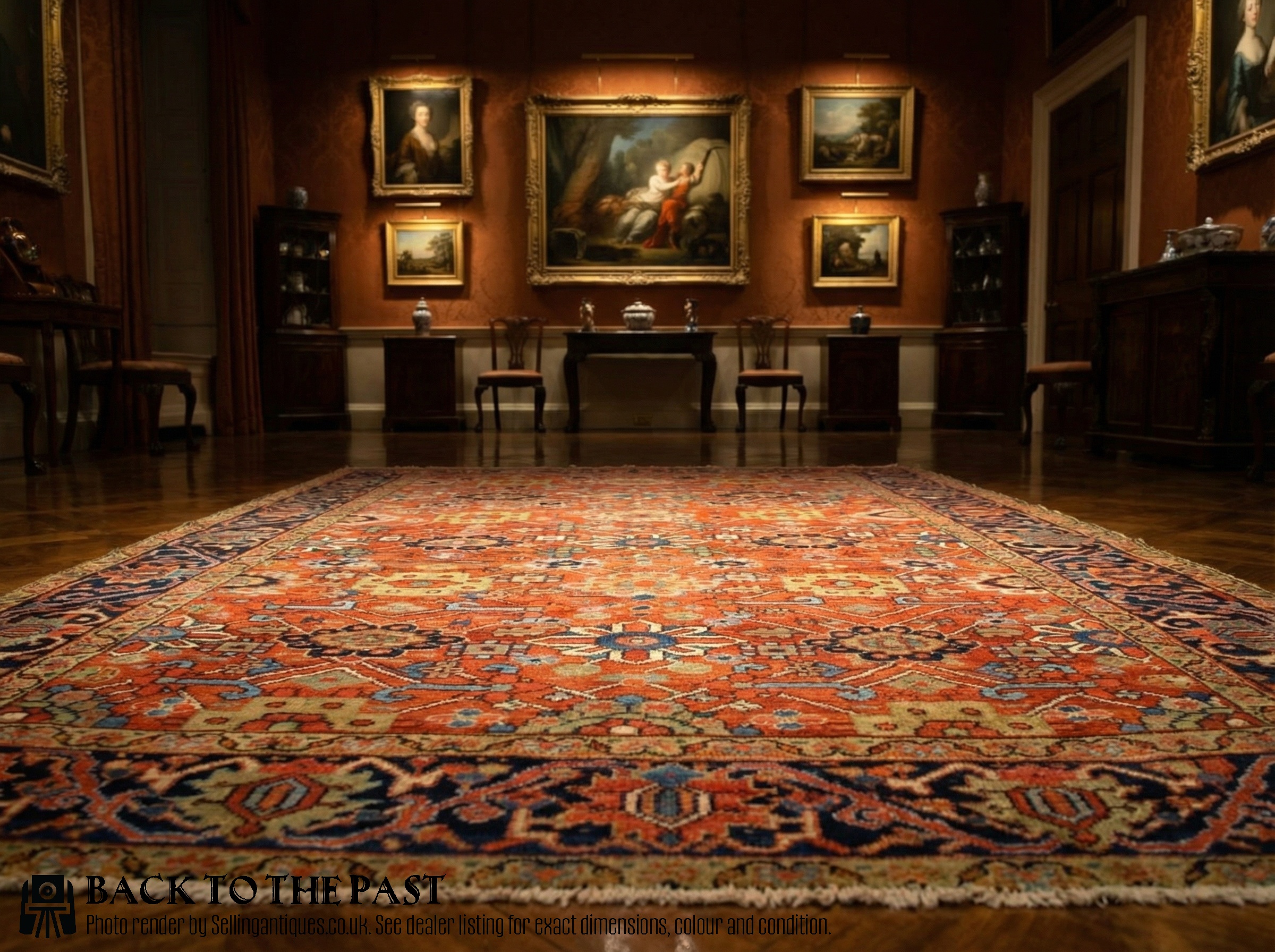
Authentic Persian Wool Carpet
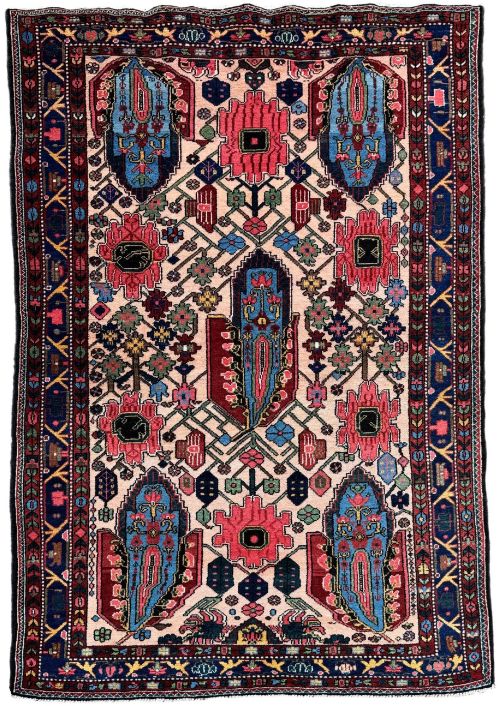
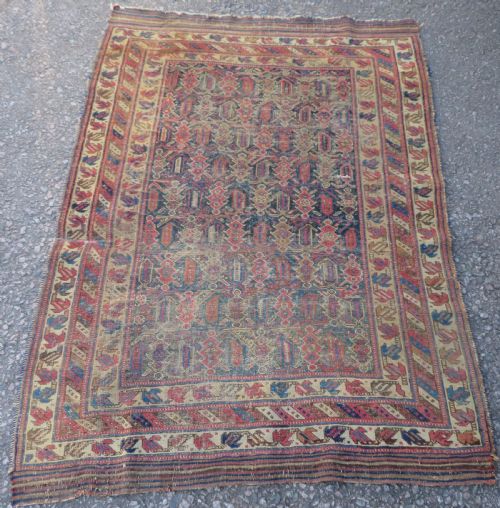
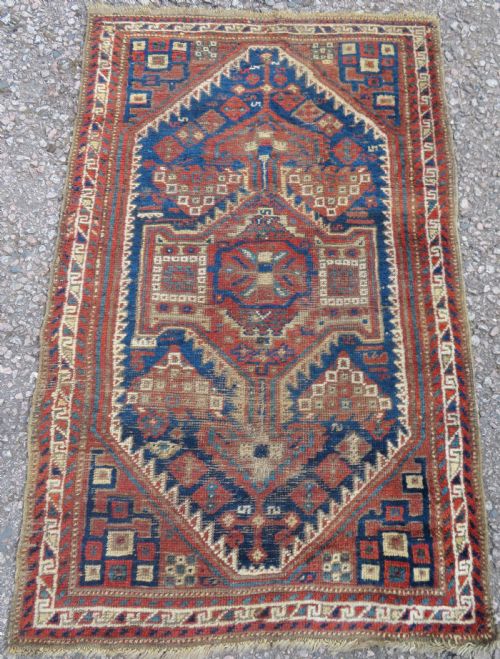
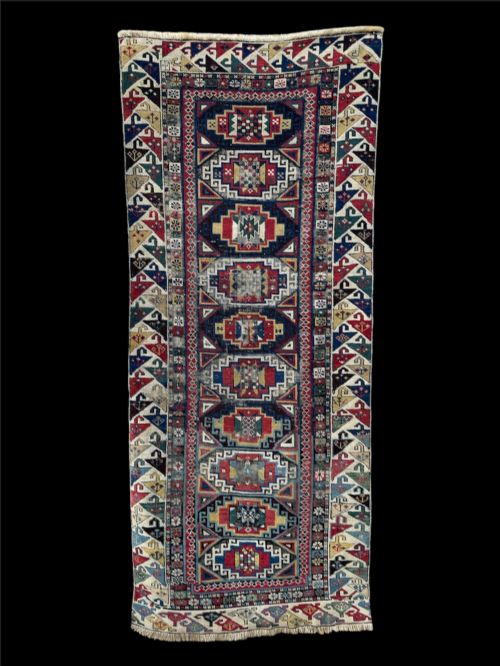
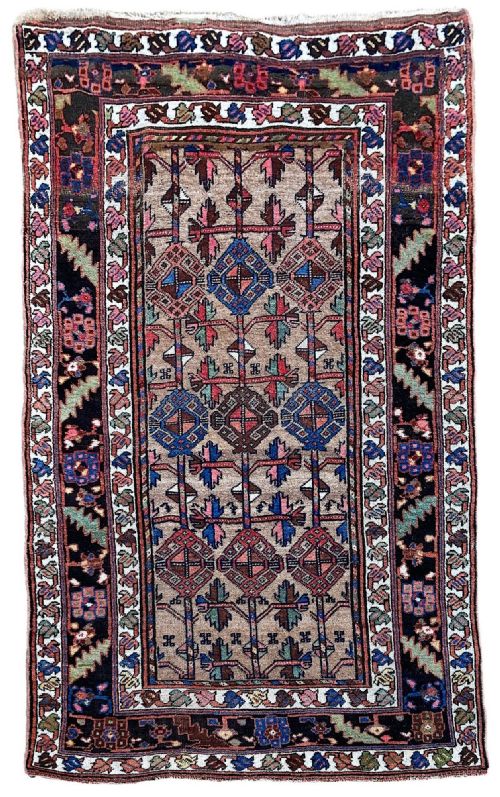
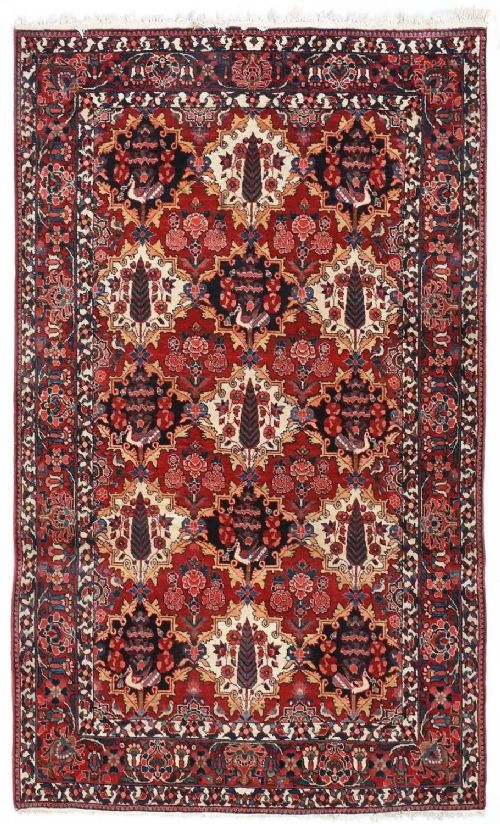
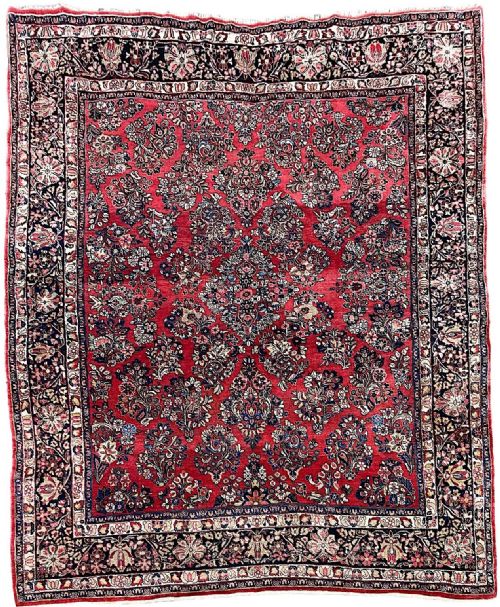
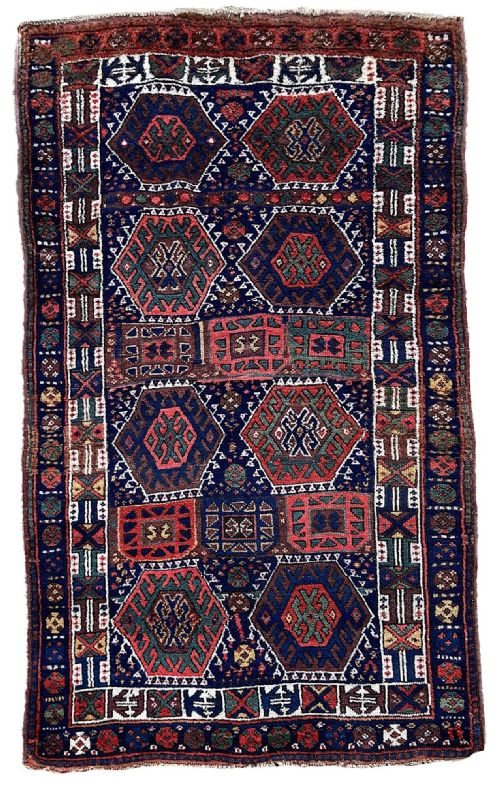
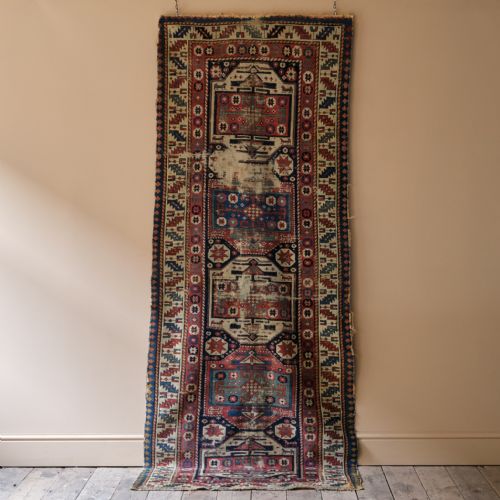
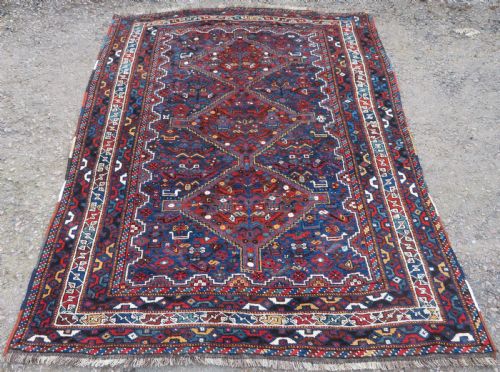
An authentic persian wool carpet encompasses room-size floor coverings and runners woven across various regions and tribal communities. When searching for an authentic persian wool carpet, buyers encounter distinct regional identifiers such as Heriz, Bakhtiari, Kurdish, and Khamseh. These pieces emerge from periods spanning the late nineteenth century through the early twentieth century, showing substantial variation in scale from compact tribal rugs to large carpets.
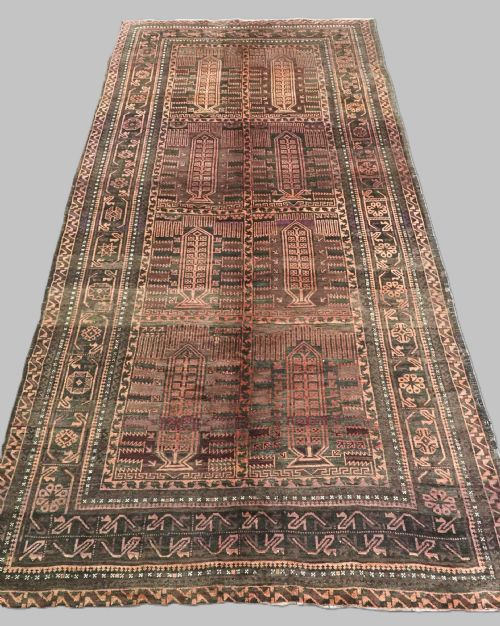
The objects take several structural forms, including area rugs, long runners for corridors, and specialised flatweaves or bag faces. Heriz carpets frequently appear in larger room dimensions, whereas Kurdish and Khamseh pieces often present more compact tribal dimensions. Each item reflects the specific weaving heritage and structural traditions of its particular origin.
Makers ranged from village households and nomadic tribeswomen to urban workshops in centres such as Tabriz and Sarouk. This diversity means a buyer might select a geometric village runner or a large medallion carpet depending on the intended interior setting. The inventory demonstrates both nomadic tribal output and established town weaving traditions.
Materials and construction
The foundational construction relies on wool, hand-spun wool, and cotton, frequently paired with camel hair for specific natural colour tones in the pile and foundation. Weavers utilised natural dyes to achieve rich palettes that developed stable patinas over decades of light and wear. These organic colourants interact with wool and cotton fibres to create the characteristic depth observed across the listed items.
The hand-knotting technique secures the pile to warp and weft threads, producing durable floor textiles designed for generations of domestic use. Tribal pieces often incorporate local hand-spun wools with pronounced tactile variation, while urban workshops employed finely prepared cotton foundations for precise geometric or floral layouts. This combination of material selection and knotting technique determines the physical weight and drape of each carpet.
Listings span production dates from the 1870s through the 1930s, featuring wool, cotton, hand-spun wool, and camel hair.
Assessing quality and character
Quality in these textiles rests upon the density of the knotting, the handling of natural dyes, and the integrity of the wool foundation. Finer knot counts allow for greater clarity in intricate tribal motifs and medallion outlines, distinguishing urban workshop pieces from rustic village outputs.
The handling of natural colour affects visual harmony as the carpet ages, with superior examples maintaining balanced contrast across the field and borders. Material selection also plays a role, as lustrous hand-spun wool and camel hair impart resilience and depth that lesser fibres lack. Structural preservation, including intact selvages and secure end finishes, completes the assessment of a piece's longevity.
The Authentic Persian Wool Carpet Glossary
- Pile
- The upright yarn loops that form the soft surface of a carpet. This layer absorbs foot traffic and displays the woven design.
- Warp
- The vertical threads stretched tightly on the loom before knotting begins. The fringe of a finished carpet is formed by these exposed threads.
- Weft
- The horizontal threads passed across the warp strands between rows of knots to bind the structure. It stabilizes the width of the rug.
- Medallion
- A large central ornamental motif placed in the middle of the carpet field. This focal design often mirrors corner spandrels.
- Kilim
- A flatwoven textile produced without a raised pile. These pieces serve as floor coverings or utility cloths such as sofrah.
Authentic Persian Wool Carpet: Frequently Asked Questions
How do I clean an antique carpet?
Professional specialist cleaning is essential for maintaining natural wool pile and organic dye stability. Avoid household chemical treatments and aggressive scrubbing.
Regular gentle vacuuming without a rotating brush helps prevent dust accumulation within the pile foundation.
Can these carpets be placed in hallways?
Long runner formats and narrow village rugs suit corridors and transition spaces effectively. The dense wool construction withstands standard domestic foot traffic.
Using a quality underlay prevents slipping and cushions the textile against hard stone or wooden floors.
What is a tribal rug?
Tribal rugs are woven by nomadic or village communities rather than urban workshops. Their designs rely on memory and local geometric motifs.
These pieces frequently display asymmetric irregularities and varied hand-spun wool textures that express regional identity.
How do I identify a Heriz carpet?
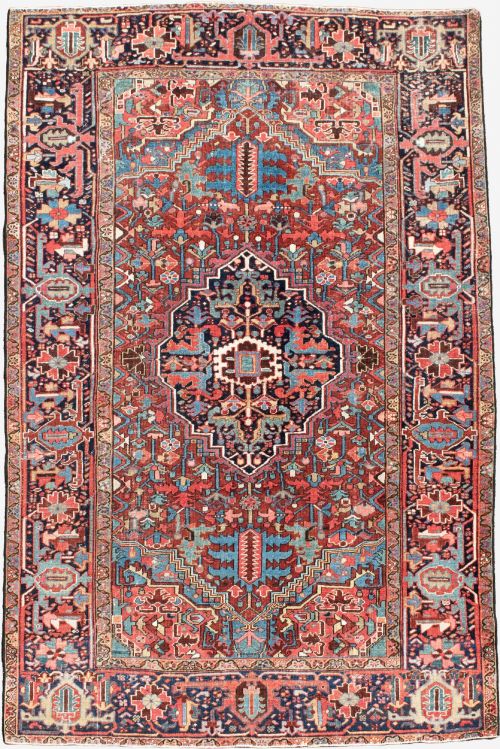
Heriz carpets typically feature bold geometric medallions and strong corner brackets woven in substantial room sizes. The palette often includes rust, navy, and sky blue.
Their robust cotton foundations and sturdy wool pile set them apart from finer urban workshop weaves.