






Austrian Terracotta Figure
These sculptural figures bring expressive character and detailed craftsmanship to any room, turning heads with their rich surfaces and historic forms.

Austrian Terracotta Figure
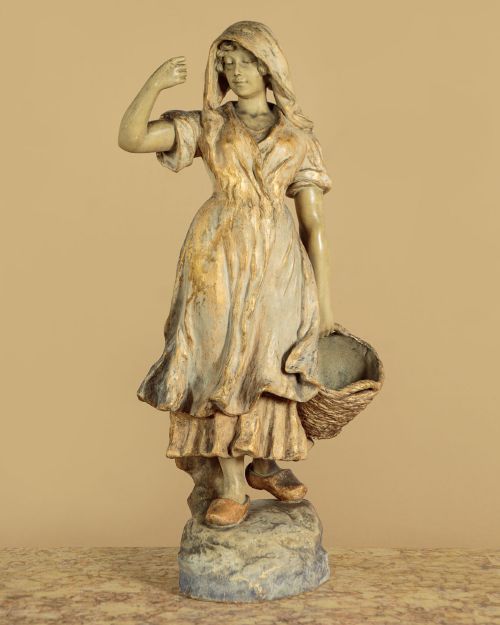
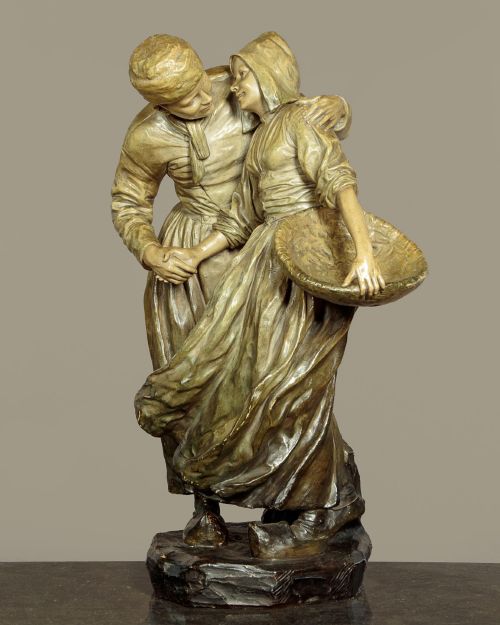
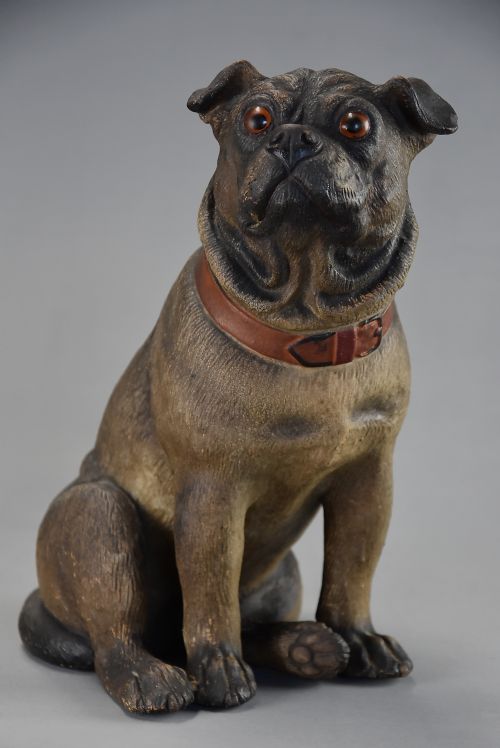
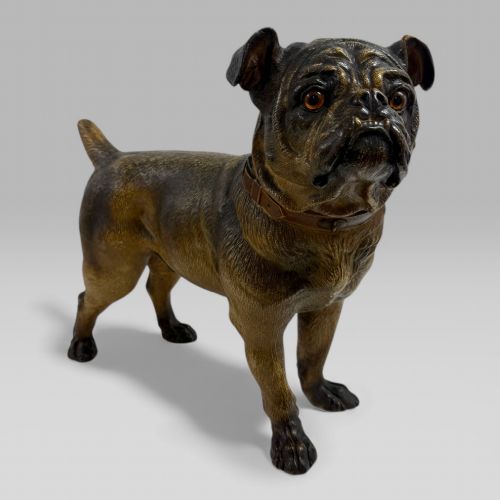
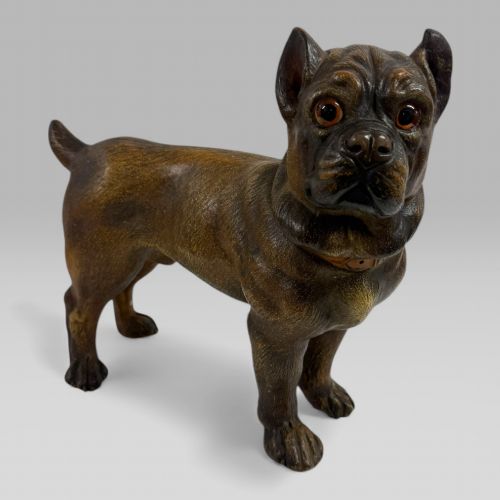
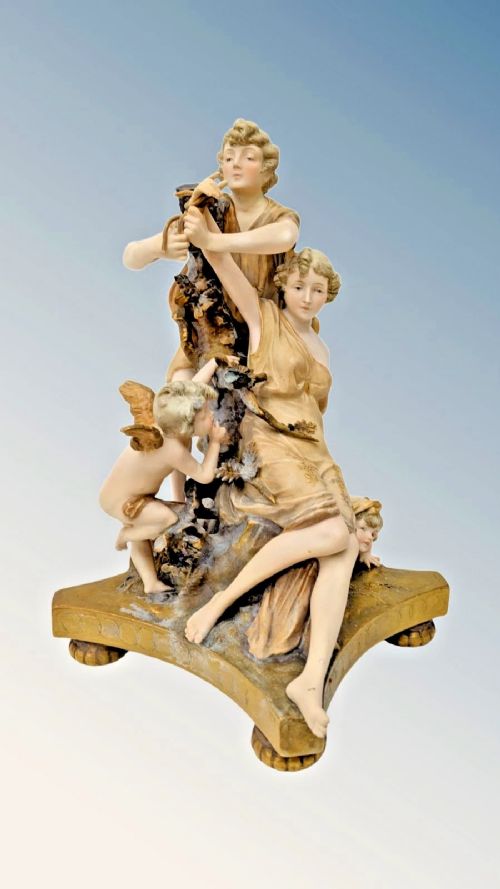
An austrian terracotta figure represents a tradition of sculptural work spanning the late nineteenth and early twentieth centuries, encompassing Victorian, Art Nouveau, and Classical Revival styles. You will frequently encounter domestic animals such as pugs alongside human subjects including fisher girls, country maidens, and classical figures.
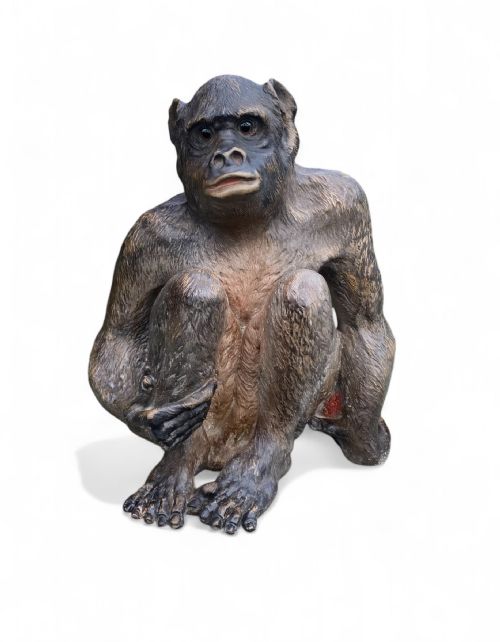
The objects take various forms from cabinet figurines to life-size sculptures and busts, reflecting the diverse output of Viennese workshops. Pieces range from straightforward portrayals of animals to elaborate mythological and literary figure groups created during the Victorian era and the turn of the twentieth century.
How they were made
Makers utilised slip casting techniques to shape the earthenware and terracotta bodies into detailed sculptural forms. This method allowed workshops to produce complex figures with consistent proportions before the drying and firing stages.
Listings include earthenware, ceramic, and terracotta materials decorated with polychrome paint, pigment, and glass elements across Victorian and Art Nouveau periods.
What varies in quality
Surface finish also dictates the hierarchy of quality, particularly where cold painted polychrome or bronzed slip treatments are applied by hand. Skilfully rendered pigments and metallic patinas bring a lifelike quality to figures and animals alike, whereas simpler versions lack this layered depth.
Goldscheider·Friedrich Goldscheider·Ernst Wallace·Bernard Bloch·Ernst Whaliss
The Austrian Terracotta Figure Glossary
- Terracotta
- A porous earthenware body made from fired clay, serving as the primary medium for these sculptural works. Its warm reddish-brown colour forms the base for paints and patinas.
- Slip cast
- A manufacturing method where liquid clay slip is poured into a plaster mould to create hollow figures with intricate detail. This technique enabled workshops to replicate complex sculptural designs efficiently.
- Cold painted
- A decorative process where paint is applied to a cured ceramic or metal object without subsequent firing. This technique produces vibrant polychrome surfaces on figures and animals.
- Art Nouveau
- An international style prominent around nineteen hundred characterised by flowing organic lines and natural motifs. Many figurative sculptures from this period incorporate soft drapery and floral elements.
Austrian Terracotta Figure: Frequently Asked Questions
What periods do these pieces date from?
The listings span the late nineteenth century and the early twentieth century, with many examples originating around nineteen hundred. Victorian and Edwardian periods heavily influence the aesthetic.
Art Nouveau and Classical Revival styles appear frequently, reflecting the prevailing tastes of Austrian workshops during those decades.
How were pug dog sculptures used?
Life-size and smaller pug dog figures served as decorative ornaments in Victorian and Edwardian drawing rooms. Their realistic modelling appealed to collectors of animalier art.
Many depict the dogs in relaxed seated poses, functioning as sculptural focal points in domestic interiors.
What materials make up the surface finish?
Makers applied polychrome paint, pigments, and metallic patinas directly onto the fired terracotta or earthenware. Bronzed and gilded finishes are also common on figurative groups.
These coatings enhance the sculptural relief and provide realistic skin tones or fabric textures.
How do I identify a Goldscheider figure?
Goldscheider pieces often feature distinct figurative subjects such as classical figures, literary characters, and naturalistic animals. The modelling exhibits a high degree of sculptural refinement.
Signatures or workshop stamps frequently accompany these earthenware and terracotta sculptures.