




Asian Wooden Figurine
An asian wooden figurine brings centuries of skilled carving from eastern and south-eastern traditions directly into a room.
Asian Wooden Figurine
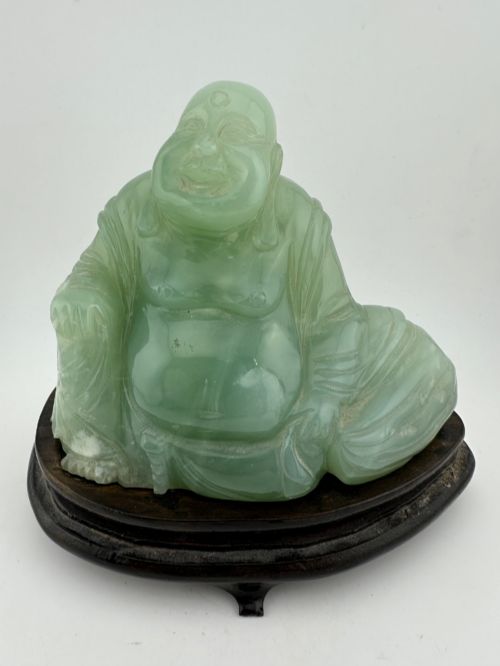
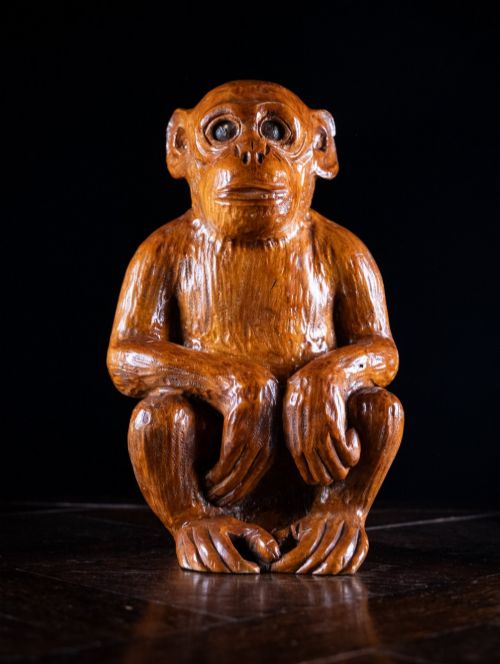
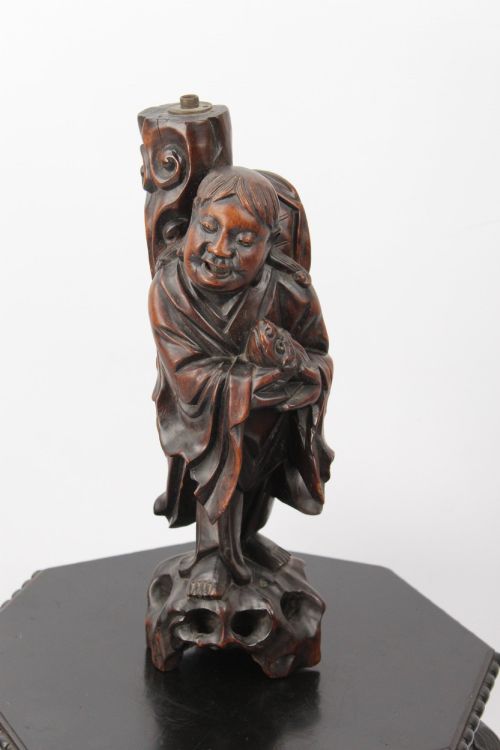
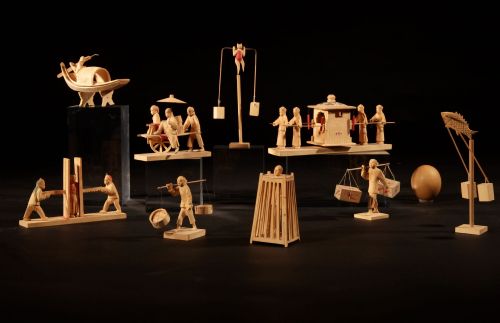
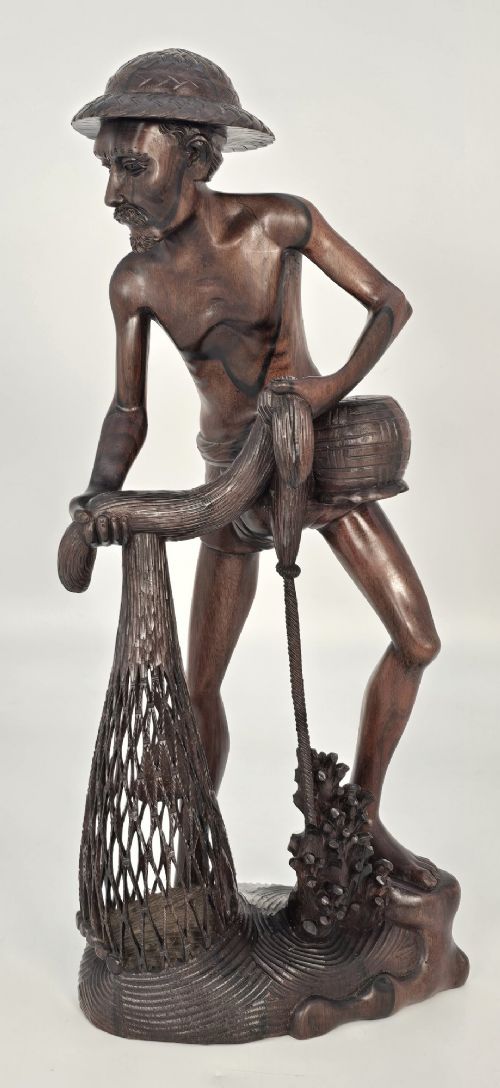
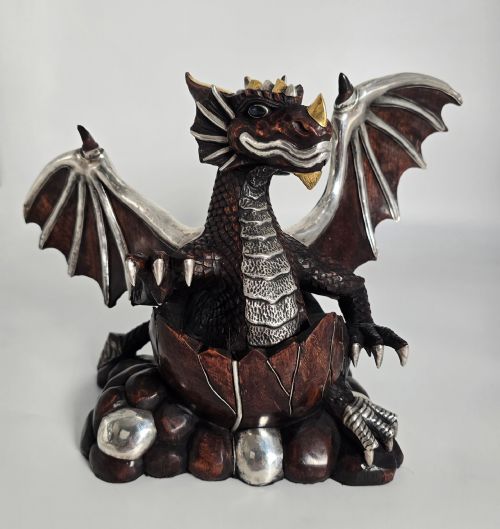
An asian wooden figurine encompasses carved representations of humans, deities, animals, and mythical subjects originating primarily from China, Japan, and other regional centres. The pieces encountered most frequently on this page date from the nineteenth century through the early twentieth century, spanning periods such as the Qing Dynasty and the Meiji Period.
The subjects range from figures of Daoist immortals, fishermen, and temple deities to specific animal forms including water buffaloes, tigers, and Mandarin ducks. Artisans also produced small-scale netsuke and okimono, alongside larger decorative sculptures and statues.
These carvings reflect diverse cultural and folk art traditions, often employing distinct regional styles like the Ming Style or traditional Chinese and Japanese motifs. Collectors encounter both intimate handheld carvings and substantial standalone figures.
Evaluating Quality
Quality rests principally on the dexterity of the carving, distinguishing between mass-produced decorative items and works executed with high precision and anatomical conviction. Master carvers exploited the natural grain and irregularities of the timber, such as gnarled root wood, to integrate the material directly into the form of a man, animal, or mythical creature.
The depth of undercut work, the expression captured in a subject's face, and the crispness of fine details like drapery folds or animal fur separate exceptional pieces from simpler productions. Signature marks and the preservation of the original wood surface without excessive modern intervention further determine the standing of a sculpture.
Asian Wooden Figurine Retail Price Guide 2026
Typical asking prices for asian wooden figurine among the pieces listed under this phrase on Sellingantiques today, from the lower quarter to the upper quarter. They describe what is for sale here now, not the wider market.
The Asian Wooden Figurine Glossary
- Netsuke
- A small carved toggle fastened to the end of a cord attached to a small pouch or container worn on traditional Japanese garments. These miniature sculptures often depict animals, humans, or legendary figures.
- Okimono
- A Japanese freestanding decorative ornament designed for display on a shelf or in a tokonoma alcove. They emerged prominently during the Meiji period and showcase detailed carving of daily life, deities, and fauna.
- Foo Dog
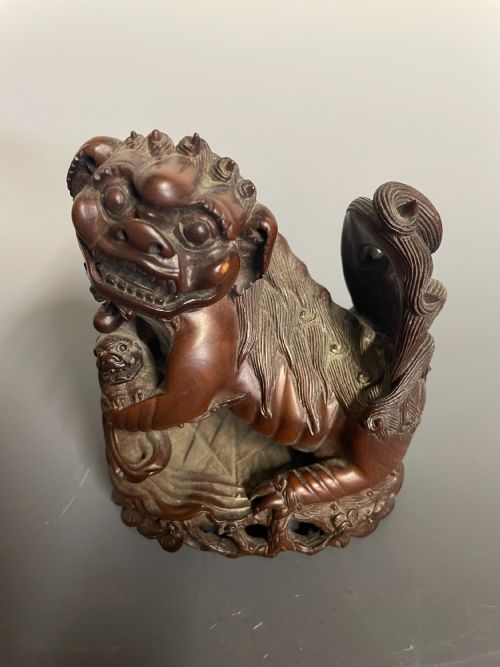
- A traditional guardian lion figure originating in Chinese culture, typically depicted sitting and protecting a sacred space or property. In carved wooden examples, they display fierce expressions and elaborate manes.
- Root wood
- Timber sourced from the root system of a tree, prized by carvers for its twisting, gnarled shapes and varied grain patterns. Artisans often incorporated these natural formations directly into the anatomy of figures and mythical beasts.
- Mandarin duck
- A colourful waterfowl species often carved in pairs as a traditional symbol of fidelity, affection, and enduring marriage in Chinese and East Asian art. They frequently appear in Qing dynasty sculptures.
Asian Wooden Figurine: Frequently Asked Questions
What is an okimono?
An okimono is a Japanese decorative sculpture created for interior display rather than functional wear. These pieces became prominent during the Meiji period and depict humans, deities, and animals.
Carvers worked primarily in boxwood and other hardwoods to achieve high levels of detail. They sit on shelves or cabinets rather than serving as fasteners or garments.
How do I date a wooden carving?
Dating relies on stylistic markers, tool marks, timber oxidation, and contextual clues within the carving technique. Nineteenth-century examples often display distinct regional conventions tied to the Qing Dynasty or Meiji Period.
Wear patterns and the specific type of wood, such as boxwood or gnarled root, help narrow the timeframe. Comparing subjects and execution against documented pieces provides further chronological context.
What do Daoist immortals represent?
Daoist immortals embody longevity, wisdom, and spiritual attainment in traditional Chinese culture and art. Figures like Liu Hai appear frequently in carved wooden sculptures.
Owners historically placed these figures in homes to invite good fortune and protection. They serve as narrative elements reflecting folklore and spiritual beliefs.
Why are animals common subjects?
Animals held deep symbolic meanings across Asian folk art traditions, representing virtues, seasons, or auspicious wishes. Water buffaloes, tigers, and Mandarin ducks appear regularly in these carvings.
Artists used natural wood grains to accentuate the musculature and movement of each creature. Pairs of ducks, for instance, symbolise marital harmony and devotion.
How should I care for antique wood?
Antique wooden carvings require stable environmental conditions away from direct sunlight and severe humidity fluctuations. Sunlight fades the natural tones of boxwood and hardwood over time.
Dusting gently with a dry, soft cloth preserves the surface without introducing moisture or chemical polishes. Allowing the wood to maintain its dry, natural finish ensures long-term preservation.