




Asian Wall Art Print
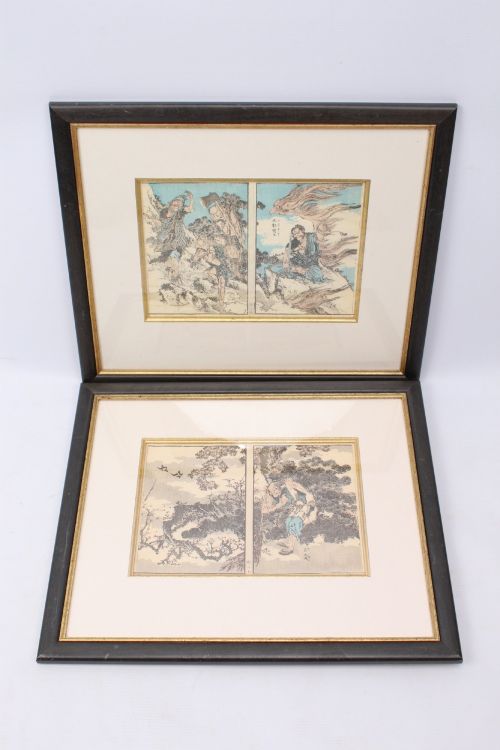
These pieces of asian wall art print bring traditional Japanese and Chinese imagery into modern rooms through woodblock prints, paintings, and rubblings.
Asian Wall Art Print
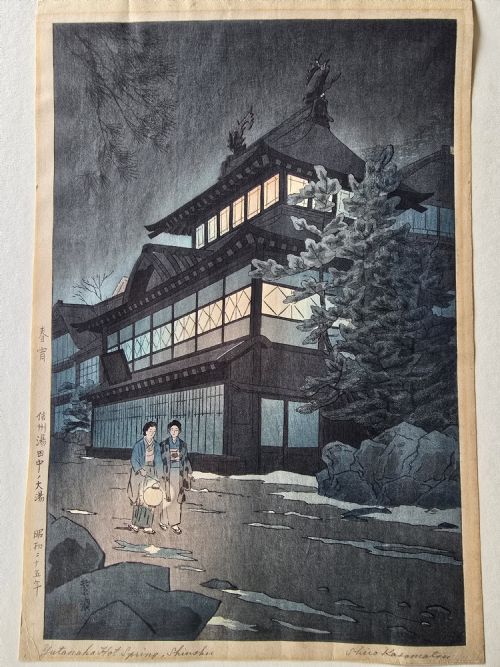
When you search for an asian wall art print, you encounter Japanese woodblock prints alongside Chinese export paintings and brass rubbings. The selection relies heavily on Japanese Ukiyo-e and Shin-Hanga works produced across the eighteenth, nineteenth, and twentieth centuries.
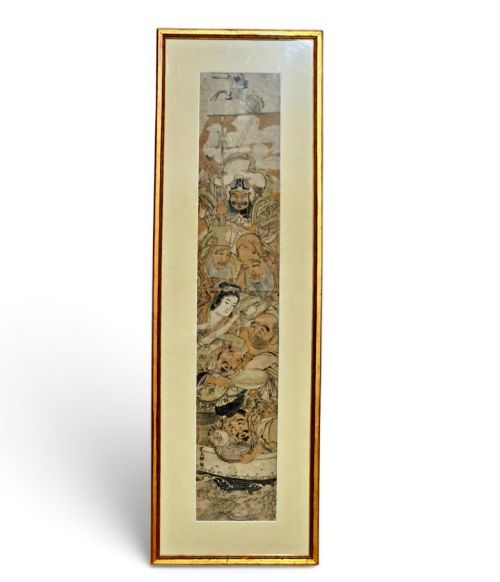
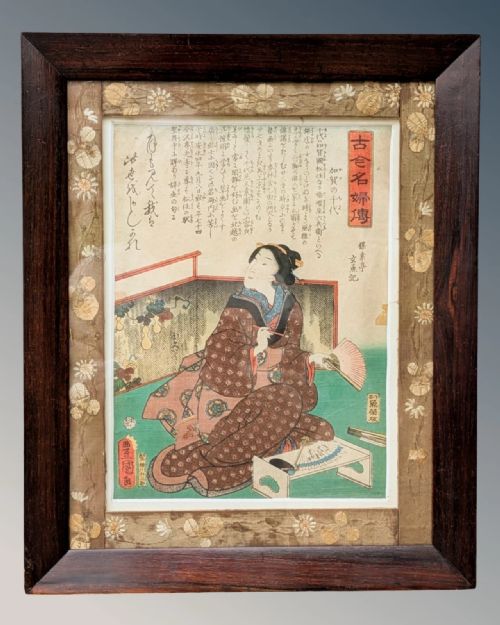
You meet framed wall art pieces featuring traditional subjects like the Seven Lucky Gods, legendary horses, and actor portraits. Many examples arrive mounted in rosewood frames with silk brocade surrounds, reflecting distinct period aesthetics from the Edo era onward.
The objects span varied formats including pairs, sets of four, and large-scale framed prints. These works capture centuries of Asian printmaking and painting traditions preserved on paper, card, and pith paper.
How they were made
The making of these works involves traditional hand-printing and painting techniques executed on paper, card, and pith paper. Artisans applied coloured inks alongside gold leaf to build rich surfaces on woodblock prints and gouache paintings.
Framing methods frequently incorporate rosewood and glass to protect delicate paper components. Silk brocade mounts add structural support while framing the artwork for display.
The inventory includes Japanese Ukiyo-e, Edo Period, Shin-Hanga, and Chinese Export styles.
What varies in quality
Quality rests upon the clarity of the ink impressions and the preservation of the original paper or pith surface. Strong impressions show sharp lines and vivid application of colour without fading.
The craftsmanship of the accompanying mount and frame contributes significantly to the overall integrity of the piece. Fine rosewood frames and silk brocade surrounds elevate the presentation of the artwork.
Hokusai·Katsukawa Shunshō·Shiro Katamatsu·Kitagawa Utamaro·Kunisada
The Asian Wall Art Print Glossary
- Woodblock print
- A technique where an image is carved into a block of wood, inked, and pressed onto paper. This method produced many of the Japanese works found in this category.
- Ukiyo-e
- A genre of Japanese art translating to pictures of the floating world, depicting scenes of everyday life and landscapes. These works formed a major part of Edo period artistic output.
- Pith paper
- A delicate material made from the pith of the Tetrapanax papyrifer plant, commonly used for Chinese gouache paintings in the nineteenth century.
- Shin-Hanga
- A twentieth-century Japanese printmaking movement that revitalised traditional ukiyo-e themes with Western influences. Artists in this tradition produced finely coloured woodblock prints.
- Brass rubbing
- A reproduction made by placing paper over a brass plaque and rubbing it with graphite or ink to capture the engraved design. These pieces record historical imagery on paper.
Asian Wall Art Print: Frequently Asked Questions
How do I hang them safely?
Hang these framed works away from direct sunlight to prevent the fading of delicate inks and paper.
Ensure that wall fixings match the weight of dense frames such as those made from solid rosewood.
What periods do they cover?
The pieces span from the eighteenth century through the nineteenth and twentieth centuries.
Edo period items sit alongside Victorian-eraframings and mid-twentieth-century prints.
Are the frames original?
Some pieces retain period mounts like silk brocades and rosewood frames that complement the age of the artwork.
Framing styles often reflect the Victorian appreciation for imported Asian aesthetics.
What subjects are common?
Common subjects include legendary figures like the Seven Lucky Gods, theatrical actor portraits, and historical animals.
Landscape scenes and traditional iconography appear frequently across the woodblock prints and paintings.