


Paper Japanese Art Print
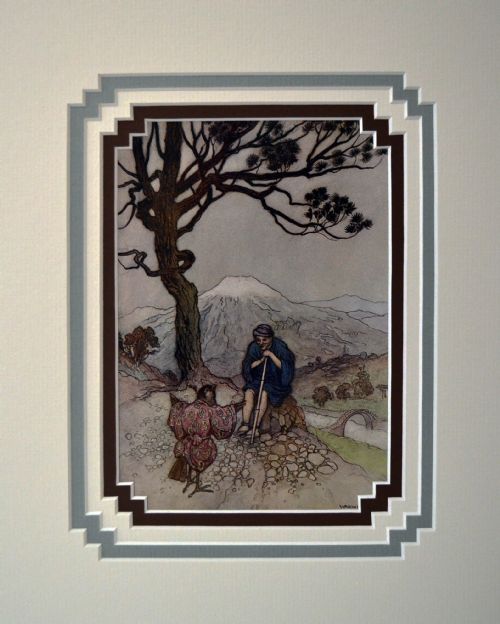
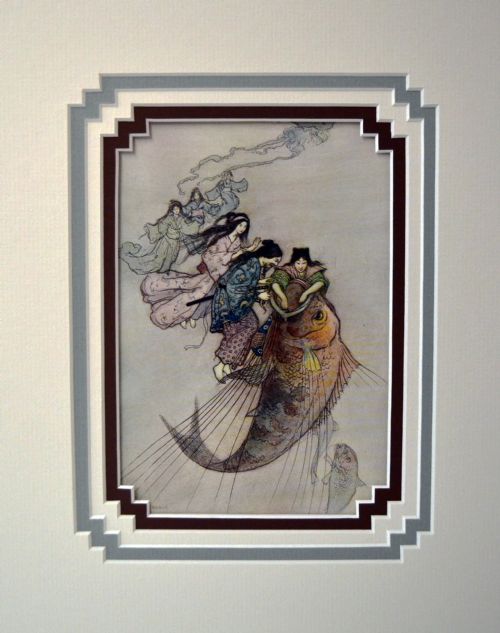
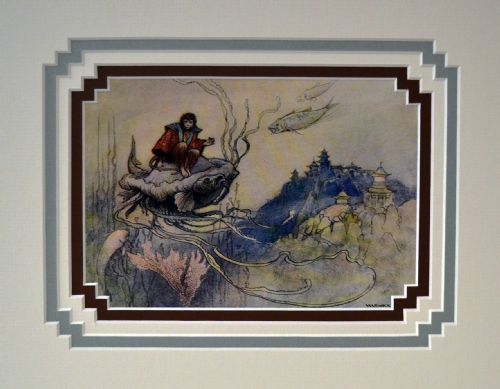
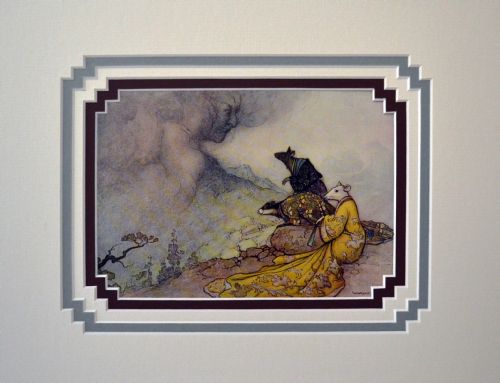
A paper japanese art print brings traditional imagery to your wall, ranging from 18th-century woodblocks to early 20th-century book illustrations.
Paper Japanese Art Print
When you search for a paper japanese art print, you encounter works spanning the Edo period through to the mid-20th century. The selection includes traditional woodblock prints alongside Edwardian book illustrations.
You meet framed prints and antique wall art originating from Japanese masters and Western interpreters alike. The forms range from single sheets to sets of first edition prints.
Materials and construction
These works utilise paper, card and cardboard as the primary support for ink and colour pigments. Many pieces incorporate mountboard and glass for protection and display.
Printmakers employed woodblock techniques to transfer images onto paper, producing distinct impressions that reflect the period of creation.
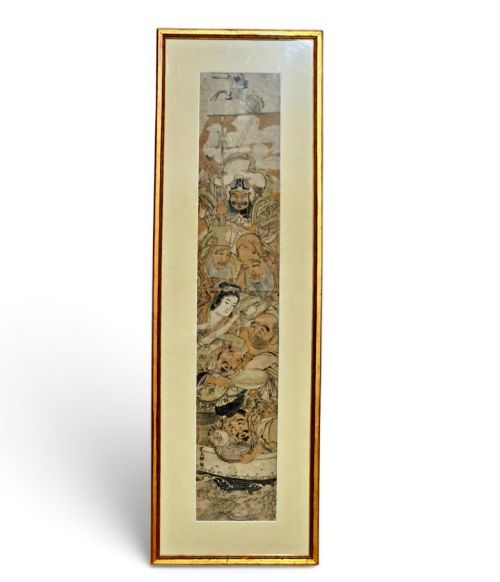
Catsukawa Shunshō managed to capture the divine motion of seven lucky gods sailing in a boat on simple paper.
Distinctions in quality
Quality rests upon the clarity of the ink impression and the preservation of the paper support over time. Early printings maintain sharper lines and more vibrant colour application.
The choice of framing materials and the integrity of the original mount board contribute to the overall presentation and survival of the print.
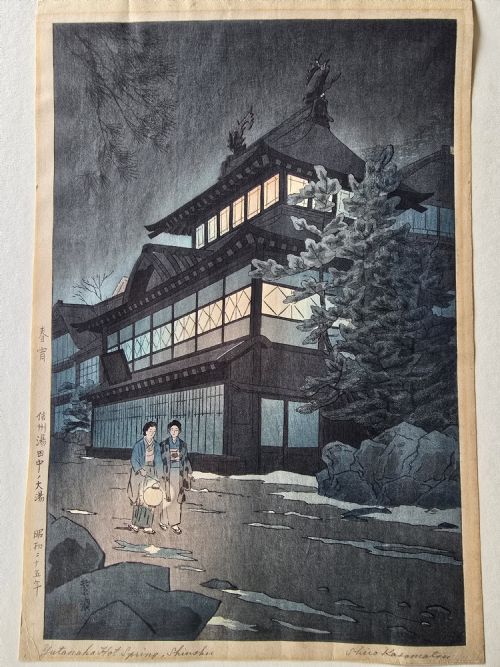
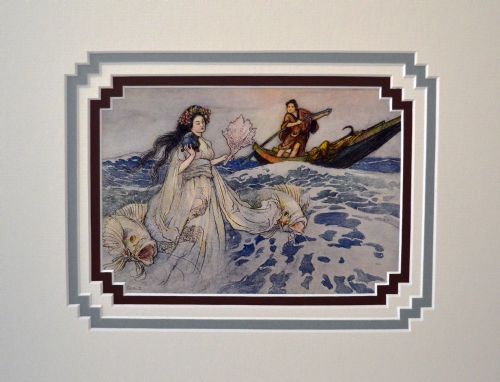
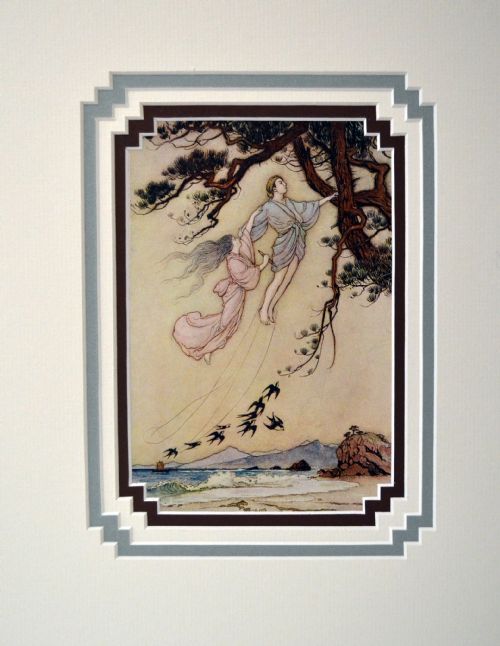
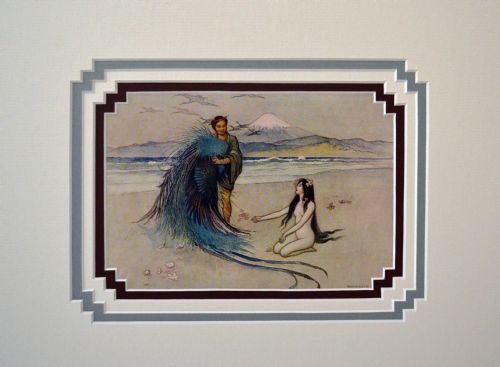
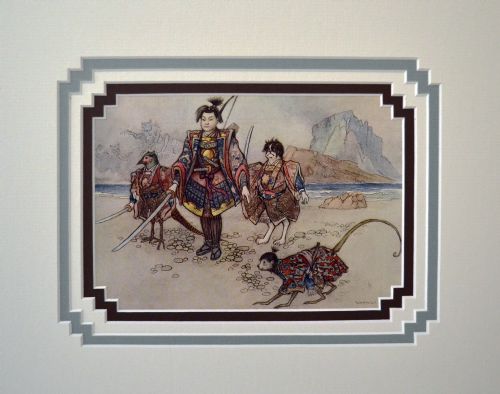
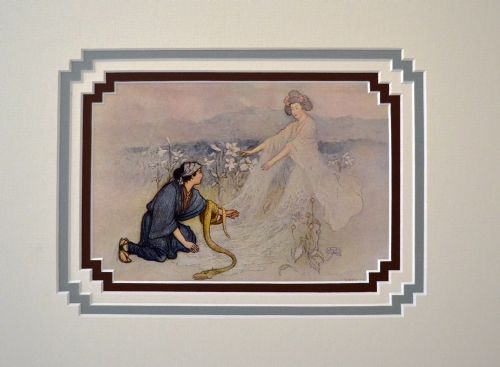
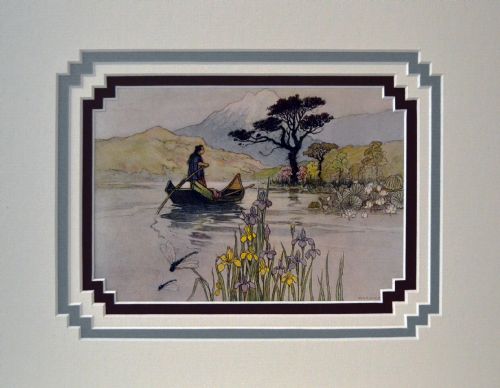
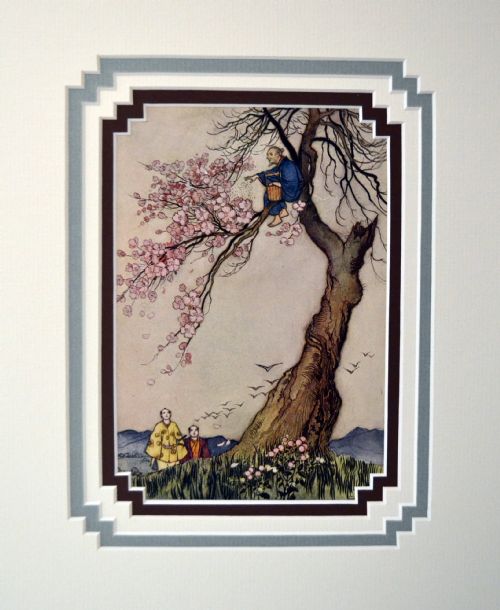
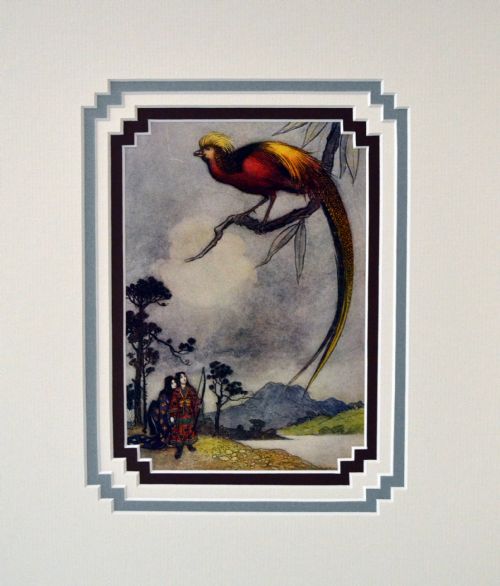
Katsukawa Shunshō·Shiro Katamatsu·Warwick Goble·Kitagawa Utamaro·Kunisada
The Paper Japanese Art Print Glossary
- Woodblock print
- An impression created by carving an image into a wooden block, applying ink, and pressing it onto paper. This technique defines much of traditional Japanese printmaking.
- Ukiyo-e
- A genre of Japanese art depicting scenes from everyday life and popular culture. These works date primarily from the Edo period.
- Shin-Hanga
- A twentieth-century art movement in Japan that revitalised traditional woodblock printmaking with Western influences. Artists collaborated closely with publishers, carvers, and printers.
- Edo Period
- A historical epoch in Japan spanning from 1603 to 1867. Prints from this era often depict kabuki actors and landscapes.
Paper Japanese Art Print: Frequently Asked Questions
How do I care for my print?
Keep the paper away from direct sunlight to prevent the ink and pigments from fading over time. Maintain stable humidity levels to protect the paper and card mounts from warping.
Ensure the glass does not touch the surface of the print directly. Proper framing preserves the integrity of the material.
Are these prints original?
The selection includes original woodblock prints from the 18th and 19th centuries alongside first edition book illustrations from the 20th century. Each piece reflects the production methods of its specific period.
Examine the paper texture and ink application to understand the printing technique used. Contemporary framing often houses older, authentic sheets.
What is Ukiyo-e art?
Ukiyo-e translates to pictures of the floating world, depicting subjects such as landscapes and historical tales. This style flourished in Japan during the Edo period.
Artists of this tradition produced woodblock prints that heavily influenced Western art in the late 19th century. The style remains distinct for its linear clarity.
How are the prints framed?
Many pieces arrive set behind glass within traditional or period frames. Mountboard and card provide internal support to keep the paper flat.
Framing styles vary from Victorian presentations to later Edwardian mountings. Each enclosure suits the specific age and scale of the artwork.