


Japanese Paper Artwork
Japanese paper artwork brings Edo period woodblocks and Victorian illustrations into your rooms.
Japanese Paper Artwork
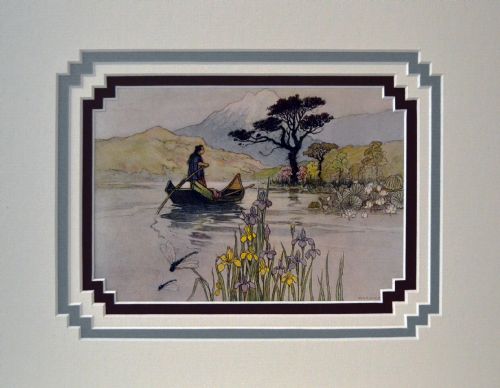
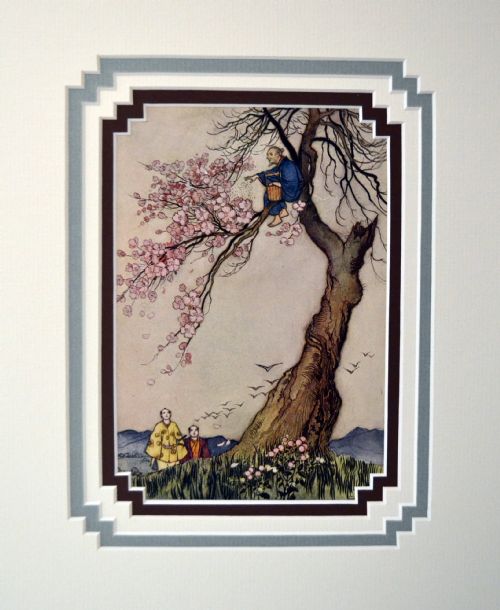
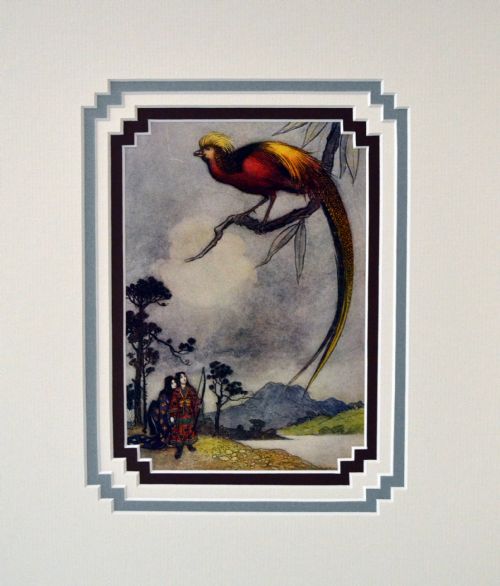
When you search for japanese paper artwork, you encounter woodblock prints, antique prints and framed illustrations spanning the eighteenth century to the mid twentieth century. These pieces encompass Edo period ukiyo-e, Shin-Hanga and Edwardian book illustrations created on delicate paper surfaces.
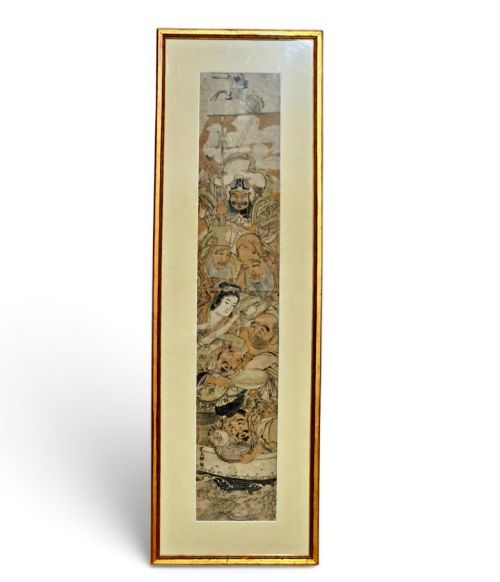
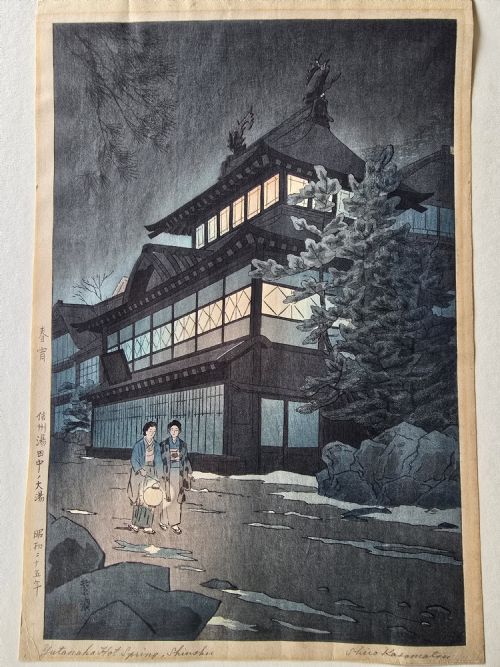
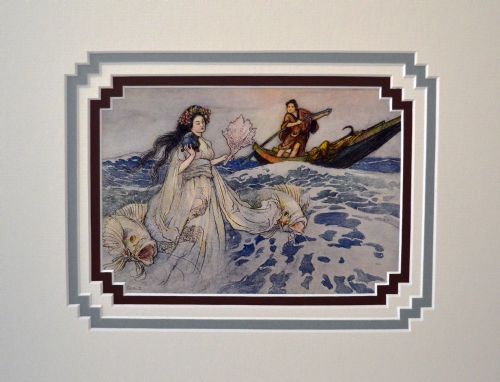
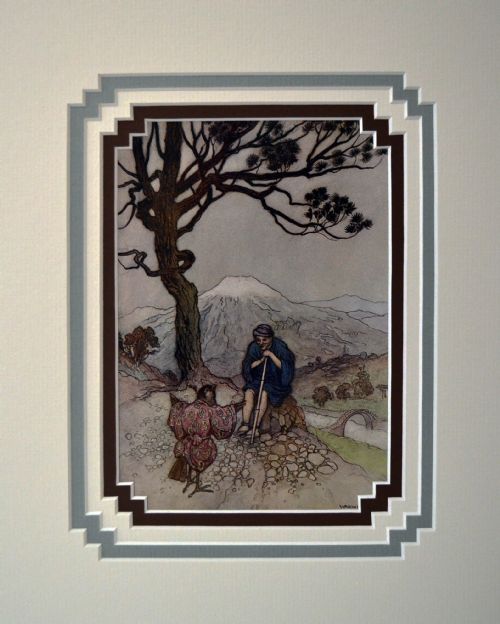
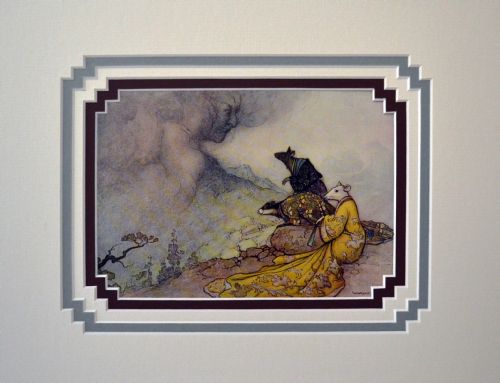
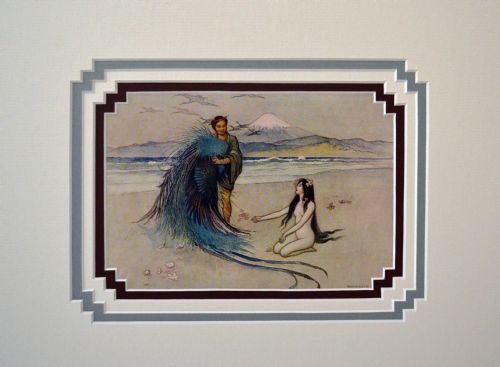
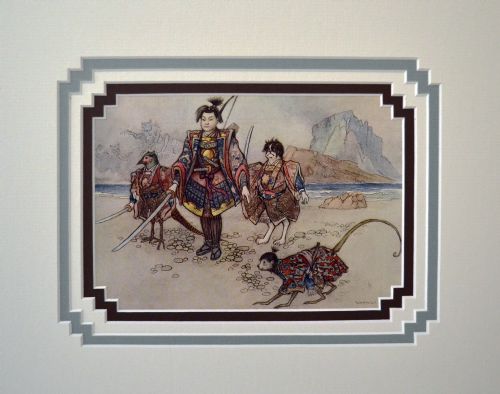
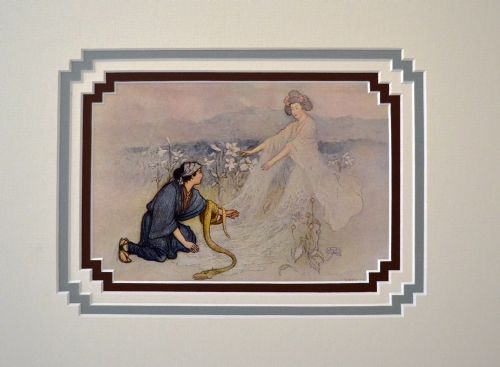
The selection ranges from eighteenth century Katsukawa Shunsho sheets to nineteenth century Kunisada woodcuts and 1950 Shiro Katamatsu prints. You will also find Edwardian fairy tale prints by Warwick Goble and triptych portrait paintings by Takashi Nakayama.
Framed prints and watercolours dominate the forms available, often presented behind glass with mount board and cardboard backing. These works capture traditional subjects including the Seven Lucky Gods, theatrical portraits and narrative scenes.
What varies in quality
Quality depends upon the crispness of the ink impressions and the preservation of the paper surface over time. Strong pigment saturation and clean margins distinguish superior examples from faded or heavily worn sheets.
The integrity of the original framing, the condition of the mount board and the retention of gold leaf details influence the overall character of each piece. Early editions and signed works carry distinct historical significance.
The listings feature works spanning the eighteenth, nineteenth and twentieth centuries, using paper, ink, wood and gold leaf.
Katsukawa Shunsho·Shiro Katamatsu·Warwick Goble·Takashi Nakayama·Kunisada
The Japanese Paper Artwork Glossary
- Ukiyo-e
- Pictures of the floating world, depicting scenes of urban life and kabuki actors in Edo period Japan. This genre forms the foundation of traditional woodblock printmaking.
- Woodblock print
- An image created by carving a design into a wooden block, applying ink, and pressing it onto paper. It is the primary technique seen in traditional Japanese works.
- Shin-Hanga
- A twentieth century art movement in Japan that revitalised traditional ukiyo-e themes with Western influences. Artists like Shiro Katamatsu worked within this revived aesthetic.
- Triptych
- A set of three panels designed to be displayed together as a single artwork. Takashi Nakayama utilised this format for portrait paintings.
Japanese Paper Artwork: Frequently Asked Questions
How do I date a Japanese woodblock print?
Dating relies on the historical period of the production, stylistic markers of the ukiyo-e tradition and artist signatures recorded on the sheet. Nineteenth century and eighteenth century examples exhibit specific paper textures and pigment characteristics.
Examining the publisher marks and the subject matter helps place the work within eras such as the Edo period or the Victorian age.
Are these works original antique prints?
The listings include original woodblock prints, nineteenth century watercolours and first edition book illustrations from the early twentieth century. Each piece originates from the specific era noted in its description.
Materials such as period paper, ink and traditional mounting indicate the authentic age of the artwork.
How should I frame and display paper art?
Paper artwork requires protection behind glass to guard against atmospheric moisture and handling damage. Acid free mount board prevents direct contact between the paper and the glazing.
Keep framed prints away from direct sunlight to preserve the ink colours and prevent the paper from yellowing.
What is the difference between ukiyo-e and Shin-Hanga?
Ukiyo-e represents the classical Edo period genre focused on popular culture, kabuki actors and landscapes. Shin-Hanga emerged later, incorporating Western perspectives and atmospheric effects while using traditional collaborative printmaking.
Both styles utilise woodblock techniques on paper but reflect different periods of Japanese artistic development.