


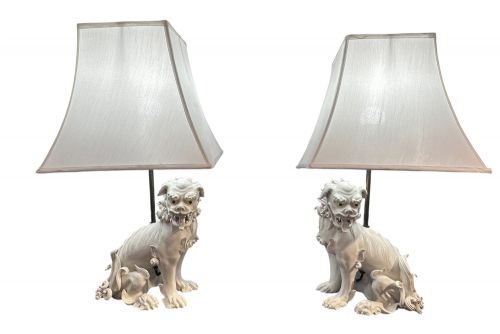


Asian Porcelain Table Lights
These asian porcelain table lights combine historic ceramic vessels with functional illumination, offering a decorative focal point for interior spaces.
Asian Porcelain Table Lights
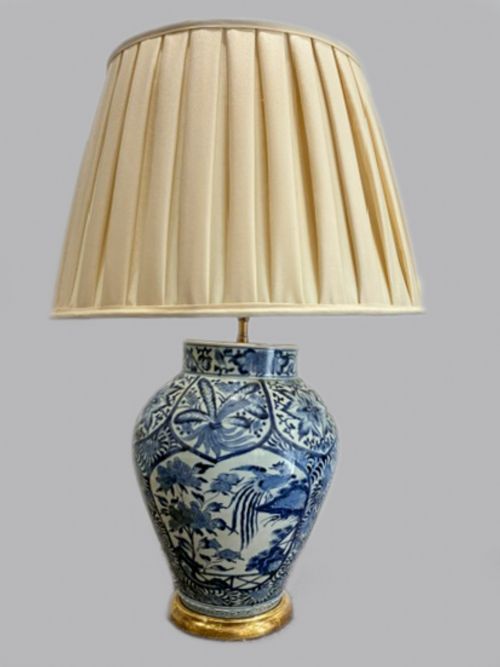
When you search for asian porcelain table lights, you encounter converted vessels ranging from late seventeenth-century Japanese vases to twentieth-century Chinese jars.
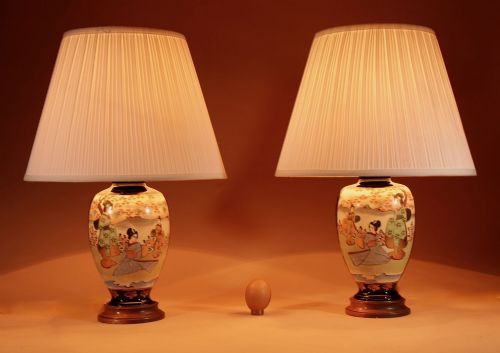
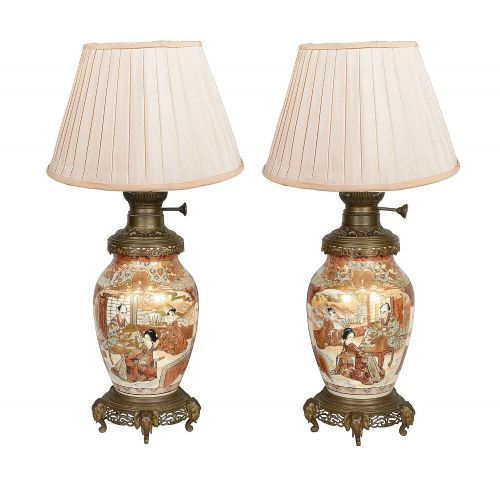
The most common examples on this page are nineteenth-century pairs, frequently utilising Satsuma, Kutani, Imari, and celadon ceramics.
Vessels are mounted with brass fittings to create functional table lamps while retaining their original hand-painted decoration.
Materials and construction
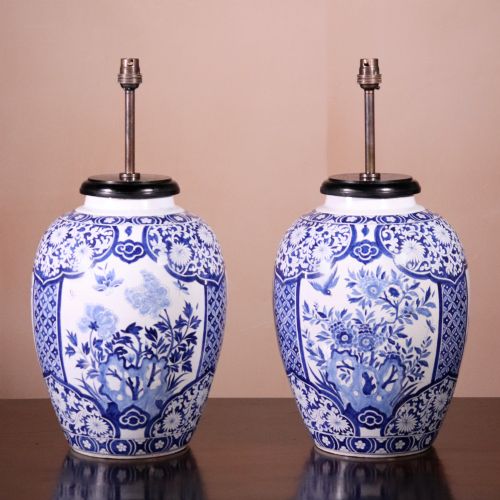
The bodies consist of ceramic, porcelain, or earthenware formed in traditional shapes, decorated with enamel, underglaze blue, or polychrome glazes.
Metal mounts, predominantly brass, secure the electrical components to the top and base of the ceramic body.
Several fierce guardian lions double as domestic illumination.
Assessing quality
Quality depends upon the artistic merit and preservation of the hand-painted ceramic body, alongside the integration of the brass mounts.
Matching pairs demonstrate greater visual balance than single vessels converted to lamps.
The Asian Porcelain Table Lights Glossary
- Satsuma
- Japanese pottery characterised by a crackle-glaze ivory earthenware body decorated with polychrome and gilt enamels.
- Imari
- A style of Japanese export porcelain featuring a distinctive palette of underglaze blue, iron red, and gold.
- Celadon
- A term for ceramics glazed in jade-green shades, originating in China and replicated across Asia.
- Kutani
- Japanese coloured porcelain noted for vibrant pictorial designs often incorporating reds and golds.
- Cloisonné
- An enamelwork technique where metal wire forms compartments on a ceramic or metal base to hold coloured paste.
Asian Porcelain Table Lights: Frequently Asked Questions
Are these vintage or antique lamps?
The inventory spans multiple centuries, incorporating antique vessels made centuries ago alongside later conversions from the early twentieth century.
Conversion dates vary, as many historic ceramic vases were adapted into lamps decades after their initial manufacture.
How do I identify Satsuma ware?
Satsuma pieces typically display a characteristic cream-coloured earthenware body covered in a fine network of crackled glaze.
Designs on these ceramics frequently incorporate detailed figures, flowers, and heavy application of raised gold enamel.
Can I find matching pairs?
Several listings feature matched pairs of lamps, which are often formed from symmetrical sets of nineteenth-century vases.
Pairs are particularly sought after for placement on matching side tables or mantels.
What is Celadon porcelain?
Celadon refers to ceramic pieces finished with a pale grey-green glaze that mimics the appearance of jade.
This glaze style appears on Chinese vessels dating from the eighteenth century onwards.