




Japanese Ceramic Vase Lamps
Japanese ceramic vase lamps bring centuries of Asian craftsmanship into domestic lighting through converted vessels spanning the Edo and Meiji periods.
Japanese Ceramic Vase Lamps
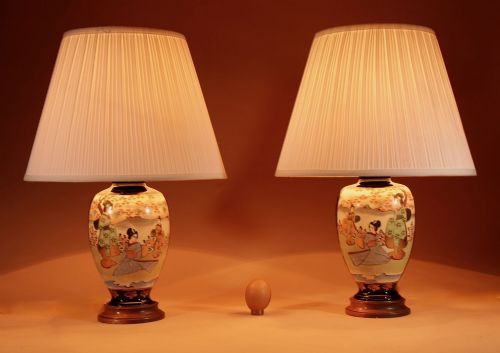
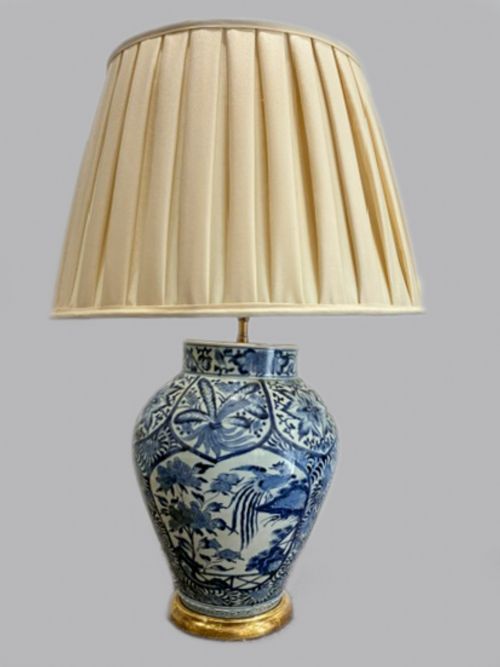
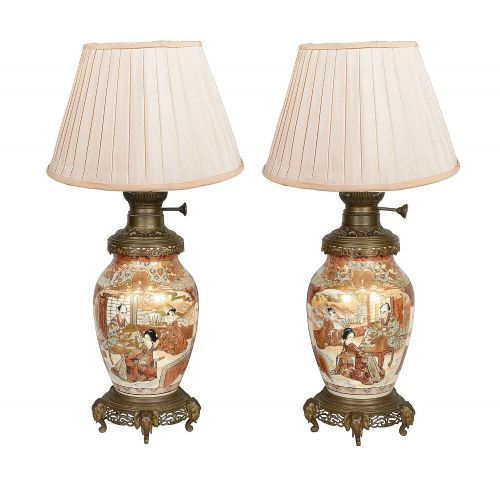
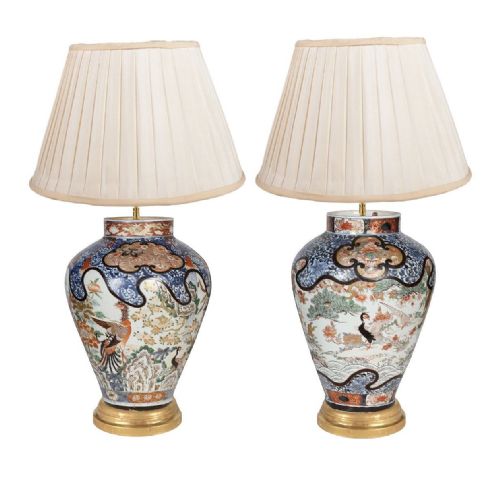
These pieces are traditional Japanese ceramic vessels, including Arita, Imari, Kutani, and Satsuma wares, that have been converted into table lamps. Buyers seeking Japanese ceramic vase lamps encounter forms originating from the seventeenth century through to the early twentieth century.
The selection ranges from large single jars to balanced pairs, often incorporating brass or gilt bronze mounts alongside fabric and silk shades. Most examples stem from the nineteenth century, reflecting the Victorian and Edwardian taste for importing Eastern decorative arts.
How they were made
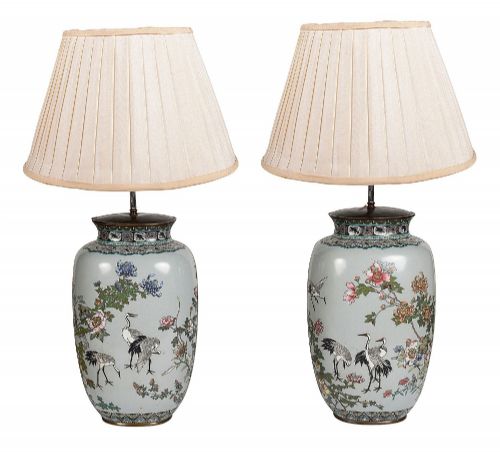
Potters shaped these vessels from porcelain, earthenware, and ceramic bodies, applying hand-painted pigments and enamel details before firing. Cloisonné examples feature delicate wire cells soldered to metal surfaces to contain vibrant enamel pastes.
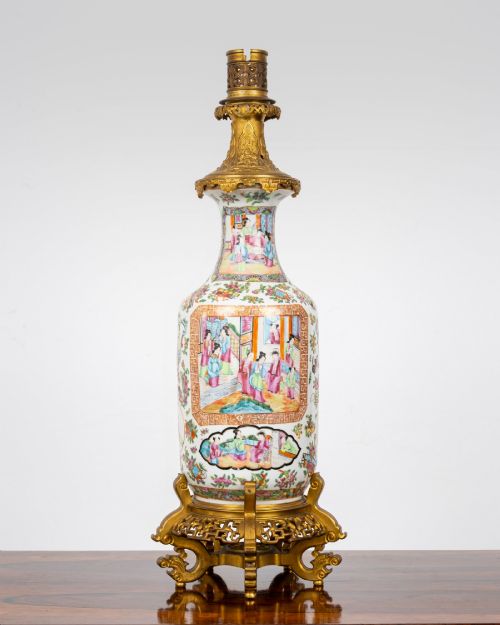
Conversion into lamps involved adding wooden bases and metal fittings, sometimes incorporating bronze mounts to secure electrical components while preserving the original antique vessel.
Listings feature porcelain, earthenware, and cloisonne enamel materials spanning four distinct centuries from the 17th to the 20th.
What varies in quality
Quality rests upon the crispness of the hand-painted decoration, the complexity of the enamel work, and the preservation of the original ceramic body beneath any conversion hardware. Finer vessels display intricate detailing and balanced proportions that distinguish studio output from mass production.
The integration of the lamp fittings also matters, as skilled conversions respect the integrity of the antique ceramic rather than damaging the glaze or body during mounting.
Fukagawa·Yokohama
The Japanese Ceramic Vase Lamps Glossary
- Satsuma
- A type of Japanese earthenware featuring a crackle ivory glaze decorated with polychrome enamels and gilt. It gained immense popularity in the West during the Meiji period.
- Imari
- A style of Japanese porcelain decorated in underglaze blue and overglaze red, gold, and green. Originating in Arita, these pieces were widely exported to Europe.
- Cloisonné
- A metalwork technique where enamel colours are separated by thin metal strips soldered to a base. These vases offer a textured, tactile surface when used as lamps.
- Kutani
- Japanese porcelain known for its bold colour palettes, particularly deep greens and reds. Kutani vases often depict natural scenes and figures.
- Edo Period
- The period in Japanese history lasting from 1603 to 1867, characterised by economic growth and strict isolationism. Vases surviving from this era possess significant historical weight.
Japanese Ceramic Vase Lamps: Frequently Asked Questions
How do I date a Japanese ceramic vase lamp?
Dating relies on stylistic clues, glaze characteristics, and historical periods such as the Edo or Meiji eras. The presence of specific kiln marks or regional traits also helps establish the age of the ceramic body.
Conversion fittings can sometimes offer clues, though many vessels were adapted into lamps decades after their initial creation in the Far East.
Were these vases made as lamps originally?
None of these vessels started life as lighting; they were originally manufactured as decorative vases, jars, or spill vases. Western buyers and manufacturers later converted them into table lamps to suit domestic interiors.
This adaptation process typically involved drilling the base for wiring or fitting secure brass and wooden mounts to the top and bottom.
How do I care for my lamp?
Dust the ceramic body gently with a soft dry cloth and avoid harsh chemical cleaners that might damage antique glazes or overglaze enamels. Silk and fabric shades require careful brushing or light vacuuming with a low-suction attachment.
Check the electrical wiring periodically and keep the lamp away from direct sunlight to preserve the vibrant pigments on the porcelain.
What is the difference between Imari and Satsuma?
Imari refers to hard-paste porcelain decorated with underglaze blue and reddish iron-red enamels, often highlighted with gold. It offers a crisp, ringing ceramic body with a smooth glazed finish.
Satsuma is an earthenware body characterised by a warm, crackled ivory glaze that absorbs pigments differently, creating a softer, more matte appearance beneath the detailed painted scenes.