


Asian Plant Stand
An asian plant stand brings sculptural form and rich timber into a room, holding ceramics or lighting with quiet dignity.
Asian Plant Stand
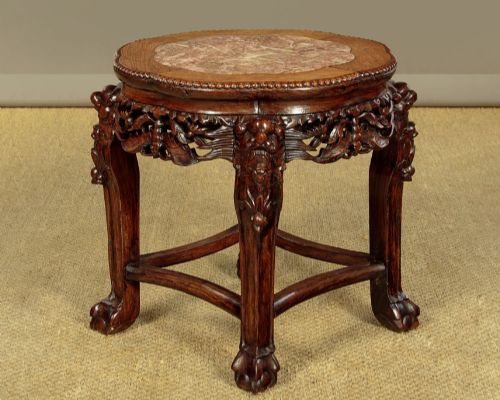
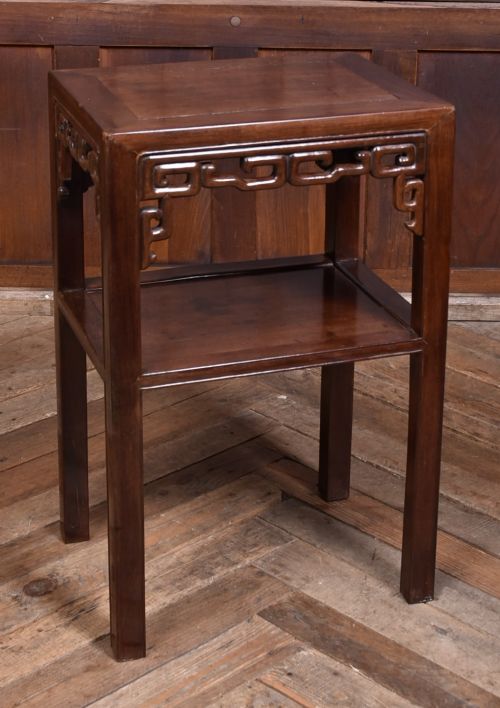
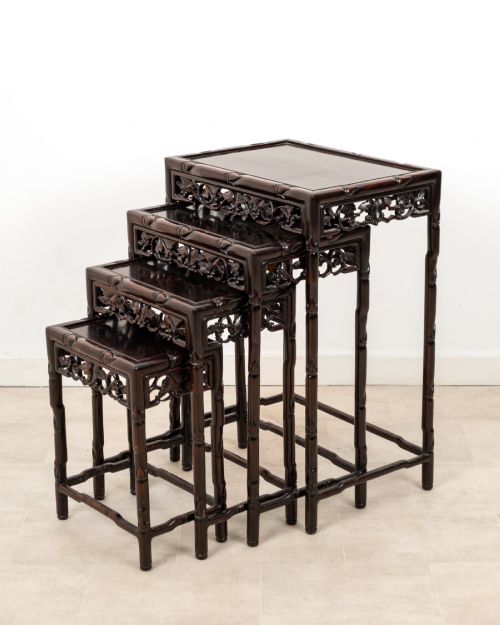
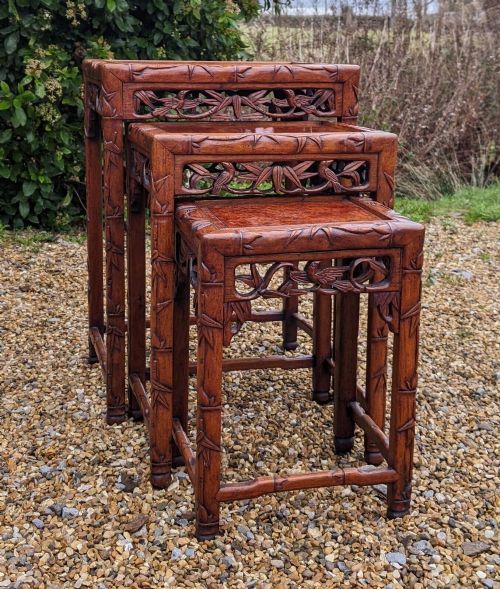
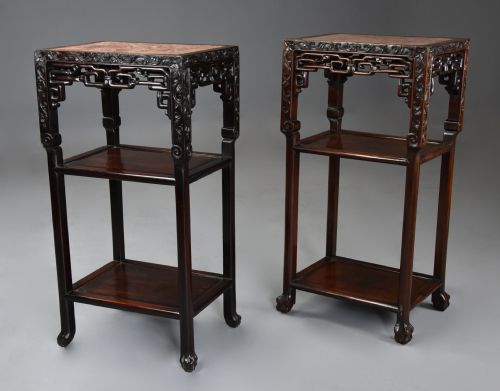
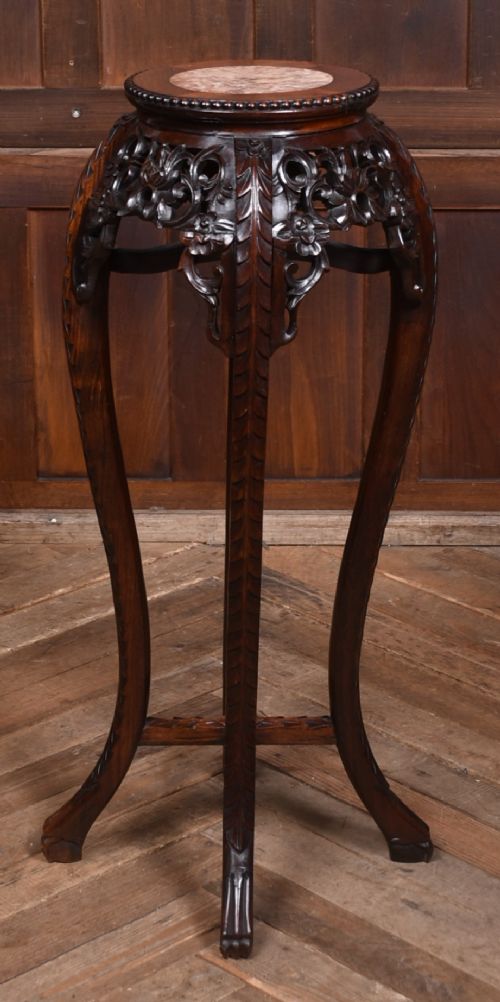
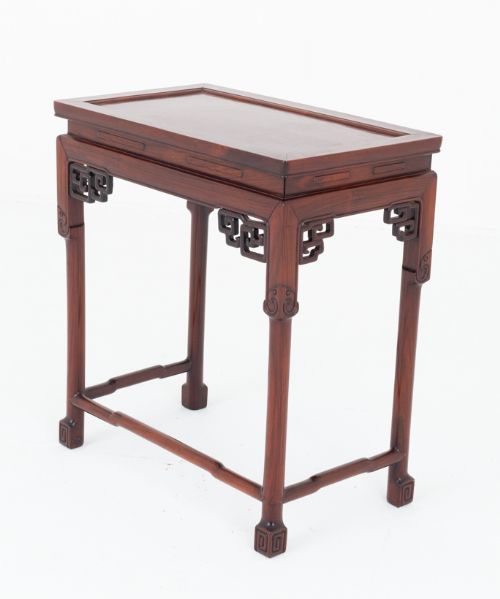
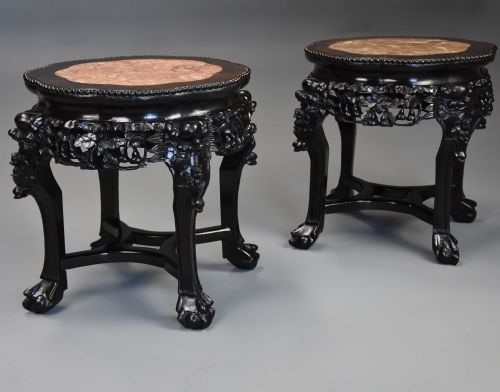
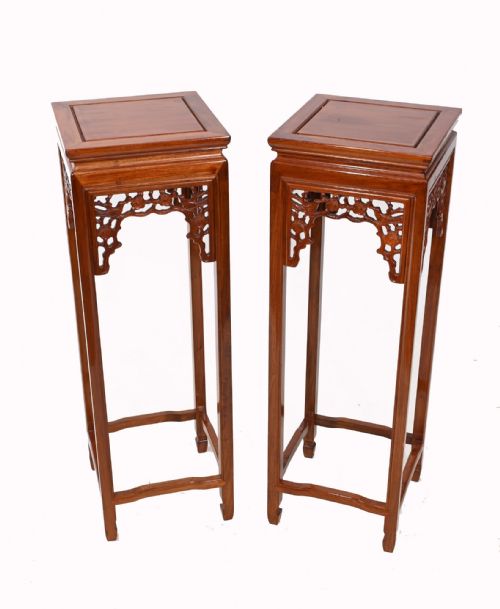
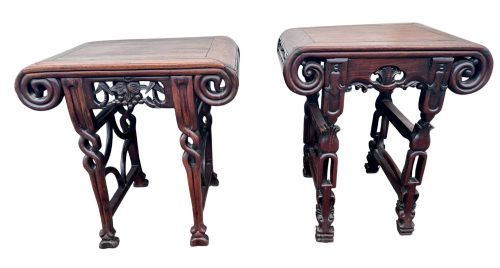
An asian plant stand is typically encountered as a compact table, torchère, or pedestal designed to elevate vessels and decorative objects within a room. The versions most commonly met on this page date from the nineteenth century into the early twentieth century, spanning late Victorian periods and the Meiji era. They appear in diverse forms ranging from low square tables and round occasional pieces to nests of four and tall pot stands.
Makers and workshops across China and Japan produced these pieces in hardwood, rosewood, and hongmu, often incorporating inset marble or porcelain panels. Styles draw upon Qing Dynasty traditions, Chinese export designs, and Japanese woodworking methods. Buyers select them to serve as side tables, lamp bases, or dedicated display surfaces for porcelain vases and jardinieres.
Materials and construction
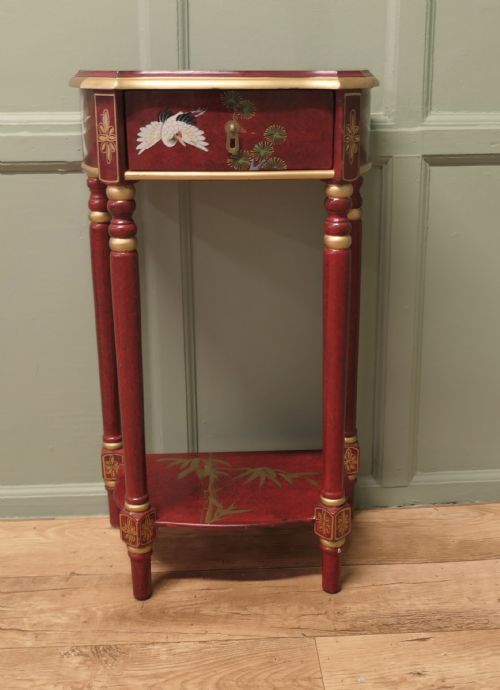
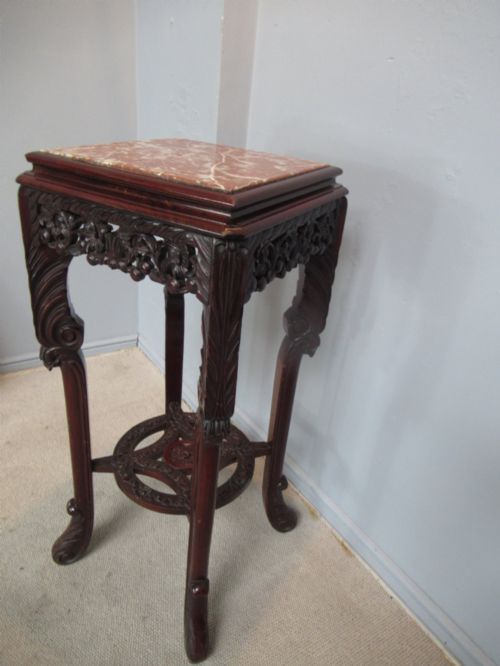
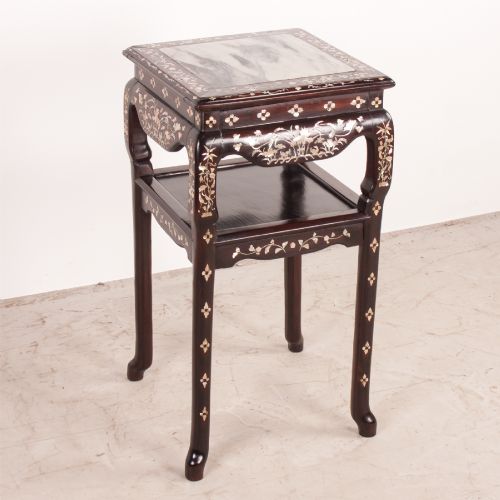
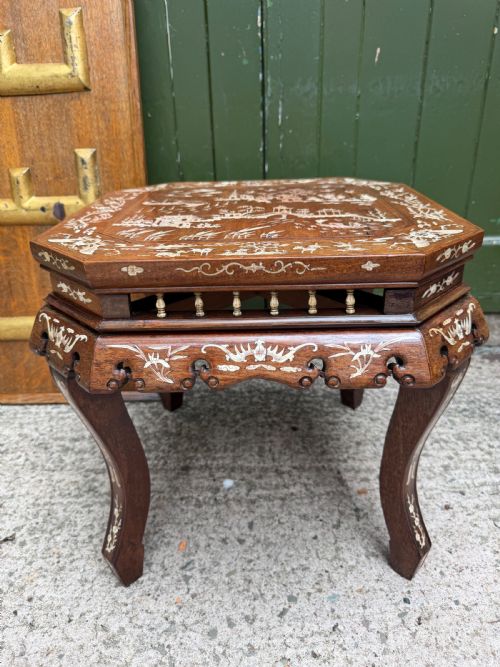
Carpenters utilised dense Asian hardwoods, rosewood, hongmu, and rootwood, selecting timbers capable of supporting heavy stone tops without warping. Inset elements of white marble, quartz, and painted porcelain appear frequently, fitted directly into rebated wooden frames. Surface decoration relies on intricate hand carving, red lacquer finishes, and detailed inlay work using bone and mother of pearl.
Joinery methods prioritized rigid stability for vertical stands, employing tight framing techniques to secure carved aprons and cabriole legs. Ebonised elm and amboyna also surface in specific regional pieces, finished with polished surfaces that highlight natural grain patterns. The integration of stone and ceramic panels demonstrates a high level of specialist skill in combining disparate materials.
Sculpted elephant seats complete with tusks bring a touch of Victorian exoticism to nineteenth-century domestic interiors.
Distinctions in quality
The finest examples display deep, crisp hand carving that remains sharp along edges and undercut details, whereas lesser pieces show shallower, mechanical shaping. Superior construction involves heavy, dense hardwoods like hongmu with exceptional natural grain and colour, contrasted against simpler pine or mixed timbers beneath paint or dark stain. The quality of fitted marble or porcelain inserts also dictates standard, with unbroken stone and hand-painted panels commanding greater appreciation.
Proportion and stability separate standard utility pieces from masterwork stands. Tables with balanced, tight joinery and well-integrated lower shelves maintain structural integrity over generations, while lesser items suffer from loose joints or poorly seated tops. The intricacy and preservation of bone and mother of pearl inlay further distinguish exceptional production from plain commercial output.
The Asian Plant Stand Glossary
- Hongmu
- A dense, dark tropical hardwood traditionally utilised in Chinese furniture making. It possesses significant weight and natural oil content.
- Torchère
- A tall, slender stand or pedestal designed to support a candle, lamp, or vase. These pieces provide vertical emphasis in interior spaces.
- Jardiniere
- A large ornamental pot or container for plants or flowers. Stands made specifically for these vessels often feature reinforced circular tops.
- Chabudai
- A low Japanese table traditionally used for sitting on tatami mats during meals or tea ceremonies. Examples often employ elm or local softwoods.
- Meiji
- The period of Japanese history spanning from eighteen sixty-eight to nineteen twelve. Furniture from this era often combines traditional forms with western influence.
Asian Plant Stand: Frequently Asked Questions
Where should I place an asian plant stand?
These pieces suit corners, beside seating, or beneath windows where natural light highlights carved details and timber grain. They function effectively as lamp tables or display pedestals for ceramics.
Ensure the surface area matches the base of the object you intend to display. Low variations work well beside armchairs, while taller torchères anchor empty wall spaces.
How do I care for marble and wood tops?
Dust regularly with a dry cloth and apply occasional natural wax to nourish exposed hardwood surfaces. Avoid placing wet pots directly onto unsealed wood to prevent staining.
Marble inserts require simple wiping with a damp cloth and mild soap. Protect the stone from acidic liquids which can etch the polished surface.
What is the difference between a pot stand and a side table?
Pot stands generally feature smaller, often circular tops designed specifically to elevate plants, vases, or jardinieres. Their proportions prioritize height and stability over surface area.
Side tables offer broader rectangular or square surfaces suited for general use such as holding books or lighting. Both forms share similar carved decorative vocabulary on this page.
How can I tell Japanese Meiji pieces from Chinese items?
Japanese Meiji furniture frequently utilises timbers like elm with ebonised finishes and restrained decorative motifs. The construction aligns with specific domestic traditions such as low table forms. Cinese pieces often employ denser tropical hardwoods like hongmu and feature intricate pierced carvings, marble inserts, or mother of pearl inlay. Regional carving styles provide the clearest indicator of origin.