
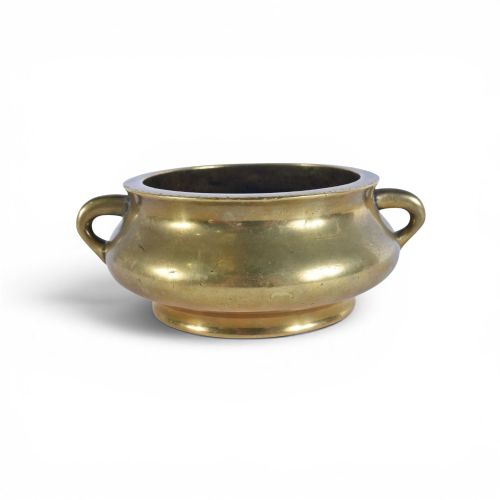
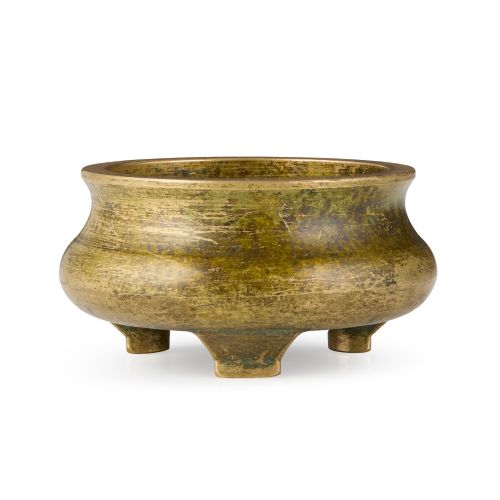
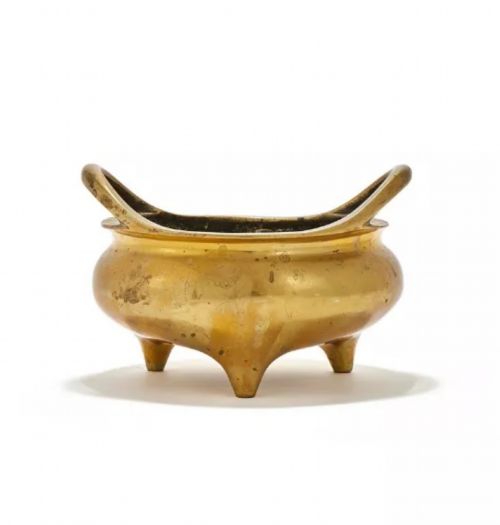
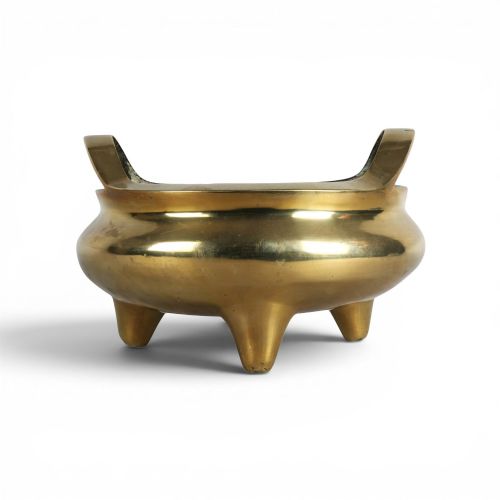
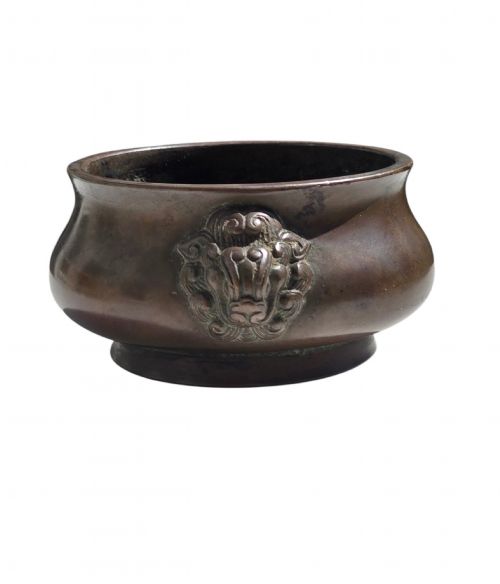


Asian Metalwork Censer
An asian metalwork censer brings centuries of ritual craft into a modern interior, offering sculptural weight and intricate bronze or cloisonne detail.
Asian Metalwork Censer
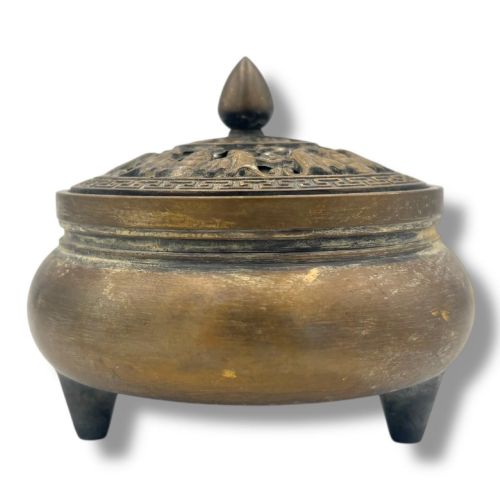
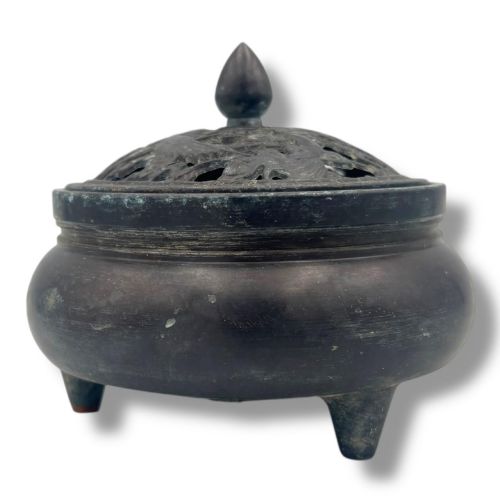
An asian metalwork censer functions primarily as a vessel for burning incense, taking forms such as tripod vessels, lidded koro bowls, and scholar's pieces. These objects emerge from Chinese and Japanese traditions spanning the Ming and Qing Dynasties as well as the Edo and Meiji periods.
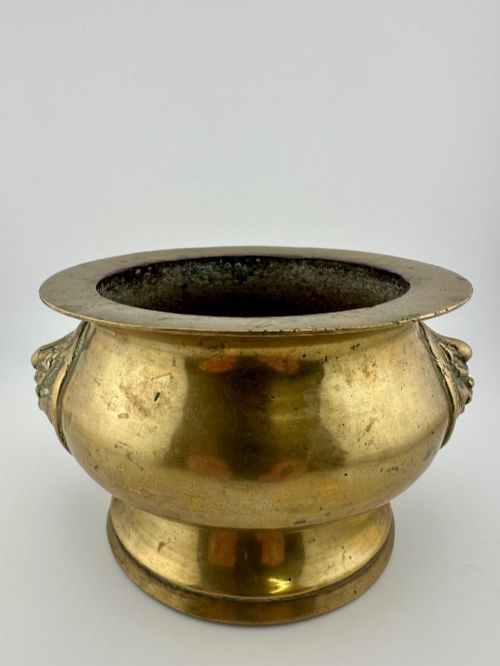
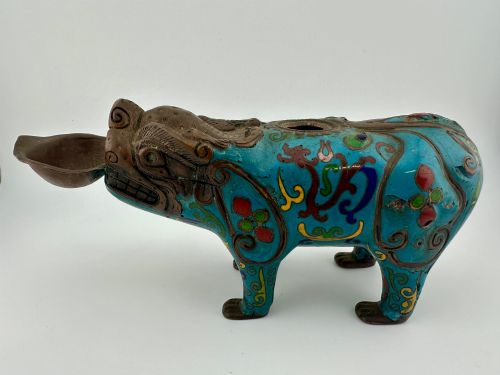
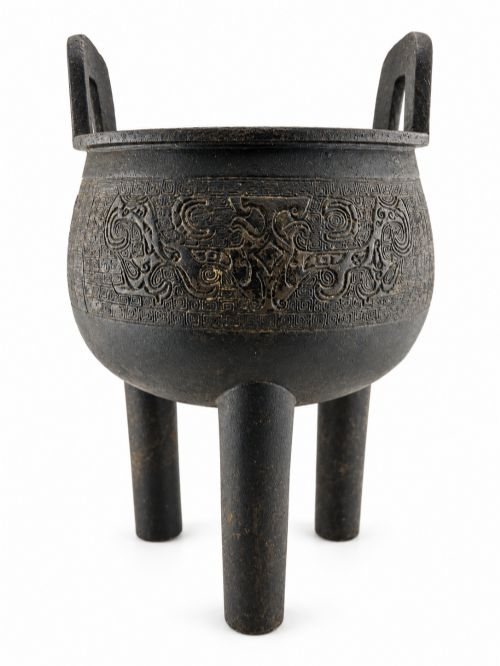
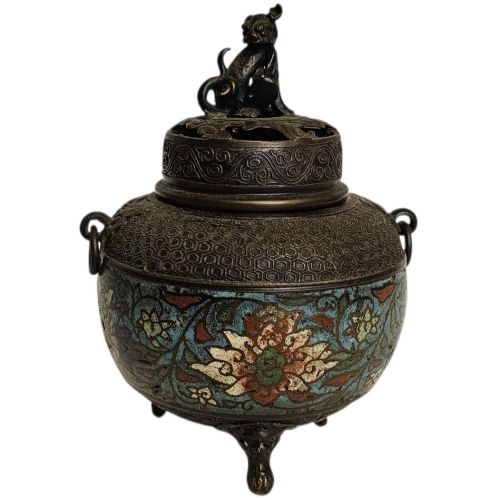
The pieces on this page lean heavily toward 18th-century and 19th-century works, alongside items dated around nineteen-hundred. Buyers encounter heavy cast bronze tripods with lion mask handles, cloisonne enamel surfaces, and scholar's vessels bearing archaic motifs.
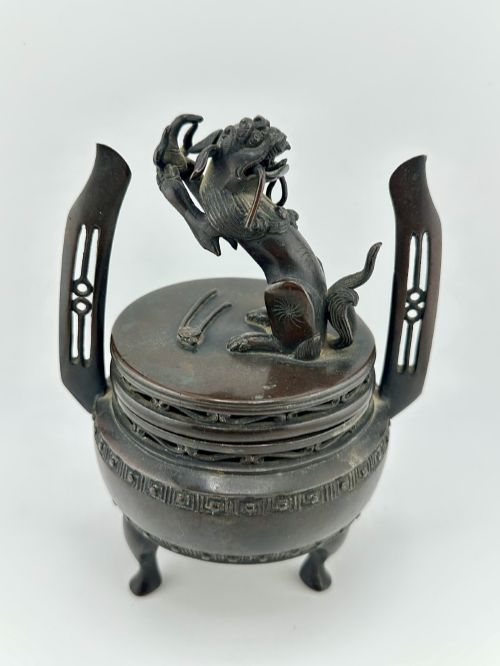
Forms range from compact lidded vessels with qilin finials to monumental decorative bronzes weighing several kilograms. Each design reflects historical aesthetic shifts, from austere archaistic scholar pieces to ornate dragon and phoenix decorations.
Materials and construction
Censers are cast primarily in bronze or brass, utilising techniques that produce substantial weight and durable walls. Many examples incorporate patinated finishes, parcel-gilt highlights, or silver inlays to articulate surface patterns.
Several heavy censers arrive carrying mystical beasts on their lids, guarding the incense with fierce expressions and permanent stone-like calm.
Factors of quality
Quality rests in the crispness of the casting and the depth of the metalwork, particularly where taotie masks, lotus petals, or mythical beasts ornament the surface. Heavy casting and thick walls distinguish utilitarian pieces from substantial scholar's studio works.
The integrity of the patina, the precision of cloisonne wirework, and the presence of legible reign or studio marks indicate the level of craftsmanship. Pieces featuring intact pierced lids and well-balanced proportions command attention from collectors.
The Asian Metalwork Censer Glossary
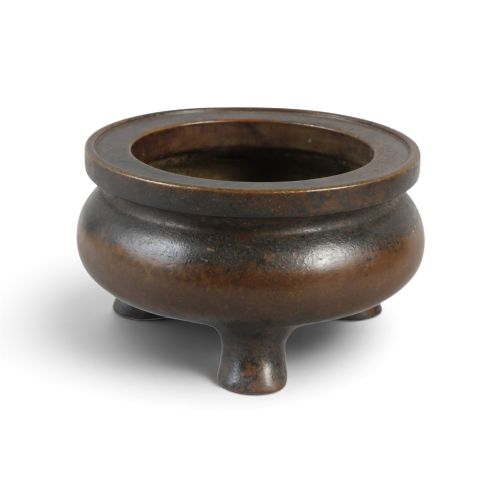
- Tripod
- A vessel supported by three legs. This configuration appears frequently in archaic bronzes and ritual incense burners.
- Cloisonne
- A metalwork technique where enamel paste fills compartments created by soldered wire. The surface is then ground and polished flat.
- Taotie
- A zoomorphic motif depicting a stylized monster mask. It appears commonly on archaic-style bronzes from Chinese dynasties.
- Koro
- A Japanese term for an incense burner, often featuring a pierced lid for releasing fragrance. These pieces frequently incorporate metal and enamel elements.
- Qilin
- A mythical hooved creature from Chinese mythology. Sculpted qilin figures often serve as finials on censer lids.
Asian Metalwork Censer: Frequently Asked Questions
How were these censers used?
These vessels held burning incense for ritual, domestic scenting, or scholar's contemplation. Fragrant woods or resins burned inside, releasing smoke through pierced lids.
Over centuries, the smoke helped develop the natural patina on the inner and outer metal surfaces through continuous use.
How do I identify periods?
Period identification relies on stylistic cues, casting techniques, and surface motifs. Ming and Qing pieces often adopt archaistic forms and heavy bronze bodies.
Later Victorian and Meiji examples integrate distinct regional styles, differing surface patination, and specific maker or reign marks.
Where should I place a censer?
Censers suit display on low tables, shelves, or desks where their sculptural form and patinated surfaces remain visible. Their substantial weight makes them stable focal points in a room.
Keeping them away from damp environments protects the metal finishes and any delicate cloisonne enamelwork.
What do reign marks mean?
Marks stamped or cast into the base often name historical dynasties, emperors like Xuande, or specific studio names. Some marks denote period production while others honour earlier aesthetic traditions.
Collectors examine these characters alongside the casting style to understand the origin and context of the piece.