






Asian Lacquered Display Cabinet
An asian lacquered display cabinet brings together rich regional craftsmanship and deep red or black finishes designed to showcase prized objects.
Asian Lacquered Display Cabinet
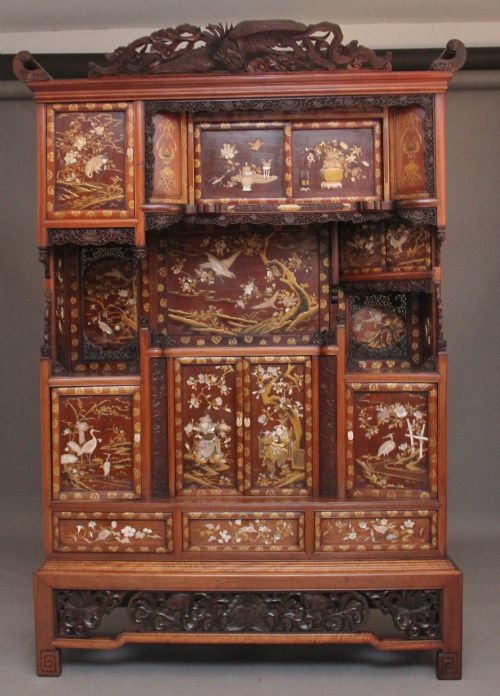
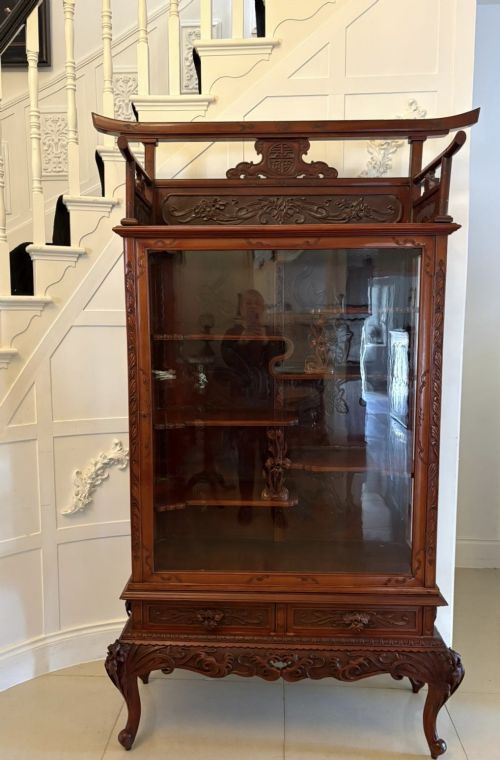
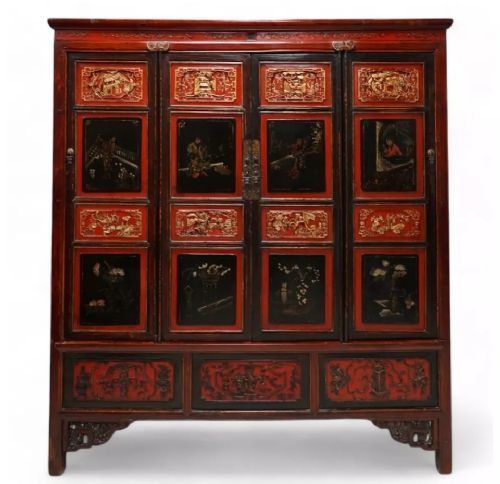
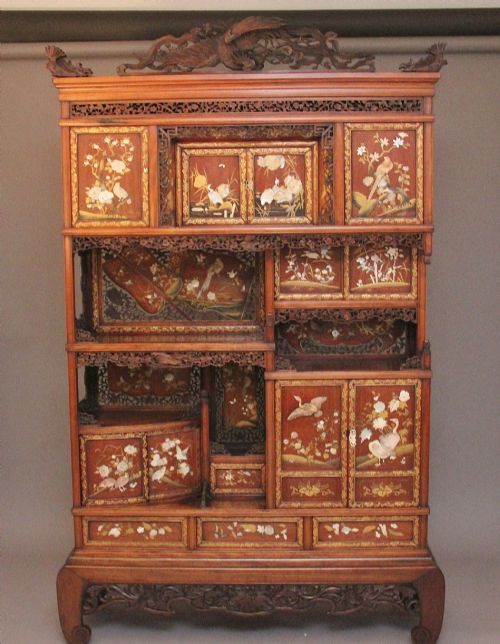
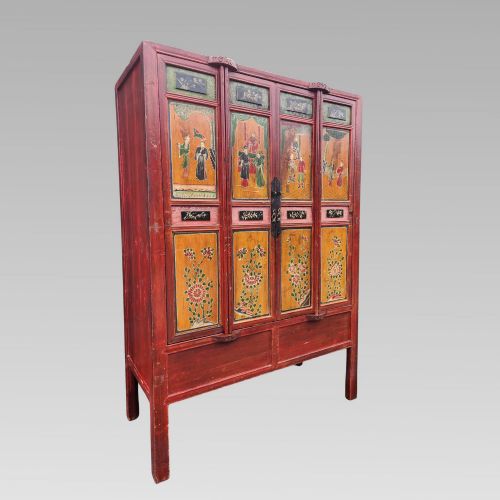
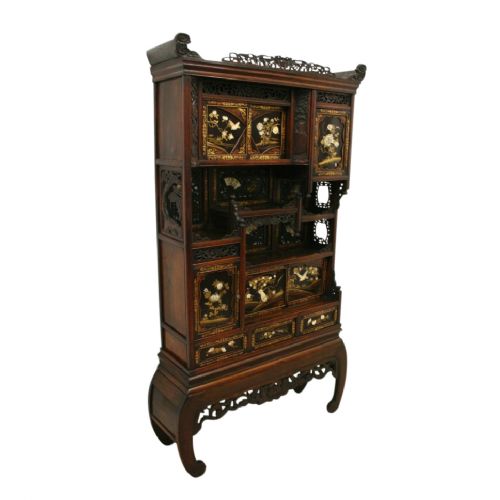
When searching for an asian lacquered display cabinet, you encounter traditional forms spanning Chinese marriage cabinets, wedding cupboards, and Japanese Meiji period shodona pieces. These furnishings serve as prominent storage and display units shaped by centuries of regional design.
Most examples rely on hardwood carcases finished with layered lacquer, sometimes paired with stands or structured with internal shelving. The visual identity of these cabinets rests on contrasting pigments and applied decorative motifs.
Materials and construction
Construction relies on timber foundations, specifically hardwood and elm, built to support heavy coats of lacquer. Artisans built these carcases using traditional joinery methods suited to large storage furniture.
Surfaces receive multiple applications of red, black, or cinnabar lacquer, building a hard protective shell. This medium allows for smooth polished finishes that accept intricate detail work.
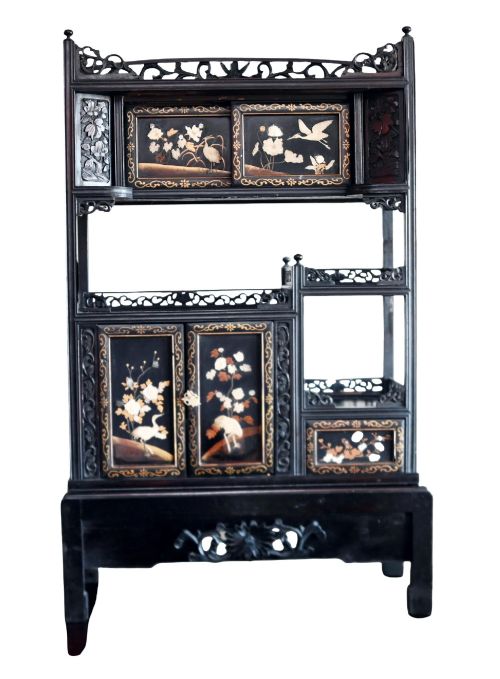
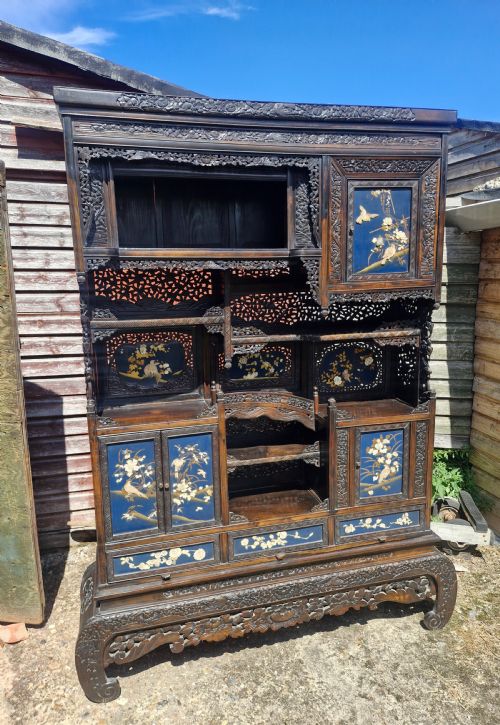
Decoration incorporates bone, mother of pearl, and brass fittings applied directly to the lacquered panels. Carved elements and painted motifs depicting birds and flowers complete the surface treatment.
Asian Lacquered Display Cabinet Retail Price Guide 2026
Typical asking prices for asian lacquered display cabinet among the pieces listed under this phrase on Sellingantiques today, from the lower quarter to the upper quarter. They describe what is for sale here now, not the wider market.
Materials recorded across the inventory include hardwood, elm, bone, mother of pearl, and brass alongside traditional lacquer.
What separates examples
Quality reveals itself in the depth and stability of the lacquer surface across large panels and doors. Superior pieces maintain an even, lustrous finish without significant flaking or modern restoration obscuring the original ground.
The integration of inlaid materials such as bone and mother of pearl dictates the refinement of a piece. Finer cabinets display precise fitting where delicate natural elements meet the dark or red lacquer ground.
Structural integrity of the timber carcase and original brass hardware sets apart standard storage pieces from exceptional examples. The balance between decorative ornamentation and robust joinery defines the enduring merit of each cabinet.
The Asian Lacquered Display Cabinet Glossary
- Shodona
- A traditional Japanese tabletop or floor-standing display cabinet featuring asymmetrical shelving and sliding doors. These pieces often showcase intricate joinery and decorative panels suited for small ornaments.
- Chinoiserie
- European interpretation and imitation of Chinese and East Asian artistic traditions, popular in decorative arts and furniture design. This style emphasises whimsical landscapes, floral patterns, and lacquered surfaces.
- Cinnabar lacquer
- A red lacquer made by mixing pulverized cinnabar mineral with tree sap, applied in numerous layers before carving. This technique yields deep relief decoration with a distinctive crimson hue.
- Marriage cabinet
- A large Chinese storage cupboard traditionally given as a wedding gift to hold clothing and valuables. These pieces frequently feature prominent brass hardware and auspicious red finishes.
Asian Lacquered Display Cabinet: Frequently Asked Questions
How were these cabinets used?
These pieces served practical storage and display functions within domestic interiors, holding garments, linens, or precious objects.
Larger marriage cupboards anchored main rooms while smaller shodona units displayed ceramics and scholarly items.
Where should I place one?
Position your cabinet against a stable interior wall away from direct sunlight and strong heat sources to protect the lacquer.
Allow enough surrounding clearance to appreciate the scale and detailed surface work of the panels.
How do I identify a Meiji period piece?
Look for distinct Japanese design markers such as asymmetrical shelving arrangements and intricate carved woodwork characteristic of the late nineteenth century.
These cabinets often bear the specific form of a shodona rather than the boxy silhouette of Chinese marriage chests.
What is the difference between red and black lacquer?
Red lacquer cabinets often utilise cinnabar pigments or bright vermilion finishes associated with celebratory marriage furniture.
Black lacquer surfaces provide a dark moody ground that highlights inlaid mother of pearl, bone, and painted bird motifs.