






Chinese Carved Wood Cabinet
A Chinese carved wood cabinet brings deep relief carving and dense hardwood grain into a room, offering both display space and enclosed storage.
Chinese Carved Wood Cabinet
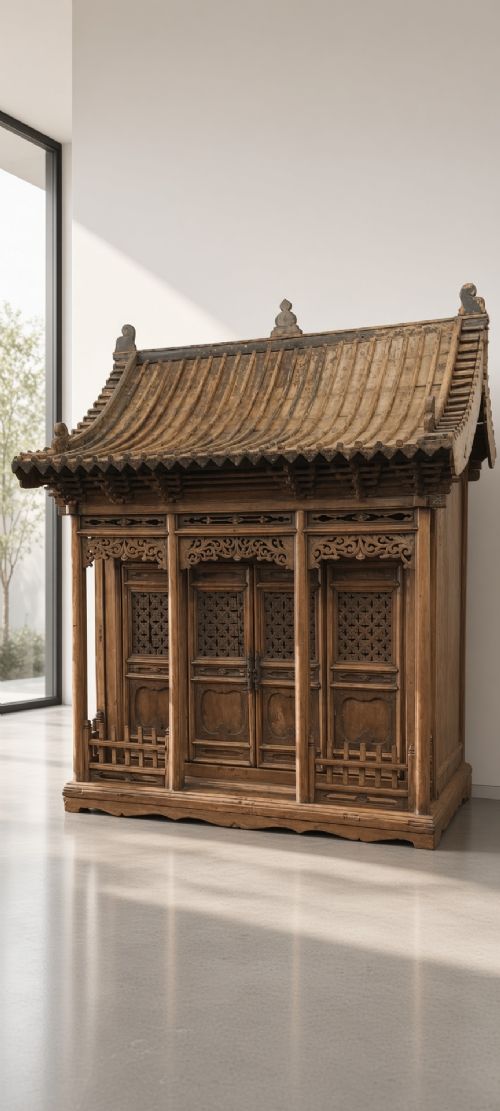
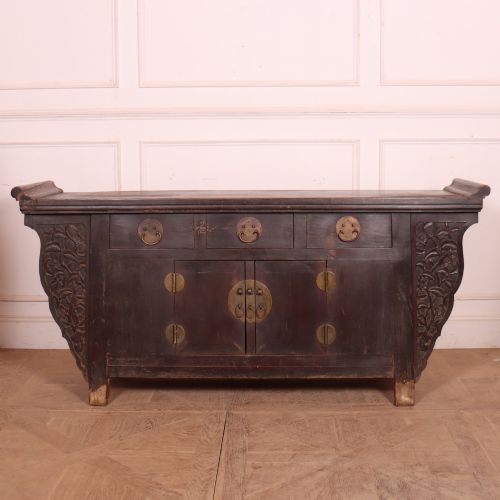
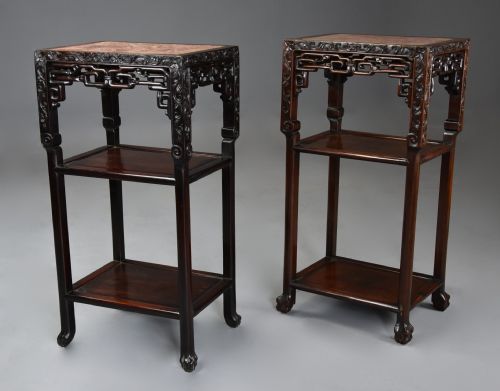
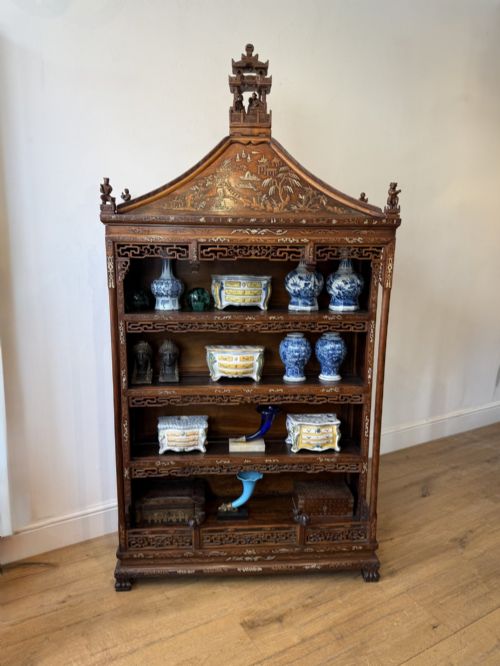
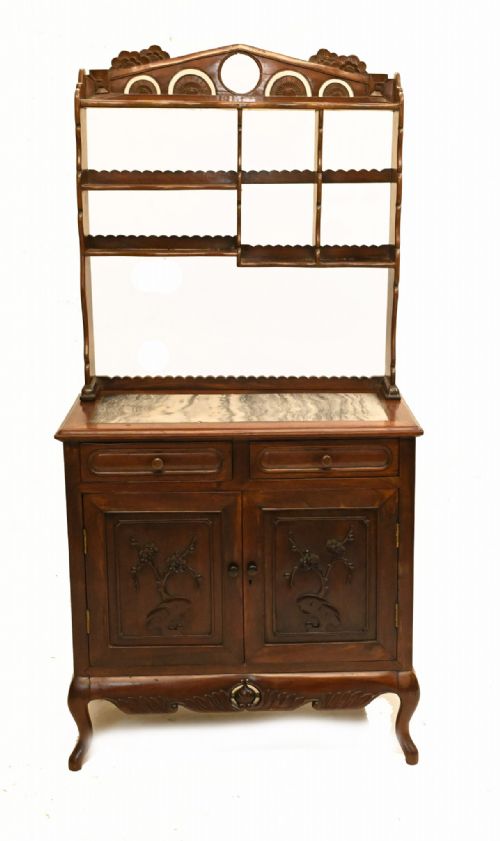
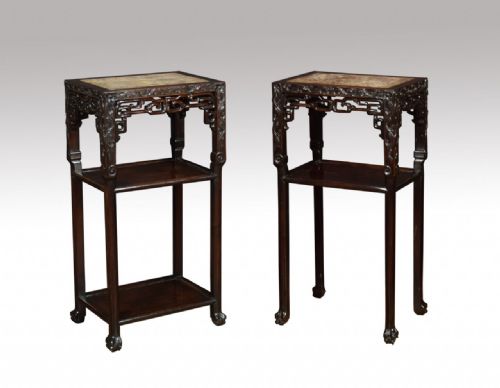
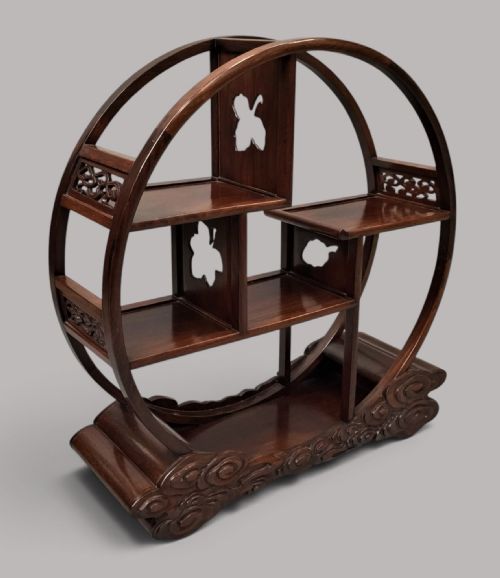
A Chinese carved wood cabinet encompasses various forms designed for storage, display, and ritual use, originating primarily from the nineteenth century alongside earlier eighteenth-century examples. You will encounter display cabinets, sideboards, shrines, and compound cupboard units frequently on this page.
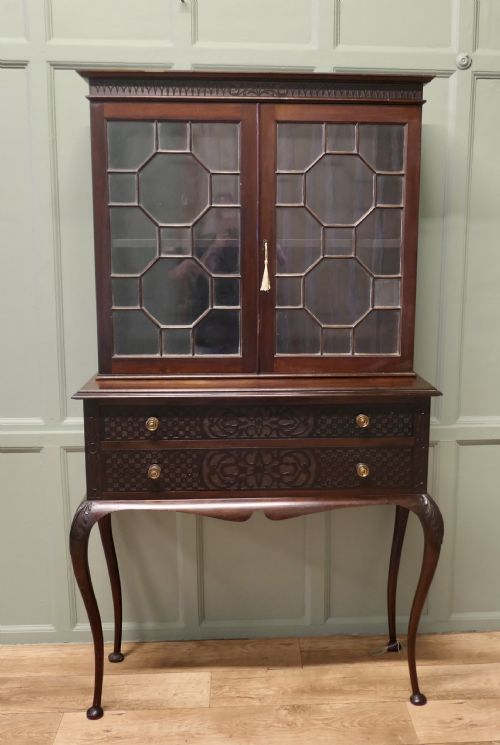
The regional styles vary from standard Qing Dynasty pieces and Shanxi Province designs to Western-influenced interpretations like Chinoiserie and Chinese Chippendale. These pieces serve domestic functions ranging from marriage storage to showcasing precious objects.
Makers utilised native timbers to construct standing cabinets, cabinets-on-stands, and smaller floor or table units. The structural variety spans simple side cabinets to intricate glazed display furniture.
Materials and construction
Makers constructed these cabinets using dense native timbers such as elm, camphor wood, rosewood, cherrywood, and heavy Asian hardwoods like hongmu and zitan. These woods provided the structural stability required for deep, dimensional relief carving.
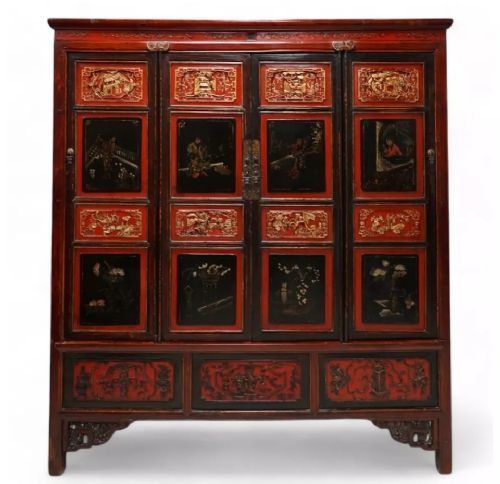
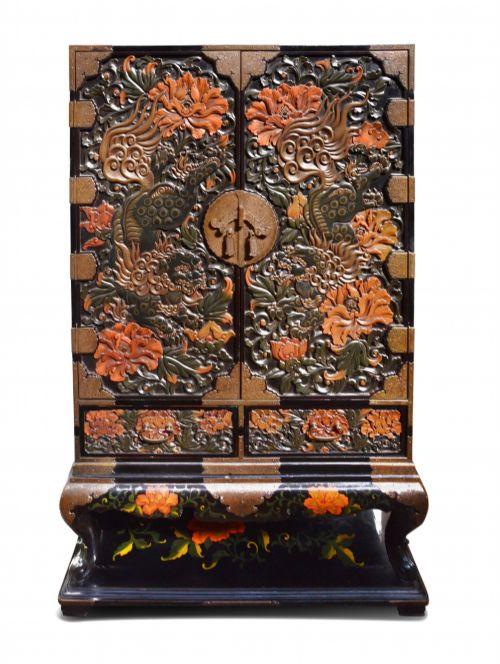
Surface treatments often incorporated red lacquer, cinnabar lacquer, and brass hardware to accent the carved wood panels. Glazed doors and marble inserts also appear alongside traditional joinery methods that avoided metal fasteners.
Chinese Carved Wood Cabinet Retail Price Guide 2026
Typical asking prices for chinese carved wood cabinet among the pieces listed under this phrase on Sellingantiques today, from the lower quarter to the upper quarter. They describe what is for sale here now, not the wider market.
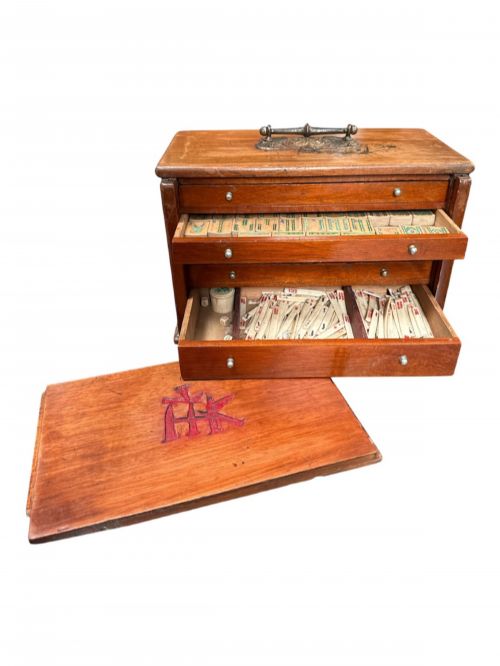
Several cabinets on offer hide their secrets behind heavy dragon carvings, while one hides a complete mahjong set ready for an evening game.
Evaluating craftsmanship
The depth and precision of the wood carving separate standard utility pieces from exceptional works, with crisp relief work on dragon motifs or floral panels indicating superior workshop execution. The choice of timber also dictates quality, as heavy, dense hardwoods like zitan and hongmu command greater appreciation than softer domestic woods like elm.
Intact original surfaces, including undisturbed lacquer and patinated hardwood grain, elevate a piece above those with modern refinishing. Original brass mounts and fitted interior components further distinguish the finest examples.
The Chinese Carved Wood Cabinet Glossary
- Hongmu
- A dense, dark tropical hardwood prized in Chinese furniture making. It translates to red wood and provides a heavy, durable frame for intricate carving.
- Chinoiserie
- European decorative style reflecting Chinese artistic influences. It appears in Western interpretations of oriental motifs on cabinets and lacquerwork.
- Cinnabar lacquer
- Layers of red mercury sulphide resin built up on a wooden base before being carved. The technique yields deep, durable sculptural patterns.
- Sijiangui
- A traditional Chinese compound cabinet style featuring a smaller top box resting on a larger base cupboard. These stacking units offer monumental storage capacity.
Chinese Carved Wood Cabinet: Frequently Asked Questions
What is a Chinese marriage cabinet?
A marriage cabinet is a large wooden storage piece traditionally given as a wedding gift to hold clothing and valuables. These pieces often feature elm or hardwood construction with distinctive brass pin hinges and round faceplates.
They frequently display auspicious carvings symbolising longevity and prosperity for the newlywed couple. Their generous internal capacity made them central fixtures in traditional domestic interiors.
How do I identify Qing Dynasty furniture?
Qing Dynasty furniture typically exhibits dense hardwoods, formal symmetry, and deeply carved motifs depicting dragons, foliage, or auspicious symbols. Construction relies on traditional joinery without nails.
Stylistic markers include horseshoe arms, recessed panel construction, and integrated pedestals. The weight and patination of timbers like hongmu also point toward this imperial period.
Where were these cabinets made?
These cabinets originated across various Chinese provinces, with specific regional workshops developing distinct forms and decorative preferences. Shanxi Province, for instance, produced notable storage cabinets with characteristic architectural lines.
Export workshops also tailored designs for Western markets, resulting in hybrid styles like Chinese Chippendale and Chinoiserie. Urban centres produced fine hardwood display pieces for domestic elites and foreign buyers alike.