



Asian Jade Sculpture
Asian jade sculpture brings tactile weight and mineral stillness to a room, spanning figures, animals, and natural landscapes.
Asian Jade Sculpture
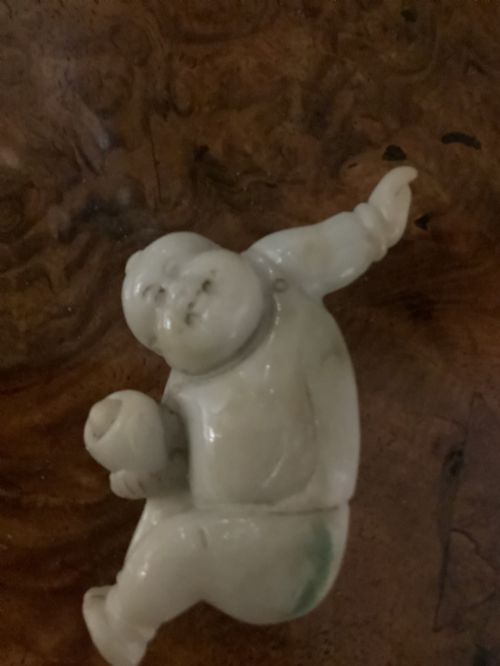
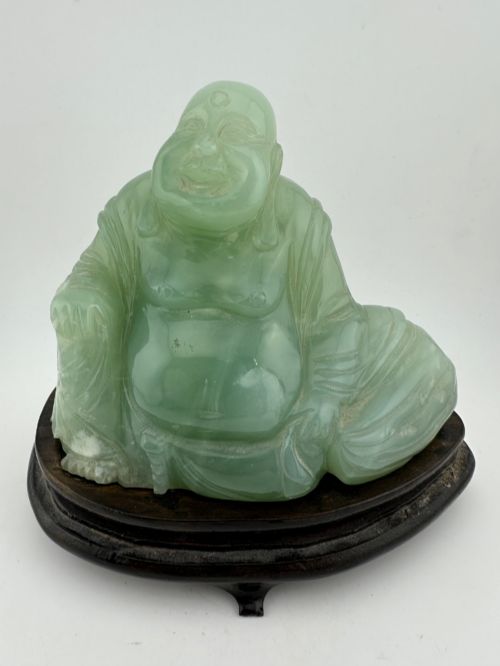
When you search for Asian jade sculpture, you encounter a concentrated selection of carved mineral figures and decorative table ornaments originating from Chinese traditions. These works range from small miniatures of fish and roosters to substantial green jadeite Laughing Buddha figures and landscape mountain carvings.
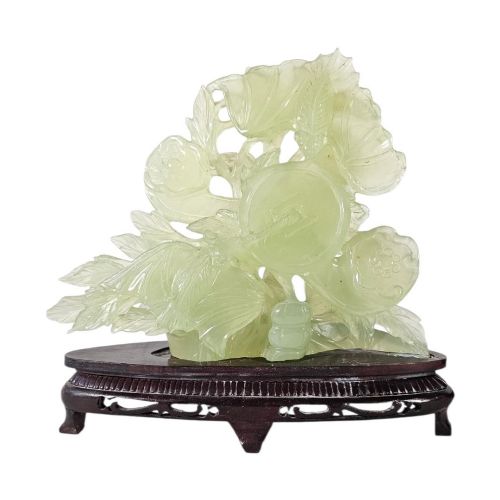
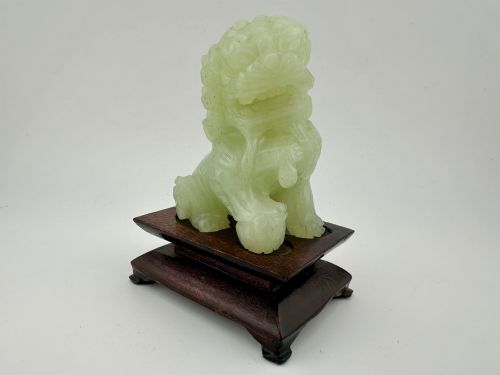
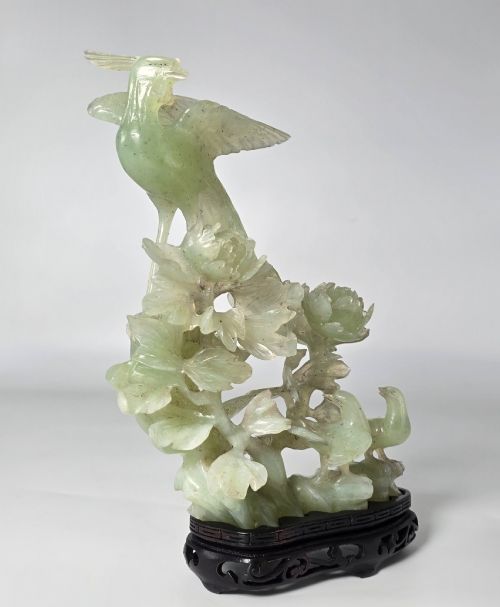
The objects on this page predominantly reflect traditional Chinese subject matter, including guardian lions, lotus motifs, and birds. Many pieces incorporate fitted wooden stands that elevate the carved stone.
Dating across the nineteenth century through the 1920s, 1930s, and 1940s, these sculptures demonstrate enduring motifs from Chinese Republic Period and Qing styles.
Materials and methods
The makers of these sculptures utilised jade, jadeite, hardstone, quartz, Xiuyan jade, and serpentine. These dense minerals demanded patient abrasive cutting and hand-polishing to achieve their finished surfaces.
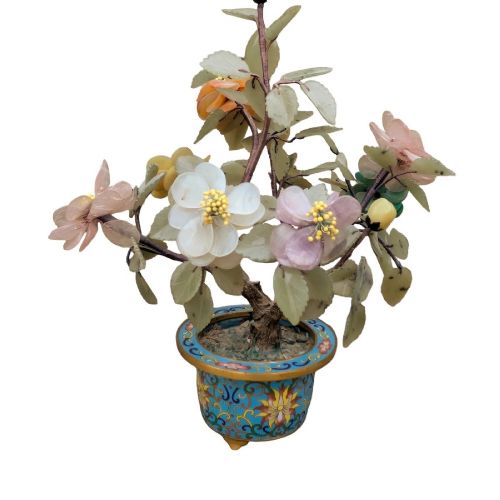
Many of the larger figures and floral table ornaments combine carved mineral components with carved hardwood bases or integrated planters, sometimes incorporating cloisonne elements alongside hardstone bonsai arrangements.
Asian Jade Sculpture Retail Price Guide 2026
Typical asking prices for asian jade sculpture among the pieces listed under this phrase on Sellingantiques today, from the lower quarter to the upper quarter. They describe what is for sale here now, not the wider market.
A tiny jade fish sculpture proves that even mineral carvers needed a quiet moment to honour the smallest swimmers.
Evaluating quality
Quality rests upon the sensitivity of the carving relative to the natural characteristics of the raw mineral. Superior examples display confident undercut detail in complex forms, such as guardian lions or mountain landscapes, where the stone dictates the composition.
The relationship between the carving and its designated wooden stand influences the overall integrity of the piece. Well-fitted stands complement the contours of the stone rather than competing with it.
The Asian Jade Sculpture Glossary
- Jadeite
- A pyroxene mineral and one of the primary materials used in these carvings, known for its vibrant green coloration and dense structure.
- Hardstone
- A general term for semi-precious stones used in decorative carvings, encompassing quartz and serpentine alongside true jade.
- Xiuyan jade
- A type of tremolite or serpentine jade originating from Liaoning province, frequently utilised for large decorative carvings.
- Jardiniere
- An ornamental pot or container for plants, often holding hardstone and jade flower arrangements in these selections.
- Foo dog
- A traditional guardian lion sculpture placed to protect a space, commonly rendered in jade or hardstone.
Asian Jade Sculpture: Frequently Asked Questions
What is Asian jade sculpture?
These pieces are hand-carved mineral figures and decorative table ornaments originating from Chinese traditions. They depict subjects ranging from mythical guardian lions and Buddha figures to birds, fish, and mountain landscapes.
Created from materials such as jadeite, quartz, and Xiuyan jade, many of these works are accompanied by fitted hardwood stands designed to support the stone.
How were these sculptures used?
These carvings served primarily as decorative table ornaments and scholarly desk objects within traditional interiors. Their motifs often carried symbolic meanings associated with prosperity, protection, and longevity.
Larger items like flower jardiniere bonsai arrangements and mountain landscapes functioned as focal points within a room, whilst miniature fish and roosters offered subtle decorative accents.
How do I live with hardstone carvings?
Place these sculptures on stable surfaces away from direct sunlight and sudden temperature shifts to protect both the mineral and any accompanying wooden stands. Their solid weight allows them to anchor a mantelpiece, side table, or cabinet shelf.
Handle the pieces by their main body rather than protruding elements or delicate botanical branches, using a soft, dry cloth for dusting.
How do I tell periods apart?
Dating relies on stylistic markers and the specific material treatments seen across nineteenth-century work and pieces from the 1920s to 1940s Republic Period. Traditional Chinese styling remains consistent, but carving depth and pedestal integration often reflect the era of production.
Comparing the treatment of surface details, such as the feathers on roosters or the foliage on lotus carvings, helps contextualise the age of each sculpture.