






Asian Ceramic Lamp
An asian ceramic lamp brings centuries of Eastern craftsmanship into a modern interior through a converted vessel fitted for light.
Asian Ceramic Lamp
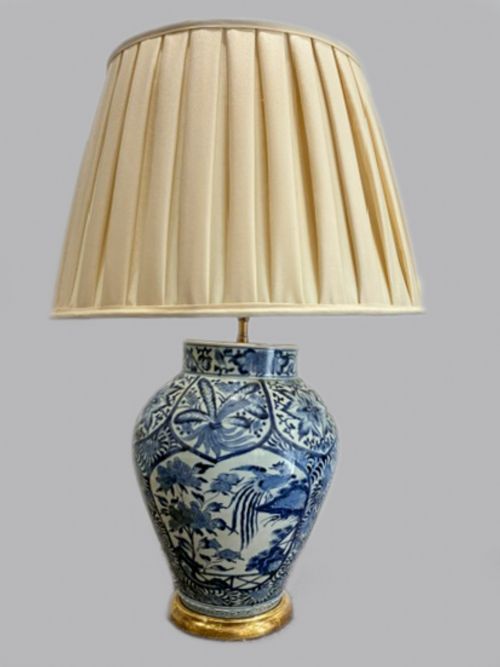
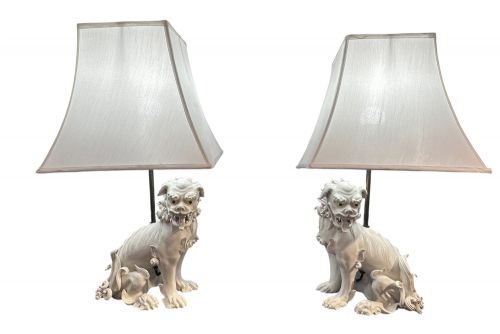
When you search for an asian ceramic lamp, you encounter historical vases, jars, and figures that have been converted into lighting fixtures. These pieces draw from Chinese and Japanese ceramic traditions spanning the seventeenth century through the early twentieth century.
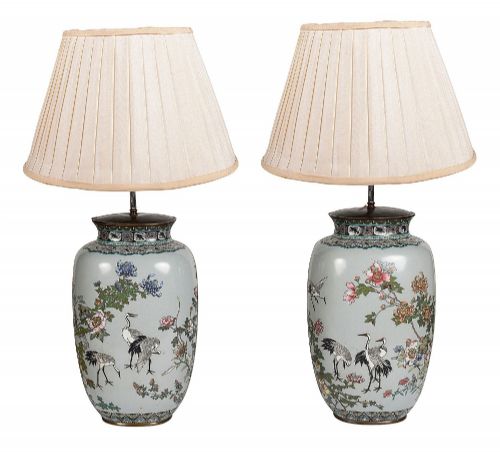
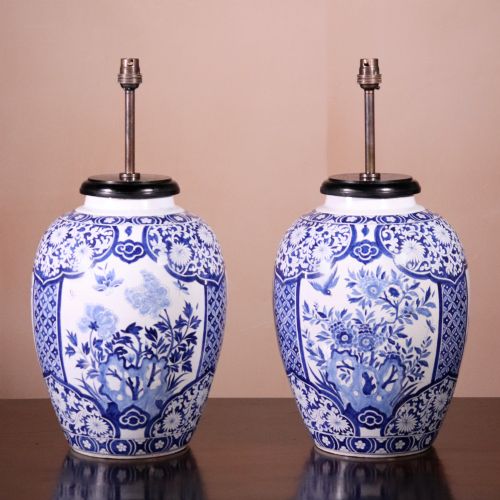
The form typically combines an antique porcelain, earthenware, or cloisonne body with modern electrical components and brass mounts. Many survive in pairs, originating as decorative vases before receiving their lamp fittings.
The selection here ranges from late seventeenth-century Japanese vessels to nineteenth-century Satsuma, Imari, Kutani, and Chinese Celadon porcelain lamps. These items bridge traditional Asian ceramic artistry and practical domestic illumination.
How they were made
Makers shaped these bodies from porcelain, earthenware, and ceramic clay, often applying intricate hand-painted glazes such as blue and white, Famille Verte, Famille Rose, and turquoise. Cloisonne enamel variants incorporate metal wires to hold coloured enamel pastes on a metallic base.
Conversion into a lamp involved securing brass mounts and threading wiring through the antique vessel, sometimes utilising wooden or fabric elements alongside silk shades. The original ceramic body remains the focal point while adapting to domestic use.
Listings feature ceramics spanning the 17th century to the 1930s, utilising porcelain, earthenware, brass, fabric, wood, silk, and enamel.
What varies in quality
Quality rests upon the crispness of the hand-painted decoration, the depth of the porcelain glaze, and the structural integrity of the ceramic body. Pieces featuring finely detailed figural scenes or rich celadon and powder blue tones display superior craftsmanship.
The integration of brass mounts and the preservation of the original vase condition also separate standard examples from finer specimens. Matching pairs command particular attention for their decorative symmetry.
The Asian Ceramic Lamp Glossary
- Satsuma
- A type of Japanese earthenware featuring a pale, ivory crackle-glaze decorated with elaborate polychrome enamels and gilt.
- Imari
- A style of Japanese porcelain originating in Arita, traditionally decorated in underglaze blue, iron red, and gilt.
- Celadon
- A ceramic glaze denoting a range of transparent green shades applied over a pale porcelain body.
- Famille Rose
- A palette of Chinese porcelain enamels dominated by opaque pink or rose colours, introduced during the Qing dynasty.
- Kutani
- Japanese coloured porcelain characterised by bold pictorial designs, often incorporating intense greens, yellows, and purples.
Asian Ceramic Lamp: Frequently Asked Questions
How are these lamps converted safely?
Conversion typically involves mounting the ceramic vessel with brass hardware and running an electrical cord through the centre or base without damaging the antique body.
Professional rewiring ensures the lamp meets modern safety standards while preserving the structural integrity of the original porcelain or earthenware.
Can I find matching pairs easily?
Many listings feature matched pairs of vases that were converted simultaneously, making symmetry achievable for larger spaces.
Single lamps also appear frequently, often originating as individual decorative vases or jars.
What periods do these lamps date from?
The pieces span from the late seventeenth century through the nineteenth century and into the early twentieth century.
Edo, Meiji, and Qing dynasty aesthetics strongly influence the dating of these ceramic bodies.
How do I care for the ceramic and mounts?
Dust the ceramic body gently with a dry microfibre cloth and avoid using harsh chemical cleaners on the antique glaze.
Brass mounts can be maintained with appropriate metal polish applied carefully to avoid contact with the ceramic surface.