




Asian Ceramic Decor
Asian ceramic decor brings together porcelain, pottery and enamel vessels shaped across the nineteenth century and the Edwardian era.
Asian Ceramic Decor
Asian ceramic decor encompasses decorative vases, plates, dishes, bowls, figurines and ashtrays originating from Japan and China. When exploring these listings, buyers encounter numerous Imari porcelain pieces alongside Kutani vases and Satsuma pottery.
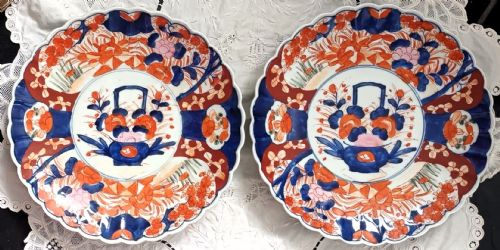
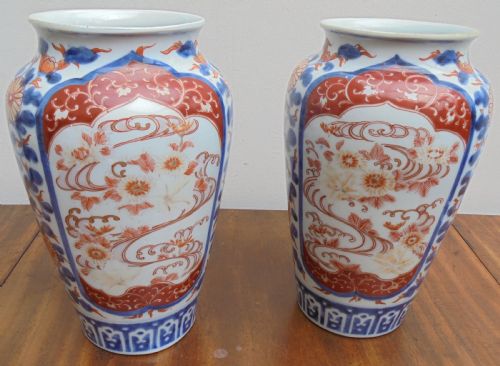
The objects span the nineteenth century, the Meiji period, and the Edwardian era, featuring distinct forms such as hexagonal bowls, shell-shaped plates and flare neck vases. Japanese Imari dominates the selection, frequently appearing in pairs.
Other notable forms include Tang dynasty style sancai glazed pottery figurines and Chinese blue and white porcelain vases executed in the Kangxi style. These pieces range from cabinet-sized dishes to large bottle vases designed for display.
Materials and Techniques
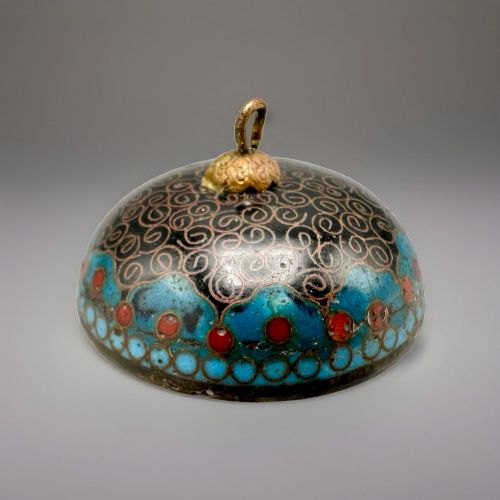
Makers shaped these items from porcelain and pottery, applying cobalt blue glaze, enamel, and gold leaf for surface enrichment. Cloisonné enamel pieces combine copper and bronze with wirework cells fused to metal bases.
Potters and painters utilised hand-painted techniques, underglaze cobalt, and sancai glazing methods to achieve vibrant coloration. Firing processes varied from high-temperature kiln work for durable porcelain to earthenware production for figural statuary.
Asian Ceramic Decor Retail Price Guide 2026
Typical asking prices for asian ceramic decor among the pieces listed under this phrase on Sellingantiques today, from the lower quarter to the upper quarter. They describe what is for sale here now, not the wider market.
A musical band of seven Tang dynasty style figures plays happily alongside quiet Imari bowls and smoking ashtrays.
Evaluating Quality
Quality rests upon the precision of the hand-painted brushwork and the complexity of the glazed design. Pieces displaying finely rendered figural ladies, exotic birds, or wisteria garden motifs demonstrate superior artistic execution.
The crispness of the porcelain form and the harmonious application of gold leaf and enamel separate standard production from finer output. Pairs and matched sets show greater consistency in shape, palette, and decorative detail.
Hakusan
The Asian Ceramic Decor Glossary
- Imari
- A style of Japanese porcelain featuring a distinct palette of underglaze blue, iron red, and gold. Artisans produced these decorative plates, bowls, and vases extensively during the Meiji period.
- Kutani
- Japanese porcelain and pottery originating from Ishikawa prefecture, known for bold pictorial designs and rich enamel painting. These vases and dishes often incorporate extensive gilt work.
- Satsuma
- Japanese earthenware featuring a fine crackle glaze decorated with enamel and gold leaf. Kyoto Satsuma workshops produced intricate garden and figural scenes.
- Cloisonne
- Metalwork technique where thin wire partitions form cells that hold enamel paste before firing. This method appears on decorative ashtrays and vessels alongside ceramic items.
- Sancai
- Three-colour glaze tradition associated with Tang dynasty style pottery. Artisans utilised amber, green, and cream or white lead-based glazes on figural statues.
Asian Ceramic Decor: Frequently Asked Questions
What is Asian ceramic decor?
Asian ceramic decor comprises ornamental vessels, plates, figurines, and pottery created in Japan and China. These pieces reflect historical periods including the Meiji era and the nineteenth century.
Items range from everyday decorative objects to intricate Imari tableware and Kutani vases designed for interior display.
How do I identify Meiji period pieces?
Meiji period items date from the late nineteenth to early twentieth centuries, aligning with Japanese export expansion. They frequently feature characteristic Imari palettes or Kutani painting styles.
Examining the base and the application of enamel and gold leaf helps determine the manufacturing period and regional origin.
Where should I display these pieces?
These decorative plates, bowls, and vases suit placement on mantelpieces, sideboards, and within enclosed cabinets. Their varied forms allow for standalone display or pairing on flat surfaces.
Stable positioning protects fragile porcelain edges and delicate enamel or gold leaf details from accidental impact.
How do I care for antique porcelain?
Antique porcelain and pottery require gentle cleaning with a dry or slightly damp cloth to remove dust. Avoid harsh chemical cleaners that might damage hand-painted glazes and gold leaf.
Keeping items away from direct sunlight and extreme temperature fluctuations preserves the integrity of the ceramic body and surface decoration.