
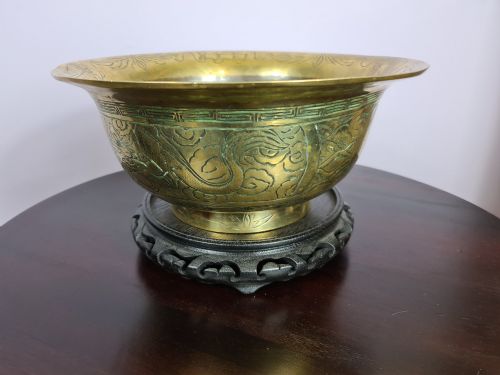

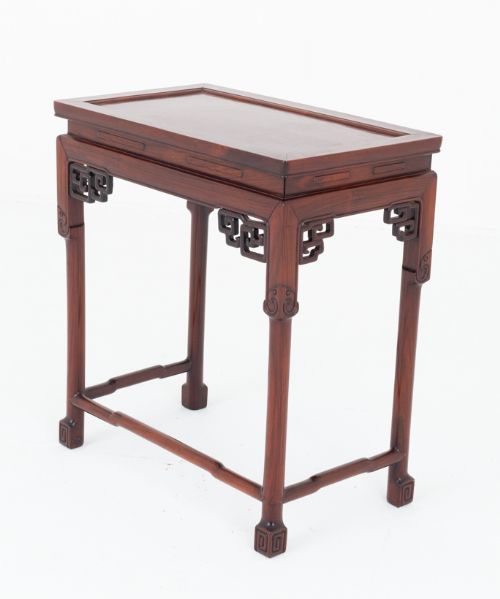


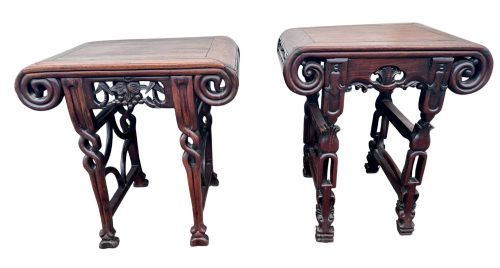


Asian Carved Wood Stand
An asian carved wood stand brings dense grain and deep relief carving into a room, holding vases or plants with solid presence.
Asian Carved Wood Stand
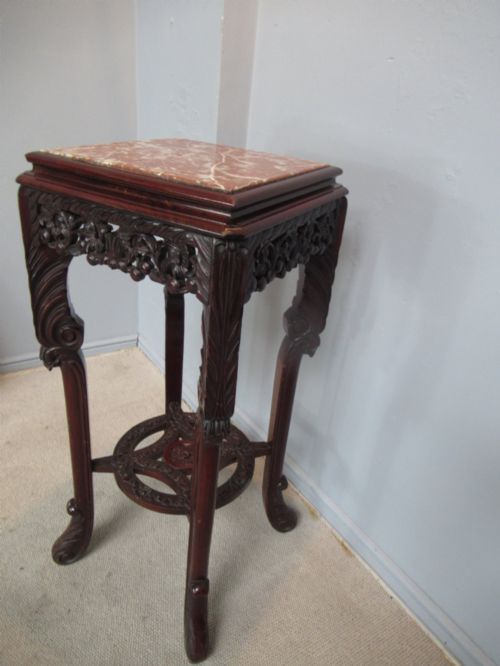
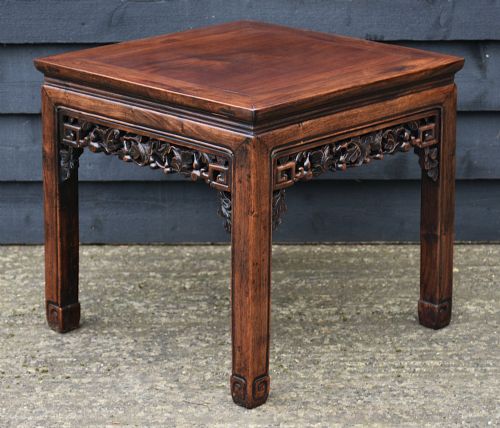
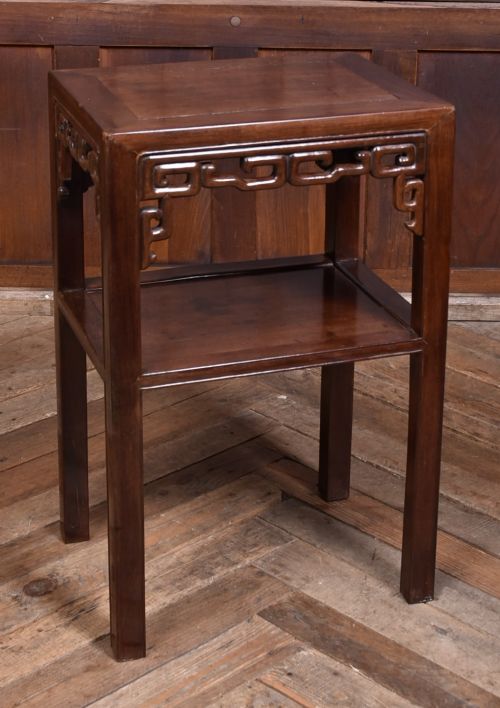
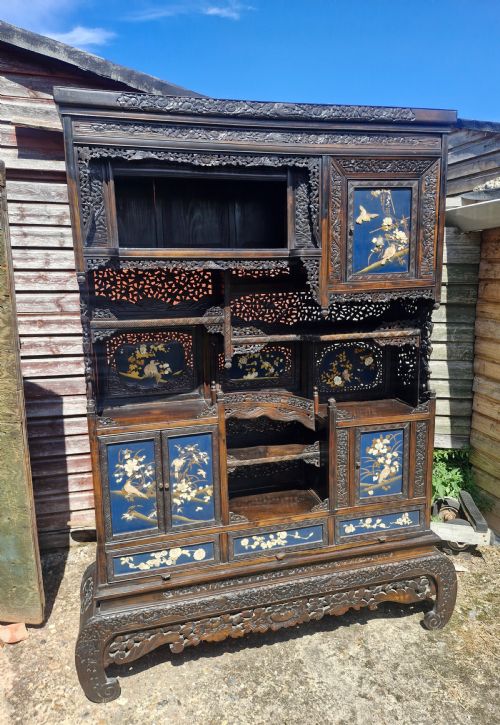
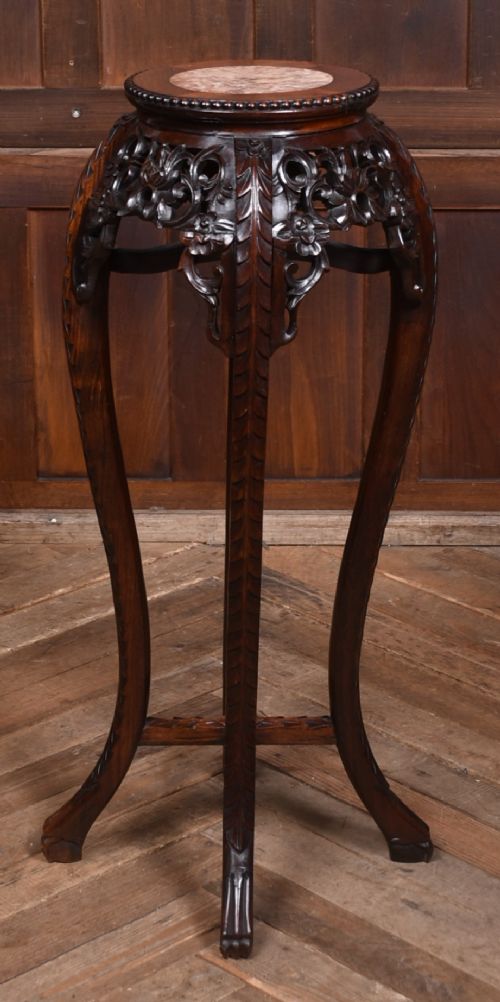
An asian carved wood stand is typically encountered as a plant or vase pedestal, low table, or torchere originating from the nineteenth and early twentieth centuries. The selection includes Chinese hardwood tables and Japanese Meiji period pieces shaped for display.
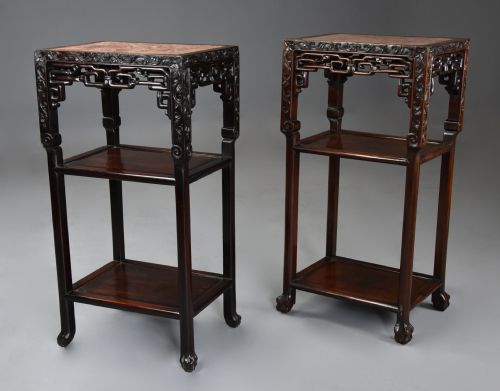
Makers drew on traditional styles such as Qing Dynasty designs and Chinese Export aesthetics to create functional furniture with elaborate pierced carving. These objects range from compact occasional tables to matched pairs of freestanding pot stands.
The form exists to elevate decorative items, placing porcelain vessels or bronze sculptures at a deliberate height. Sturdiness and balanced proportions remain characteristic of the survivals from this period.
Materials and Construction
Dense timbers such as rosewood and various Asian hardwoods form the structural core of these pieces, selected for their weight and capacity to hold intricate chisel work. Craftsmen utilised traditional joinery methods to frame heavy marble or quartz inset tops.
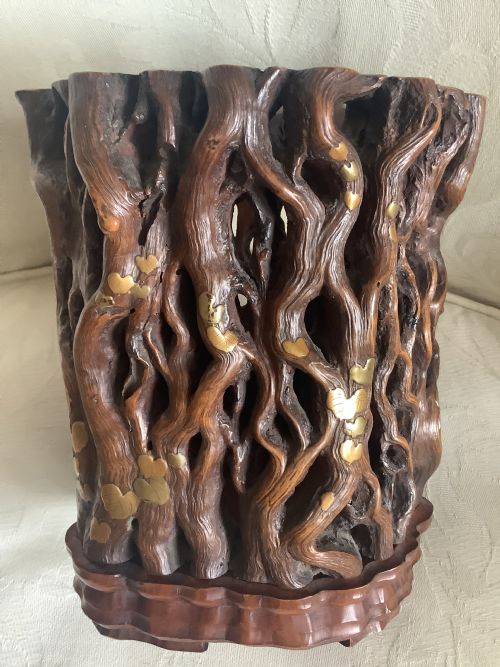
Surface treatments incorporate black lacquer, polychrome paint, and gold leaf applications to highlight carved relief motifs of dragons, foliage, and figures. Brass and other metal elements appear selectively as mounts or structural reinforcements.
Listings span the nineteenth century through the 1930s, featuring rosewood, marble, lacquer, and gold leaf across Chinese and Japanese traditions.
Judging Quality
The standard of carving dictates the grade of the piece, moving from mechanical repetition to deep, undercut relief with distinct anatomical or botanical detail. Sharpness along the edges of foliage and animal motifs separates standard workshop output from finer examples.
Selection of the timber grain and the precise fit of inset marble or stone surfaces determine structural integrity and finish. Pieces that retain original lacquer or undisturbed patination on the hardwood show superior preservation.
The Asian Carved Wood Stand Glossary
- Torchère
- A tall ornamental stand designed specifically to support a lamp, vase, or candle holder. These vertical supports often feature slender legs and carved aprons.
- Hongmu
- A traditional Chinese term for dense, heavy red hardwoods used in fine furniture production. The material takes a high natural polish without heavy staining.
- Okimono
- A small Japanese decorative carving intended for display on a shelf or stand. These miniature sculptures are typically rendered in bamboo, wood, or ivory.
- Shodana
- A type of Japanese display cabinet featuring asymmetrical shelving and small cupboards. They originate predominantly from the Meiji period.
- Huali
- A fragrant and highly figured Chinese hardwood prized for its decorative grain. It forms the primary material of high status vase stands and tables.
Asian Carved Wood Stand: Frequently Asked Questions
What is an asian carved wood stand used for?
These items were built to hold heavy porcelain vases, bronze vessels, and indoor plants within domestic interiors. Their sturdy frames provided a stable raised platform for prized decorative objects.
Today they function similarly as side tables, plant pedestals, or sculptural accents in a room. Their compact footprints allow them to fit easily beside seating or in corners.
How do I date an antique wood stand?
Dating relies on examining the timber type, tool marks, and stylistic indicators such as Qing Dynasty or Meiji period motifs. Nineteenth century examples generally display hand-cut joinery and heavy, dense hardwoods.
Later pieces from the early twentieth century often show shifts in proportion and finish. Comparing the construction methods to documented pieces from the same region helps narrow the production window.
Are marble top stands original?
Many nineteenth century plant and vase stands were constructed specifically to house inset marble or quartz slabs. The stone provides a cool, flat, moisture resistant surface for heavy pots.
Checking the rebate beneath the tabletop reveals whether the frame was built to accommodate the stone. Original marble fits flush and shows the same age patination as the surrounding wood.
How do I care for antique hardwood furniture?
Maintain these pieces by keeping them away from direct heat sources and sudden humidity changes to prevent timber splitting. Dust regularly with a dry, soft cloth rather than using silicone based polishes.
Occasional application of pure beeswax helps nourish dry hardwood surfaces. Avoid placing damp plant pots directly on the wood without a protective saucer.