



Asian Carved Stone
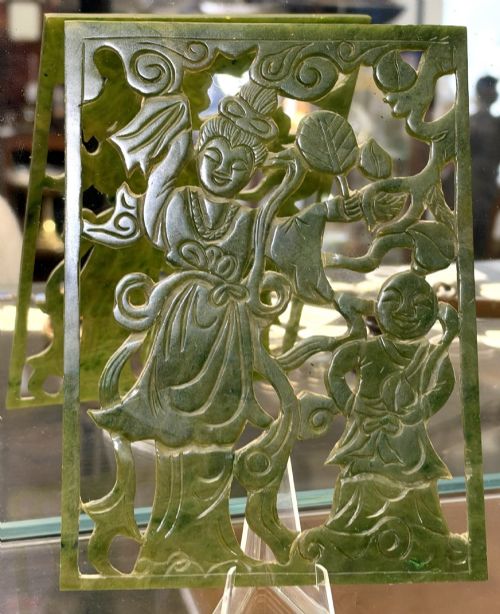
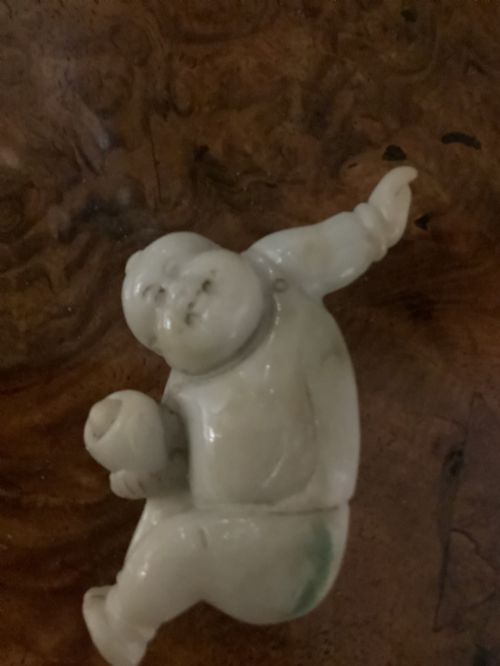
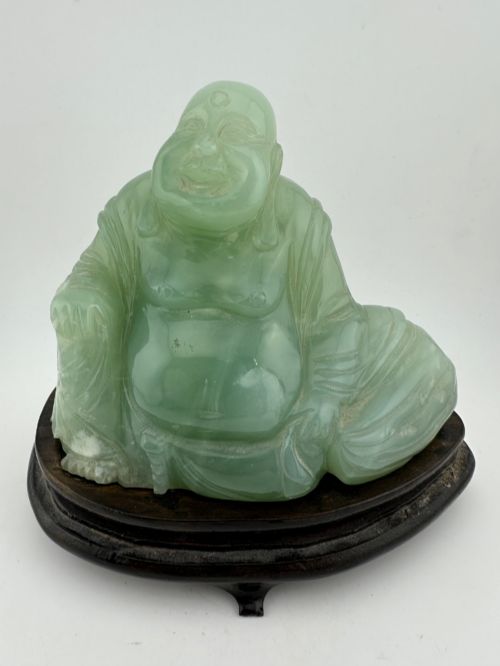
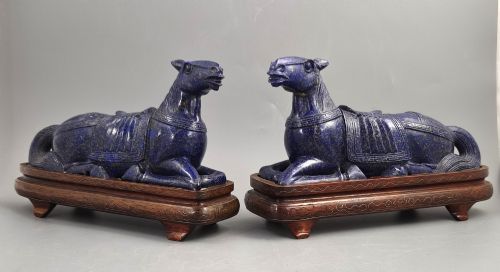
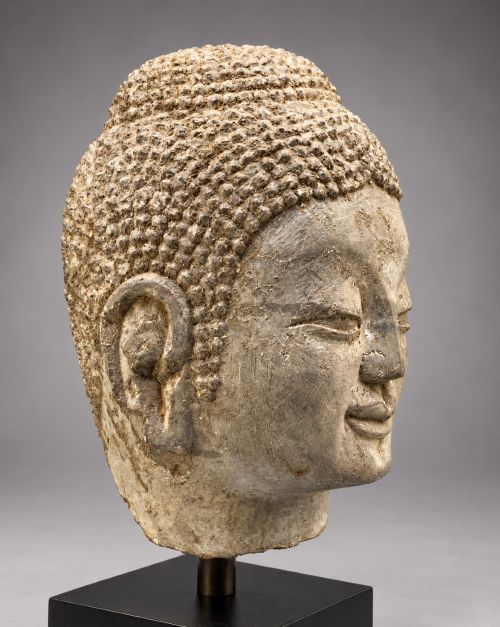
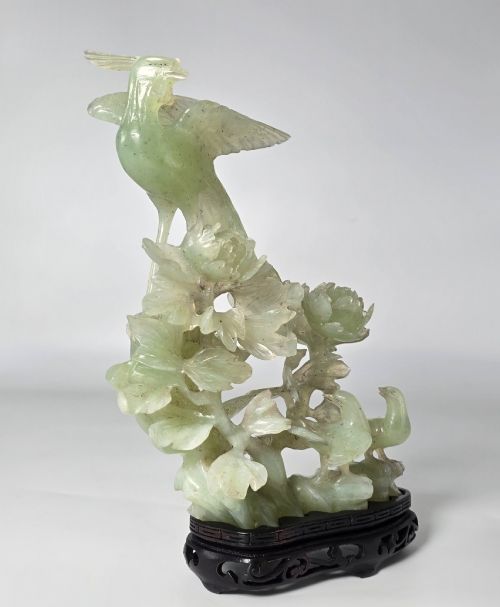
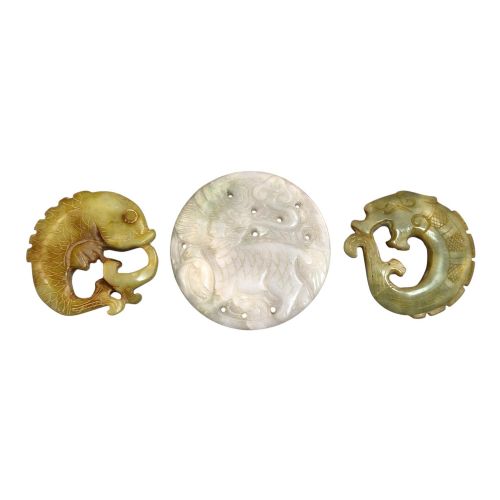
These asian carved stone pieces range from ancient temple heads to intricate nineteenth-century jade and soapstone figures, bringing tangible weight and historical depth to any room.
Asian Carved Stone
Asian carved stone encompasses a diverse array of sculptures, amulets, seals, and decorative objects shaped from materials like jade, soapstone, limestone, and marble. When exploring these listings, buyers most frequently encounter nineteenth-century Chinese figures, animals, and architectural fragments alongside earlier dynastic pieces.
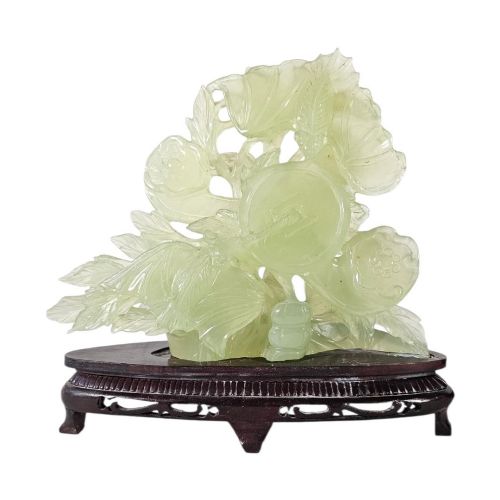
The selection ranges from miniature jade carvings and puzzle cups to monumental temple statues of Buddhas and guardian lions. Many pieces incorporate fitted hardwood stands that complement the natural contours of the mineral.
Origins span across China and Burma, covering periods from pre-sixteenth-century dynasties up to the Republican era. Each object reflects traditional iconography, depicting mythological creatures, scholars, sages, and natural landscapes.
Materials and Carving Techniques
Carvers utilised a variety of mineral mediums, choosing dense stones like jade, bowenite serpentine, and hardstone for intricate detail, whilst softer soapstone and limestone allowed for deeper sculptural relief. Artisans worked with abrasives and hand tools to shape stubborn minerals into smooth animal forms, folding drapery, and detailed facial expressions.
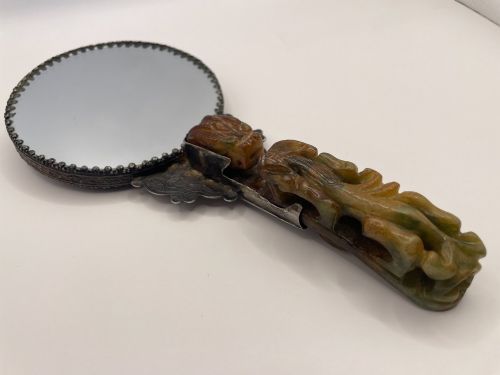
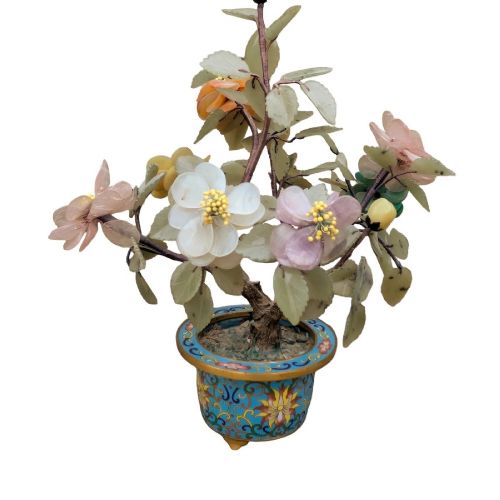
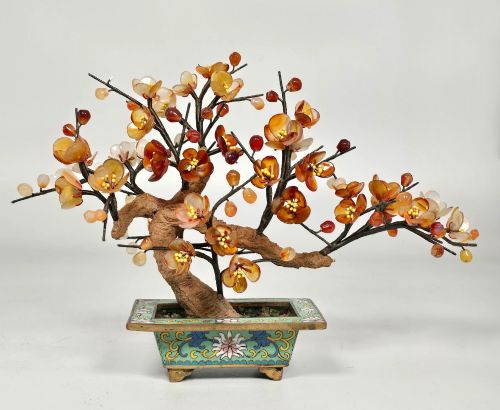
Many works combine stone with secondary materials, mounting jade and quartz elements onto silver-inlaid stands, cast iron bases, or carved hardwood frames. Cloisonné elements and gold leaf occasionally accent the primary stone sculptures to enhance decorative contrast.
Asian Carved Stone Retail Price Guide 2026
Typical asking prices for asian carved stone among the pieces listed under this phrase on Sellingantiques today, from the lower quarter to the upper quarter. They describe what is for sale here now, not the wider market.
Listings feature stone items spanning from pre-sixteenth-century dynasties to the twentieth century, incorporating jade, soapstone, limestone, and marble.
Judging Quality in Stone Carvings
Quality rests upon the natural figuring of the mineral and the precision of the carver's hand in releasing the form from the raw block. Superior pieces display a confident handling of volume, where the natural inclusions or colour variations within the jade, soapstone, or marble enhance rather than distract from the subject.
The Asian Carved Stone Glossary
- Hardstone
- A semi-precious stone of great hardness, such as jade, quartz, or bowenite, used for detailed carving. Artisans polish these minerals to highlight their natural lustre and colour.
- Soapstone
- A relatively soft, talc-based stone that is easily carved into intricate seals and continuous landscapes. Its soapy texture allows for smooth surfaces and fine detail.
- Foo Dog
- A traditional guardian lion sculpture placed to protect temples and domestic spaces. These stylized beasts often appear in pairs with one paw resting on a brocade ball or cub.
- Bi Disc
- A flat circular jade or stone object with a circular hole in the centre. Ancient examples carried ritual significance and often featured carved dragon motifs.
- Snuff Bottle
- A small container used for holding powdered tobacco, fitted with a delicate stopper. These bottles showcase meticulous miniature carving in stone and hardstone.
Asian Carved Stone: Frequently Asked Questions
How do I care for antique soapstone?
Soapstone is a relatively soft mineral that benefits from gentle dusting with a dry microfibre cloth. Avoid harsh chemical cleaners and excessive moisture to protect the surface.
Keep pieces away from direct sunlight and areas of high temperature fluctuation. Placing them on stable surfaces prevents accidental knocks and preserves fitted wooden stands.
What is a Chinese desk seal?
Desk seals are carved stone stamps traditionally used by scholars and officials to sign documents and artwork with personal ciphers. They often feature mythical animals like the Chi dragon or Shi Shi lion at the summit.
Carved from soapstone or hardstone, these functional objects double as miniature sculptures. The base carries characters cut in relief for stamping in vermilion paste.
How are jade and hardstone distinguished?
Jade encompasses specific mineral compositions like nephrite and jadeite, known for extreme toughness and fibrous crystal structures. Other hardstones include quartz, serpentine, and limestone which possess different geological properties.
Visual inspection reveals variations in translucency, surface lustre, and weight. Experienced handlers look at the polish and internal grain to identify the specific mineral.
Where were these stone sculptures displayed?
Statues of Buddhas and guardian figures originated in temples and shrines across Asia for devotional or protective purposes. Smaller table pieces and scholar's objects occupied studies and reception rooms.
Items like brush rests, screens, and miniature animals were placed on wooden desks or stands. They served as contemplative focal points for scholars and collectors.