



Asian Carved Stone Sculpture
An Asian carved stone sculpture brings tangible history into a room, offering tactile forms shaped from soapstone, jade, limestone, and hardstone across centuries.
Asian Carved Stone Sculpture
When you search for Asian carved stone sculpture, you encounter figures, animals, and architectural fragments ranging from ancient sandstone heads to nineteenth-century soapstone landscapes and jade miniatures. The pieces span periods from pre-sixteenth century dynasties through the Qing period and the twentieth century, reflecting diverse regional carving traditions.
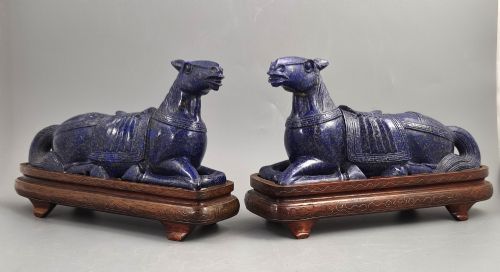
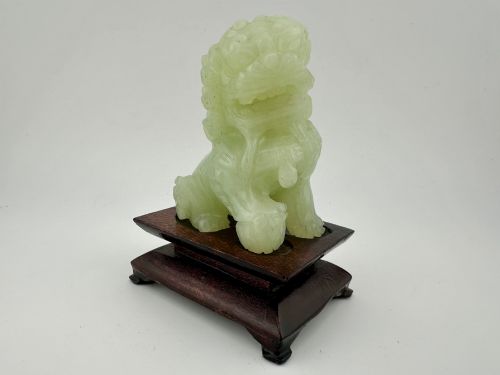
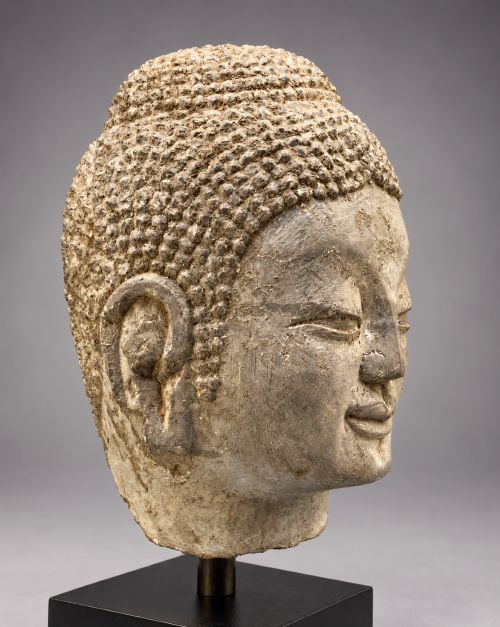
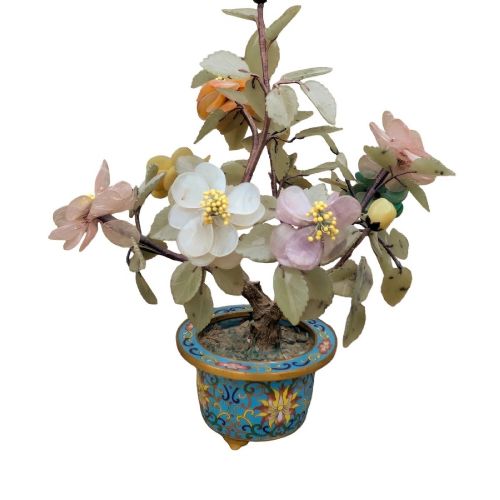
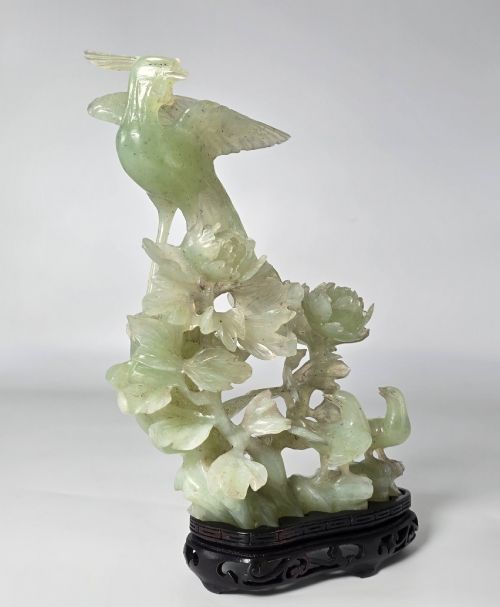
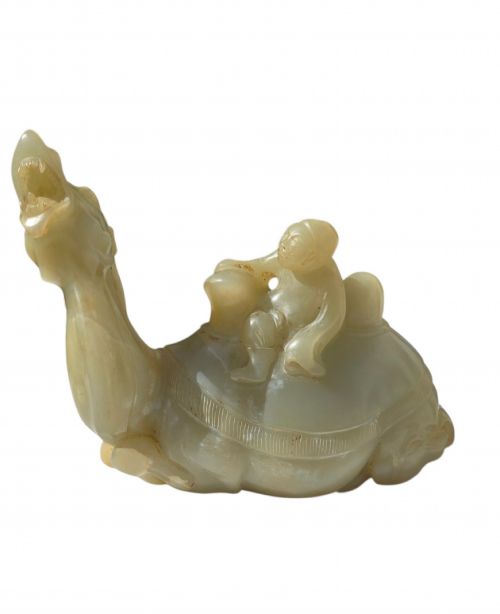
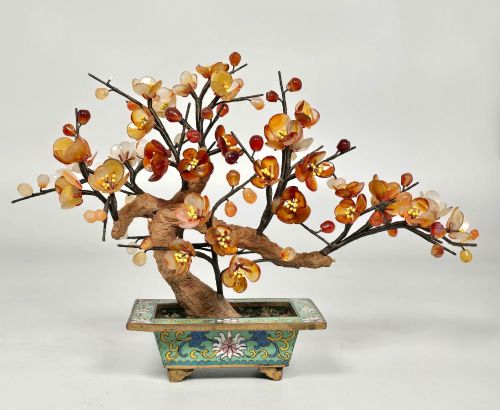
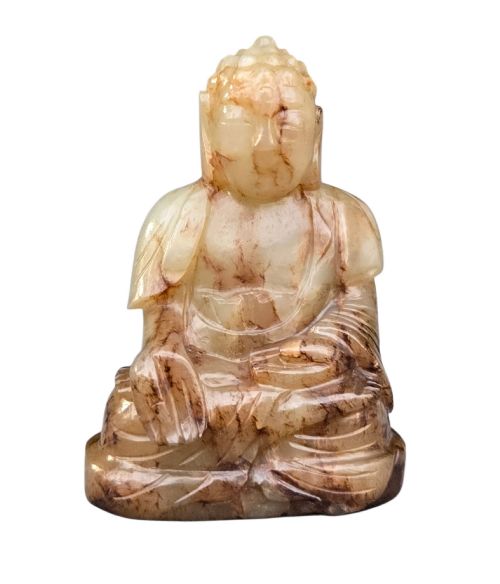
You are most likely to meet Chinese and Burmese works on this page, including temple statues, decorative figures, desk seals, and bonsai tree arrangements set in hardwood stands. Subjects include Buddhas, lions, camels, birds, and sages, carved in materials that vary from translucent jade to dense limestone.
Materials and carving techniques
Carvers shaped these pieces from natural minerals including soapstone, jade, bowenite serpentine, quartz, alabaster, marble, limestone, and sandstone. Harder stones required abrasive cutting and grinding techniques, whilst softer soapstone allowed for intricate undercut details on seals and continuous wooded landscapes.
Many figurative sculptures and landscape groups are accompanied by fitted hardwood stands, integrating the mineral sculpture with traditional joinery. Surface treatments extend to polished finishes, traces of gold leaf, and combinations with cloisonne or cast iron supports.
The listings feature stone sculptures spanning from pre-sixteenth century dynasties to the twentieth century, utilising soapstone, jade, limestone, and marble.
The spectrum of quality
Quality rests in the precision of the carving and the character of the raw material, distinguishing masterworks from simpler decorative pieces. Finer examples display confident handling of anatomy, drapery, or natural scenery, whether in the severe lines of an early sandstone Buddha head or the fluid composition of a jade mountain landscape.
The integrity of the material and the preservation of the carved surface also determine standing. Pieces that retain their original proportions, subtle surface polish, and associated hardwood stands present a more complete historical record than altered or heavily restored examples.
The Asian Carved Stone Sculpture Glossary
- Soapstone
- A soft, talc-based metamorphic rock that is easily carved into detailed figures and seals. Its relative softness permitted artists to create deep undercuts and intricate surface textures.
- Hardstone
- A general term for semi-precious stones harder than ordinary building stone, including jade, quartz, and bowenite. These materials require specialised abrasive cutting tools to shape.
- Qing Dynasty
- The final imperial dynasty of China, lasting from 1644 to 1912. Many decorative carvings and scholar's objects date from its later decades and revival styles.
- Mandalay Period
- A phase of Burmese art associated with the royal capital of Mandalay, noted for distinctive white marble Buddha statues with serene expressions.
- Shi Shi
- A traditional guardian lion or Foo Dog depicted in pairs outside temples and palaces. They symbolise protection and authority in East Asian sculpture.
Asian Carved Stone Sculpture: Frequently Asked Questions
How do I date an ancient stone carving?
Dating relies on stylistic markers, tool marks, and the specific geological composition of the mineral used. Comparing sculptural proportions with dated dynastic or regional examples provides a reliable chronological frame.
Material degradation, weathering patterns, and the presence of original fittings like hardwood bases also help contextualise the age of the piece.
How should I clean a soapstone sculpture?
Soapstone is relatively soft and vulnerable to scratching or chemical damage. Dust gently with a dry, soft brush or a lint-free microfiber cloth.
Avoid commercial cleaning fluids, water immersion, or abrasive agents that might strip the historic surface finish or dull the stone.
What is the difference between jade and hardstone?
Jade is a specific silicate mineral encompassing nephrite and jadeite, prized for its toughness, fibrous structure, and cool, dense feel.
Hardstone is a broader category that includes jade alongside quartz, bowenite, and other semi-precious minerals utilised by carvers.