


Asian Carved Statues
Asian carved statues bring centuries of ritual devotion and master craftsmanship into your home, spanning delicate boxwood deities and monumental temple guardians.
Asian Carved Statues
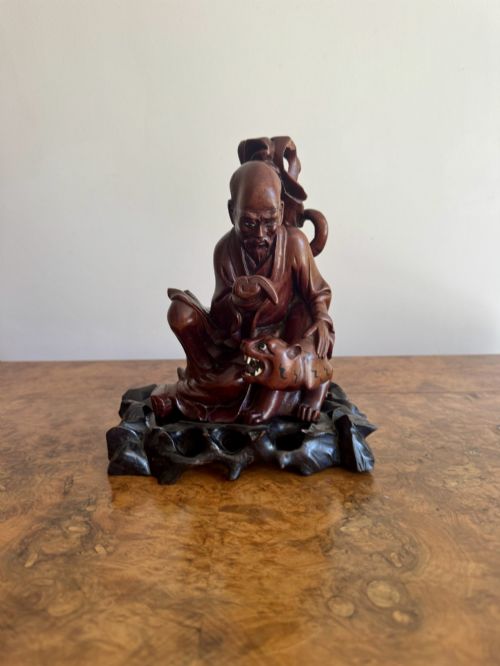
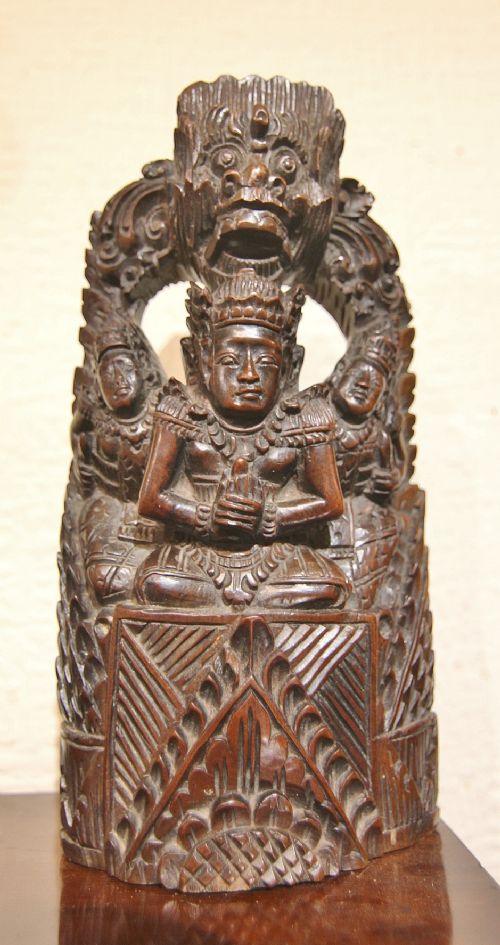
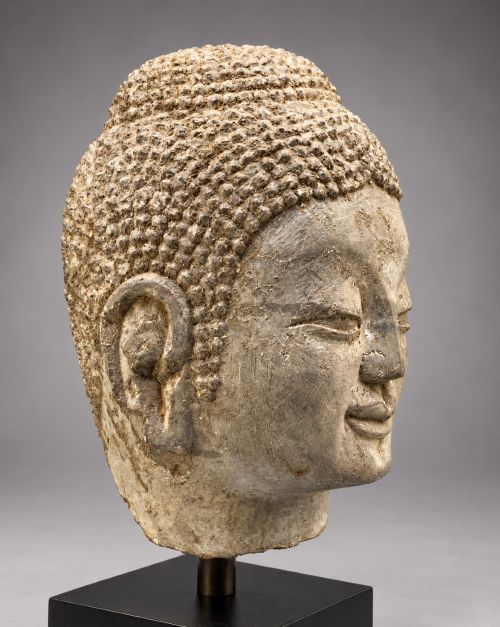
Asian carved statues encompass a diverse array of spiritual figures, mythological beasts, and human subjects originating from China, Japan, Burma, and Southeast Asia. When searching for asian carved statues, buyers encounter pieces ranging from ancient limestone Buddha heads and Ming dynasty figures to intricate Meiji period Japanese okimono and robust nineteenth-century temple guardians.
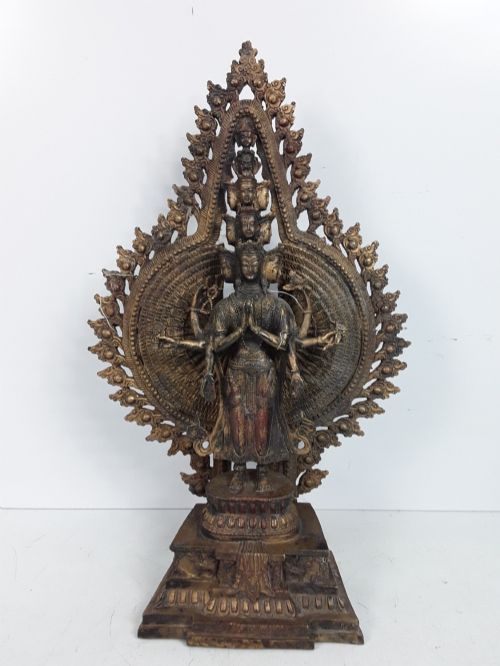
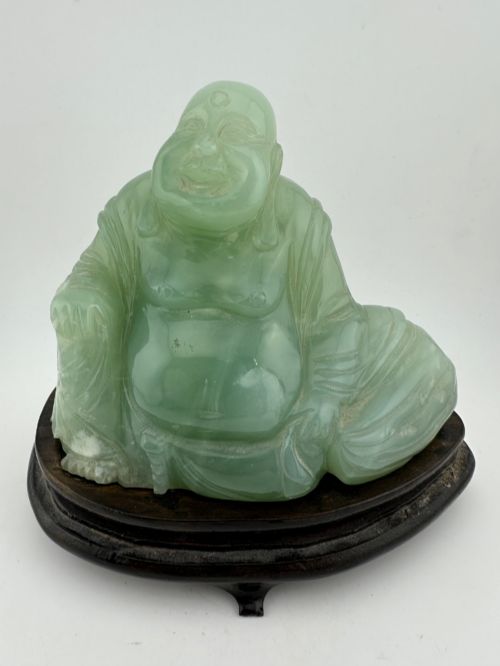
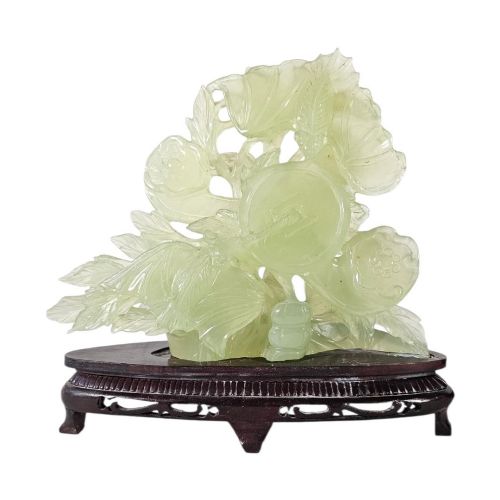
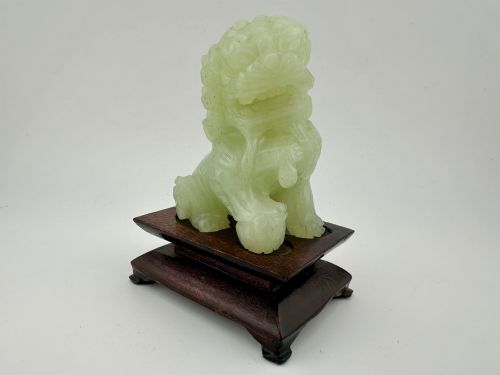
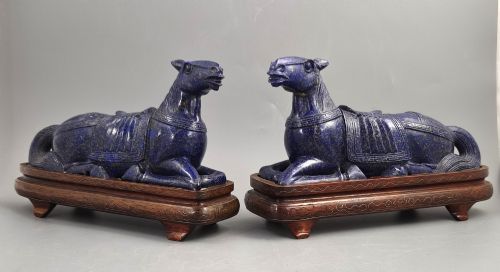
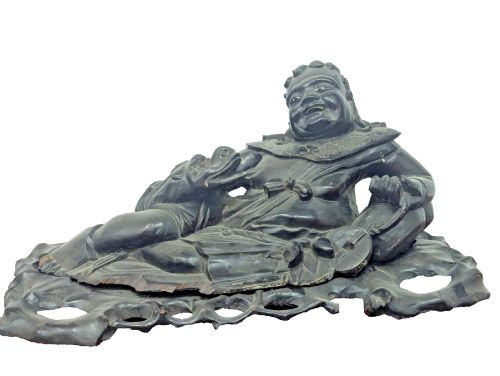
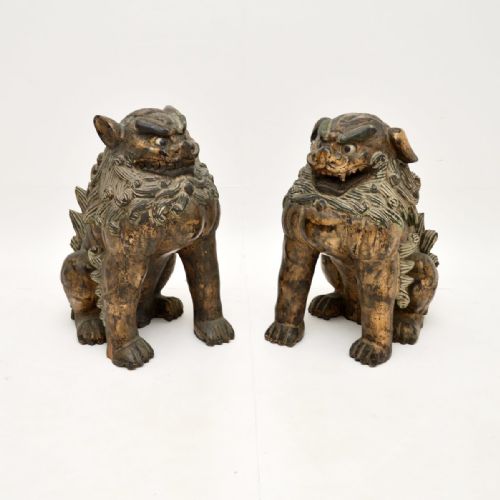
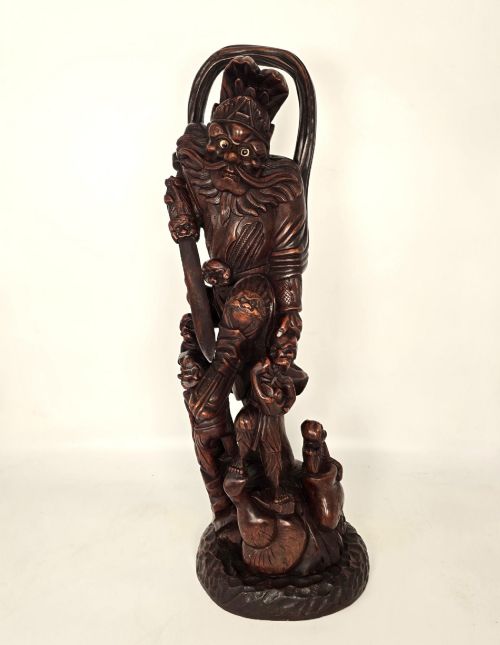
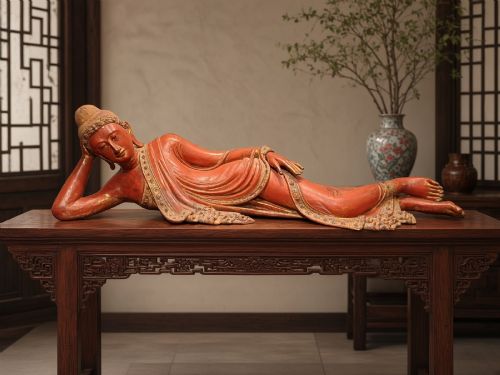
The material forms vary widely across the selection, appearing as dense hardwood carvings, root wood scholar pieces, pale green carved stone groups, and gilt wood ritual statues. Figures such as Daoist immortals, Foo dogs, and reclining Buddhas dominate the sculptural styles recorded in the inventory.
The chronological scope spans from pre-sixteenth century temple fragments to early twentieth-century decorative works. Hardwood and polychrome painted wood pieces from the nineteenth century represent the most frequently seen category on this page.
Materials and Methods
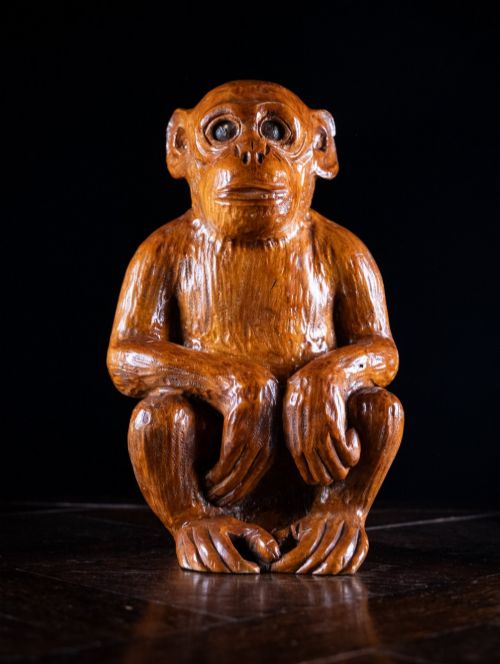
Makers utilised a variety of organic and mineral mediums, relying heavily on hardwoods like boxwood and root wood, alongside native stones including jade, bowenite serpentine, and marble. Artisans shaped these resistant substances using precise chisel and gouge work to articulate flowing robes and muscular forms.
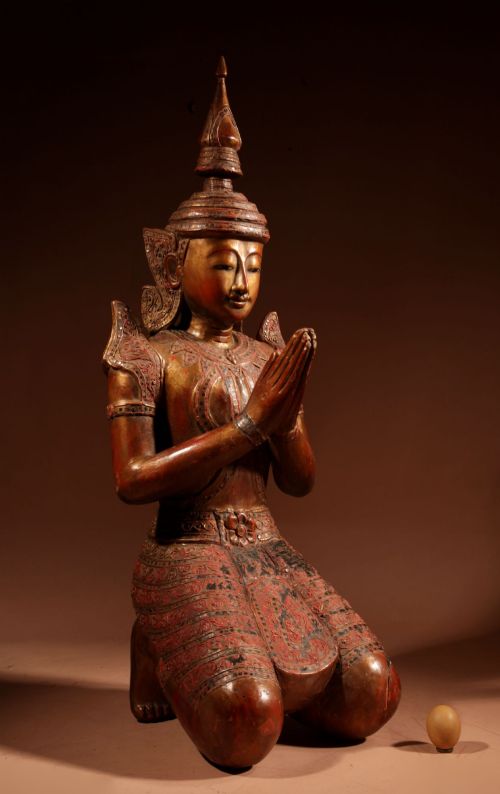
Many wooden sculptures received surface enrichment through the application of gold leaf, lacquer, and polychrome paint, particularly ritual figures intended for temple settings. Mixed metal mountings and delicate inlay occasionally complemented the carved stone or wooden cores.
Asian Carved Statues Retail Price Guide 2026
Typical asking prices for asian carved statues among the pieces listed under this phrase on Sellingantiques today, from the lower quarter to the upper quarter. They describe what is for sale here now, not the wider market.
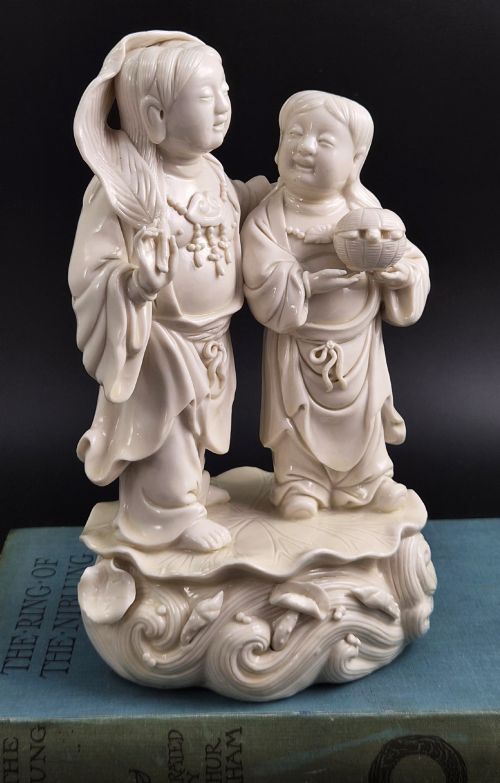
Several scholars and fishermen share shelf space with celestial kings and mythical Foo dogs.
Evaluating Quality
Preservation of original surface treatments plays a major role in valuation, particularly the intact survival of early polychrome pigments, gilding, and lacquer layers. The structural integrity of large-scale hardwood or stone figures, free from extensive later repairs, marks the upper tier of the range.
The Asian Carved Statues Glossary
- Foo Dog
- A traditional guardian lion sculpture originating from Chinese iconography, often depicted protecting sacred spaces. These mythical beasts frequently appear in pairs guarding entrances.
- Okimono
- A Japanese term for a small decorative statue designed for display in a domestic alcove. These carved boxwood or ivory pieces became prominent during the Meiji period.
- Lokapala
- A celestial guardian king tasked with protecting a specific quarter of the world in Buddhist cosmology. Monumental examples carved from hardwood often stand with fierce expressions.
- Polychrome
- A surface decoration technique utilising multiple distinct colours of paint applied to wood or stone. This method brought ritual figures and temple statues to life.
- Root Wood
- A natural medium utilising the gnarled underground growth of trees to form sculptural shapes. Chinese scholars prized these irregular forms for their organic vitality.
Asian Carved Statues: Frequently Asked Questions
How were temple statues used?
Asian temple statues served as focal points for ritual devotion, meditation, and offerings in sacred monastic or domestic settings. Communities placed these figures to invite protection, blessings, and spiritual presence.
Over time, many of these statues transitioned from active altars into collections, preserving their role as conduits of cultural and religious heritage.
How do I care for wooden statues?
Wooden statues require stable indoor humidity and protection from direct sunlight to prevent the material from drying out and splitting. Gentle dusting with a soft brush maintains the surface without disturbing fragile finishes.
Avoid using liquid cleaners or polishes on antique wood, especially pieces retaining original polychrome paint or delicate gold leaf layers.
What is a Meiji period okimono?
A Meiji period okimono is a finely carved Japanese sculpture produced during the late nineteenth century for display in home interiors. These pieces frequently depict deities, historical figures, or scenes from daily life.
Master carvers utilised dense boxwood to achieve extraordinary detail in the facial expressions and textiles of these small figures.
How can I tell the period of a stone carving?
Dating stone carvings involves examining the tool marks, weathering patterns, and stylistic conventions characteristic of specific dynasties or regions. Limestone and marble pieces often carry distinct geological indicators and surface patination accumulated over centuries.
Comparing the sculptural proportions and costume details against documented temple figures helps narrow down the era of production.