





Asian Bronze Jardiniere
An asian bronze jardiniere brings heavy metal plant vessels into domestic spaces, prized for holding lush foliage or standing alone.
Asian Bronze Jardiniere
An asian bronze jardiniere is a sturdy plant holder or decorative bowl designed for indoor display. These vessels range from compact bowls to heavy sectional planters meant for substantial displays.
The pieces seen here stretch across the nineteenth century and into the early twentieth century. Japanese Meiji and Edo periods dominate alongside Qing Dynasty Chinese examples.
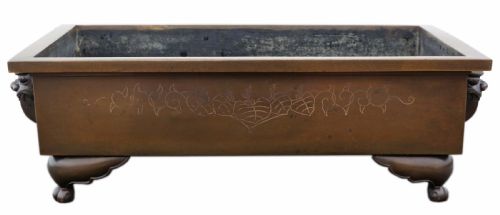
Forms vary from straightforward bowls to vessels linked with Suiban and Ikebana arrangements. Buyers encounter these primarily as standalone decorative vessels or functional planters.
Materials and construction methods
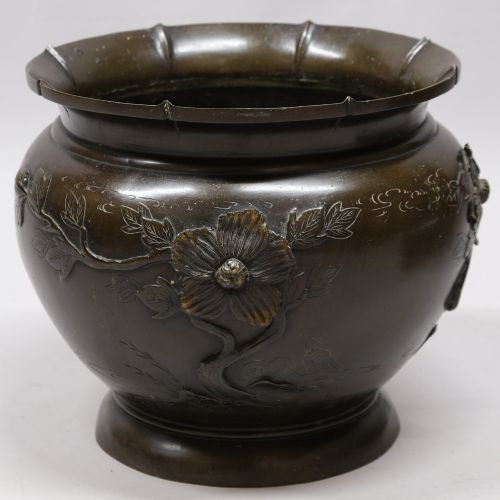
Foundry work relies heavily on cast bronze and patinated bronze, frequently finished with rich surface tones. Brass also appears among these metal vessels.
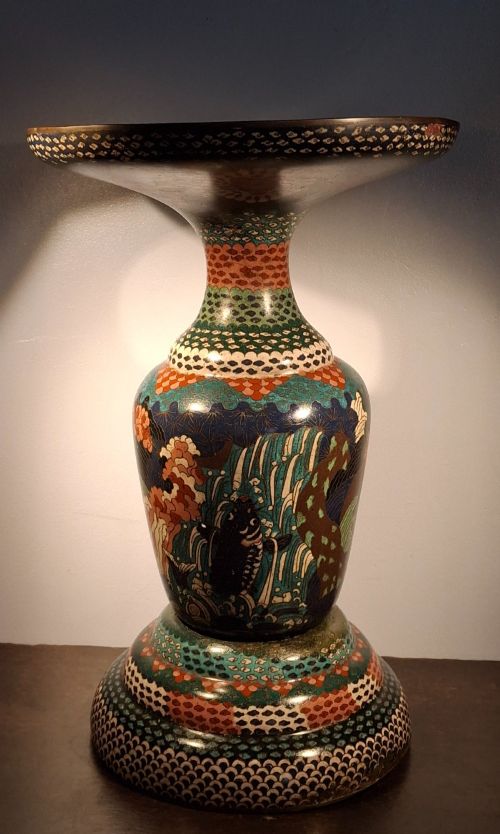
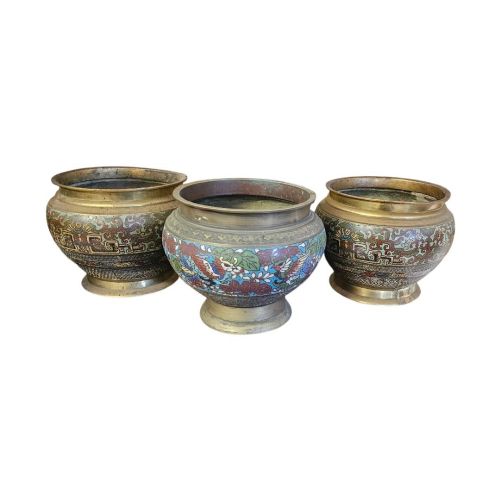
Enamel work adds colour and pattern, specifically through champlevé and cloisonné techniques where metal wire or recesses hold coloured glass pastes before firing.
Asian Bronze Jardiniere Retail Price Guide 2026
Typical asking prices for asian bronze jardiniere among the pieces listed under this phrase on Sellingantiques today, from the lower quarter to the upper quarter. They describe what is for sale here now, not the wider market.
Listings combine Japanese Meiji and Edo periods with Chinese Qing Dynasty examples, all fashioned in bronze, brass, and enamel.
Distinctions in craftsmanship
Weight and wall thickness separate substantial vessels from lighter forms, with heavier pieces showing greater metal density. The precision of the casting and the depth of relief work define the visual strength of the object.
Enamel execution dictates the refinement of decorated surfaces. Crisp lines in champlevé and smooth, even cloisonné fields indicate superior workshop skill.
The Asian Bronze Jardiniere Glossary
- Jardiniere
- An ornamental pot or bowl for housing flowers or plants. The term originates from the French word for gardener.
- Champleve
- An enamelling technique where troughs are carved into the metal surface and filled with enamel before firing. The remaining metal forms the visible outlines of the design.
- Cloisonne
- Enamelling where metal wires are soldered to the base to create compartments for enamel paste. This method produces intricate and colourful geometric or floral patterns.
- Suiban
- A shallow Japanese basin designed for holding water or supporting floral arrangements in Japanese art. These vessels form part of traditional display traditions.
- Meiji Period
- A Japanese historical era spanning from eighteen sixty-eight to nineteen twelve, marked by significant artistic production for export. Work from this time often displays ambitious metalwork.
Asian Bronze Jardiniere: Frequently Asked Questions
How do I clean an antique bronze jardiniere?
Dust the surface gently with a soft, dry cloth to protect the original patina. Avoid chemical polishes that strip away age and historical colour.
Keep moisture away from the metal interior if using it for live plants by employing a hidden inner plastic liner. This prevents water from causing corrosion over time.
Were these vessels always used for plants?
Many function as planters, but large bowls and vessels also serve as decorative water basins or flower arrangement containers. Their robust construction suits various domestic display purposes.
Heavier examples often stand directly on the floor or low tables as sculptural centerpieces rather than holding botanical displays.
How do I distinguish Japanese from Chinese pieces?
Japanese items from this selection frequently align with the Meiji or Edo periods, showing distinct relief motifs and specific patination styles. Chinese works often reflect Qing Dynasty conventions and champleve traditions.
Motifs, script marks, and enamelling techniques provide further clues to the origin of each vessel.
What is the difference between a jardiniere and a planter?
The terms often overlap in trade descriptions, but a jardiniere traditionally acts as an ornamental container meant to hold a less decorative plant pot inside it. Planters sometimes hold soil directly.
Both categories encompass the heavy bronze bowls and vessels found in this collection.