
Asian Figures
Asian antique figures bring together centuries of spiritual devotion, folklore and craftsmanship from across the continent.
Asian Figures
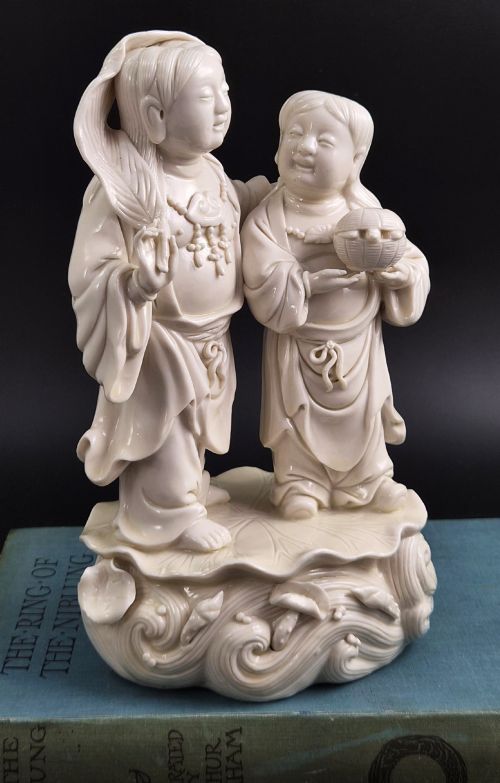
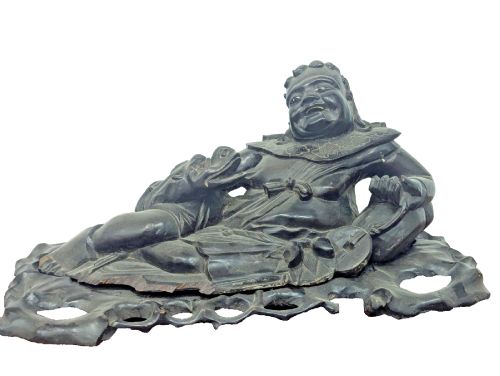
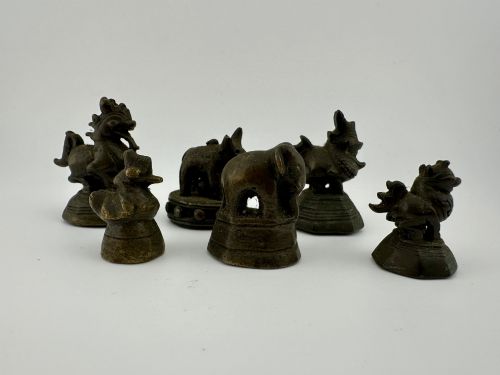
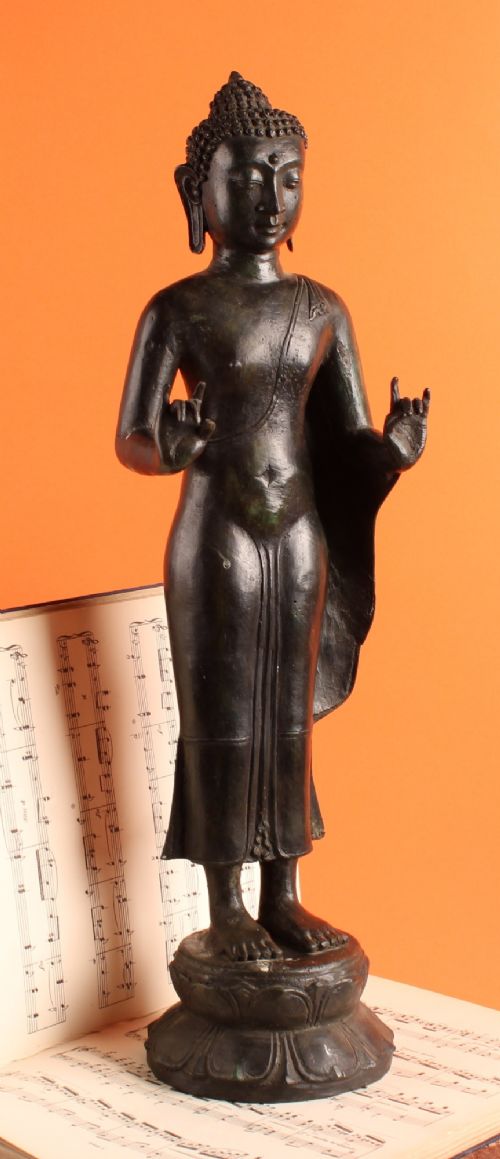
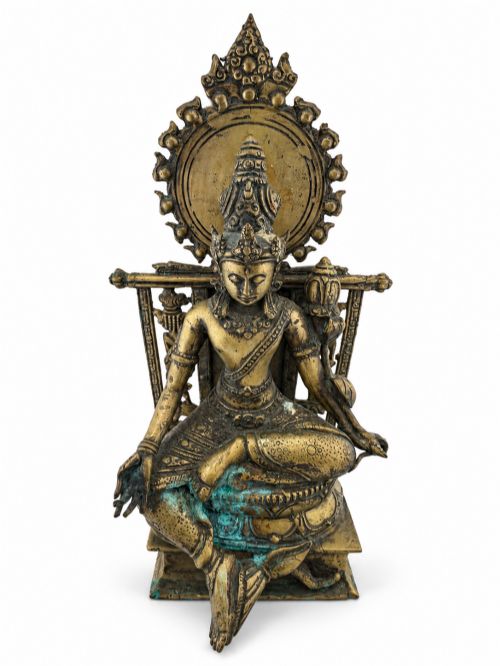
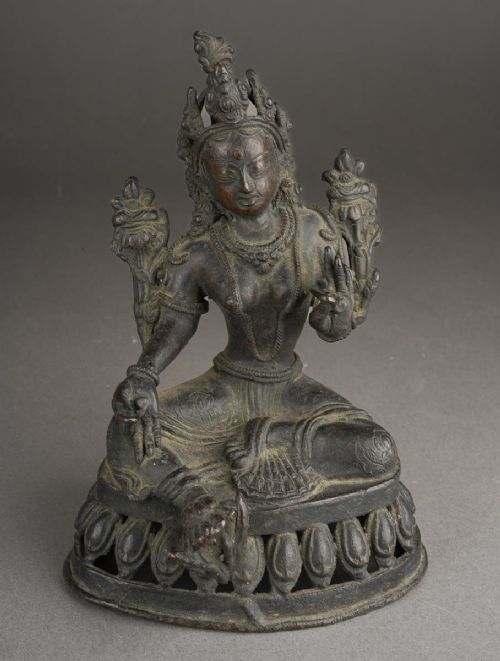
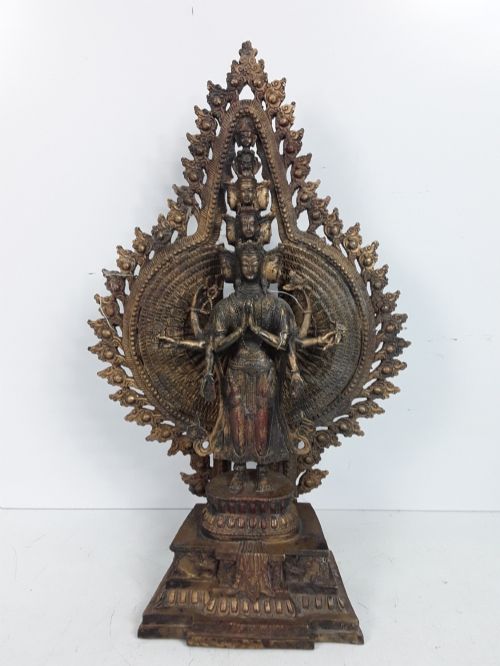
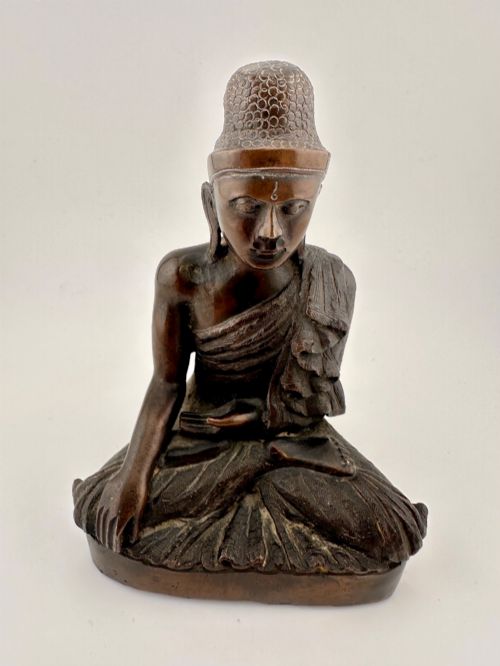
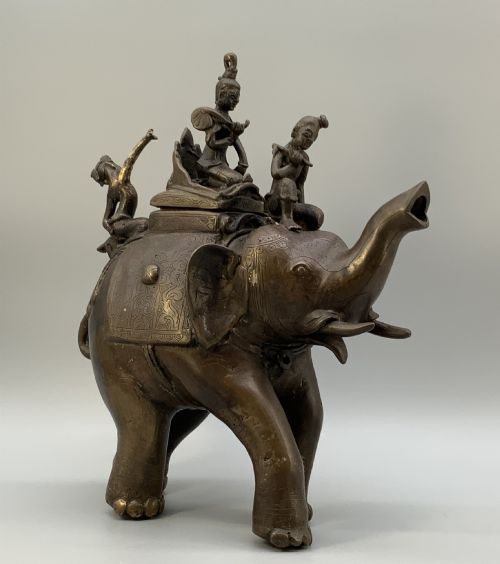
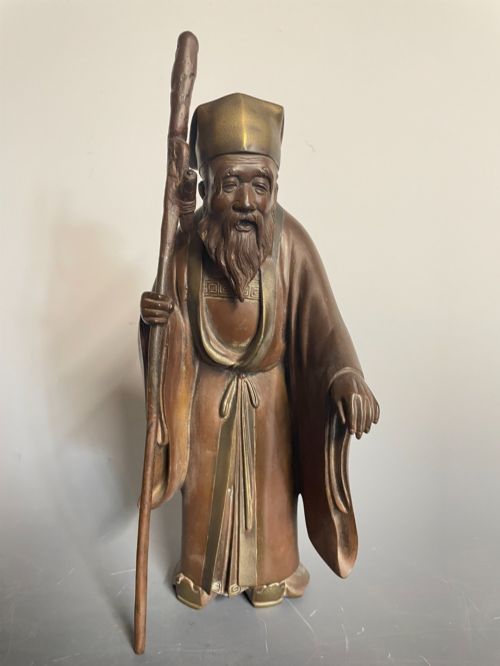
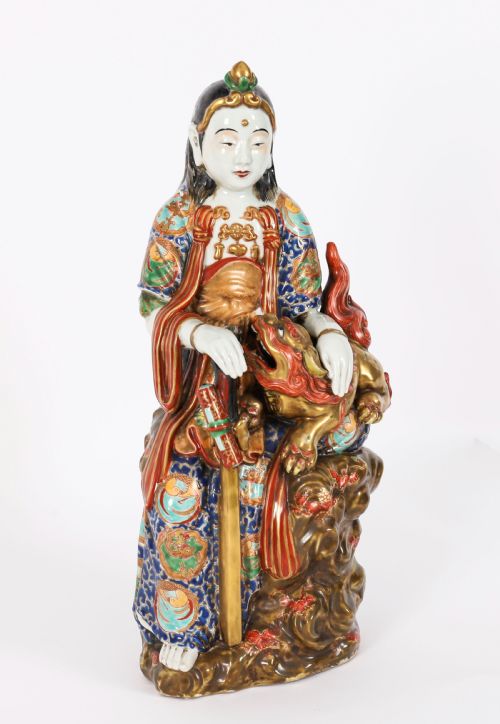
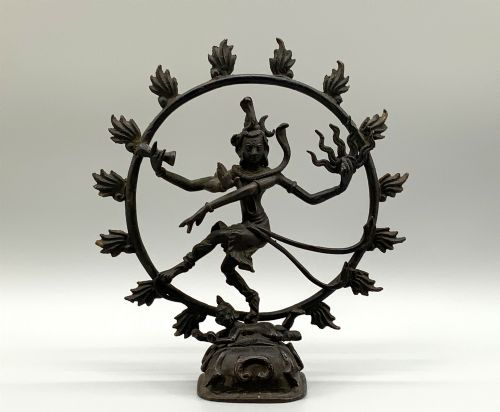
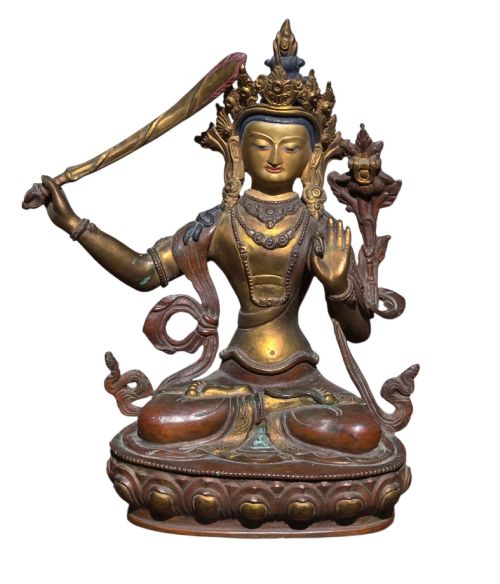
Asian antique figures encompass sculptures, okimono, and statuary representing deities, animals, immortals, and everyday subjects. Buyers seeking these pieces encounter diverse forms shaped by cultural traditions across China, Japan, Tibet, Burma, and India.
The material range is broad, featuring cast bronze, carved hardwood, porcelain, earthenware, and precious coral. Bronze and porcelain examples from the nineteenth and early twentieth centuries dominate the selection available to collectors.
Materials and Methods
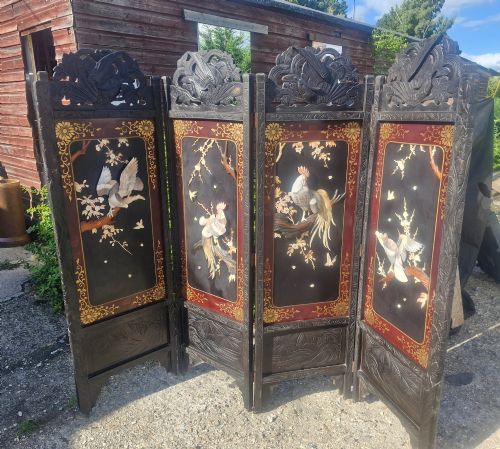
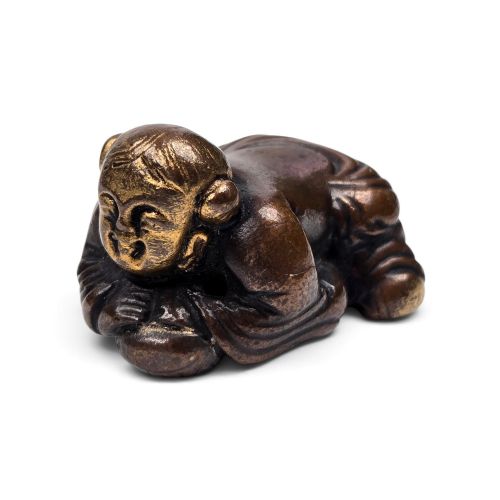
Bronze sculptures and okimono frequently utilise solid-cast techniques, sometimes enhanced with selective fire-gilding or detailed surface engraving. Artisans also worked with hardwoods, red coral, and serpentine, carving intricate figures with deep relief.
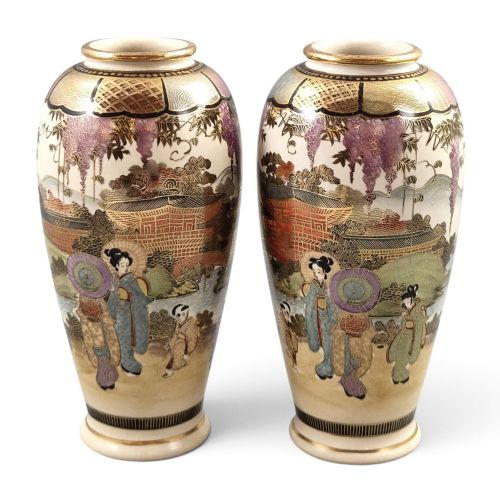
Ceramic forms rely on traditional pottery and porcelain methods, encompassing Kutani wares, Satsuma earthenware, and Sumida Gawa pieces with figures modelled in relief. Painting, enamelling, and hand-sewn silk embroidery provide colour and surface texture.
Listings feature works spanning the sixteenth to the twentieth centuries, with a strong representation of nineteenth-century Japanese and Chinese pieces.
Judging Quality and Execution
Quality rests in the precision of the modelling, the depth of the carving, and the subtlety of the surface finishing. Masterworks display anatomical accuracy in figures and animals, alongside confident linework and secure gilding.
Signed pieces and works attributed to known makers or specific periods such as the Meiji era or Qing Dynasty command greater attention. The harmony between material and form dictates the standing of each piece.
Inoue Ryōsai·Shozan·Masaaki·Hichozan Shinpo
The Asian Figures Glossary
- Okimono
- A Japanese freestanding ornamental figure designed for display in a tokonoma alcove or on a shelf. These carvings depict animals, deities, and genre scenes from daily life.
- Guanyin
- The East Asian bodhisattva of compassion and mercy, frequently rendered in porcelain or bronze. This figure appears widely in Chinese and Japanese devotional art.
- Qilin
- A mythical hooved chimerical creature appearing in Chinese mythology, symbolising prosperity and good augury. Sculptural representations often feature scales and dragon-like heads.
- Satsuma
- A type of Japanese earthenware featuring a crackled pale ivory glaze decorated with polychrome enamels and gold. The style developed extensively during the nineteenth century.
Asian Figures: Frequently Asked Questions
What materials are common in Asian antique figures?
Bronze remains the predominant metal used for Buddhist and secular statues, often accompanied by gilt finishes and fine engravings. Hardwoods, precious coral, and pottery also feature prominently across different regional traditions.
Ceramic examples include Kutani porcelain, Satsuma earthenware, and Sumida Gawa pottery where figures are built up in high relief. Each material dictates the level of detail achievable by the artisan.
How do I distinguish Japanese Meiji period pieces?
Meiji period metalwork and porcelain showcase a surge in technical precision, driven by international exhibitions and changing production methods. Look for naturalistic depictions of animals, woodcutters, and folklore subjects.
Signatures on the base or body often point to specific workshops or named artists. The finish tends to be crisp, balancing traditional iconography with meticulous surface detail.
Where were these figures displayed historically?
Many smaller bronze okimono and scholar's desk items were kept close at hand for contemplation, paper-weight use, or intellectual appreciation. Larger sculptures of deities and bodhisattvas occupied temples, household shrines, and altars.
Ceramic vases and figures adorned traditional interiors, often placed within display alcoves. Their placement depended on whether the piece served a religious, domestic, or decorative purpose.
How should I care for antique bronze and porcelain?
Bronze figures require minimal intervention, benefiting from gentle dusting with a soft brush to protect patinas and gilt surfaces. Avoid liquid cleaners or polishes that strip historical age.
Porcelain and earthenware pieces need stable display environments away from direct sunlight and sudden temperature shifts. Handle ceramic items securely by their main bodies rather than fragile protruding elements.