






Asian Desk Lamp
An asian antique desk lamp brings centuries of Eastern craftsmanship into a modern study, uniting converted vessels with practical illumination.
Asian Desk Lamp
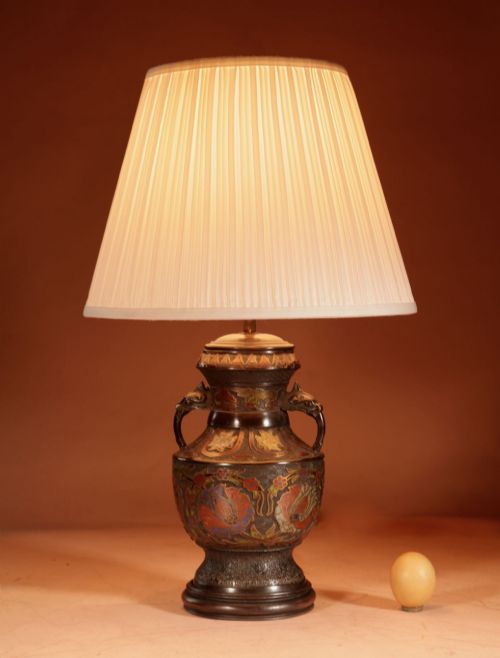
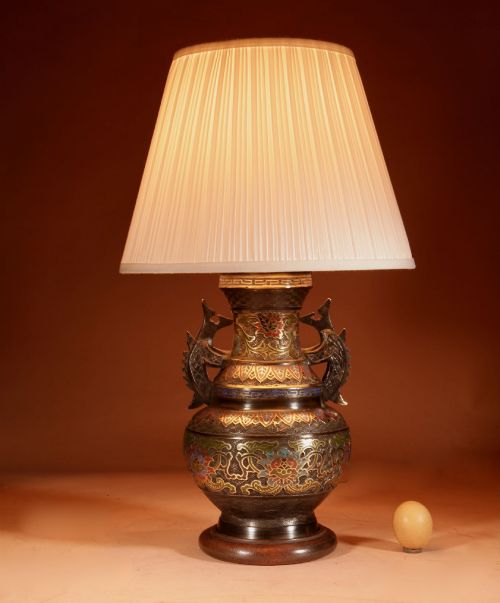
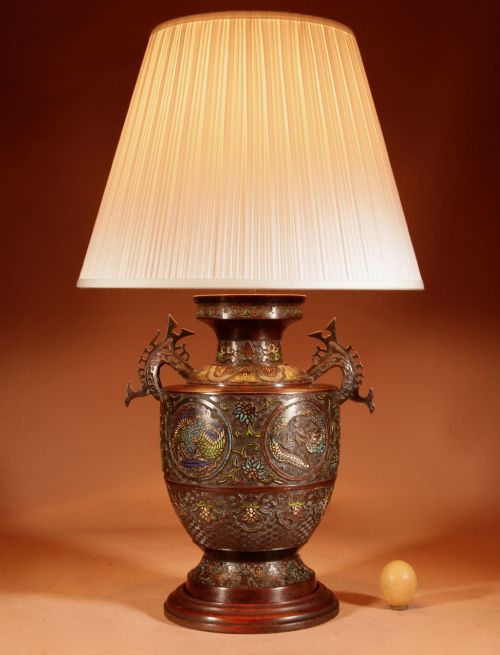
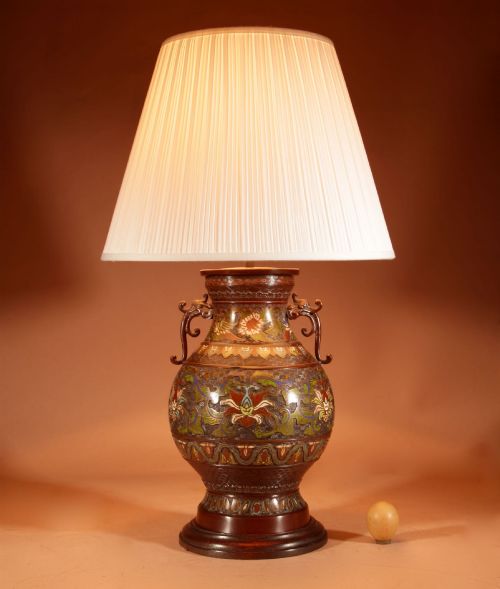
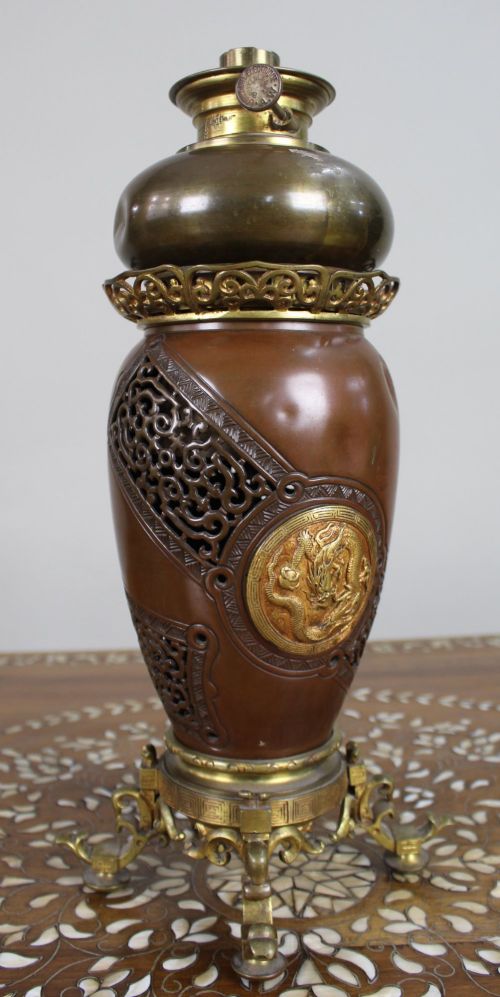
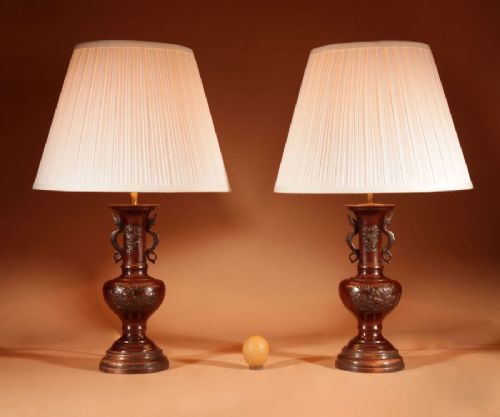
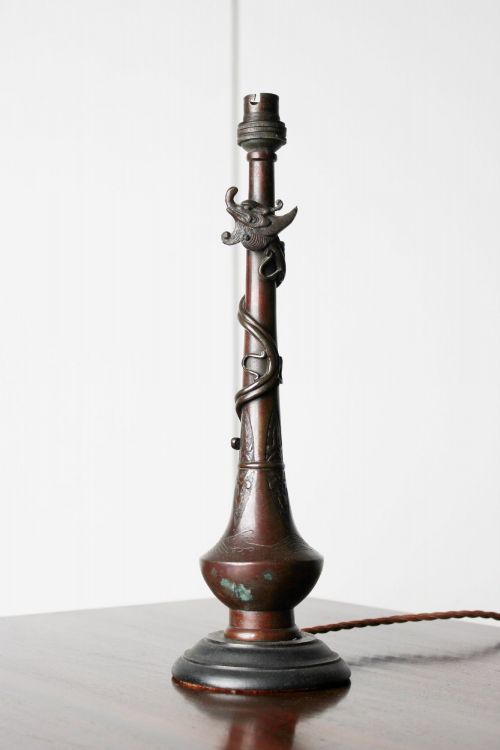
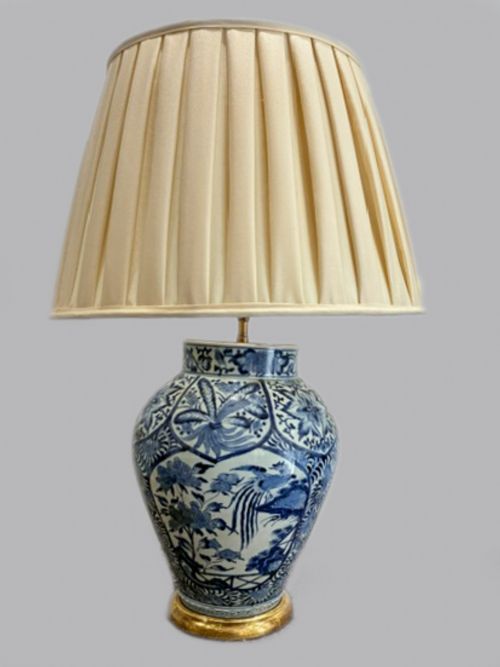
An asian antique desk lamp typically takes the form of a converted vessel, transforming historic vases, jars, and brush pots into functional light fittings. Buyers encounter pieces spanning from the seventeenth century through to the early twentieth century, originating from Japanese, Chinese, Kashmiri, and Indonesian makers. The most common examples on this page are nineteenth-century bronze, Satsuma, and cloisonné pieces mounted as table lamps.
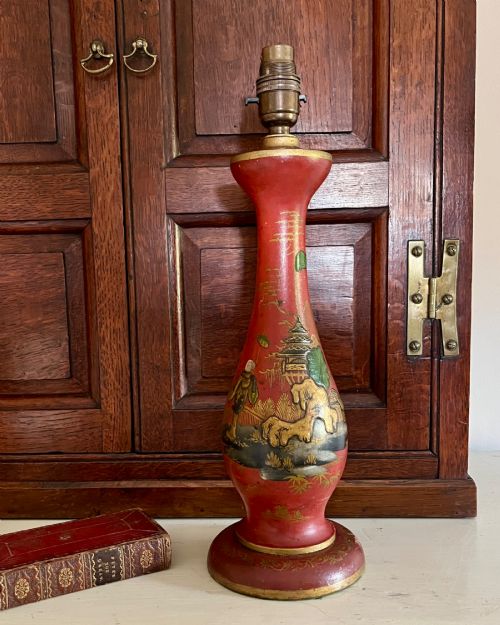
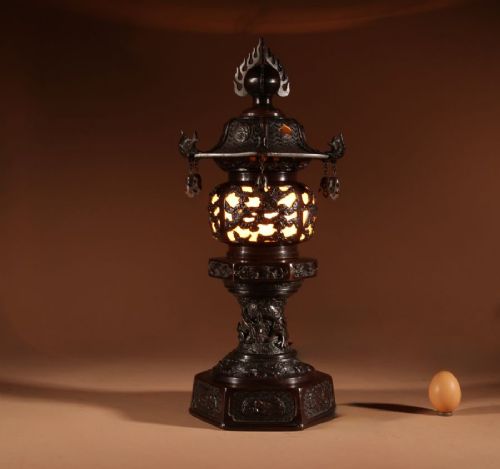
Alongside ceramic and bronze vessels, listings include carved root wood items and lantern stands adapted for daily use. These objects bridge decorative arts and utilitarian lighting, often retaining their original patination and character from periods such as the Meiji and Qing dynasties. Selecting one means choosing a piece with a distinct history, whether it is an Imari porcelain vase or a lacquered chinoiserie creation.
Assessing Quality
Quality in these pieces rests upon the fineness of the original vessel's manufacture and the sensitivity of its conversion into a lamp. Superior examples display crisp, highly detailed hand-painting, intricate cloisonné wirework, or deeply undercut wood carvings executed by skilled artisans. The integration of the electrical fittings matters greatly, as top-tier pieces preserve the integrity of the antique body while ensuring secure, balanced mounting.
Condition and originality dictate the standing of a piece within the range, particularly the preservation of the glaze, enamel, or bronze patination over time. Pairs command distinct interest for their symmetry, matching coloration, and uniform conversion work. The presence of period characteristics, such as Meiji period signatures or Qing dynasty marks, elevates the intrinsic interest of the object.
Asian Desk Lamp Retail Price Guide 2026
Typical asking prices for asian desk lamp among the pieces listed under this phrase on Sellingantiques today, from the lower quarter to the upper quarter. They describe what is for sale here now, not the wider market.
The selection spans multiple eras, incorporating seventeenth-century vases alongside Victorian and Edwardian adaptations.
The Asian Desk Lamp Glossary
- Satsuma
- A type of Japanese earthenware featuring a crackle ivory glaze decorated with polychrome enamels and gilt. These ceramics were frequently mounted as lamps during the late nineteenth and early twentieth centuries.
- Cloisonné
- An ancient metalworking technique where enamel paste is applied within compartments made by soldering silver or gold wires onto a bronze or brass base. Many lamps utilise converted cloisonné vases created in nineteenth-century workshops.
- Imari
- A style of Japanese export porcelain characterised by a palette of underglaze blue, iron red, and gilt. Eighteenth and nineteenth-century Imari vessels often appear as table lamps.
- Chinoiserie
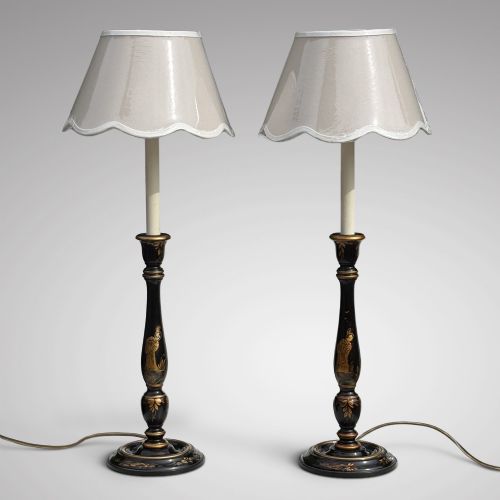
- A European artistic style reflecting Chinese aesthetic influences, seen here in lacquered table lamps and decorative furnishings from the Edwardian period and earlier.
- Famille Rose
- A major palette of Chinese ceramic glazes distinguished by opaque pink or purple enamel, widely used during the Qing dynasty on porcelain vases later converted to lights.
Asian Desk Lamp: Frequently Asked Questions
How do I choose the right size?
Consider the scale of your desk or table relative to the height of the lamp body and shade. Many converted vases and lanterns range from compact vessels to large statement pieces standing over eighty centimetres tall.
Ensure the light output suits your workspace while leaving enough clearance for comfortable daily use. Taller figural or bronze pieces provide a stronger focal point in a room.
Can I replace the electrical wiring?
Most antique lamps have been adapted at various points in their history to meet modern standards. Professional rewiring is straightforward and ensures safe operation without altering the historic base.
Consult a qualified electrician to update plugs and cords while preserving the original mounting hardware whenever possible.
How do I care for delicate surfaces?
Dust bronze, porcelain, and wood gently with a soft, dry cloth to protect the antique finish and patination. Avoid harsh chemical cleaners that can strip enamel work or damage historic lacquers.
Keep fabric and silk shades free from dust using a soft brush attachment on a vacuum or a dedicated lint roller.
What indicates a Meiji period piece?
Meiji period items date from eighteen sixty-eight to nineteen twelve, coinciding with a prolific era of Japanese metalwork and ceramics. Look for finely cast bronze figures, intricate champlevé details, and Satsuma wares bearing period artist signatures.
These pieces often display a high degree of sculptural naturalism, depicting subjects like dragons, elephants, and lions with remarkable precision.