



Arts Crafts Hanging Cabinet
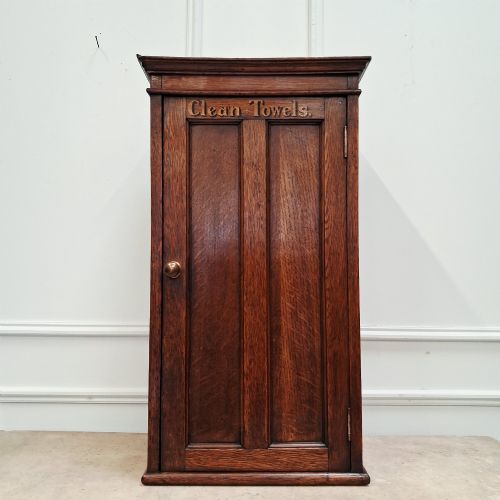
These arts crafts hanging cabinet pieces are compact wall-mounted storage items built from oak, mahogany, and walnut, offering both utility and period character for the home.
Arts Crafts Hanging Cabinet
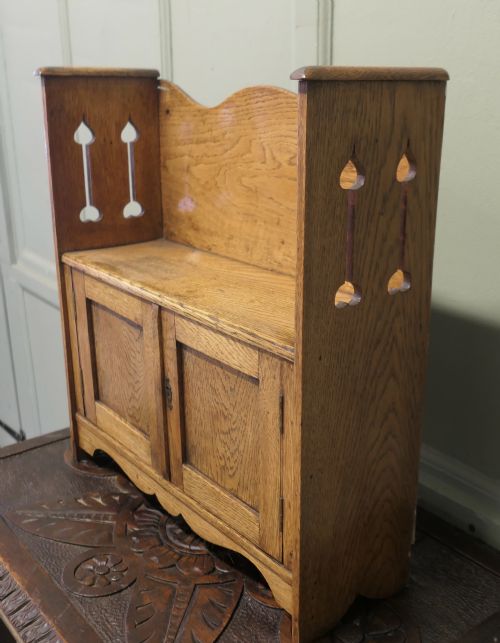
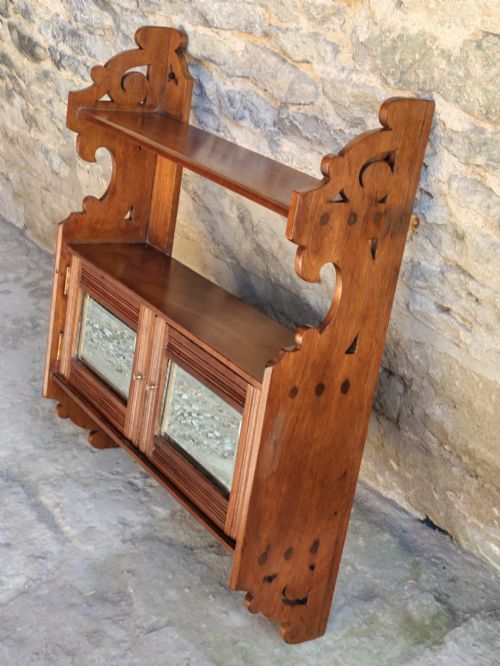
The pieces range from simple planked wall shelves and small smoker pipe cabinets to intricately carved cupboards and glazed corner units. Most variations serve domestic wall storage, making them practical additions to hallways, kitchens, or living spaces where floor area is limited.
Materials and construction methods
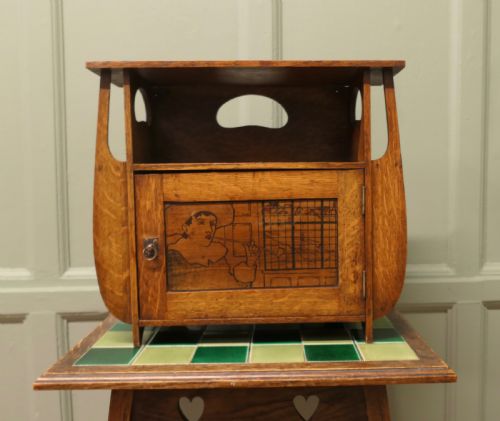
The construction relies predominantly on solid oak, walnut, and mahogany, often enhanced by brass hinges, iron hardware, and glazed glass door panels. Cabinet makers utilised traditional joinery alongside surface techniques such as hand carving and pokerwork decoration.
Secondary timbers like beech appear in structural elements, while selected pieces incorporate ceramic details or fabric linings within display sections. The finish typically preserves the natural grain and colour of the primary wood rather than applying heavy paint.
A tiny smokers pipe cabinet keeps your matches hidden from guests while smelling faintly of old briar.
Determinants of craftsmanship and value
Quality separates plain utility items from pieces showing distinct design ambition through thoughtful proportions and integrated movement details. The depth and execution of hand carving or pokerwork ornament dictate the visual standing of a given cupboard.
Original hardware, such as brass straps, hinges, and key escutcheons, preserves the integrity of the piece far better than later replacements. The choice of timber selection, particularly figured oak or rich mahogany, further elevates the overall execution.
John Moyr Smith·Arthur Simpson
The Arts Crafts Hanging Cabinet Glossary
- Pokerwork
- A decorative technique using a heated tool to burn designs into wood surfaces. This method creates dark, contrasting linear patterns often seen on period cupboard doors.
- Aesthetic Movement
- A late nineteenth-century design current prioritising visual beauty over narrative or moral function. Pieces from this context emphasise refined form and decorative surface harmony.
- Corner Cupboard
- A specialised storage unit engineered to fit flush into a room intersection. These items maximise awkward spatial layouts while displaying architectural joinery.
- Cotswold School
- A regional twentieth-century design grouping associated with handmade furniture production. Work from this tradition highlights visible construction and honest material use.
- Escutcheon
- A protective plate surrounding a keyhole on a cabinet door. These components are frequently cast in brass or iron to match the surrounding hardware.
Arts Crafts Hanging Cabinet: Frequently Asked Questions
How were these hanging cabinets originally used?
These cabinets served multiple domestic purposes, acting as storage for pipes, keys, or small display items in principal rooms and hallways. Their wall-mounted format kept everyday necessities accessible while saving floor space in smaller domestic interiors.
Over time, owners adapted them to display ceramics, glassware, or decorative books. Today, they function similarly in modern homes, providing compact storage without dominating a room.
Where should I hang a wall cabinet?
Hanging cabinets suit hallways for holding keys and post, kitchens for dried goods and spices, or living rooms for display collections. Ensure the wall structure can support the combined weight of solid timber and its contents before mounting.
Consider eye-level placement to appreciate surface details like carving or brass hinges. Keeping them away from direct heat sources protects the timber from warping.
How do I distinguish Arts and Crafts from Victorian Gothic?
Arts and Crafts pieces emphasise simplified forms, natural wood finishes, and handcrafted details like exposed joinery or hammered brass. The aesthetic values utility and honest materials over excessive ornamentation.
Victorian Gothic examples draw inspiration from medieval architecture, featuring pointed arches, heavy linenfold panels, and dramatic ecclesiastical motifs. They typically feel more formal and structurally imposing than later movement pieces.
Are these cabinets difficult to maintain?
Maintenance requires minimal effort, usually limited to dusting with a soft cloth and occasionally feeding the dry timber with appropriate wax. Avoid harsh chemical cleaners that can strip the historic finish.
Checking the wall fixings periodically ensures the weight remains secure. Protecting the wood from extreme humidity prevents the timber doors from sticking.