



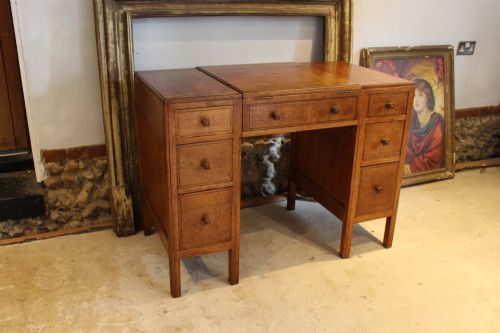
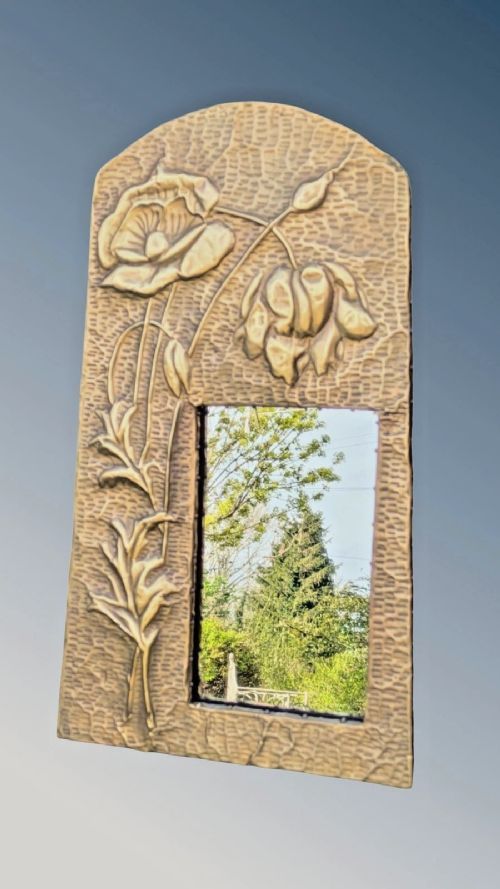

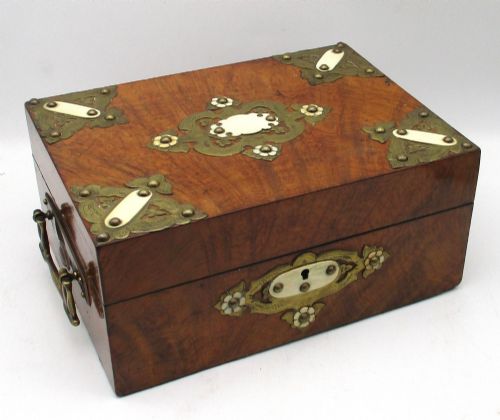


Arts and Crafts Vanity
These arts and crafts vanity pieces bring honest construction and tactile metalwork to the bedroom, offering both utility and enduring design.
Arts and Crafts Vanity
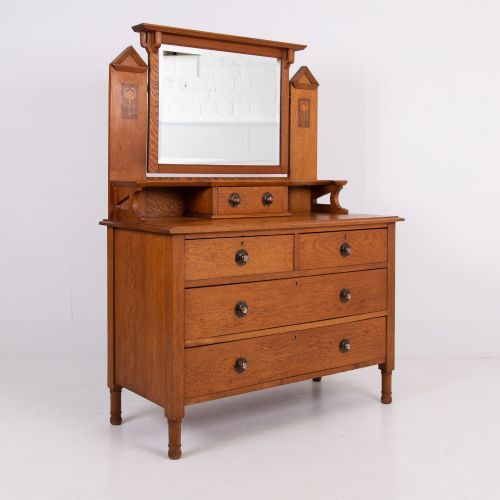
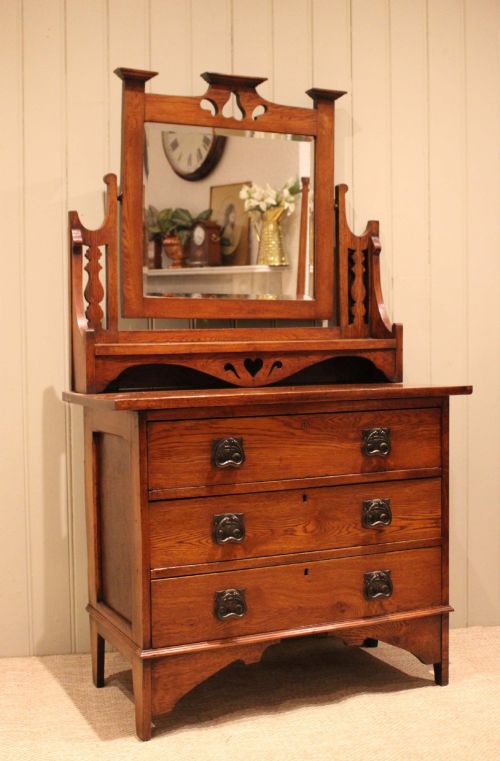
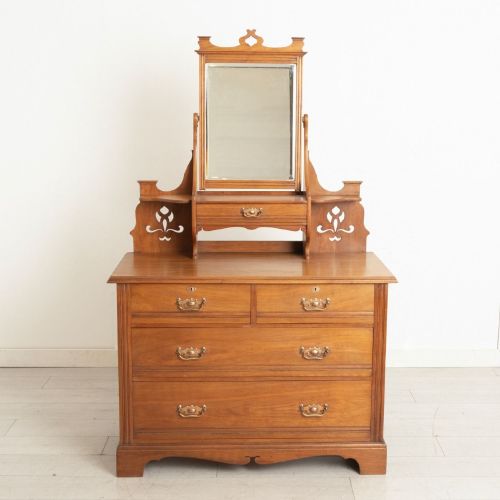
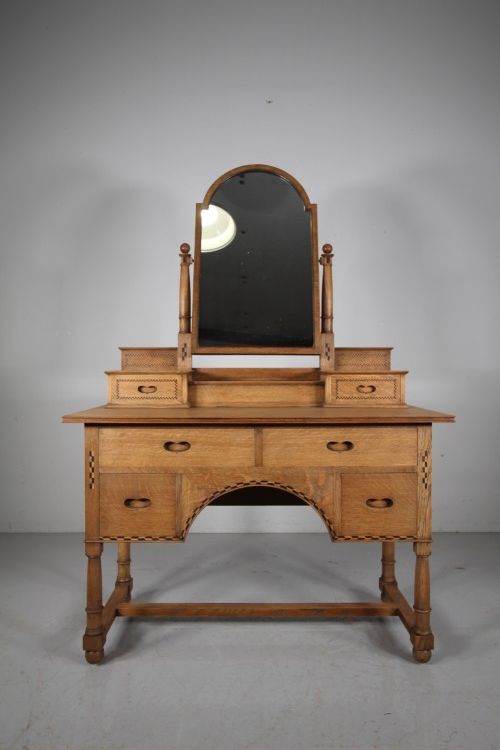
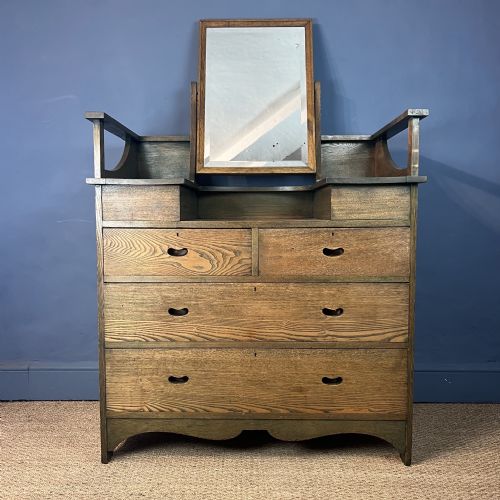
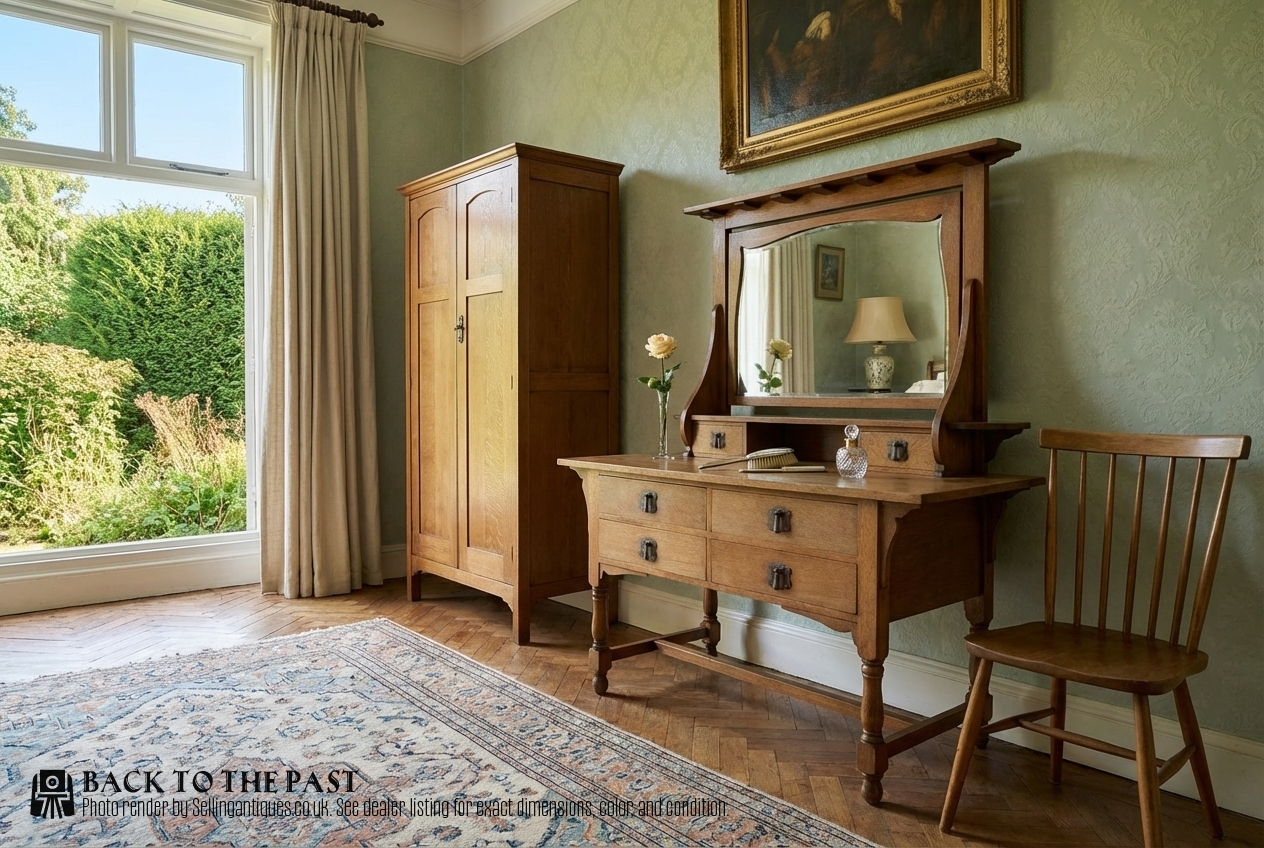
An arts and crafts vanity typically takes the form of an oak dressing chest, a dressing table with a swing mirror, or a wall-mounted mirror designed for the bedroom. You will most frequently meet solid oak dressing chests and mirrors dating from the late nineteenth century into the nineteen-thirties.
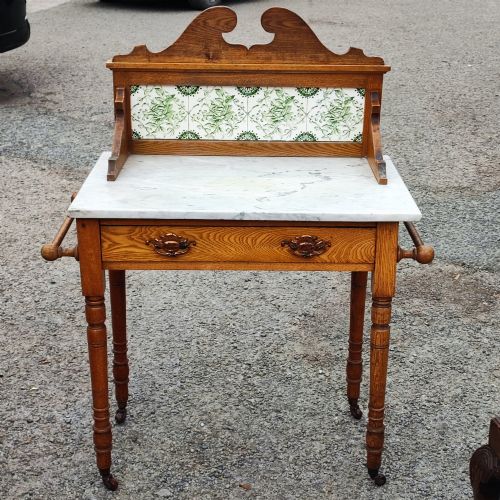
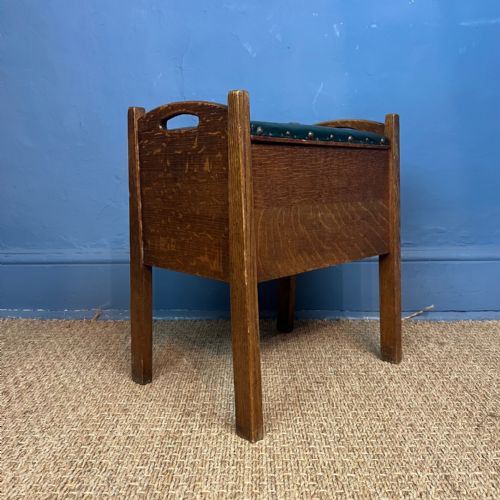
The pieces on this page span the Victorian and Edwardian periods, stretching through nineteen-ten and nineteen-thirty, often reflecting regional English workshops and London makers. Alongside dressing tables, the selection includes related bedroom furniture such as washstands, stools, and small jewellery boxes.
Makers and designers of the movement adapted traditional vernacular forms, producing functional furniture that prioritised utility alongside plain timber surfaces. These pieces suit modern interiors precisely because their honest proportions and straightforward joinery remain practical.
Materials and construction
Solid oak serves as the primary timber for these pieces, occasionally accompanied by green stained ash, mahogany, or decorative wood inlay and marquetry. Workshops constructed the carcasses to withstand daily use, utilising visible joints and sturdy boards rather than relying on heavy veneer.
Metal components play a defining role, with brass, copper, and silvered copper utilised for mirror frames, hinges, handles, and repoussé plaques. Artisans shaped these metals by hand, sometimes incorporating stylised plant motifs or hand-beaten textures into the design.
Arts and Crafts Vanity Retail Price Guide 2026
Typical asking prices for arts and crafts vanity among the pieces listed under this phrase on Sellingantiques today, from the lower quarter to the upper quarter. They describe what is for sale here now, not the wider market.
The listings show oak as the dominant wood, accompanied by copper, brass, and glass across pieces dating from eighteen-eighty to nineteen-thirty.
Judging quality and execution
The distinction between standard commercial pieces and the finest work lies in the handling of the timber and the refinement of the metal fittings. Master workshops paid careful attention to grain selection, proportion, and the integration of handmade copper or brass details.
Design attribution and maker provenance elevate certain pieces above anonymous factory output. Labeled items and documented workshop pieces display a sharper attention to detail in the hardware, inlay work, and mirror glass bevels.
George Walton·Heal and Sons·Shapland and Petter·Liberty and Co·Wright and Hunter·Harris Lebus·Omar Ramsden·J Shoolbred·Hukin and Heath
The Arts and Crafts Vanity Glossary
- Repoussé
- Metalwork technique where the design is hammered into relief from the reverse side. This method creates tactile surface patterns on copper and brass mirror frames.
- Swing mirror
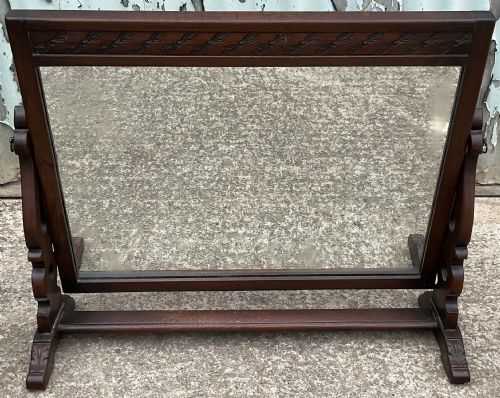
- A mirror plate suspended on pivots within a frame, allowing the glass to tilt. These appear mounted to dressing chests and tables.
- Marquetry
- The art of applying small pieces of wood veneer to a structure to form decorative patterns. It frequently decorates the drawer fronts and tops of dressing tables.
- Bevel edge
- A glass mirror plate with an angled, polished perimeter. This detail adds depth and catches the light.
Arts and Crafts Vanity: Frequently Asked Questions
What is an arts and crafts vanity?
An arts and crafts vanity is a piece of bedroom furniture, such as a dressing chest, dressing table, or washstand, made during the movement's active decades. These items focus on solid timber construction, plain surfaces, and honest joinery.
They often include integrated swing mirrors and handcrafted metal hardware made from copper or brass. Their straightforward proportions separate them from heavily ornamented Victorian styles.
How do I identify an arts and crafts dressing chest?
Look for unadorned solid oak surfaces, exposed dovetail joints, and hand-beaten copper or brass handles and hinges. Many examples feature tall, adjustable swing mirrors supported by sturdy wooden uprights.
Makers' stamps, paper labels, or distinct regional design traits can also confirm the origin. The overall aesthetic favours utility and visible craftsmanship over applied ornamentation.
How do I care for oak and copper vanity furniture?
Maintain the solid oak surfaces by dusting with a dry cloth and occasionally applying natural beeswax to nourish the grain. Avoid placing wooden furniture in direct sunlight or near heat sources to prevent timber movement.
Clean copper and brass fittings gently with a soft cloth without abrasive polishes, preserving the original patina. Mirror glass can be wiped with standard glass cleaner applied to a cloth rather than the frame.
Where were these pieces made?
These pieces originate primarily from workshops and factories across Britain, ranging from London furniture makers to regional Guilds. Major retailers and cabinet makers produced both standard bedroom suites and individual bespoke items.
Some pieces bear stamps or labels from specific workshops in London, Belfast, or the Cotswolds. The geographic variety reflects how widely the movement's ideals spread among makers.