


Arts and Crafts Painting
When you search for arts and crafts painting, you enter a world of hand-decorated panels, leaded glass and pigment-finished furniture.
Arts and Crafts Painting
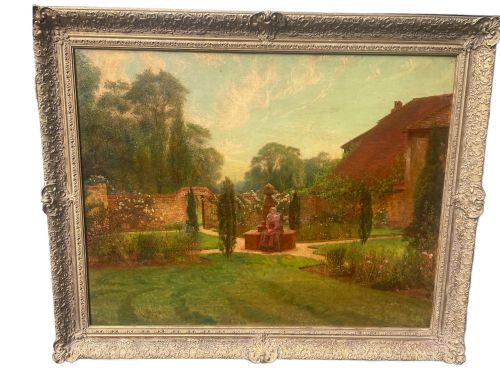
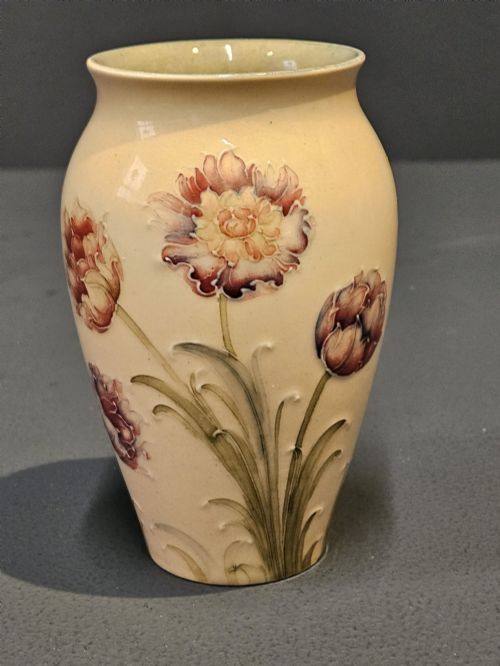
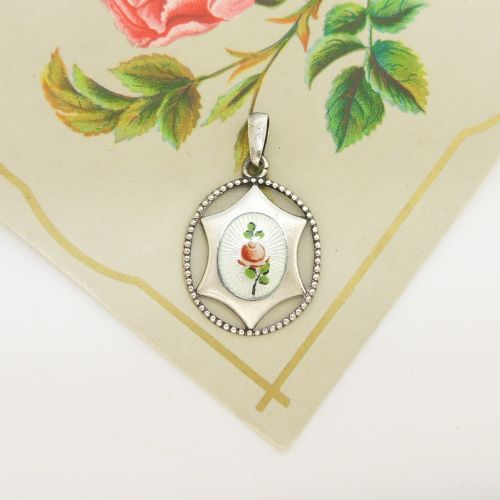
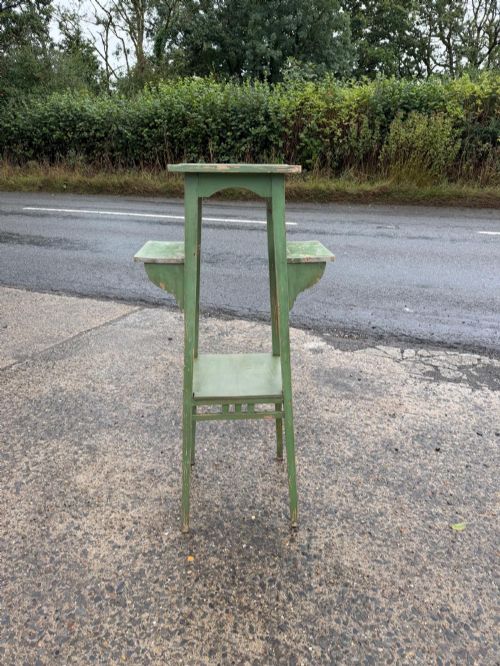
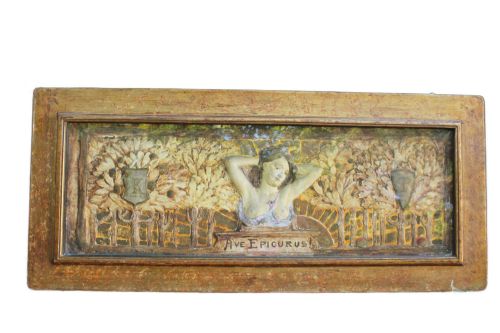
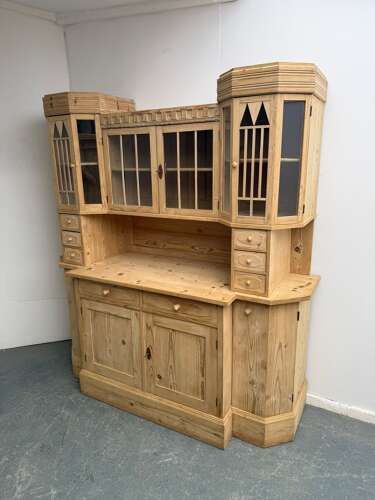
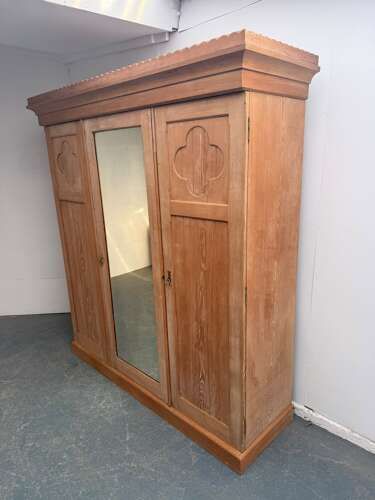
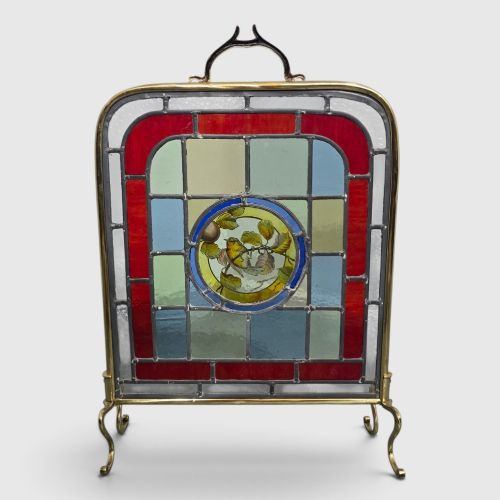
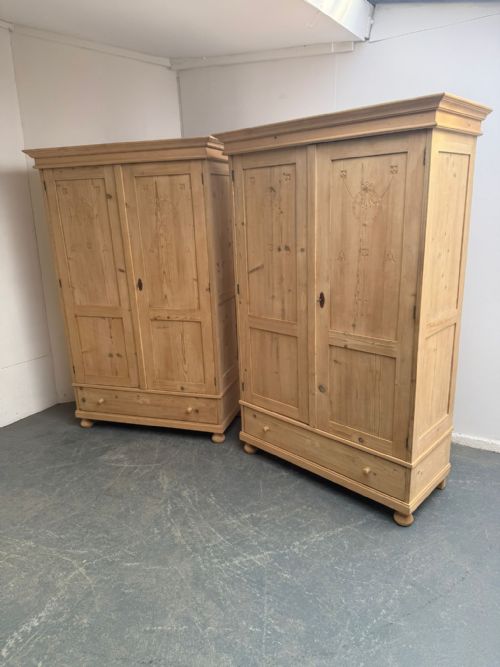
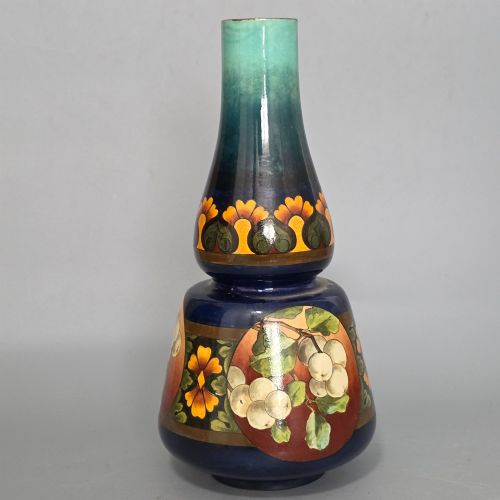
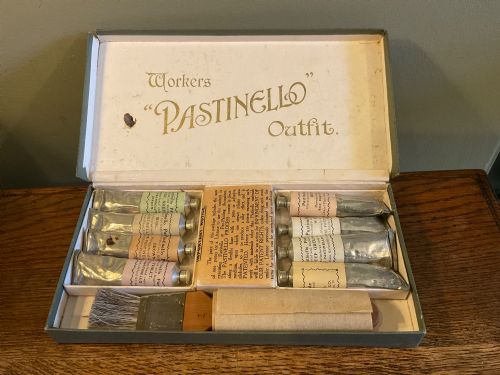
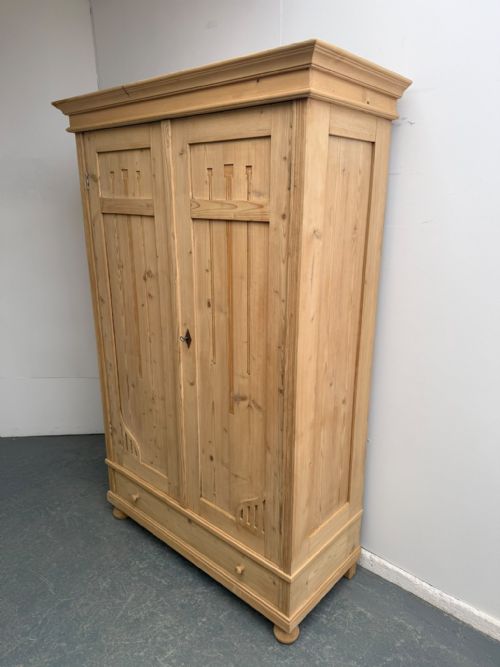
The term arts and crafts painting covers hand-painted leaded glass windows, polychrome plaster reliefs, pokerwork cupboards and painted wooden furniture originating from the late nineteenth century through to the 1930s. You will encounter architectural glass panels depicting birds and countryside scenes alongside painted pine dressers and cabinets.
Most examples date from the period between 1880 and 1910, reflecting the movement's core shift towards handcrafted domestic objects. These items combine utilitarian forms with direct artistic intervention on surfaces like wood, plaster and glass.
How they were made
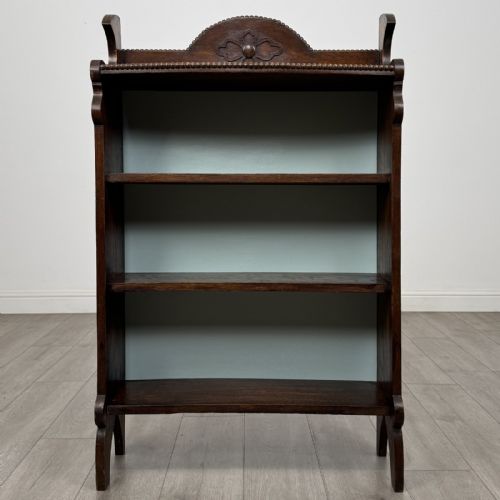
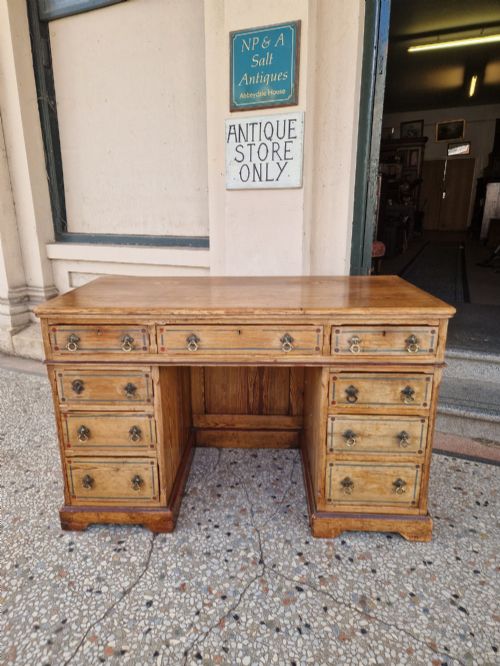
Makers applied oil and water-based pigments directly onto wood, plaster and glass, frequently combining hand-painting with leaded construction in windows and pokerwork burning on wall cupboards. Pine, pitch pine and walnut served as the primary wooden bases for painted cabinets, desks and dressers.
Glazing techniques incorporated hand-painted roundels and stained glass secured with lead cames. Artisans utilised wax finishes and original paint layers to seal the decorated timber surfaces.
Arts and Crafts Painting Retail Price Guide 2026
Typical asking prices for arts and crafts painting among the pieces listed under this phrase on Sellingantiques today, from the lower quarter to the upper quarter. They describe what is for sale here now, not the wider market.
Listings feature items spanning the 1880s to the 1930s, constructed from pine, glass, brass and earthenware in Arts and Crafts and Art Nouveau styles.
What varies in quality
Quality rests in the precision of the brushwork and the integrity of the original surface decoration. Pieces bearing untouched factory or studio paint schemes hold greater visual coherence than later overpainted items.
The complexity of the design, particularly in pictorial leaded glass windows featuring detailed bird and floral motifs, separates standard production work from superior artistic output.
Charles Horner·Alice Euphemia Thatcher·Doulton Lambeth·Eliza Simmance·TG Green·Morris and Co·Liberty of London
The Arts and Crafts Painting Glossary
- Pokerwork
- A decorative technique using heated metal tools to burn designs into wood surfaces. This method creates dark, shadowed line work on cupboards and wall panels.
- Lead came
- The soft lead channel used to join individual pieces of cut glass in windows. It provides both structural support and linear definition to the pictorial design.
- Polychrome
- The practice of decorating surfaces in multiple colours. It appears on plaster reliefs and wooden items from the period.
- Pitch pine
- A dense, resinous softwood utilised extensively for nineteenth and early twentieth century furniture. Its strong grain pattern shows through paint and wax treatments.
- Bullseye
- A small, circular glass pane containing a central pontil mark, frequently incorporated into leaded windows as accent details.
Arts and Crafts Painting: Frequently Asked Questions
How do I hang a painted glass window?
Leaded glass panels require proper weight distribution using substantial chain or wire secured to the window frame rather than the leading itself. Hang them where natural light passes through the painted motifs.
Ensure the supporting fixings anchor directly into wall studs or window joists to prevent sagging over time.
Can I clean painted wooden furniture safely?
Dust surfaces gently with a dry, soft cloth and avoid chemical sprays that can lift historic paint layers. Wax-finished pine benefits from occasional application of microcrystalline wax to nourish the timber.
Keep these items away from direct heat sources and strong sunlight to prevent the painted decoration from cracking or fading.
How do I identify genuine period paint?
Examine the surface under magnification to check for craquelure, pigment layering and wear patterns consistent with age. Genuine early finishes often show subtle chalkiness and micro-abrasions from domestic use.
Compare the colour palette against documented historic paints from the era, such as specific ash or neutral tones.
Where should I place a painted wall cupboard?
Mount these small cabinets on interior walls away from damp spaces like kitchens or bathrooms to protect the timber and pigment. Ensure the wall structure can support the combined weight of the wood and door.
Position them at eye level to fully appreciate the pokerwork or hand-painted details on the doors.