



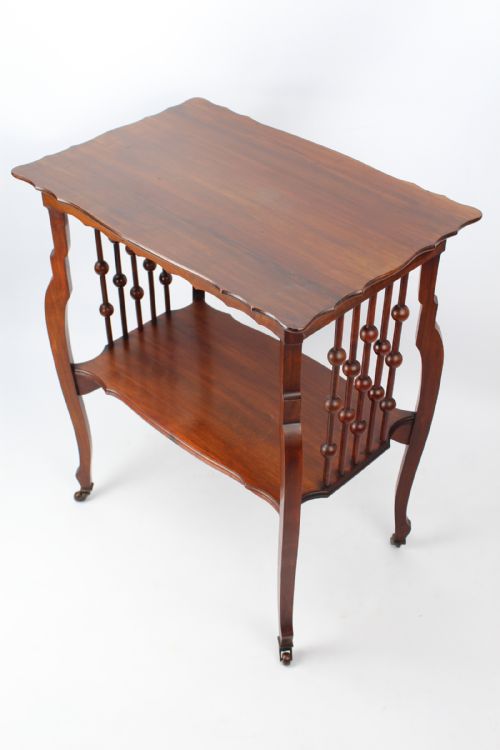
Arts and Crafts End Table
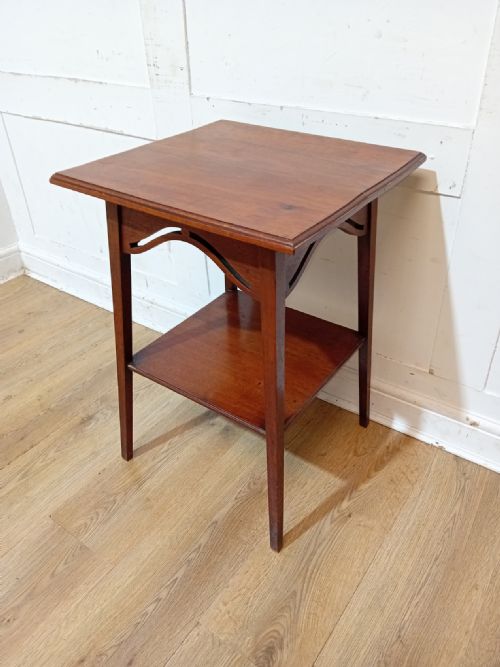
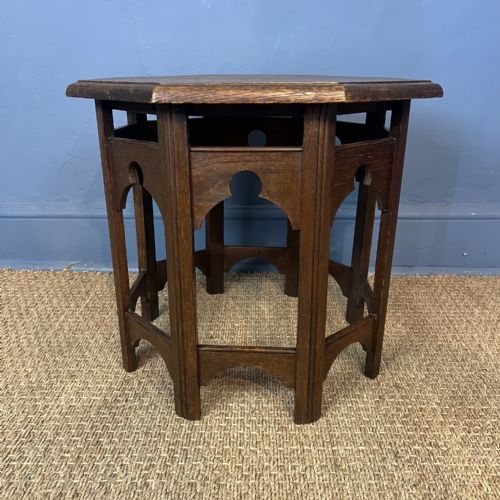
These arts and crafts end table selections offer solid oak construction and vernacular design, suiting buyers seeking period occasional furniture for domestic use.
Arts and Crafts End Table
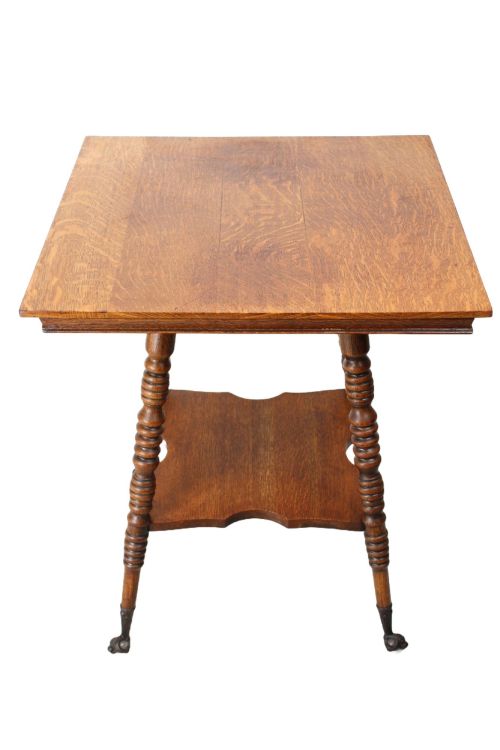
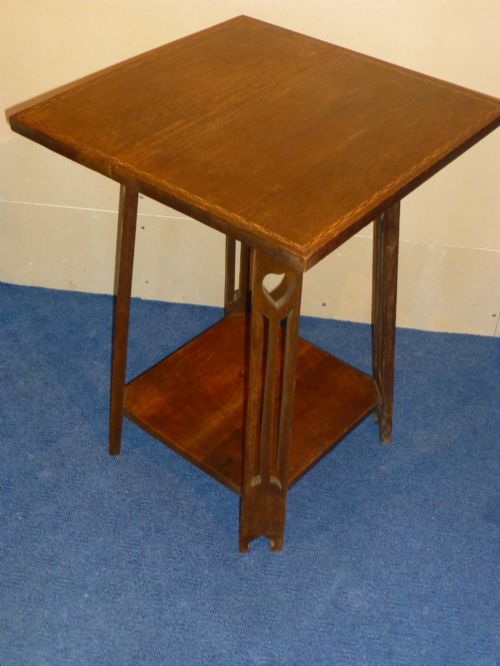
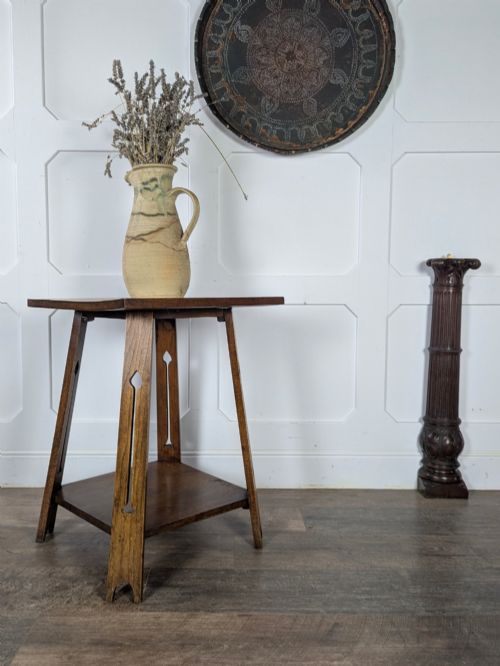
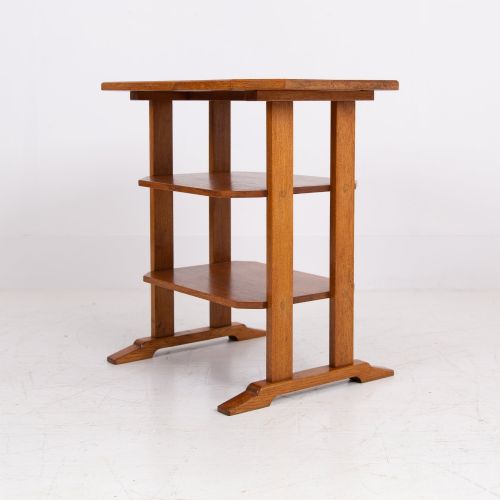
An arts and crafts end table typically takes the form of a side table, occasional table, or small two tier piece designed for everyday use beside seating. These items emerge from periods spanning the late nineteenth century into the early decades of the twentieth century, reflecting the vernacular ideals of the movement.
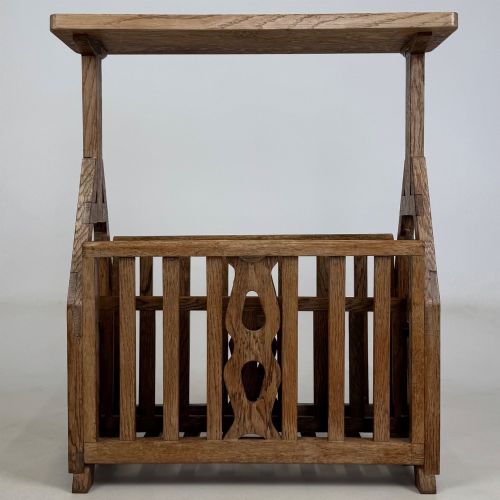
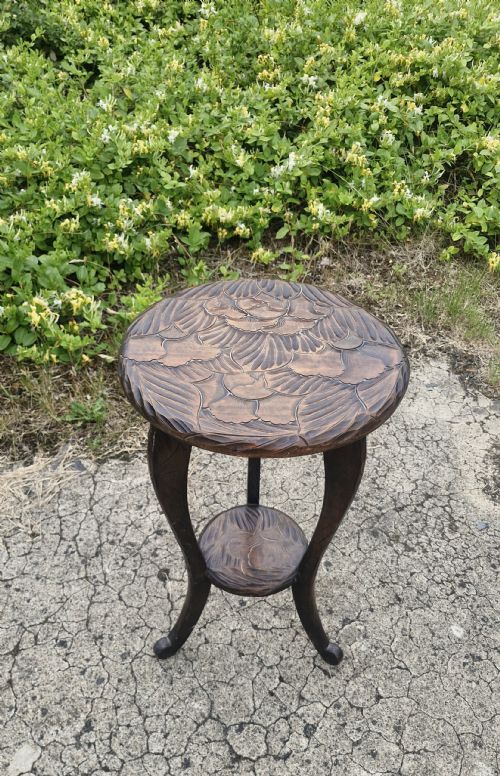
Buyers examining this selection most frequently encounter oak side tables dating from nineteen hundred or the Edwardian era, often featuring simple square or hexagonal tops. Alongside these standard occasional pieces, related forms such as bedside cabinets, plant stands, and small multi tiered tables appear.
The aesthetic bridges late Victorian design and early twentieth century simplicity, drawing upon regional workshops and London retail houses alike. Regional pieces often show Cotswold or Glasgow school influences, whilst commercial examples display characteristic inlaid details and carved motifs.
Materials and Construction
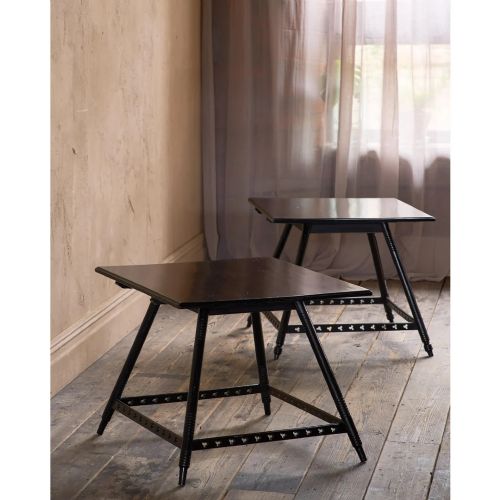
Timber selection centres on solid oak and walnut, complemented by occasional use of mahogany, ebonised wood, and stained hardwoods. Cabinetmakers utilised these sturdy woods to highlight natural grain patterns through simple wax finishes rather than heavy varnishes.
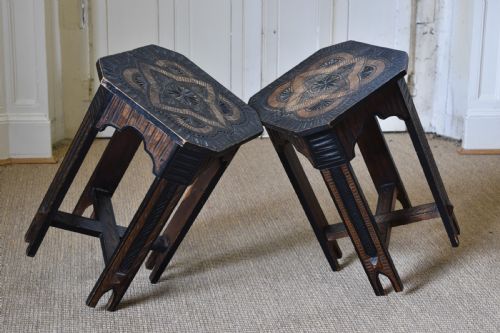
Construction techniques rely on traditional joinery, incorporating pegged mortise and tenon joints to ensure structural integrity without metal fixings. Surface decoration often involves hand carving, chip carving, fretwork, or chequered wood inlay applied to table tops and tiers.
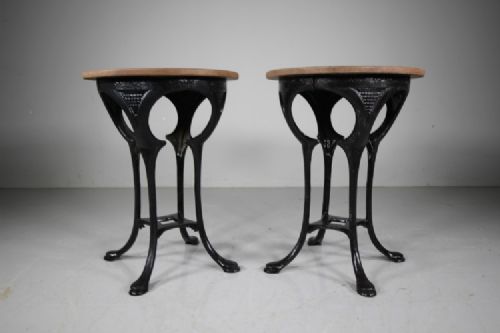
Secondary materials appear in specific regional and commercial outputs, such as cast iron frames or metal fittings that accent the woodwork. Workshops also integrated distinctive textiles, as seen in pieces upholstered in printed velvets.
Listings feature oak predominantly, alongside walnut and ebonised wood across side tables, occasional tables, and bedside cabinets.
Assessing Craftsmanship and Origin
Distinction across the range rests upon the attribution to notable retail houses and specific regional schools of design. Pieces linked to firms like Liberty of London or designers such as Baillie Scott and Archibald Knox command particular attention for their refined proportions.
The execution of surface enrichment creates a clear hierarchy among surviving pieces, separating straightforward commercial items from hand carved workshop examples. Careful attention to joinery and the integration of subtle details like gallery rails or chequered inlay indicate superior workshop output.
Liberty and Co·William Birch·Baillie Scott·Archibald Knox·Arthur Simpson of Kendal
The Arts and Crafts End Table Glossary
- Occasional table
- A small movable table intended for specific, intermittent use within a room. These pieces function as side tables or display surfaces.
- Chequered inlay
- A decorative pattern of alternating light and dark wood squares embedded into the surface. This technique adds geometric contrast to table tops.
- Ebonised wood
- Timber treated with a chemical stain or pigment to imitate ebony. This dark finish appears frequently on nineteenth century occasional furniture.
- Fretwork
- Ornamental design created by cutting patterns through thin wood using a piercing saw. It provides decorative ventilation or visual lightness on panels and aprons.
- Cotswold School
- A twentieth century regional movement of furniture makers emphasising hand tool work and traditional construction. Pieces from this tradition display honest structural joinery.
Arts and Crafts End Table: Frequently Asked Questions
What defines an arts and crafts end table?
An arts and crafts end table is a small occasional or side table produced during the late nineteenth or early twentieth century. These pieces emphasise solid oak construction, exposed joinery, and minimal ornamentation.
Makers prioritised utility and simple geometric forms over historical revival styles, frequently incorporating two tiers, hexagonal tops, or subtle wood inlay.
How do I identify a Liberty table?
Liberty pieces often feature distinctive design elements such as chequered wood inlay, two tier structures with gallery rails, or specific retail stamps. Their proportions reflect the artistic direction associated with the London store's house designers.
Many examples pair solid oak or walnut with careful hand finishing, aligning with the broader principles of the arts and crafts movement.
Where were these tables used originally?
These tables served primarily as convenient surfaces for lamps, books, or tea service beside seating in domestic drawing rooms and studies. Their compact dimensions allowed them to fit easily into smaller spaces.
Bedside versions also functioned as compact cabinets for night-time storage in Edwardian bedrooms.
How do I care for an oak side table?
Maintain antique oak surfaces by applying occasional coats of traditional beeswax to nourish the timber and protect the finish. Avoid placing solid wood tables near direct heat sources or in areas with fluctuating humidity.
Gentle dusting with a soft, dry cloth preserves the natural grain without stripping the historic patina.