

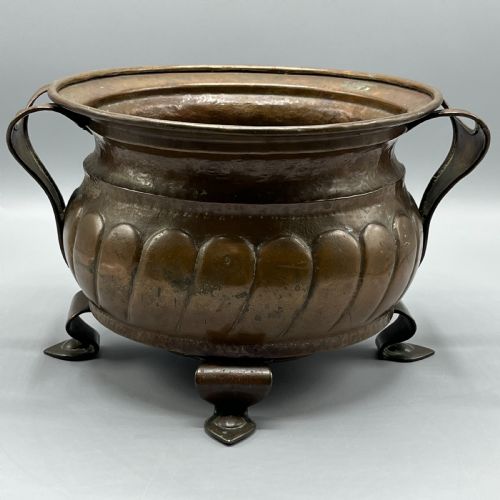


Arts and Crafts Copper Planter
These arts and crafts copper planter vessels bring tactile metalwork and organic form directly into modern rooms.
Arts and Crafts Copper Planter
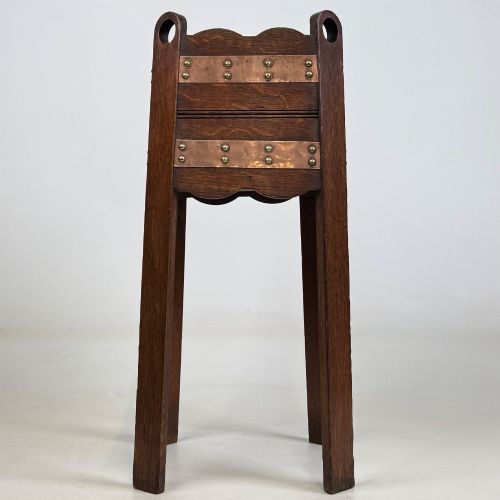
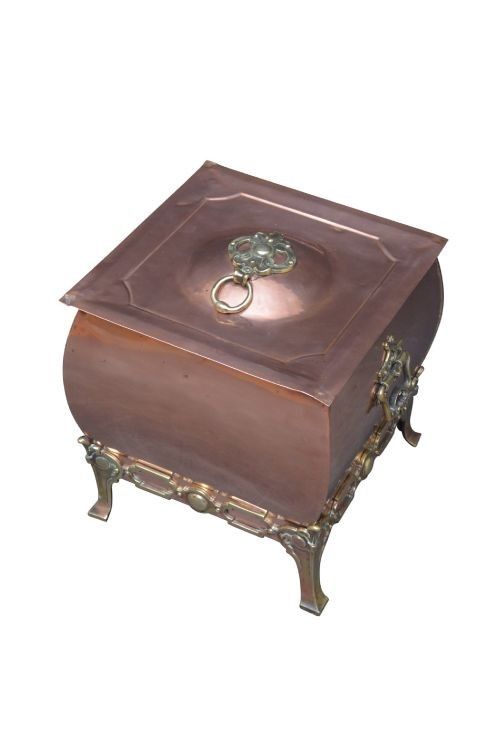
An arts and crafts copper planter represents a period of domestic design spanning from the late nineteenth century into the early twentieth century. You will encounter forms ranging from heavy indoor jardinières and log bins to plant stands and pedestal bowls shaped with distinctive metalworking techniques.
The selections available draw heavily upon Victorian, Edwardian, and Art Nouveau influences. These vessels were originally made to hold indoor ferns and foliage or to serve utilitarian purposes near the hearth, utilising sturdy copper bodies often paired with brass, iron, or oak frames.
How they were made
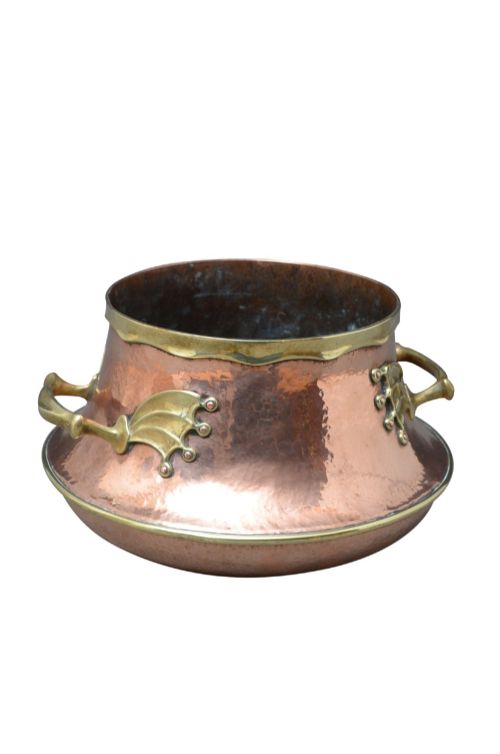
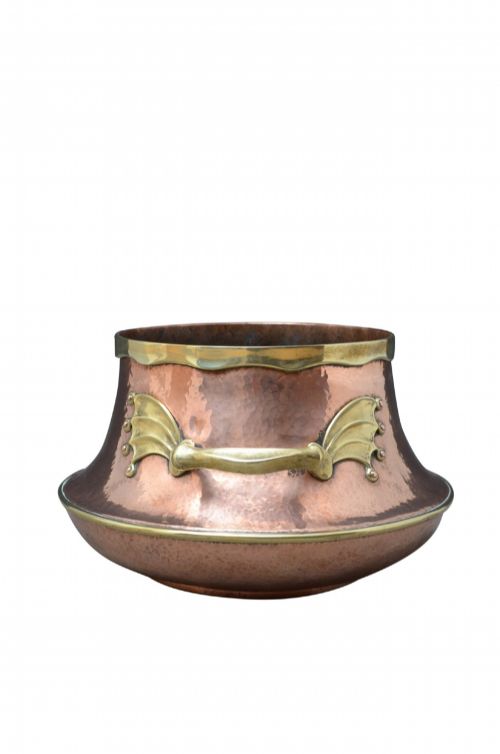
Makers shaped sheet copper by hand, using hammers to raise the metal into vessels and create textured surfaces. This hammering process leaves visible facets that catch the light and demonstrate the manual labour involved in each piece.
Constructed bodies frequently integrate other materials to provide structural support and contrast. Wrought iron stands, brass handles, oak pedestals, and ceramic cabochons appear alongside the primary copper shell.
Listings feature items built from copper, brass, wrought iron, and oak, dating from the Victorian period through the nineteen-thirties.
What varies in quality
The distinction between standard production items and finer examples rests on the depth and control of the hand-hammering. Superior vessels display considered proportions, secure riveted or soldered joints, and thoughtful integration of secondary materials like wrought iron or decorative cabochons.
Surface patination and the thickness of the original copper sheet also influence the character of each piece. Heavier gauge metal retains its structural integrity better over decades of use and holds a richer, deeper tone across the body.
Keswick·Shapland and Petter
The Arts and Crafts Copper Planter Glossary
- Jardiniere
- An ornamental pot or stand for holding plants or flowers. These vessels often sit on low feet or metal stands.
- Ruskin cabochon
- A smooth, polished ceramic stone with a coloured glaze, frequently set into metalwork by arts and crafts makers. They add a bright spot of colour against the dark copper surface.
- Ferrat
- A metal container or brazier used historically for holding hot coals or ash. In this context, the term describes heavy copper vessels suited to fireside use.
- Patination
- The natural or induced surface colour that forms on copper over time. Exposure to air and handling deepens the metallic tones.
Arts and Crafts Copper Planter: Frequently Asked Questions
How do I clean an old copper planter?
Wipe the surface with a soft, dry cloth to remove dust and maintain the existing oxide layer. Avoid harsh metal polishes that strip away the historical patination accumulated over decades.
If the metal requires washing, use warm water and mild soap, then dry thoroughly. Leaving a natural patina intact preserves the visual character of the period.
Can I plant directly inside these copper pots?
Direct planting introduces moisture and soil acidity that can accelerate corrosion on the interior of antique metal vessels. Placing a modern plastic liner inside the copper shell protects the antique material from water damage.
Ensure any potted plant sits on a saucer within the container to prevent standing water at the base. This simple step keeps the vessel structurally sound for everyday use.
How can I tell if a piece is from the arts and crafts period?
Look for signs of hand craftsmanship, such as visible hammer marks across the copper surface and exposed rivets joining the seams. These details reflect the movement's emphasis on traditional production methods over mass manufacturing.
The inclusion of materials like wrought iron, oak, or ceramic cabochons also points toward the aesthetic of the era. Design motifs often lean towards simple geometric lines or subtle organic shapes.